| Question | Short Answer |
|---|---|
| What is the first step for neem oil on succulents: mix ratio, frequency, and limits? | Start by matching the symptom to the plant, substrate, light, and season before changing watering or treatment. |
| What should be avoided? | Avoid changing several variables at once; correct the limiting factor and observe the plant before escalating. |
| Which care factor matters most? | Match the plant to its light, substrate, pot size, and season. |
| When should the plant be checked again? | Recheck after one to two weeks unless tissue is actively collapsing. |
Quick Answer
The short answer: Mix 1-2% cold-pressed neem oil with 0.05-0.1% mild soap (Castile) as emulsifier. Apply at dusk every 7-10 days for 2-3 applications. Never use on farina-coated (waxy-bloom) species.
Best first step: Always add soap to emulsify - without it, the oil floats on water and clogs your sprayer. Test on one leaf first.
Avoid: Applying in midday sun (causes leaf burn) or on Echeveria cante, Pachyphytum oviferum, or Dudleya (dissolves the waxy bloom).
Neem oil is the most commonly recommended spray-on remedy for soft-bodied pests on succulents, and it does work, but only on certain pests, at certain dilutions, applied at certain times. Get the mix ratio wrong and the spray either fails to wet the insect or burns the leaves it lands on. The bottom-line answer: 1 to 2 percent cold-pressed neem oil in water, with 0.05 to 0.1 percent mild liquid soap as an emulsifier, applied at dusk every 7 to 10 days for at least two or three applications, and never on plants with a powder-bloomed (farina-coated) leaf surface. Here is the rest of the picture.
Part of the Beginner's Guide to Succulents.
What neem oil is
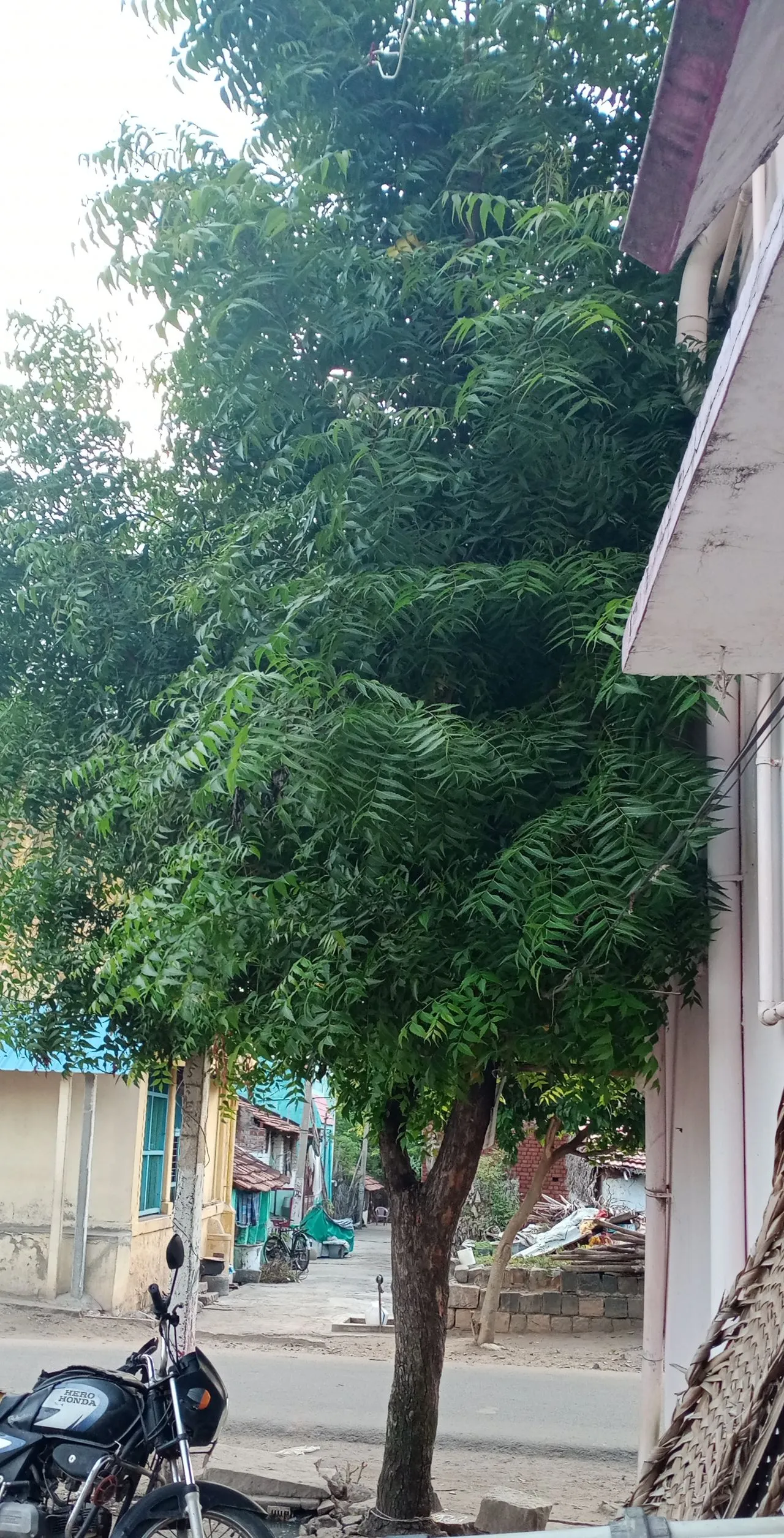
Neem oil is the cold-pressed oil expressed from the seeds of Azadirachta indica, the neem tree native to the Indian subcontinent. The primary active compound for pest control is azadirachtin, a triterpene that acts as both a feeding deterrent and an insect growth regulator. At sublethal doses azadirachtin disrupts the moulting cycle of insect larvae, so populations exposed across two or three generations collapse, not because the adults are killed outright but because the next generation never reaches reproductive age. The oil itself also contributes a contact effect: the lipid film coats spiracles and suffocates soft-bodied insects directly.
Two products are sold under the name "neem oil" and they are not interchangeable.
- Cold-pressed neem oil is the unrefined, raw seed oil. It contains the full azadirachtin load (typically 1500 to 3000 ppm) along with the rest of the seed lipid fraction. This is what you want for pest control. Bottles are dark, the oil is brown-greenish, and the smell is pungently garlic-sulphurous.
- Clarified hydrophobic extract of neem oil is a refined byproduct sold in some commercial sprays. The azadirachtin has been largely removed; the residual oil works only as a contact suffocant. It is acceptable for armoured scale crawlers and not much else.
For a succulent collection, source cold-pressed neem from a reputable supplier and check the label for an azadirachtin assay if you want certainty about the active load.
What it works on
Neem is a moderate-efficacy contact insecticide. It rewards patience and good coverage, not enthusiasm. The pests it actually controls on succulents are:
- Mealybugs (foliar), Pseudococcus longispinus and Planococcus citri. Moderate efficacy. The spray must contact the insect to suffocate it, and the wax tufts on adult females shrug off a poorly emulsified mix. A correct 1 to 2 percent dilution with sufficient soap surfactant penetrates the wax. Best results come from spraying both leaf surfaces, axils, and rosette centres until runoff.
- Aphids. Good efficacy. Aphids have a thinner cuticle and clump in exposed positions on flower stalks, so coverage is straightforward and a single spray often clears a small colony.
- Spider mites (Tetranychus urticae and relatives). Moderate efficacy. Mites are arachnids and largely ignore the azadirachtin pathway, but the oil suffocates them on contact. The challenge is reaching the leaf undersides where mites cluster and where webbing makes wetting harder. Two or three applications at 7-day intervals are needed.
- Soft scale (Coccidae), the kind without a hard detachable shield. Moderate efficacy at the crawler stage; older settled adults are protected by waxy domes and need physical removal first.
- Whitefly adults. Moderate efficacy when sprayed directly during the still air of dusk; flying adults scatter from a midday spray.
A reasonable rule of thumb: if the pest sits still and is reachable from your spray nozzle, neem will help. If it hides, flies, or hard-shells, look elsewhere.
What it does NOT work on
The marketing on neem oil bottles oversells the product. The pests and pathogens neem will not solve, regardless of dilution or repetition, are:
- Root mealybugs (Rhizoecus spp.). The oil does not penetrate the substrate at any meaningful concentration. Drenching neem into a pot wets the surface, beads off, and never reaches rootlets where root mealybugs feed. These insects need either substrate replacement or a systemic insecticide. Spraying the foliage of a root-mealybug-infested plant treats a symptom in the wrong location. The substrate replacement and drench approach is set out in root mealybug identification.
- Armoured scale (Diaspididae). The hard, detachable scale cover deflects oil and surfactant before contact is made. Once the scale has built its shield, only a systemic compound or physical scraping clears it. Neem can catch crawlers in the brief window between hatch and shield formation, but missing that window means spraying ornamentation.
- Thrips. Knockdown is poor unless the spray hits an exposed insect directly, and thrips spend most of their time inside leaf folds and emerging tissue you cannot reach. Use a thrips-specific product such as spinosad.
- Fungal diseases beyond very mild superficial powdery mildew. Despite product copy that promises broad-spectrum fungicidal action, neem's antifungal activity is weak and inconsistent. Sooty mould is a colonist of honeydew rather than a tissue pathogen, and washes off mechanically. Real Botrytis or Fusarium infection in a succulent calls for a dedicated fungicide and a hard look at watering practice.
- Ants that farm mealybug colonies. Killing the insects the ants tend does nothing about the ants themselves; address the ant trail with a sticky barrier or bait.
Mix ratio and emulsifiers
The dilution that consistently works for foliar pests on succulents is 1 to 2 percent neem oil v/v in water, paired with 0.05 to 0.1 percent mild liquid soap as an emulsifier. Without the soap the oil floats as droplets on the water surface, never disperses through the spray bottle, and clogs the nozzle on the second pass. The soap reduces interfacial tension between oil and water and lets the spray actually reach the cuticle of the insect.
A standard home mix for a 500 mL bottle:
| Component | Amount | Function |
|---|---|---|
| Cold-pressed neem oil | 5 mL (1 percent) to 10 mL (2 percent) | Active and suffocant |
| Mild liquid soap | 1 mL | Emulsifier and surfactant |
| Lukewarm water (around 30 °C) | Top up to 500 mL | Carrier |
Use Castile soap or a labelled insecticidal soap. Avoid laundry detergents and most dish detergents. Modern detergents carry fragrances, dyes, optical brighteners, and synthetic surfactants that are themselves phytotoxic on succulent tissue at the very dilutions where they would emulsify oil. The damage is quiet: leaf-surface burns that show up as bronzing or pitting two or three days after spraying, often misread as sunburn or watering stress.
Mix the oil and soap together first in a small jar, then add the warm water and shake hard for thirty seconds. Use the mix within four hours; over a longer interval the emulsion separates and the oil concentration in the spray becomes uneven. Apply with a fine-mist sprayer, target both leaf surfaces and the crevices around growing points, and stop at runoff.
Application frequency
For an active infestation, repeat the spray every 7 to 10 days, two or three applications minimum. The interval matters because neem catches different life-cycle stages on different passes. The first spray hits visible adults and exposed nymphs; the second catches eggs that hatched in the interim and crawlers that had not yet moulted; the third reaches anything sheltered during the previous two rounds. Stopping after one application is the most common reason a treated infestation rebounds two weeks later.
Cease applications at the first inspection where no live insects are visible. Continued spraying past that point is wasted time and accumulating phytotoxic risk. As a preventive on a clean collection neem has no real role: spraying healthy plants on a calendar selects for tolerant pest individuals if any are present and stresses the leaves with no payoff.
A useful field cue between sprays: draw a white tissue along the underside of one or two treated leaves. If it picks up no waxy residue and no honeydew, the population is collapsing and you are on the third application or close to it.
Phytotoxicity (when neem burns leaves)
Two failure modes account for almost all neem damage on succulents.
Sun exposure during application. Neem oil concentrates ultraviolet radiation on the leaf cuticle. A spray applied in midday sun on a south-facing windowsill can produce burn lesions within hours, visible as pale, sunken patches that later turn corky. Apply at dusk, before dawn, or on overcast days, and keep treated plants out of direct sun for 24 hours after spraying. The oil dries and is largely metabolised within that interval; the risk window is narrow but real.
Bloom dissolution on farina-coated species. Several succulent groups produce a waxy bloom (farina) on their leaves that gives the plant its characteristic chalky-blue or pure-white appearance. Neem oil, even at 1 percent and even with the gentlest soap, partially dissolves this wax and leaves permanent fingerprint-like marks where the spray struck. The damage does not heal; affected leaves carry the mark for their lifespan, which on these slow-growing species can run to several years. The species you should never blanket-spray with neem include:
- Echeveria cante and E. laui, both of which depend on heavy farina for their visual identity and for sunburn protection on their native cliffs.
- Soft-bodied Pachyphytum such as P. oviferum, where the bloom layer is thicker than the underlying epidermal pigment.
- Dudleya brittonii and D. pulverulenta, the chalk dudleyas, in which bloom loss compromises both appearance and adaptive cooling.
- Many Graptopetalum and Graptoveria hybrids selected for heavy farina, including 'Topsy Debbi' and similar cultivars.
If one of these plants has mealybugs, spot-treat with a cotton swab and 70% isopropyl alcohol on the insects only, or use a systemic drench. Do not blanket-spray.
A third, smaller category is plants in early-flush growth. Soft, expanding leaf tissue burns at lower doses than mature tissue. If a plant has just broken dormancy and is pushing fresh leaves, drop the mix to 1 percent and test a single leaf first, waiting 48 hours before treating the whole plant.
Storage and shelf life
Cold-pressed neem oil solidifies below about 23 °C, so the bottle on a cool shelf in autumn often contains a gritty paste rather than a pourable liquid. This is normal and not a sign of spoilage. Warm the closed bottle in a bowl of 30 °C water for 10 to 15 minutes before mixing; the oil returns to a clear amber-green liquid and pours cleanly. Do not microwave the bottle, and do not heat above 40 °C, because the azadirachtin begins to degrade thermally above that range.
Shelf life of cold-pressed neem in an opaque container, kept cool and out of direct light, is 1 to 2 years from manufacture. After that the oil oxidises and the azadirachtin content drops below the threshold for insect growth regulation. Three sensory cues identify expired or oxidised neem:
- Colour shift from amber-green to greyish or muddy brown.
- Smell turns from the typical garlic-sulphur to outright rancid, the same smell as old walnut oil.
- Texture becomes thinner, and the oil no longer solidifies cleanly below 23 °C; it stays as a sludge.
Oxidised neem still wets and suffocates a few insects on contact, but you have lost the growth-regulator effect that justified using it over a plain horticultural oil. Replace the bottle. A 100 mL bottle is enough for many seasons of a hobby collection at 1 to 2 percent dilution; a litre will go rancid before you finish it.
See also
- A Beginner's Guide to Succulents, the pest-pressure framework that puts neem in context as one tool among contact, mechanical, and systemic options.
- Mealybug Identification, life-cycle timing for Pseudococcus and Planococcus that shapes the 7 to 10 day spray interval.
- IPM for Succulents, the broader integrated pest management approach combining quarantine, airflow, ant control, and selective chemical intervention.
- Spider Mite Identification — a pest group where neem's contact-suffocation is only moderately effective.
- Systemic Insecticide Use — the alternative for pests neem cannot reach: root mealybugs, armoured scale, and thrips.
FAQ
Does neem work on root mealybugs?
No. Neem doesn't penetrate substrate at meaningful levels. Root mealybugs need substrate replacement or a systemic insecticide.
How many applications do I need?
At least 2-3 applications, 7-10 days apart. The first spray kills visible adults; the second catches eggs that hatched; the third catches anything that was sheltered.
Can I use neem on my Echeveria?
Only if it doesn't have a waxy farina coating. Never on E. cante, E. laui, Pachyphytum oviferum, or Dudleya - the spray permanently marks the leaves.
What if I don't have Castile soap?
Use a mild insecticidal soap labeled for plants. Avoid laundry detergent or dish soap - the additives can burn succulent leaves.
Frequently Asked Questions
What is the first step for neem oil on succulents: mix ratio, frequency, and limits?
Start by matching the symptom to the plant, substrate, light, and season before changing watering or treatment.
What should be avoided?
Avoid changing several variables at once; correct the limiting factor and observe the plant before escalating.
Which care factor matters most?
Match the plant to its light, substrate, pot size, and season. Most succulent failures trace to a mismatch between drying speed and the plant's current growth rate.
When should the plant be checked again?
Recheck after one to two weeks unless tissue is actively collapsing. Stable firmness and new growth are better signs than a fixed calendar interval.