Genus Reference
Care
Cross-species care: soil, watering, propagation, indoor conditions, arrangements.
Indoor Succulents: A Practical Guide to Keeping Them Alive at Home
Light, water, ventilation, and species choice for growing succulents indoors — including what not to try without grow lights.
Read the guide →Species & Cultivars
All articles in this section
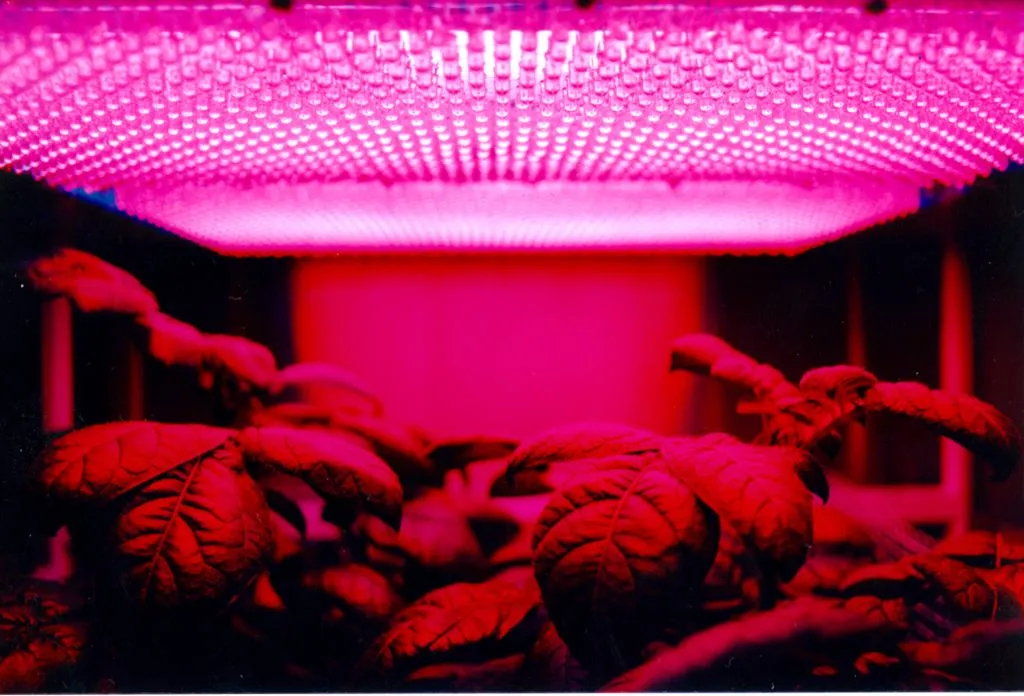
Succulent Leaves Turning Yellow: A Diagnostic Decision Tree
Press the yellowing leaves: mushy or translucent = overwatering; firm but wrinkled = underwatering; papery = normal senescence.
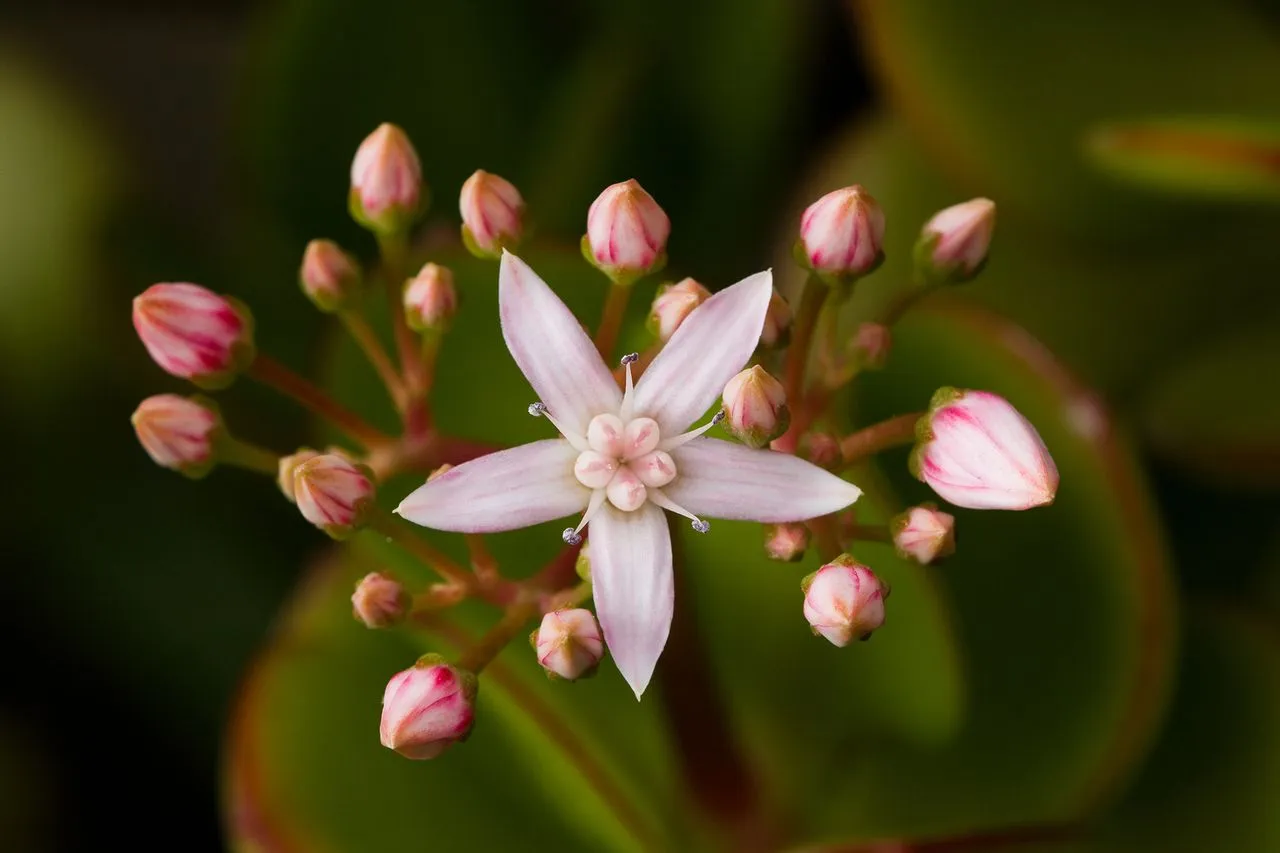
Succulent Leaves Falling Off: Normal or a Problem?
Succulent leaves fall off for six different reasons, only one of which is normal.
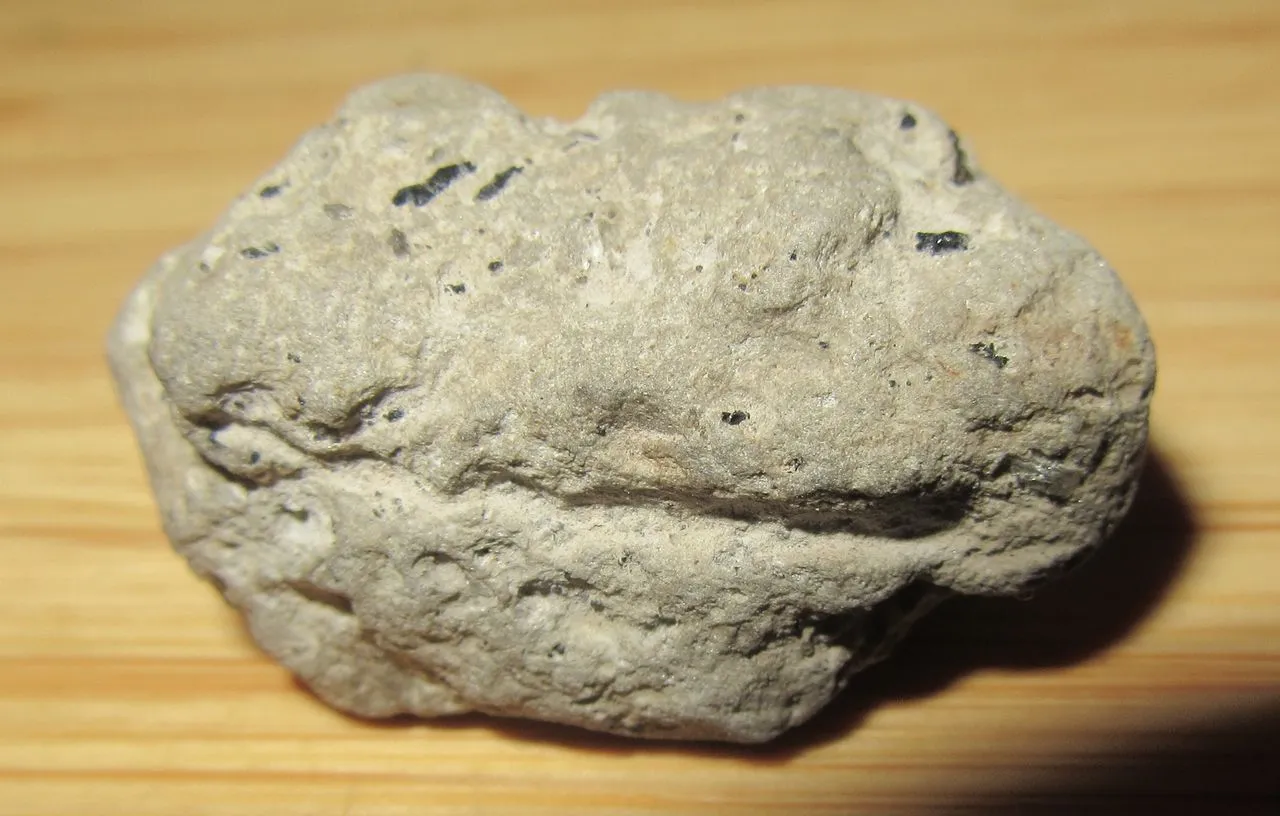
Wrinkled or Shriveled Succulent Leaves: Causes & Solutions
Wrinkled, shriveled succulent leaves signal water deficit — but the cause is not always underwatering.
Soft Mushy Leaves on Succulents: Diagnosis & Fix
Feel the texture: mushy with faint sour smell = root rot; soft but deflated = drought-related (rarer); mushy appearing overnight after cold = frost damage.
White Fuzz on Succulents: Mealybug, Mildew, or Natural Bloom?
Three things cause white fuzz or powder on succulents: mealybug infestation, powdery mildew fungus, and the plant's own epicuticular wax bloom (farina).
Window Direction: South vs East vs West for Succulents
South, east, or west window for succulents? PPFD numbers per direction and season, latitude effects, and which genera to place where without burning leaves.
Bottom-Watering vs Top-Watering Succulents: When Each Wins
Bottom watering vs top watering succulents: when each method helps, when it causes trouble, how long to soak, and why gritty soil changes the answer.
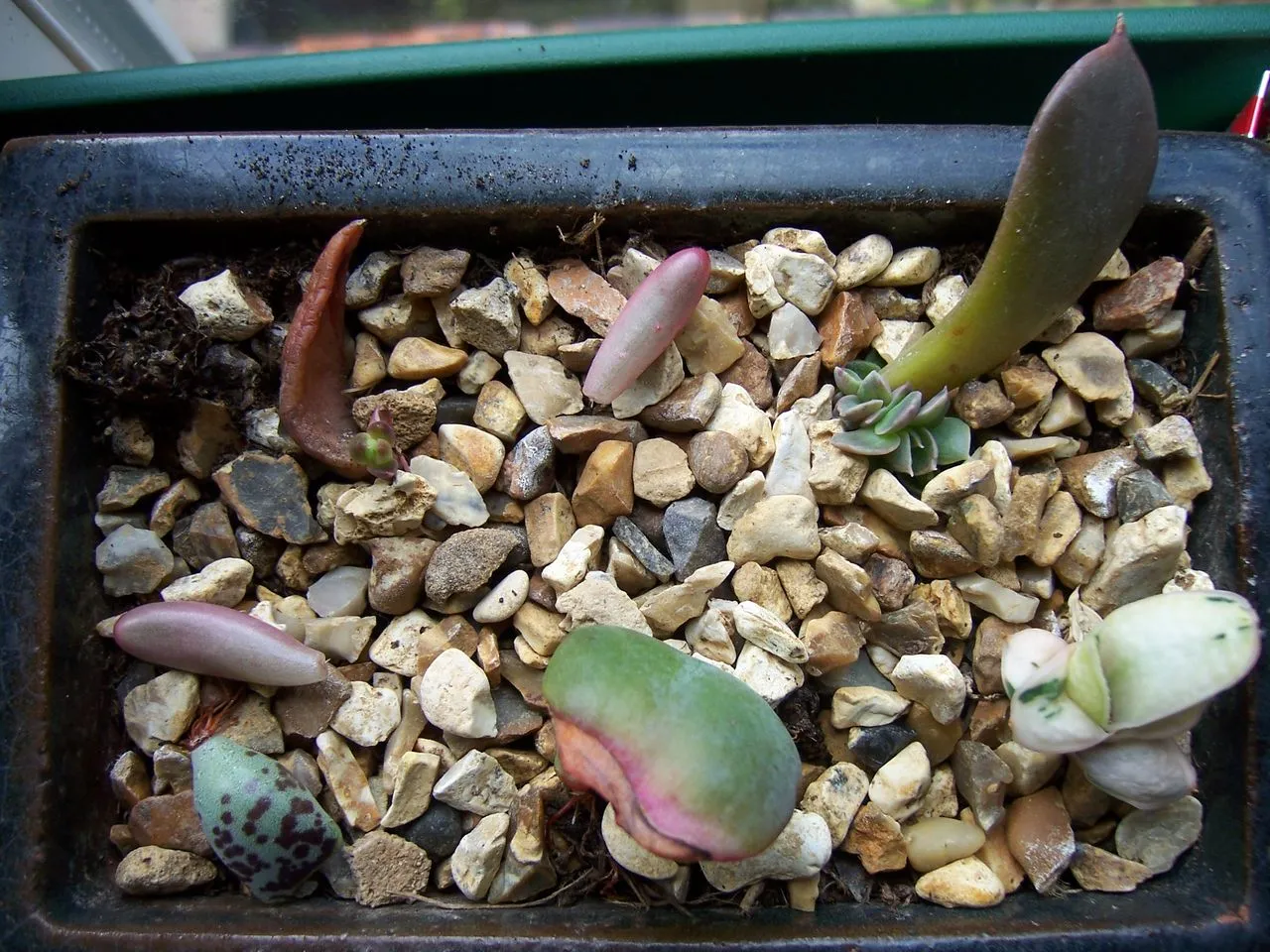
Callusing: Why Cuttings Need Time on the Counter
Callusing seals a succulent cutting wound with suberin and lignin before potting: timing by tissue type, conditions, signs of a clean callus, and rot to avoid.
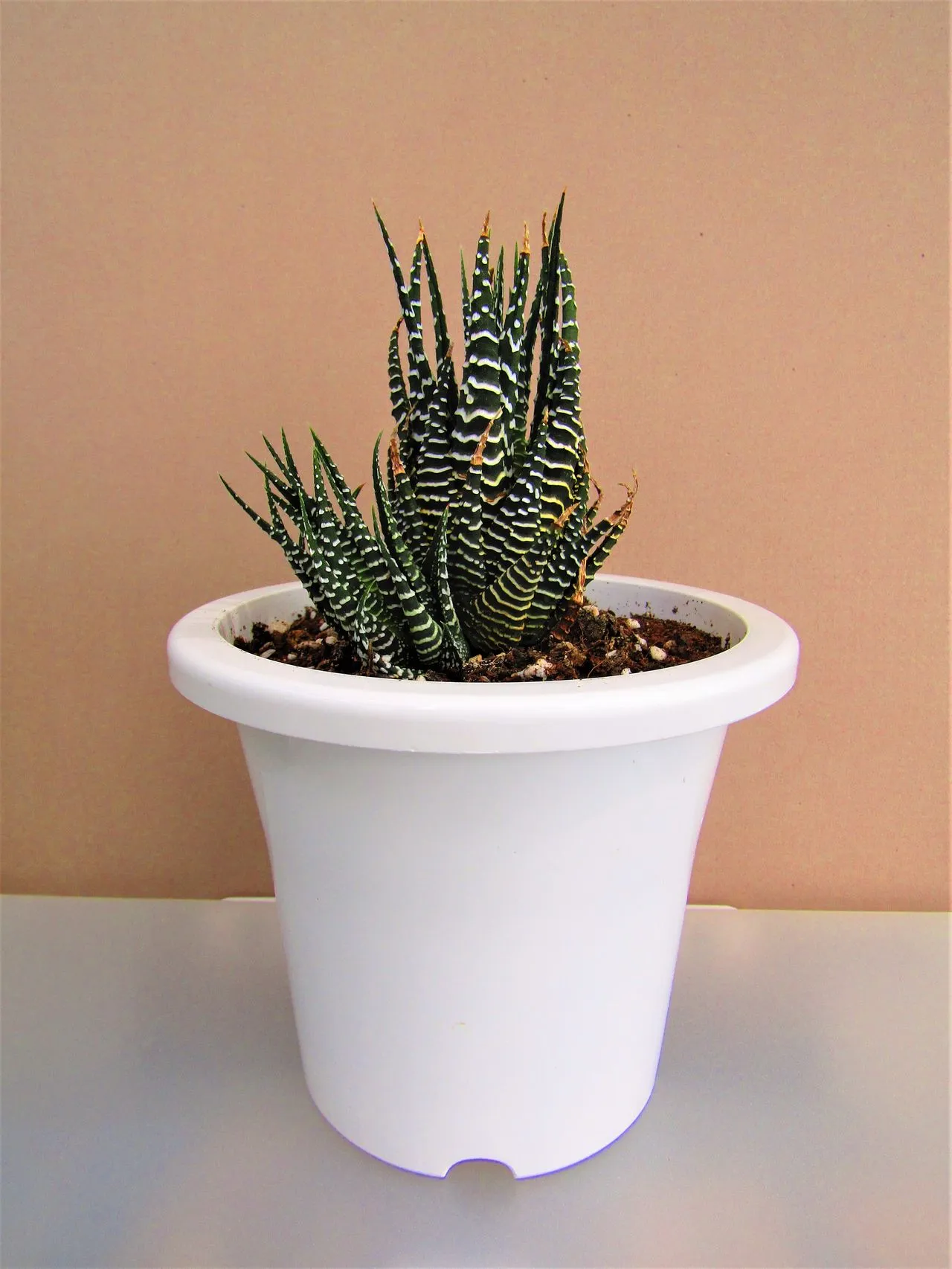
Stem Cuttings: Reliable Propagation for Soft and Woody Stems
Stem cutting propagation for succulents: when to cut, callus timing, mineral rooting mix, genus lengths, weekly signs, and common failure modes to avoid rot.
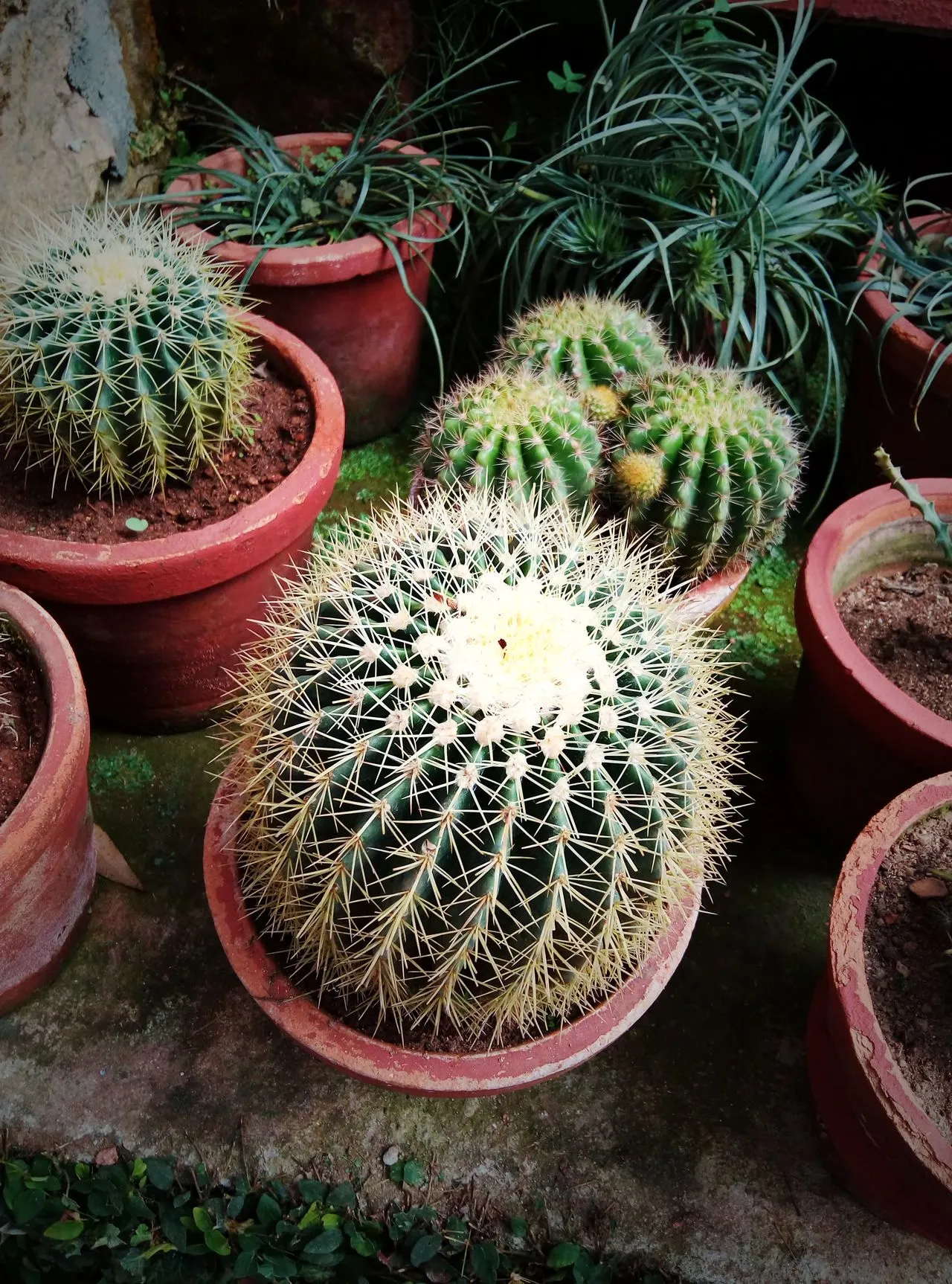
Pot Size Selection: Why Bigger Is Often Worse
Pot interior diameter should sit 1 to 2 cm wider than the rosette, not 5 cm. Oversized pots cause root rot. Sizing rules per growth form with depth notes.
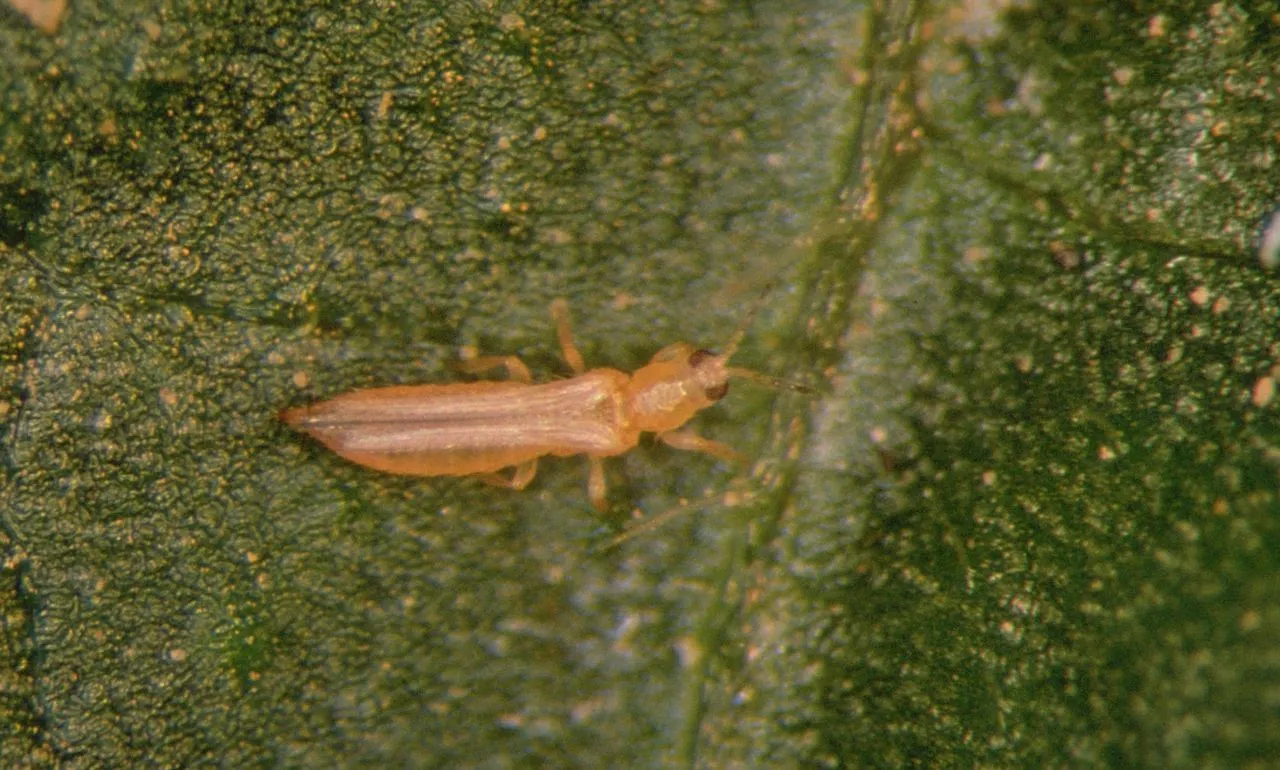
Thrips on Succulents: ID, Damage Pattern & Control
Identify thrips on succulents by silver stippling and black faecal dots, monitor with blue sticky cards, and treat with spinosad or systemic acetamiprid drench.
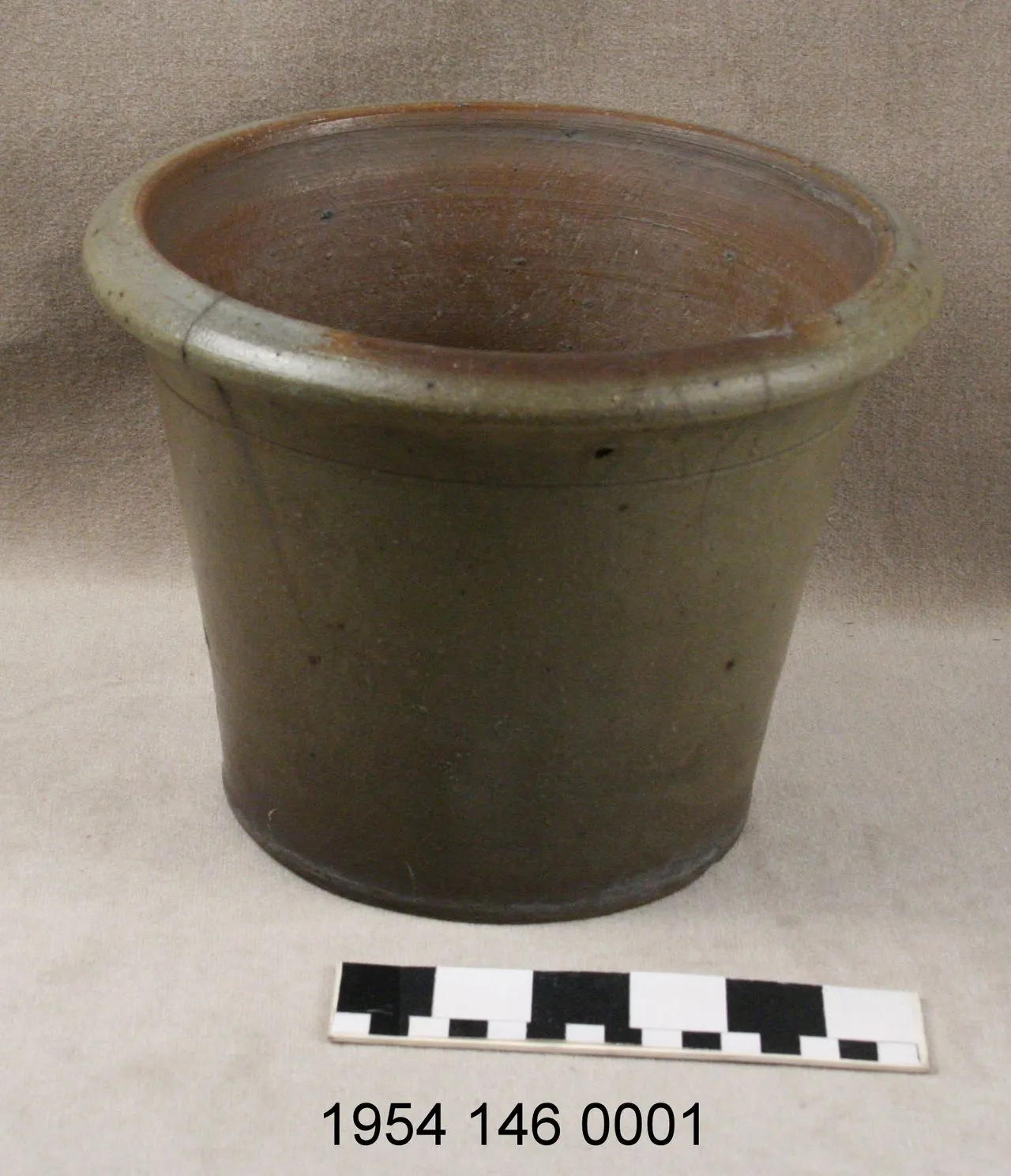
Drainage Holes: Why "Decorative Without Drainage" Kills Succulents
A pot with no drainage hole is a tomb for succulents. Why standing water kills the roots, how to drill safely, hole sizes, the cachepot trick, saucer rules.
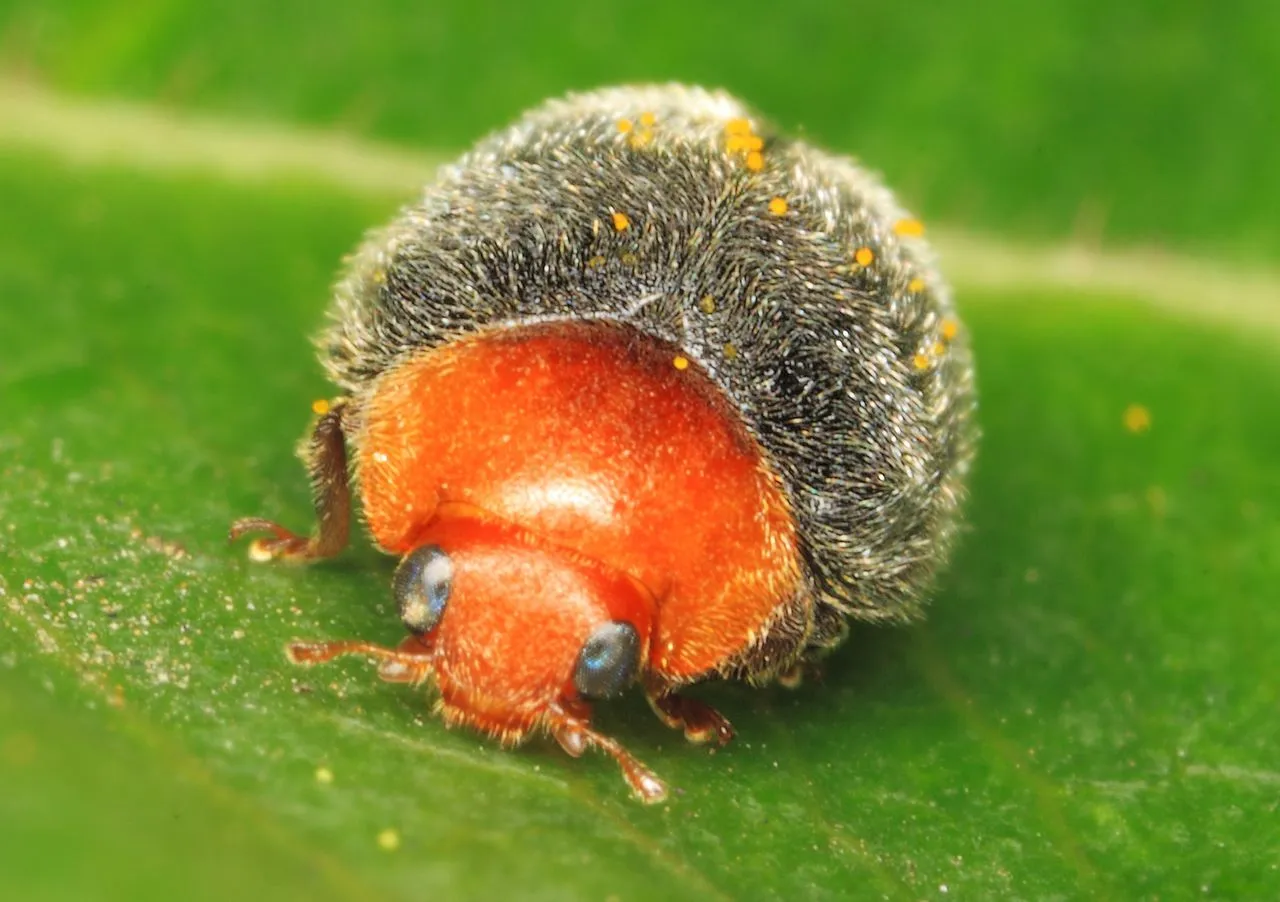
Integrated Pest Management for an Indoor Succulent Collection
How to apply integrated pest management to an indoor succulent collection with cultural, physical, biological, and chemical tiers and a monitoring routine.
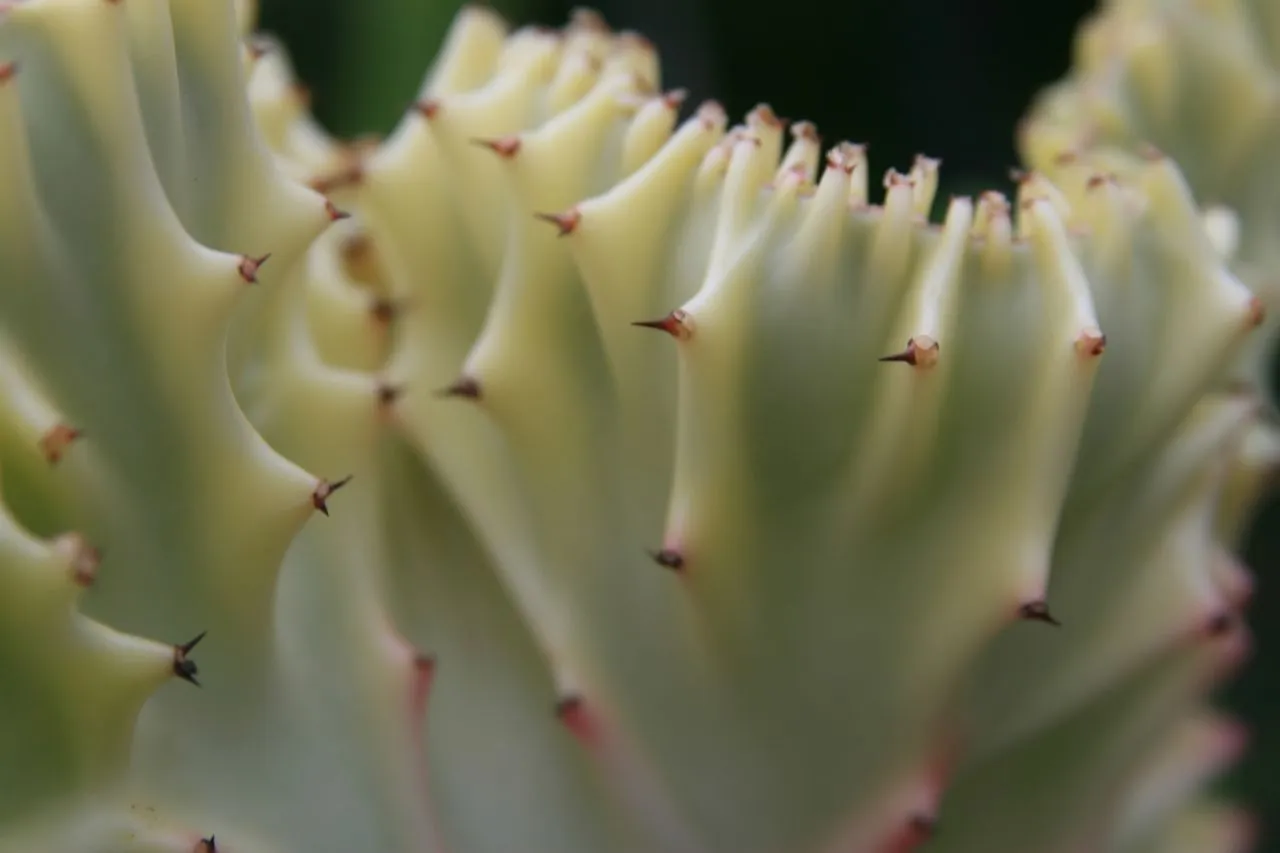
Crested (Cristate) Cacti and Succulents: Genetics & Care
Crested cacti and succulents explained: apical meristem proliferation, genetic vs phytoplasma causes, common cultivars, slow growth, and reversion management.
Edema (Oedema) in Succulents: Causes & Cosmetic Recovery
Diagnose succulent edema, why cool damp mornings and late watering cause corky leaf scars, and how to prevent new blisters without treating it like rot.
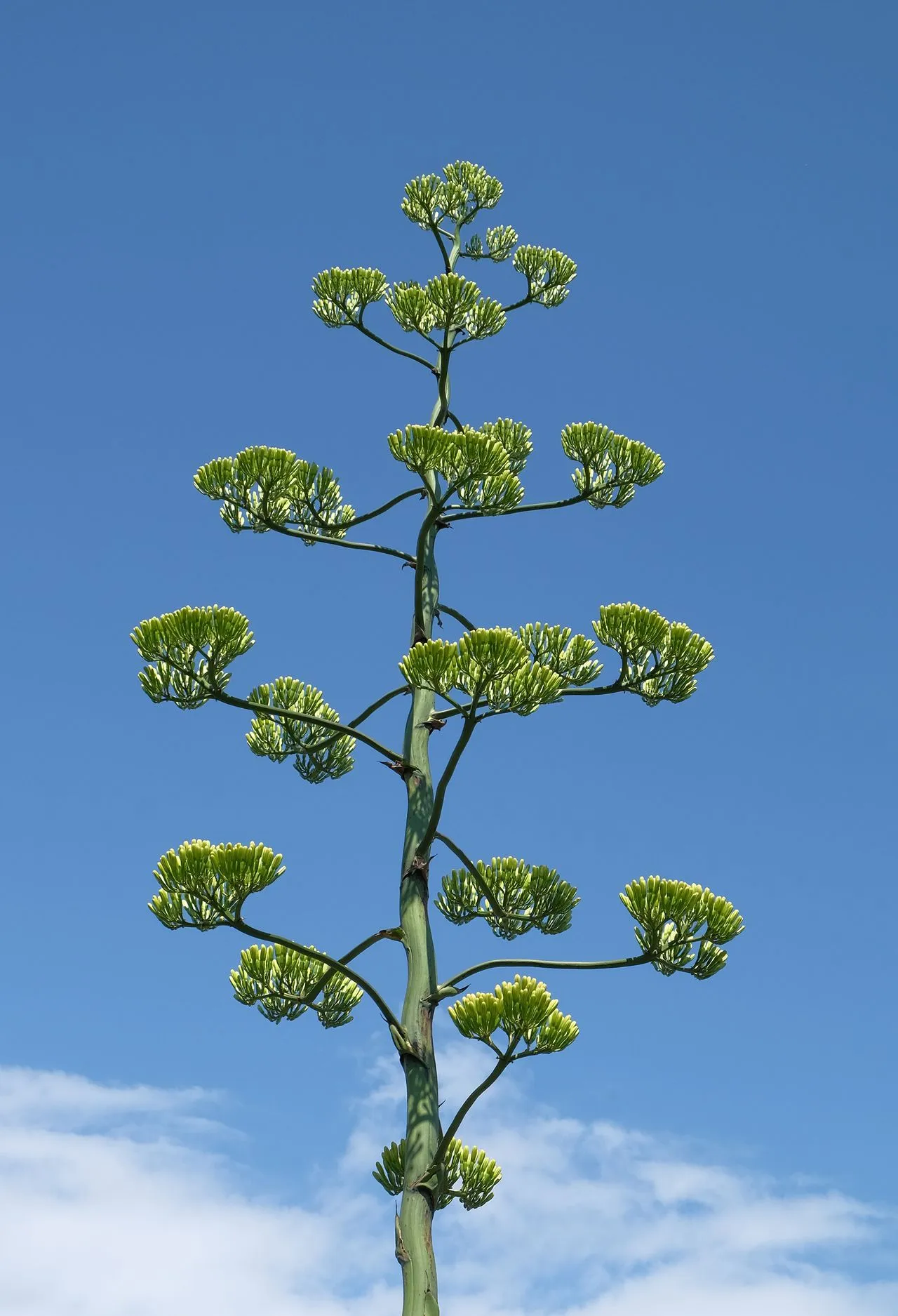
Monocarpic vs Polycarpic Succulents: Which Die After Flowering
Monocarpic vs polycarpic succulents: which species flower once and die, which bloom for decades, recognition of bolting, and collection planning for both.
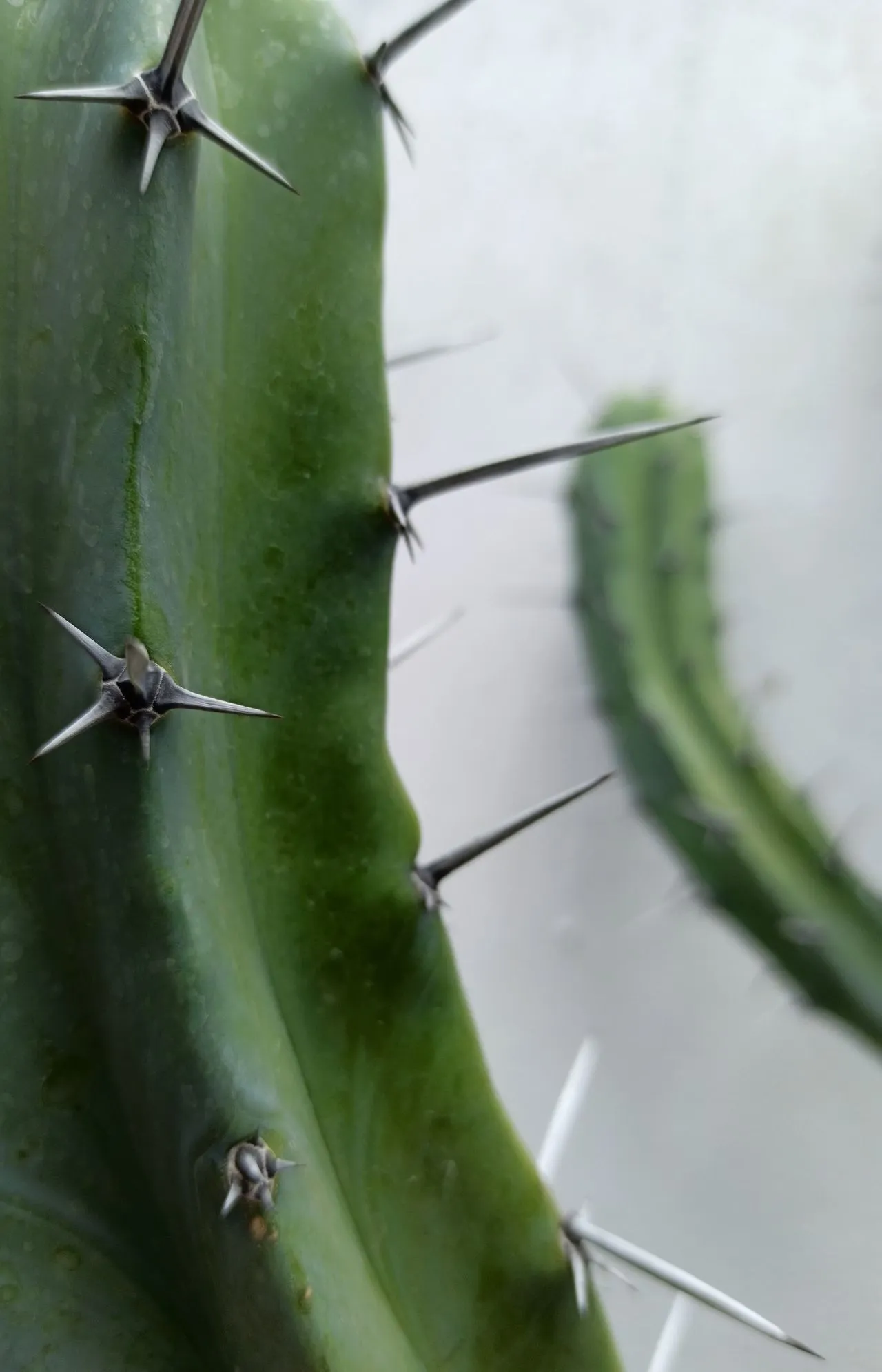
Cactus vs Other Succulents: Where Care Diverges
Cactus vs other succulents: areoles are the diagnostic Cactaceae trait, and care diverges on water, PPFD light intensity, frost tolerance, and feeding.
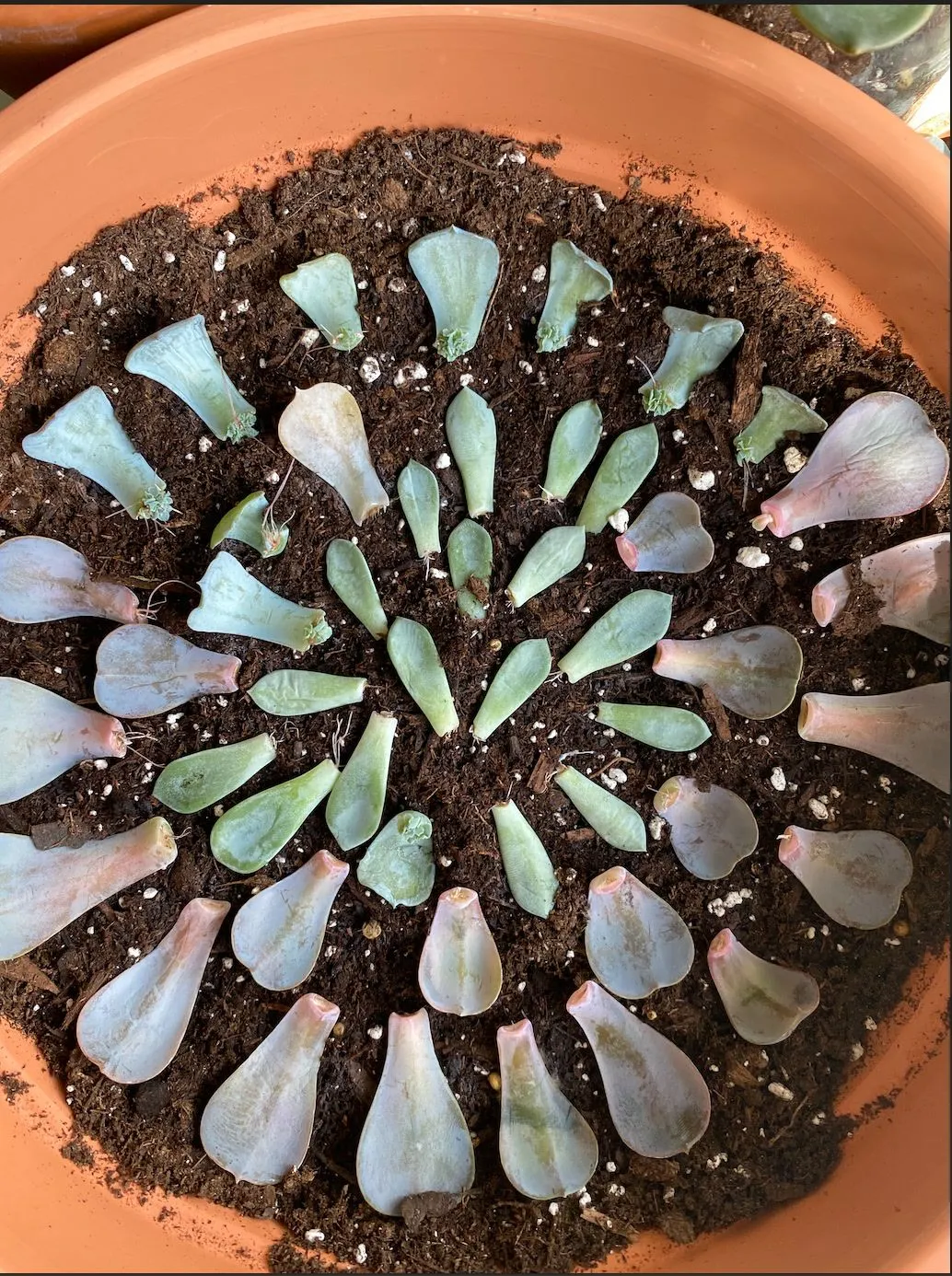
Leaf Propagation: Step-by-Step for Crassulaceae
How to propagate Crassulaceae succulents from leaves: which genera succeed, detachment technique, callus time, tray setup, and what to expect week by week.
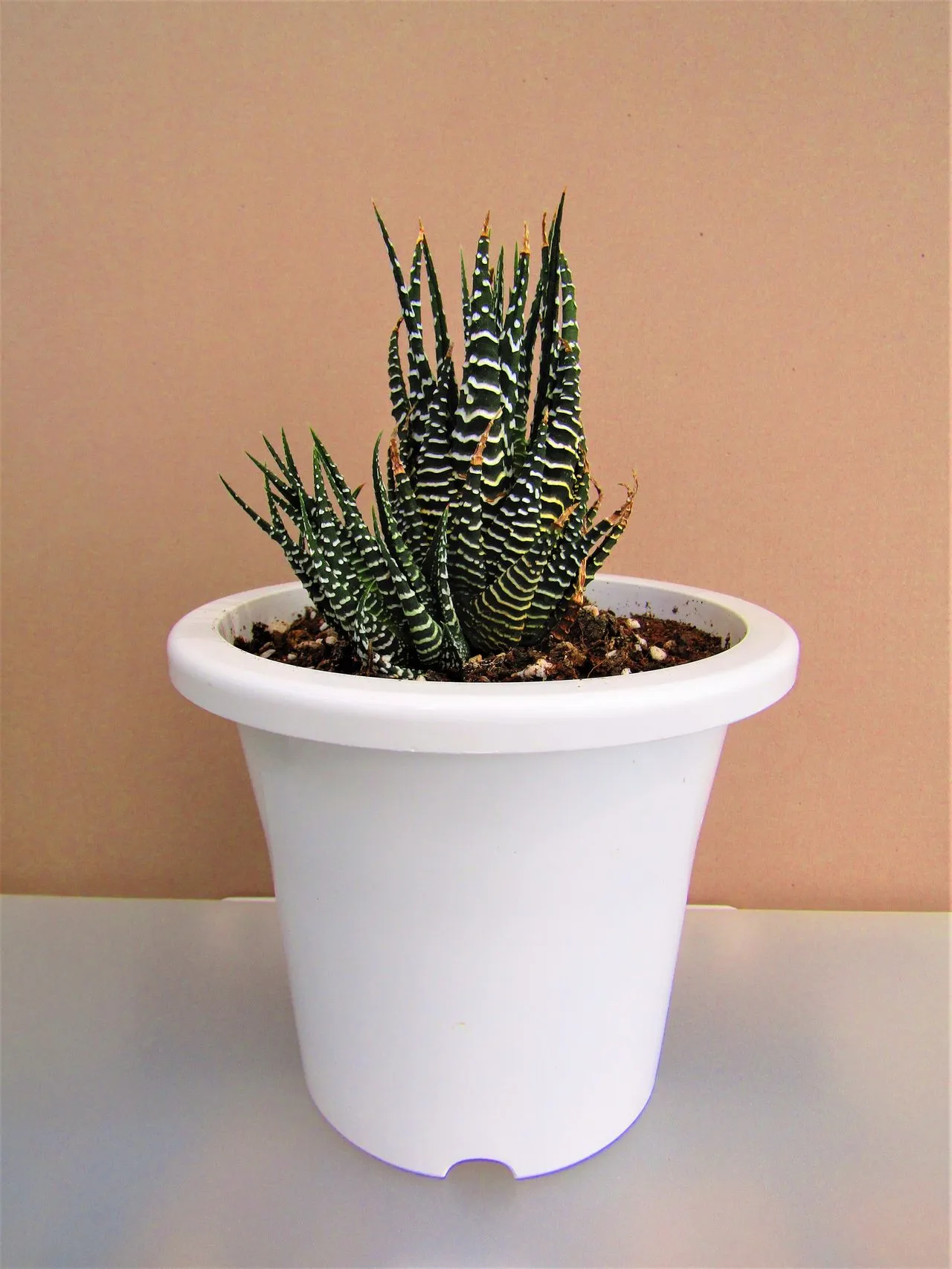
Frost Damage on Succulents: Triage & Recovery
Diagnose succulent frost damage, separate it from edema, sunburn, and soft rot, and use a slow thaw with a 14-21 day watering pause to assess survival.
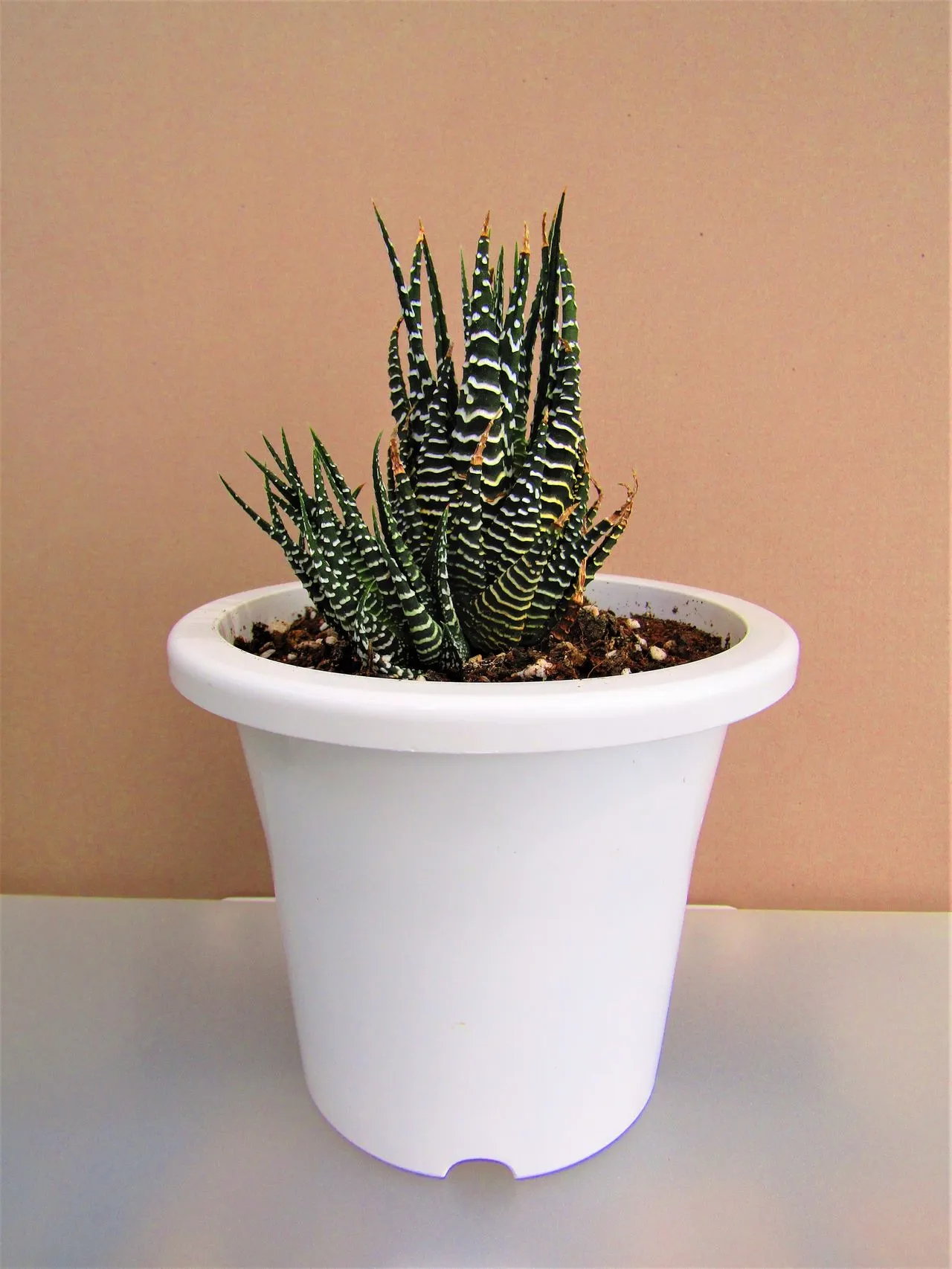
Moisture Meters and Wooden Skewers: Reading Substrate Water
Read substrate moisture for succulents the right way: how cheap analog meters work, why a bamboo skewer often beats them, and when to trust leaf turgor.
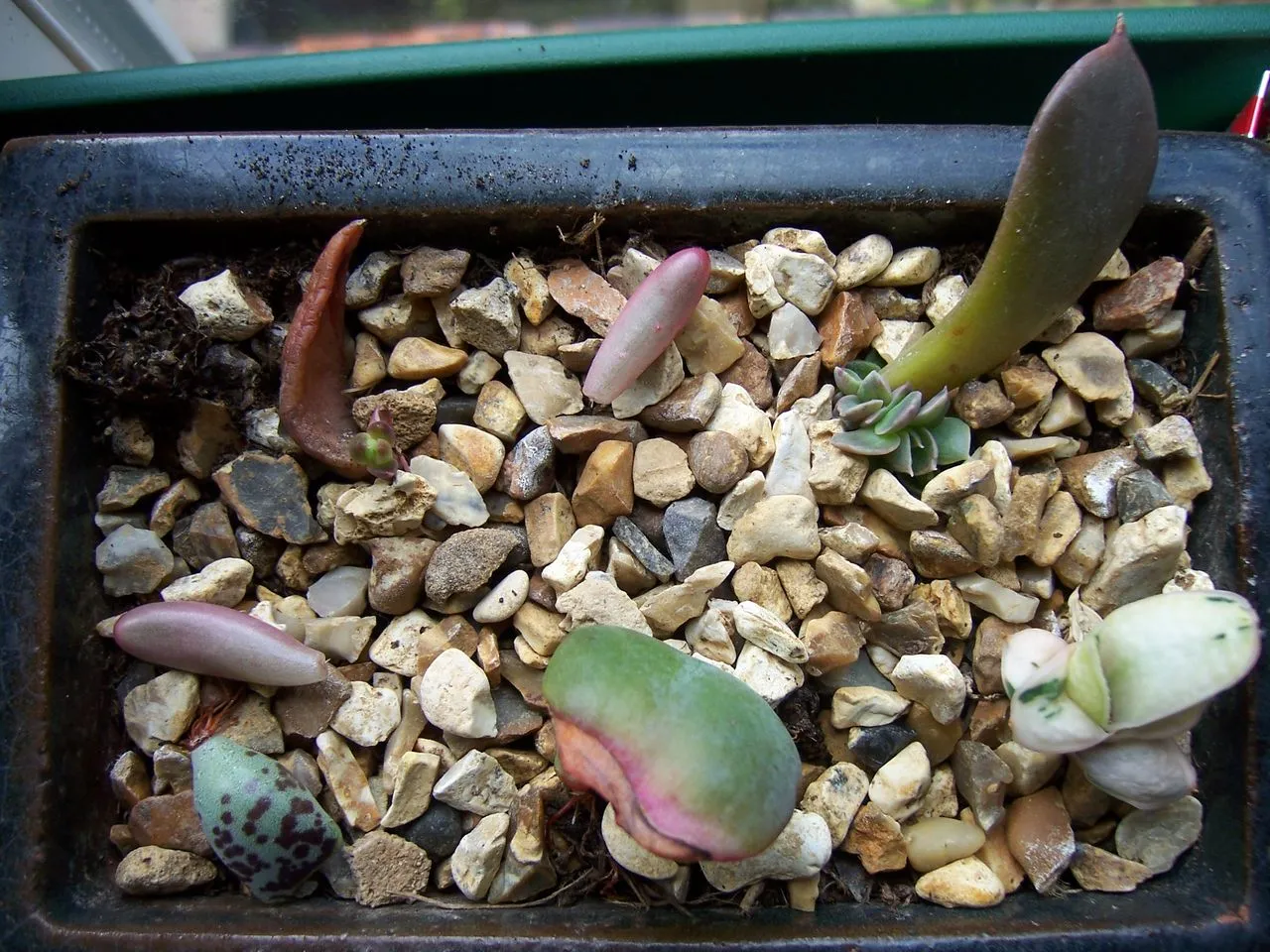
Rooting Hormone: When It Helps Succulents and When It Doesn't
When rooting hormone (IBA, NAA) actually helps succulent propagation, when it doesn't, plus chemistry, correct dosing, and how to apply to callused cuts.
Top-Dressing Materials: Function and Aesthetics
Top-dressing layers suppress fungus gnats, block algae, lift the crown above moisture, and finish display pots. Compare pumice, sand, lava, and pebbles.
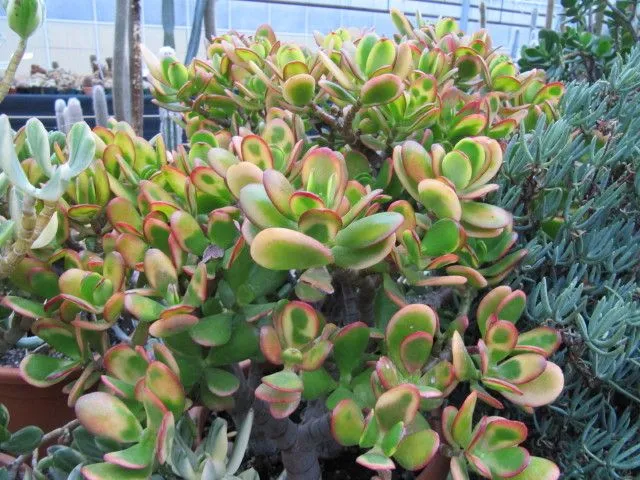
Variegation: Stable Cultivars vs Chimeric Drift
Variegated succulents: genetic vs chimeric pigment loss, stable cultivars vs unstable forms, light needs, reversion window, and how prices reflect stability.
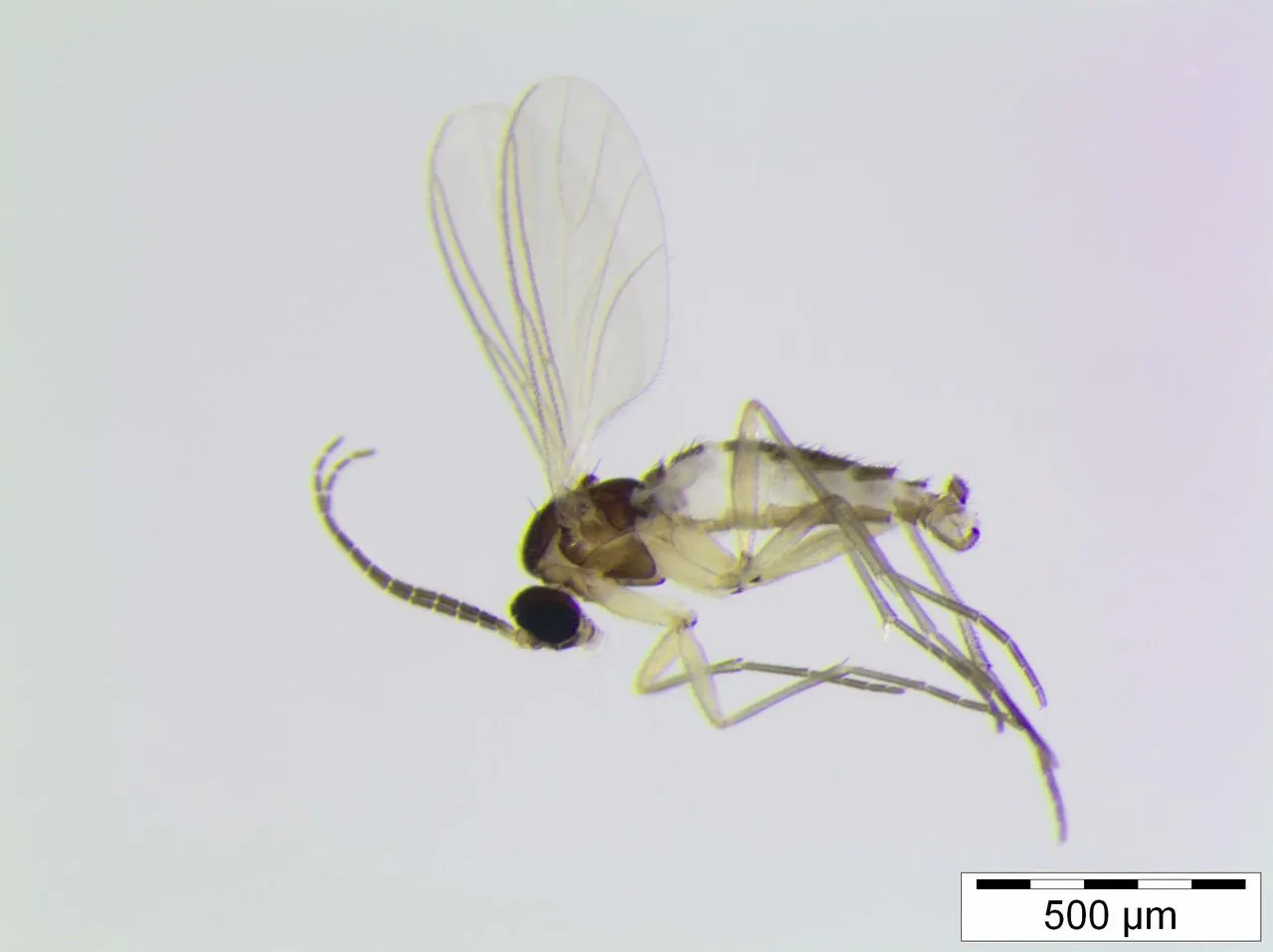
Fungus Gnats on Succulents: Adult ID, Larval Damage & Eradication
Identify fungus gnats on succulents by adult flight and larvae, then fix wet substrate with mineral mix, Bti drenches, grit barriers, and watering habits.
Root Rot in Succulents: Diagnosis, Causes & Recovery
How to spot, diagnose, and rescue a succulent with Phytophthora or Pythium root rot, from the first leaf signs to the final recovery cut and prevention.
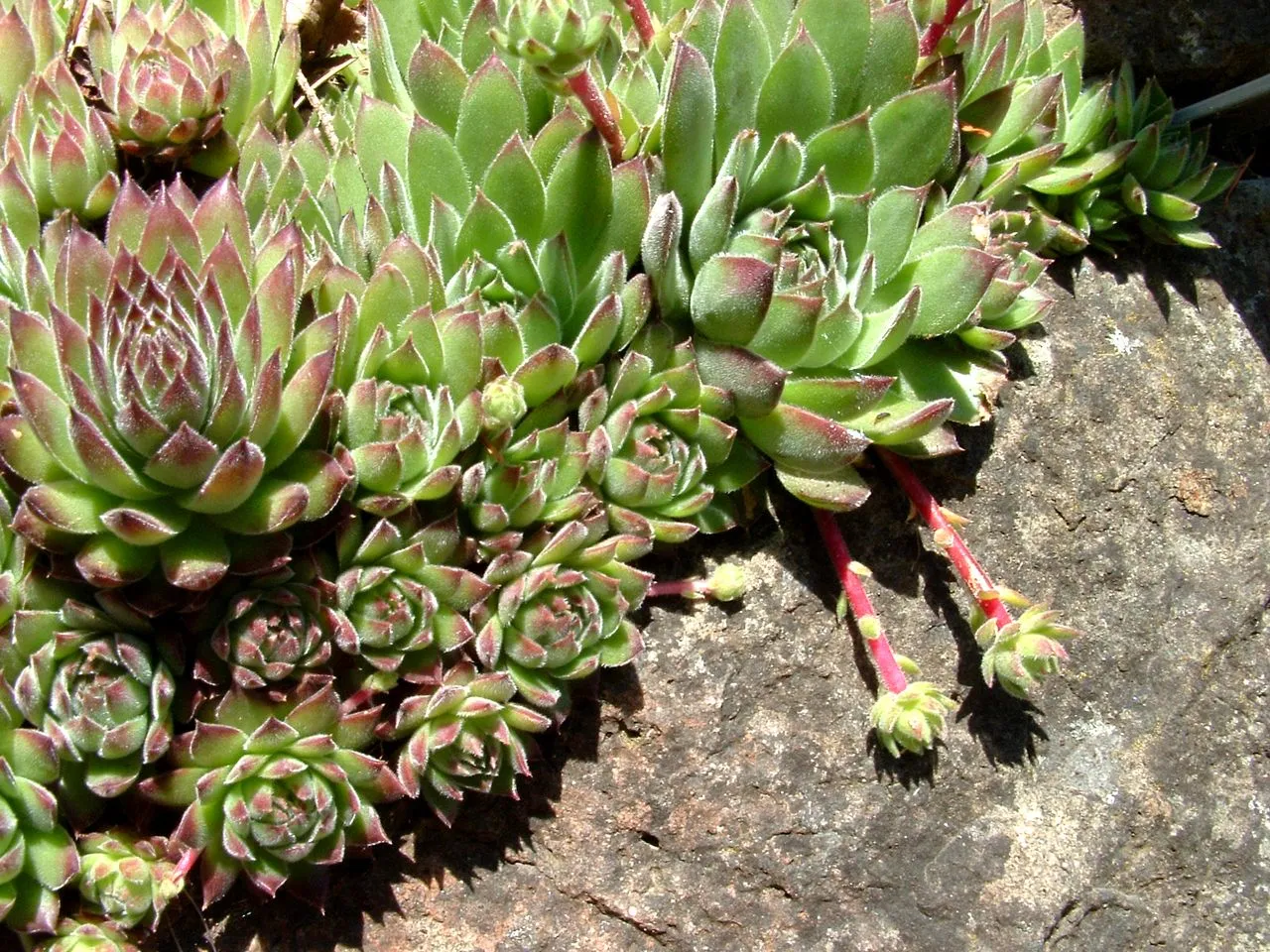
Echeveria vs Sempervivum: How to Tell Them Apart
Echeveria versus Sempervivum: how to tell the two rosette-forming Crassulaceae apart by monocarpy, hardiness, flower form, stolons, leaf bloom, and size.
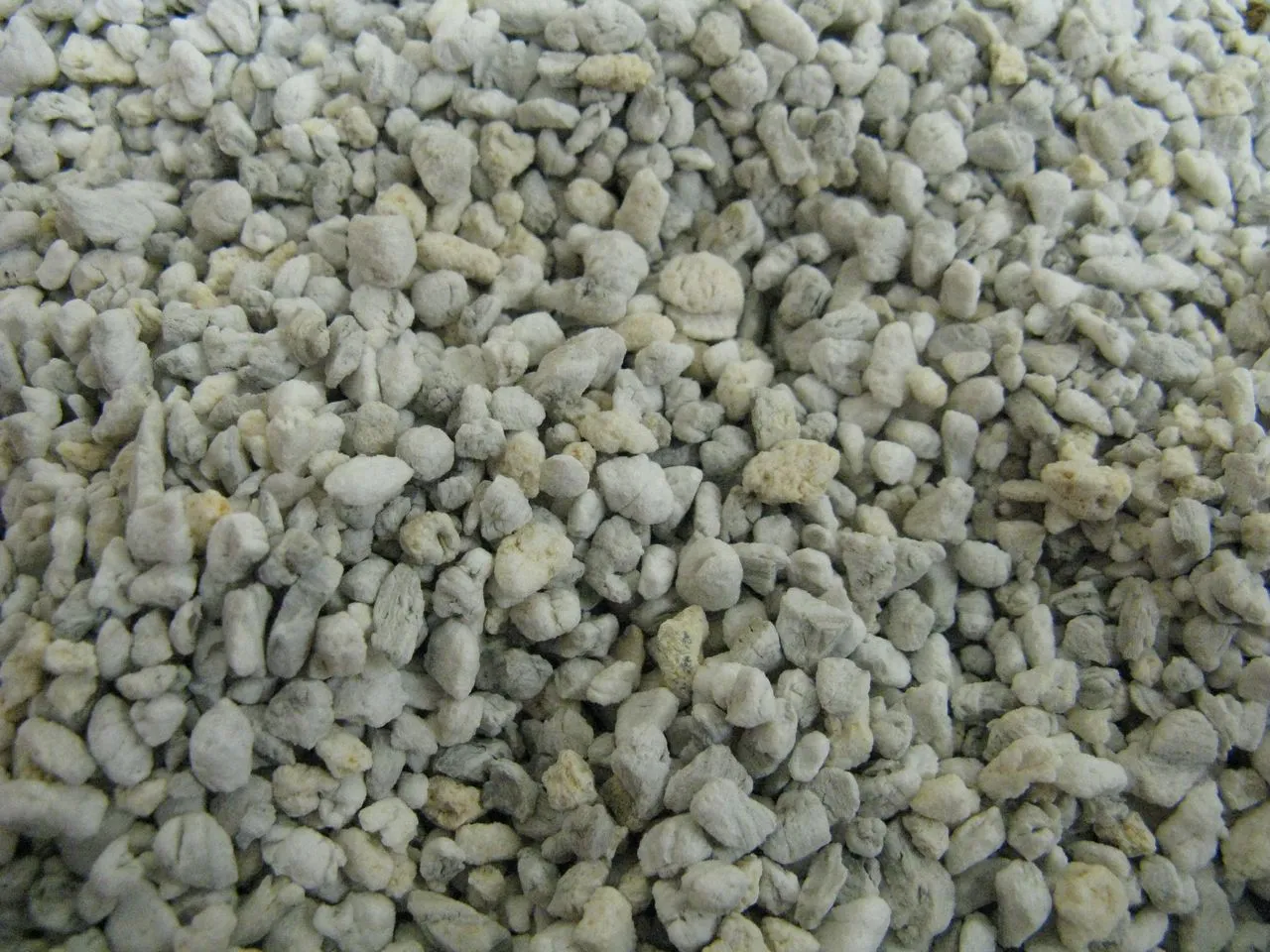
Pumice vs Perlite: Which One, When, and Why
Pumice or perlite for succulents? Compare density, particle size, durability, price, and best use cases so your mineral substrate works hard and lasts.
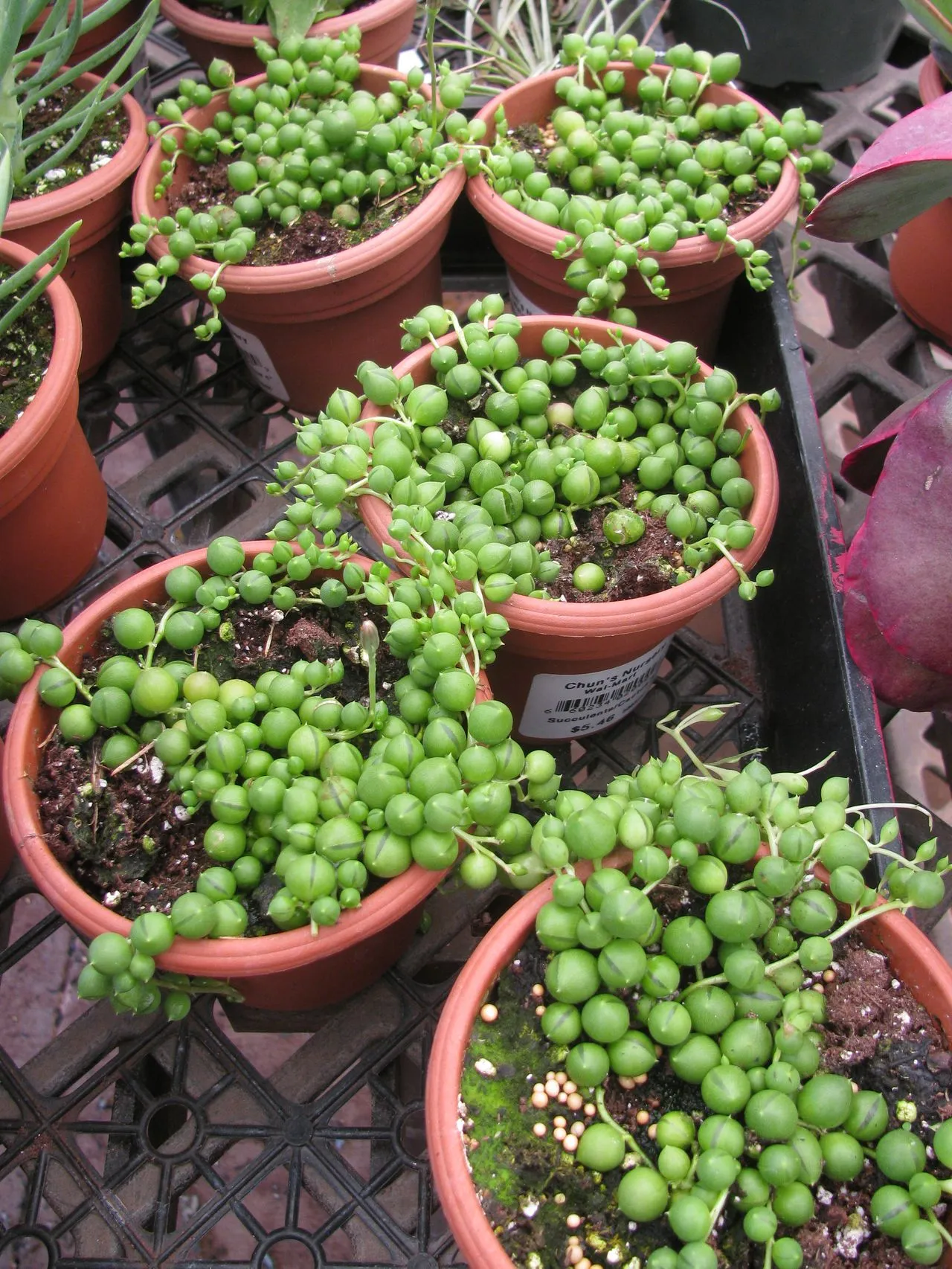
Senecio vs Curio: A Nomenclature Update for Trailing Succulents
Senecio or Curio for string of pearls? The molecular split moved succulent senecios into Curio. Both names are valid in trade, search either when buying.
Mealybugs on Succulents: ID, Lifecycle & Eradication
How to identify mealybugs on succulents by species, understand their lifecycle, and eradicate them with isopropyl spot treatment or systemic imidacloprid.
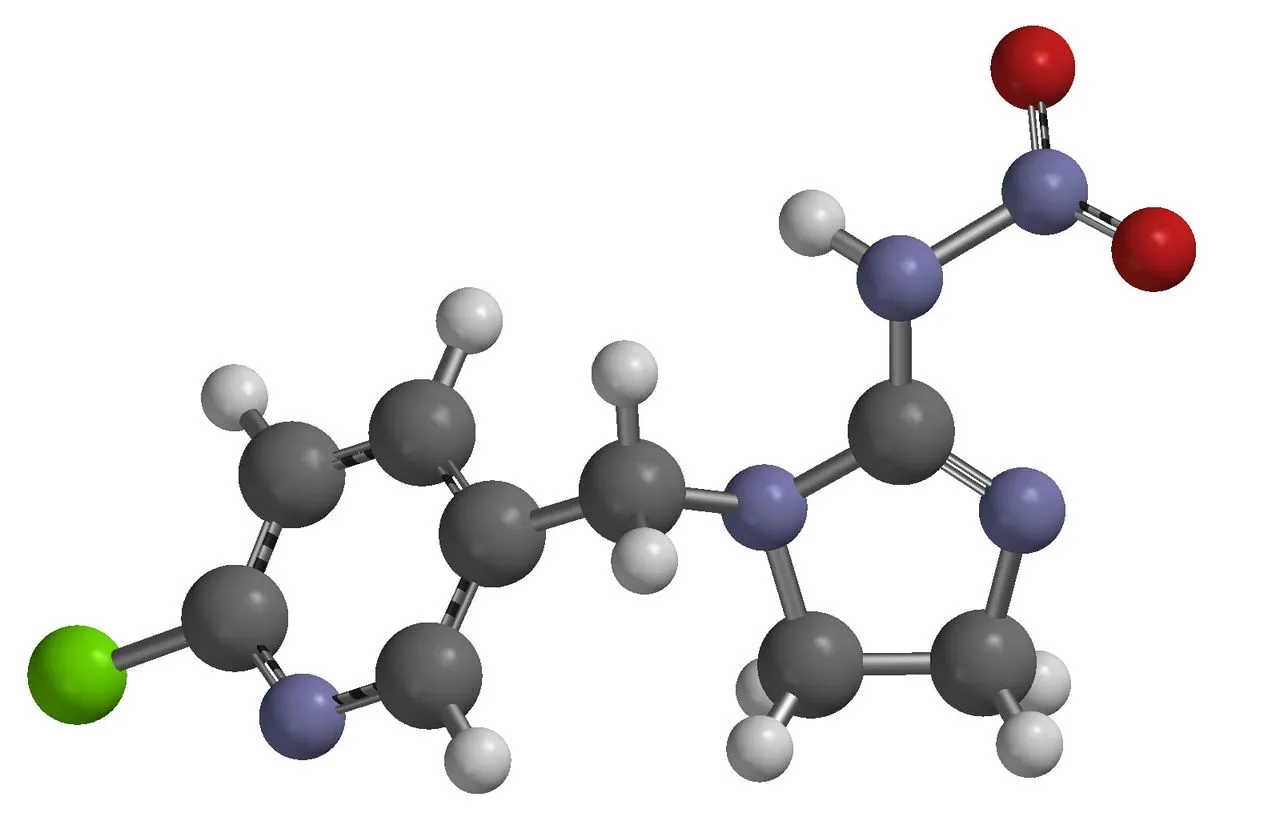
Systemic Insecticides on Succulents: When to Reach for Them
How systemic insecticides work, when imidacloprid or acetamiprid drenches make sense for succulent collections, and why they should not be your default tool.
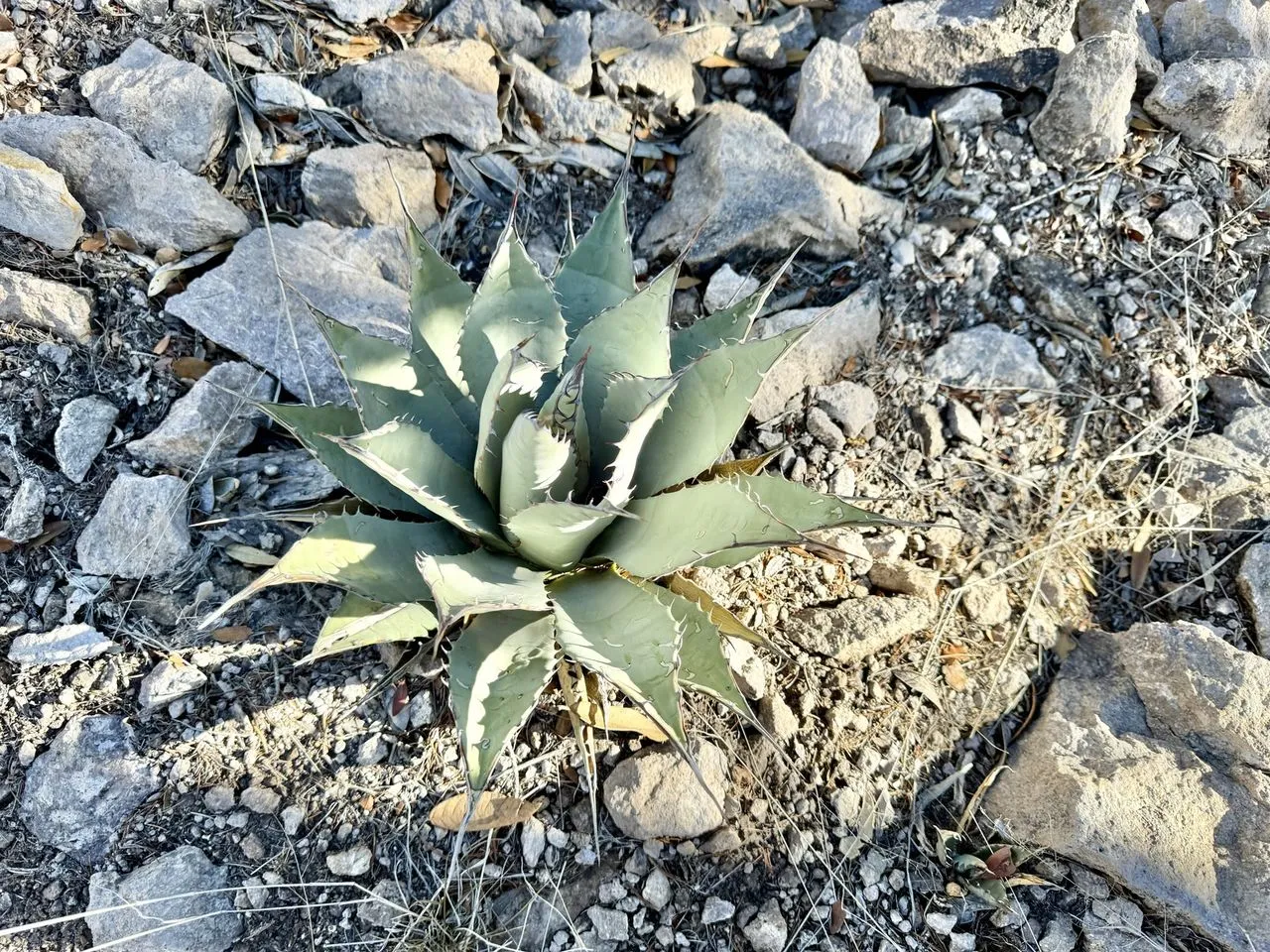
Mexican vs African vs Madagascan Succulents: Geography Matters
Mexican, African, and Madagascan succulents need different seasons and dormancy patterns. Sort your collection by origin or you lose plants each winter.
Winter Watering: When Most Succulents Want Almost Nothing
Winter watering for succulents follows a near-zero rule for dormant collections, with sharp reversals for Aeonium and Aizoaceae that grow during cool months.
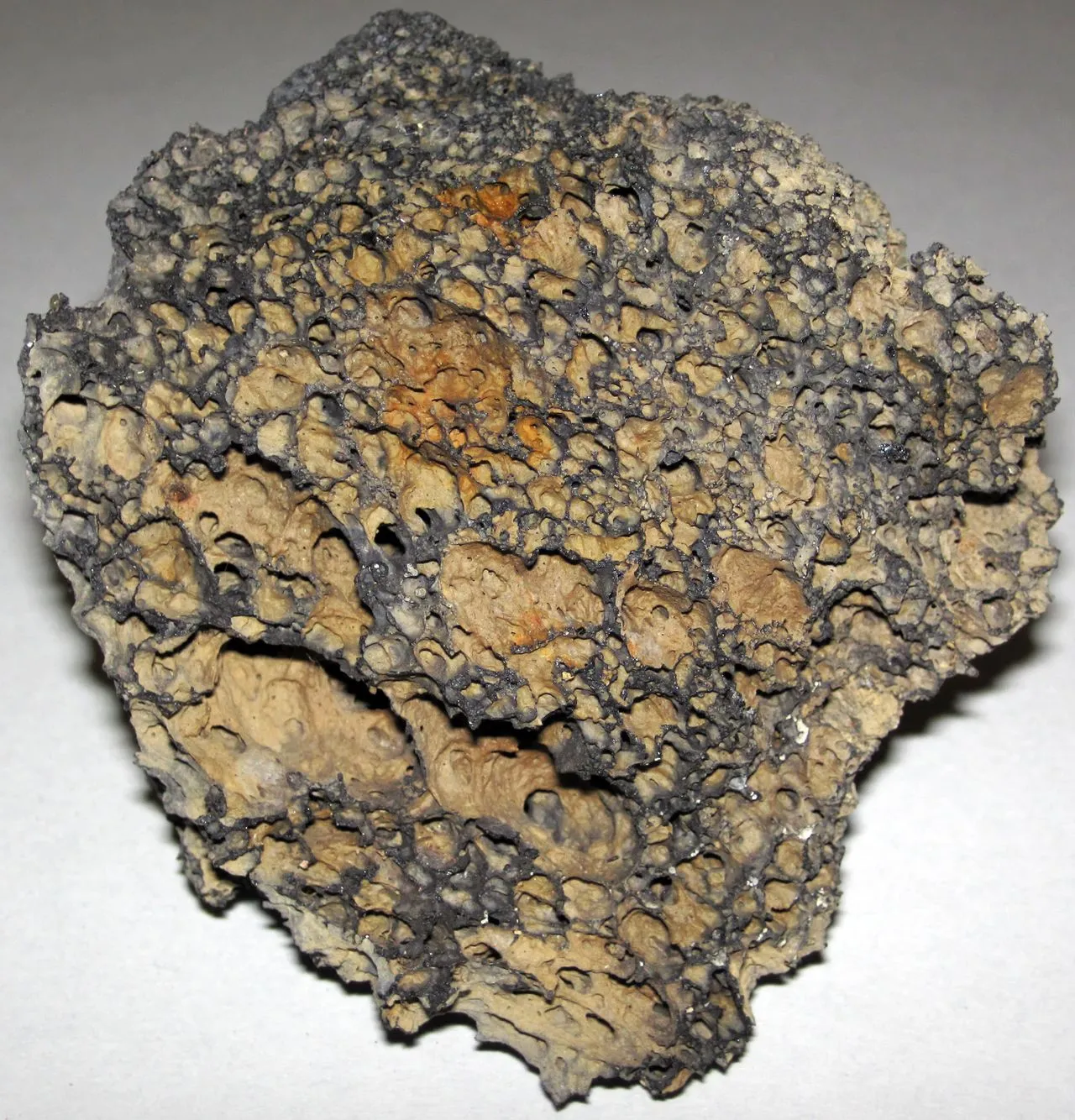
Lava Rock as a Succulent Substrate Component
Lava rock is dense, porous volcanic scoria used in succulent substrate. Compare density, water-holding, lifespan, and price against pumice for adult pots.
Crassula vs Sedum: Telling the Stem Patterns Apart
Crassula versus Sedum: how to tell them apart by leaf arrangement, flower form, leaf shape, stem habit, and growth rate, with edge cases and trade mix-ups.
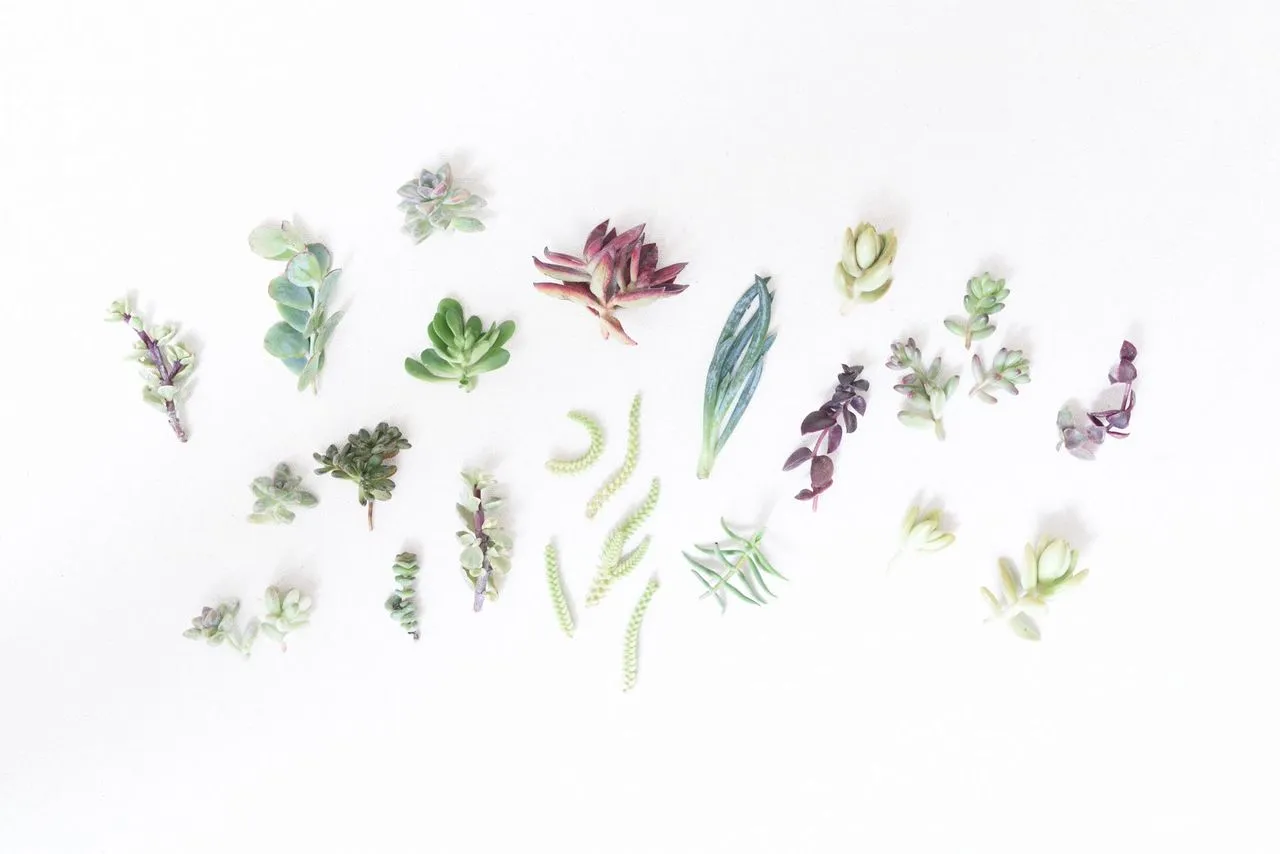
Beheading: Saving an Etiolated or Rot-Affected Rosette
How to behead a stretched or rot-affected succulent rosette, callus the head safely, root it in pumice, and manage the stump without spreading rot indoors.
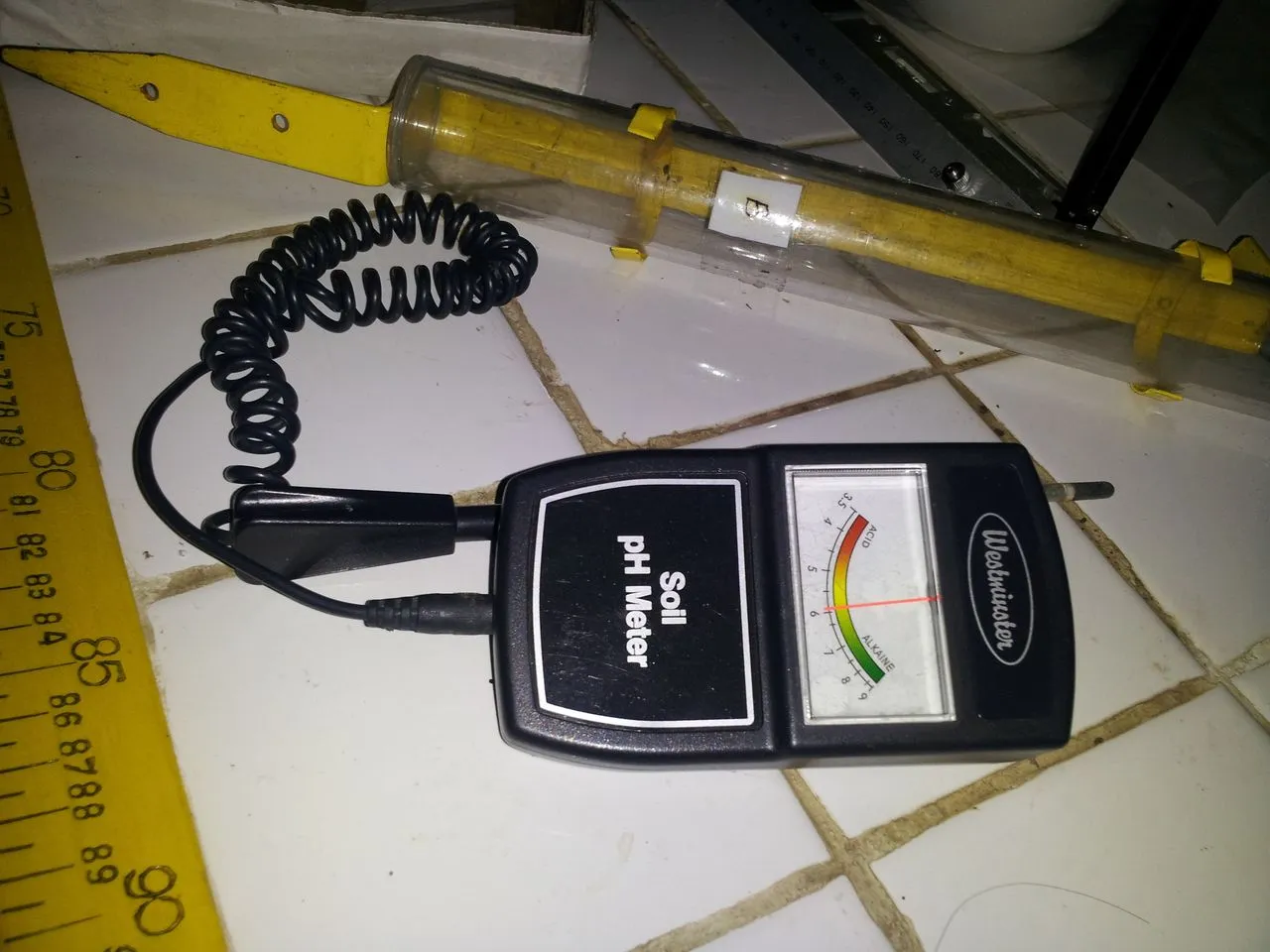
Substrate pH: Why It Matters Less Than Drainage (And When It Doesn't)
Substrate pH for succulents matters less than drainage in most cases. Learn the safe range, when pH causes nutrient lockout, and how to test it properly.
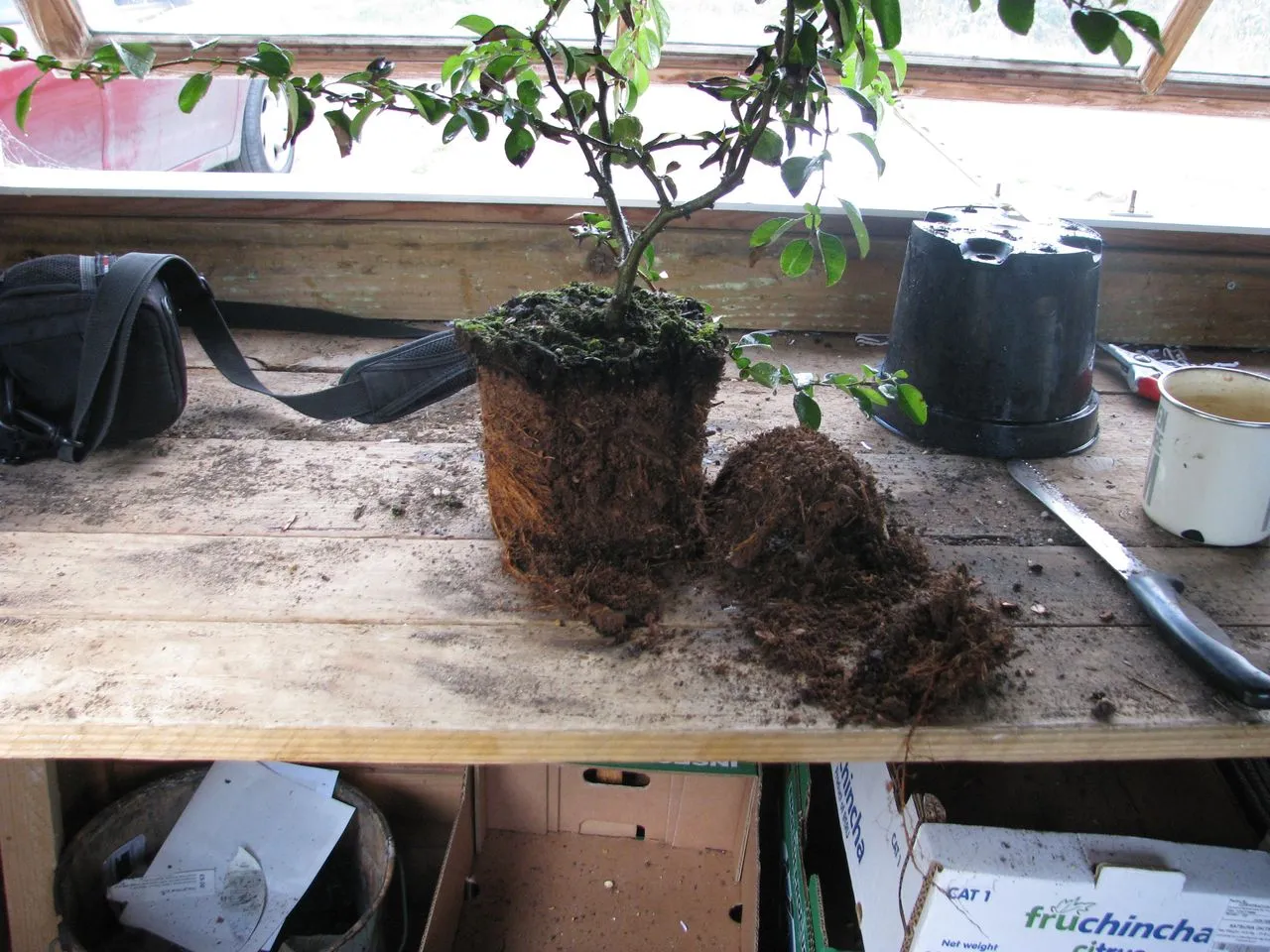
Mixing Your Own Succulent Substrate: Recipe by Genus
Recipes for mixing your own succulent substrate by genus, with mineral percentages from 50 to 100, plus sterilisation and storage notes for each component.
John Innes Loam and Succulents: When to Use It
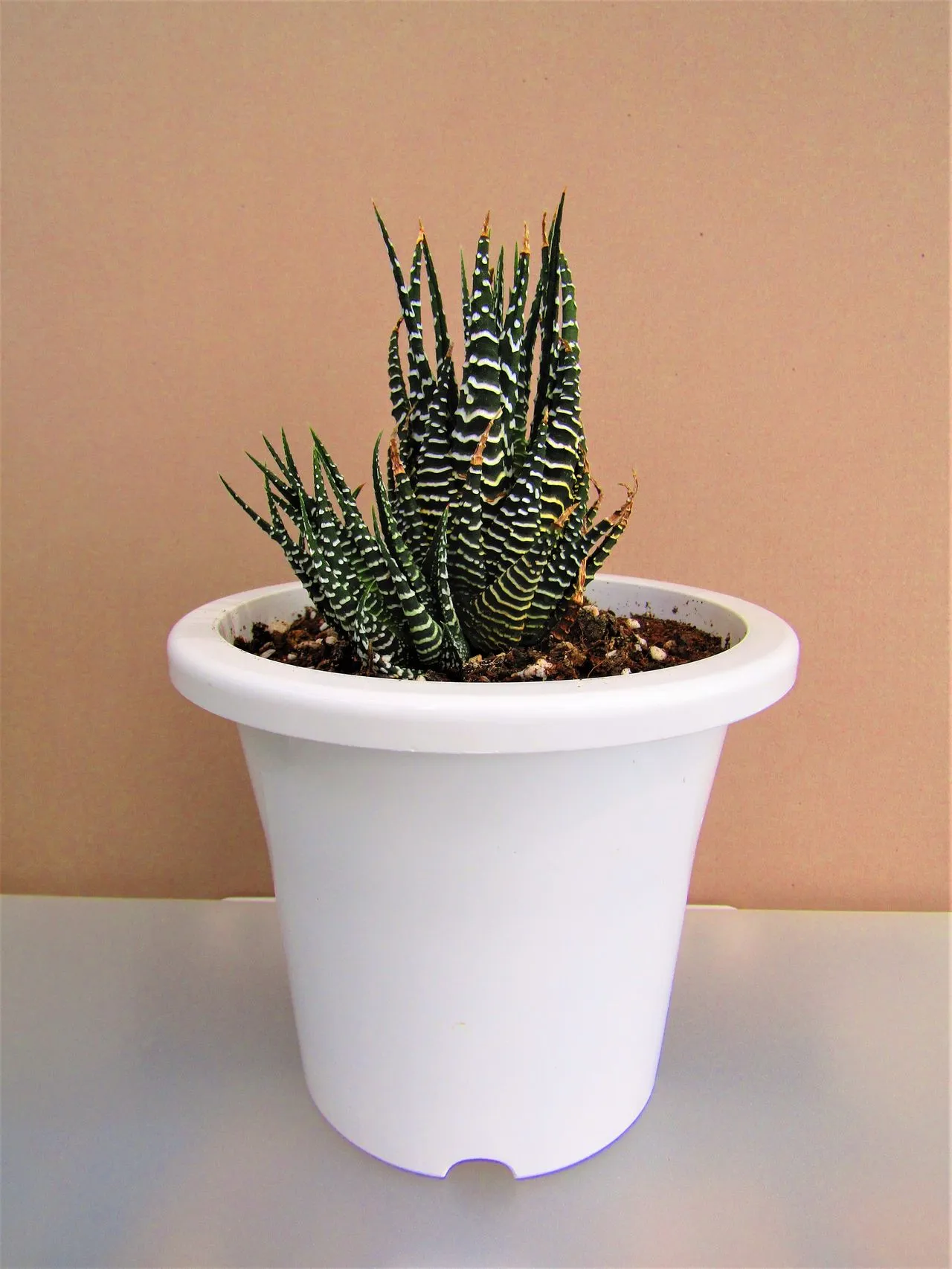
John Innes loam compost rots most succulents when used straight. Where the No.2 and No.3 formulations earn a place at 30 to 50 percent of a mineral mix.
Akadama in Succulent Mixes: Bonsai Substrate, Tested
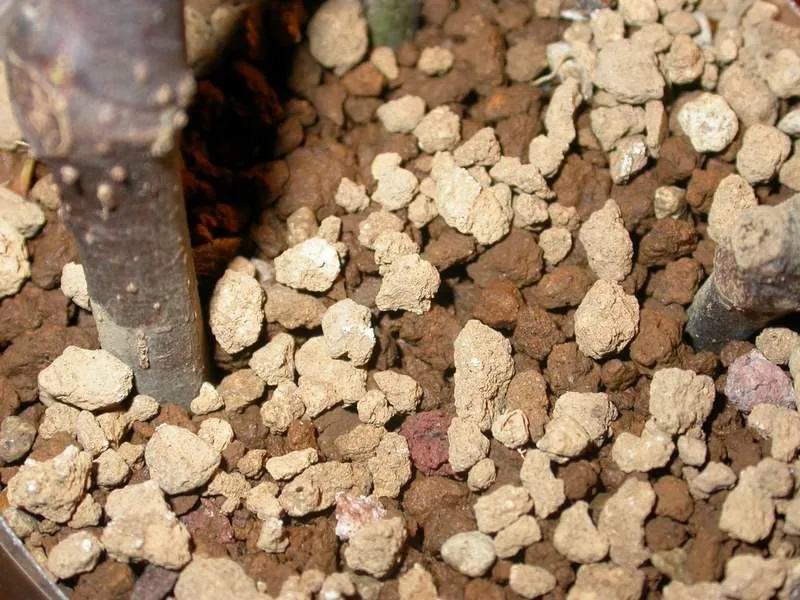
Akadama is a porous Japanese volcanic clay from bonsai practice. It works for select succulent species, but pumice is cheaper and longer-lasting for most pots.
CAM Photosynthesis: Why Succulents Open Stomata at Night
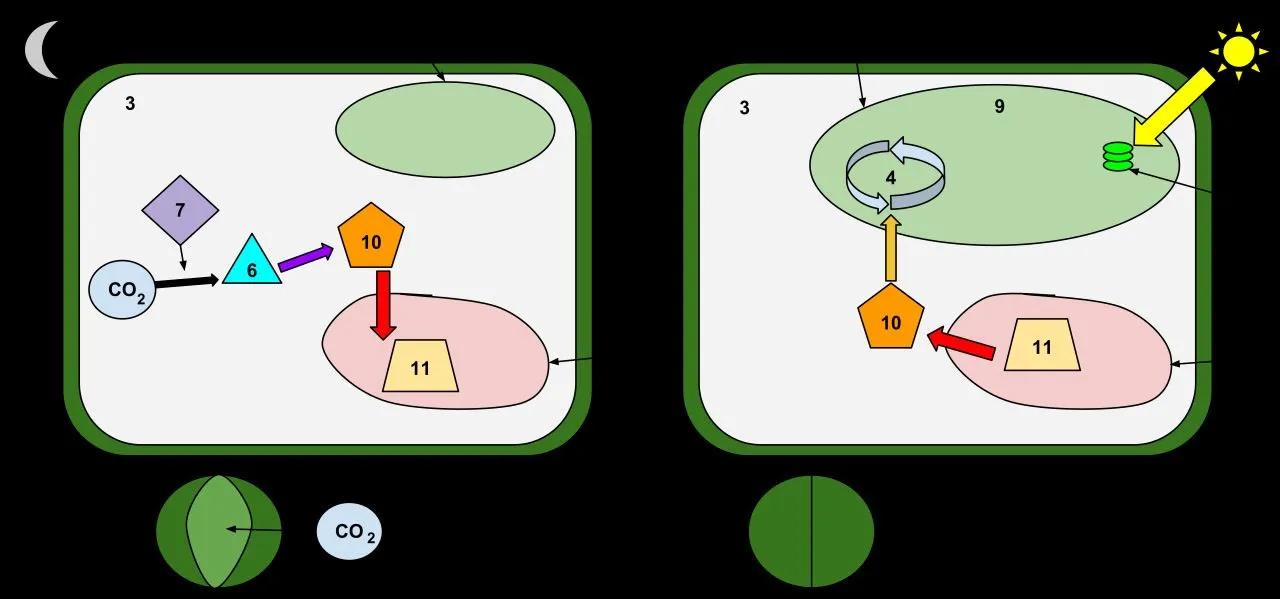
How CAM photosynthesis lets succulents fix carbon at night, store malic acid by morning, and run gas exchange with three to six times the water efficiency.
When to Repot a Succulent: Signs From the Plant, Not the Calendar
Repot succulents based on plant signals like fast dry-out, root-mass crowding, and salt crust, not on a calendar rule, with seasonal timing and clean procedure.
Hardening Off: Moving Succulents Outdoors in Spring
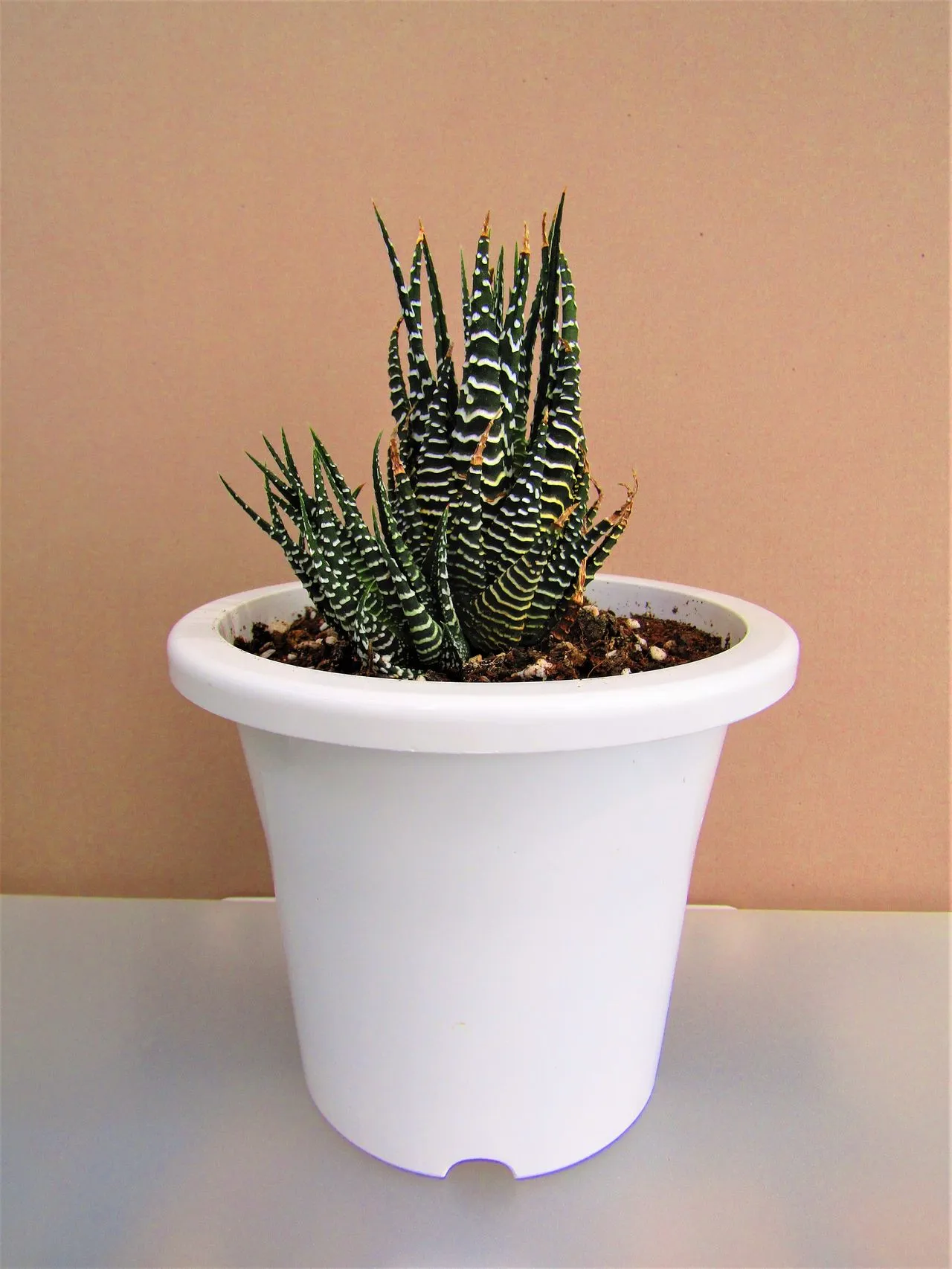
Move indoor or greenhouse succulents outside without shock. A 14-day step protocol covering sun, wind, and night temperatures with a reverse plan for autumn.
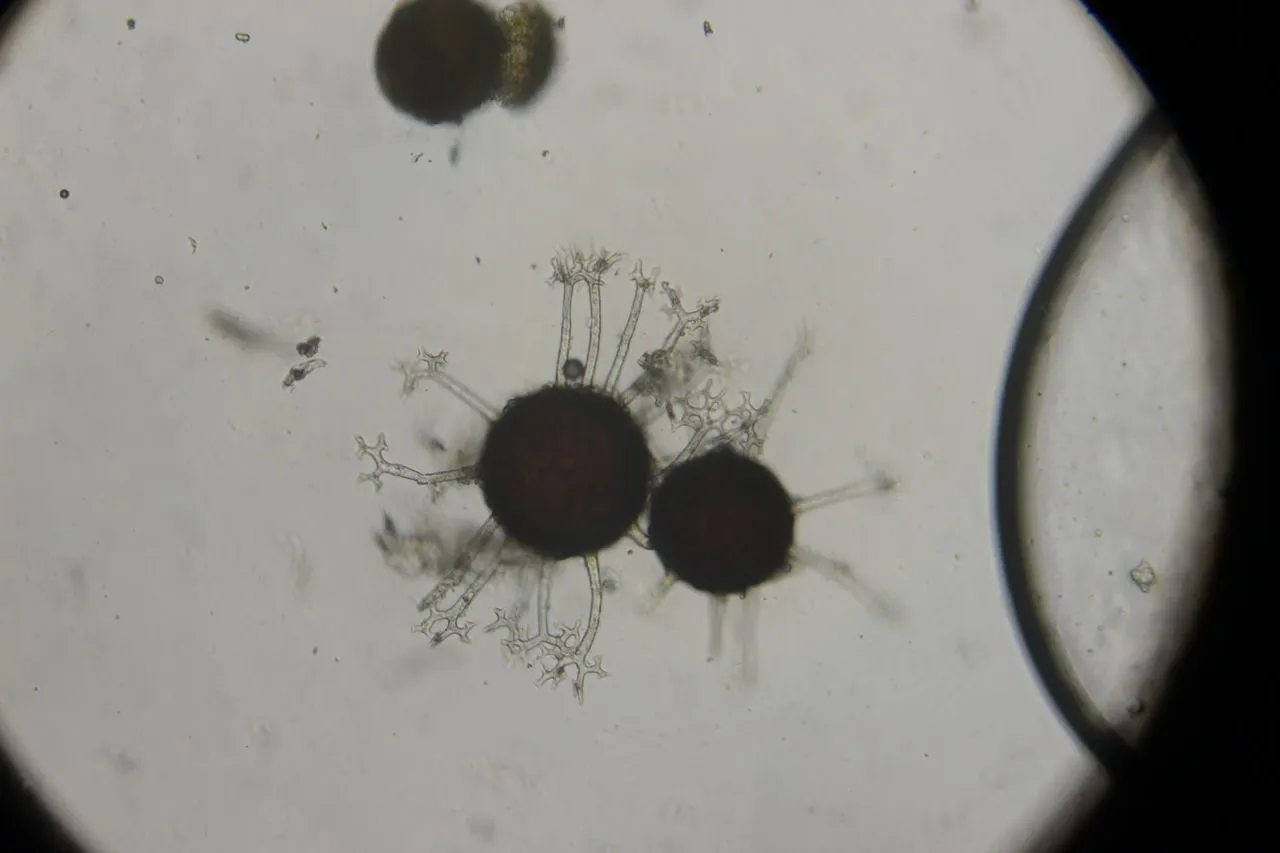
Powdery Mildew: Why Succulents Sometimes Catch It
Identify powdery mildew on succulents, why dry indoor air with still pockets lets Erysiphe and Podosphaera colonise jade and Cotyledon, plus airflow fixes.
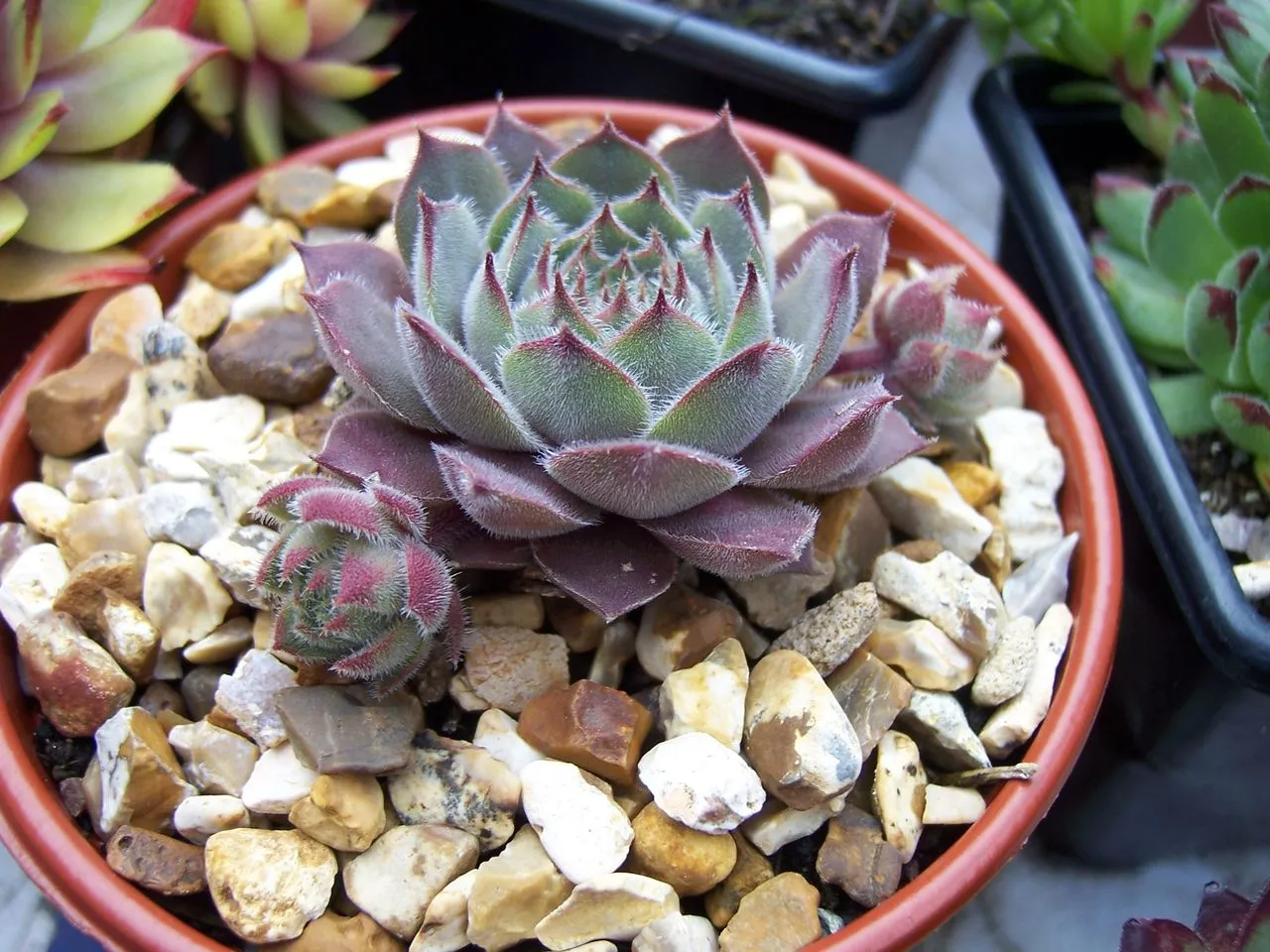
Dividing Succulents: When the Crown Outgrows the Pot
How to divide crowded succulent clumps safely: timing, tolerant genera, root handling, callus time, pot size, and aftercare without rot indoors at home.
Water Quality for Succulents: Tap, Rain, RO, Distilled
Compare tap, rain, RO, and distilled water for succulents, with EC ranges, hard-water spotting, salt buildup, and flushing advice for healthy potted plants.
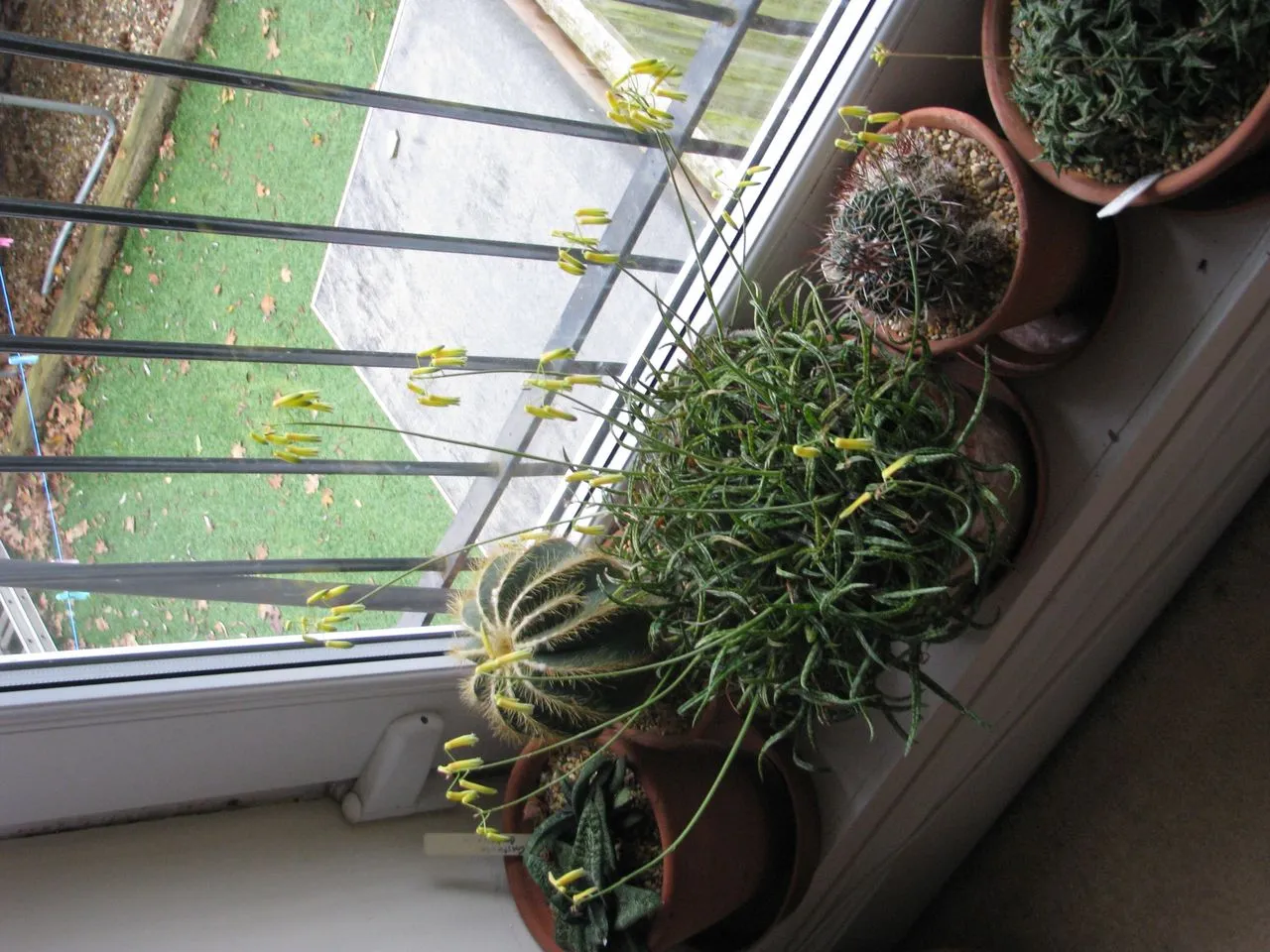
Light Acclimation: Moving a Succulent Without Sunburn
How to move a succulent into brighter light over 14 days using PPFD targets and step ratios, with genus adjustments for Aloe, Echeveria, and Kalanchoe.
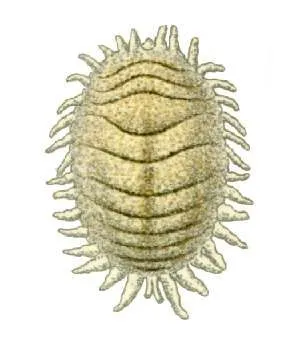
Root Mealybugs: The Hidden Pest of Succulents
Identify hidden root mealybugs in succulents, spot the underwatering mimic, and treat safely with rinsing, alcohol soak, fresh mix, and follow-up drenches.
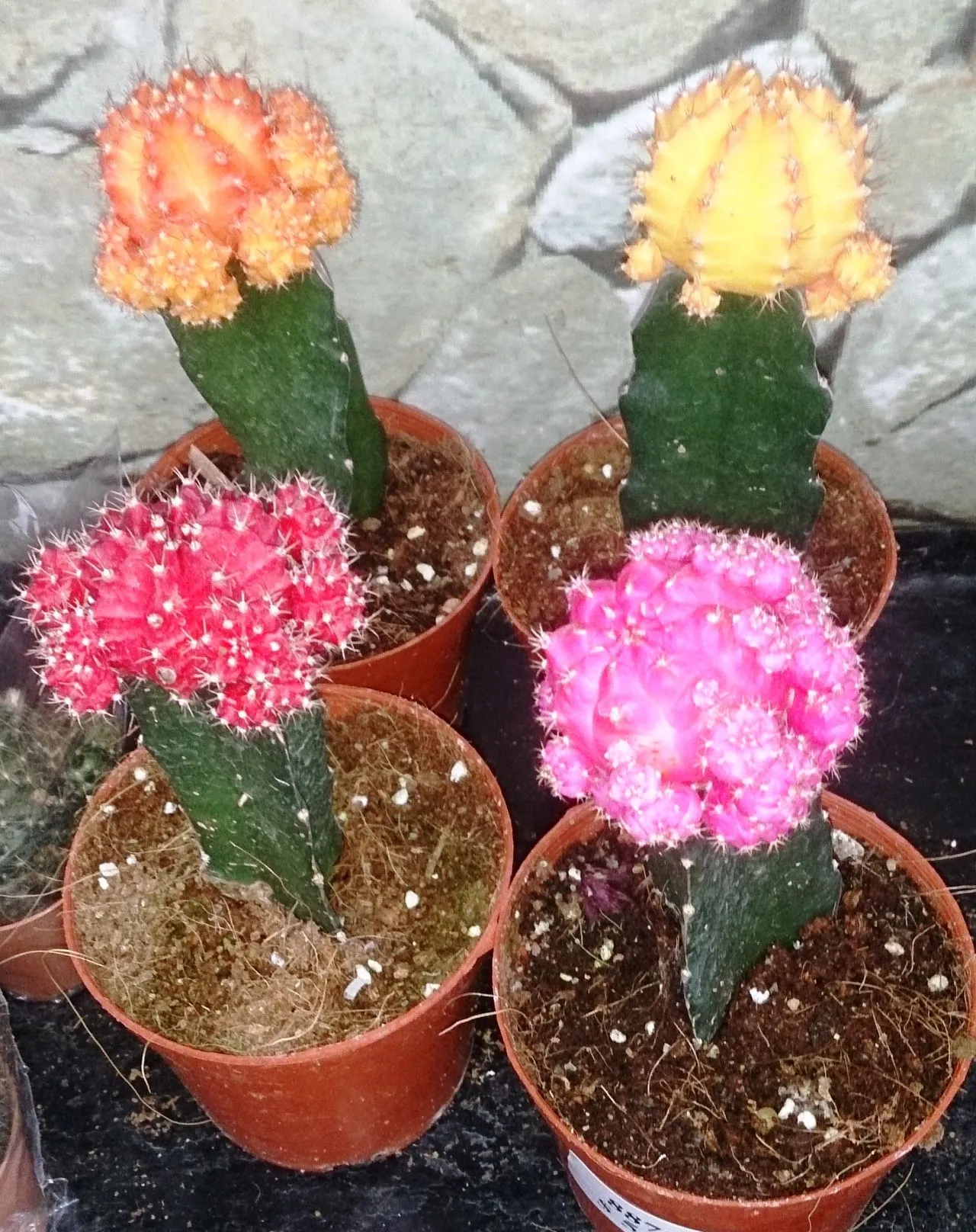
Grafting Cacti and Succulents: An Honest Beginner Walkthrough
Grafting cactus 101: rootstock species, scion compatibility, perpendicular cuts, vascular ring alignment, beginner success rates, and what shortens lifespan.
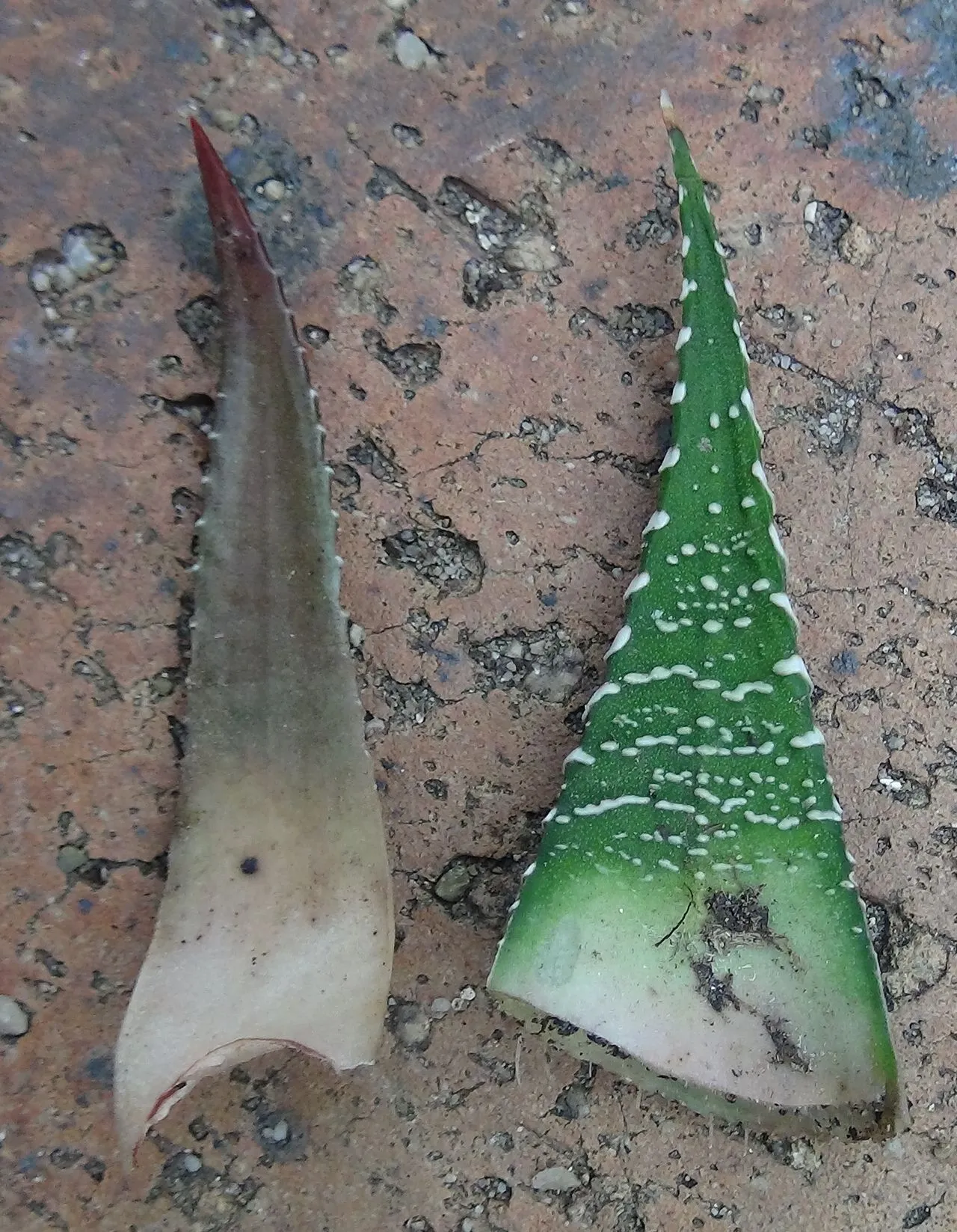
Aloe vs Haworthia: How to Tell the Two Apart
Aloe versus Haworthia: how to tell the two apart in the field by flower structure, leaf keel, leaf-window panels, marginal teeth, and adult plant size.
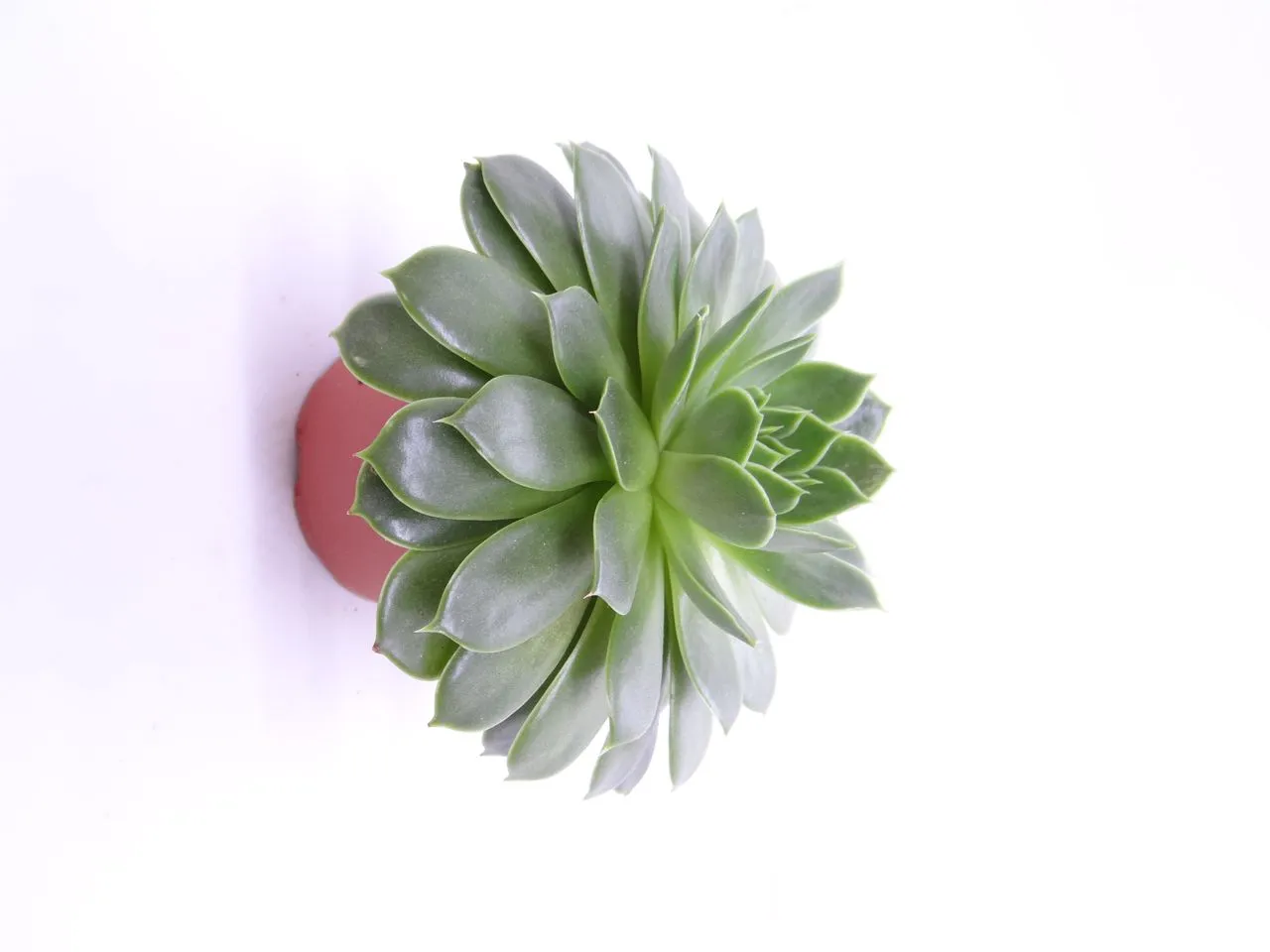
Quarantining a New Succulent: 30 Days, Not 3
A 30-day quarantine for new succulents catches mealybug eggs, root mealybugs, spider mites, scale crawlers, and fungus gnats before they reach your collection.
Spider Mites on Succulents: ID, Damage Pattern & Control
Learn to identify spider mites on succulents by stippling, webbing, and tap tests, then control them with water, predatory mites, or miticide rotation.
The Wet-Dry Cycle: How Water Actually Reaches Succulent Roots
Learn how the succulent wet-dry cycle moves water, oxygen, salts, and root signals through the pot so roots stay active, hydrated, and protected from rot.
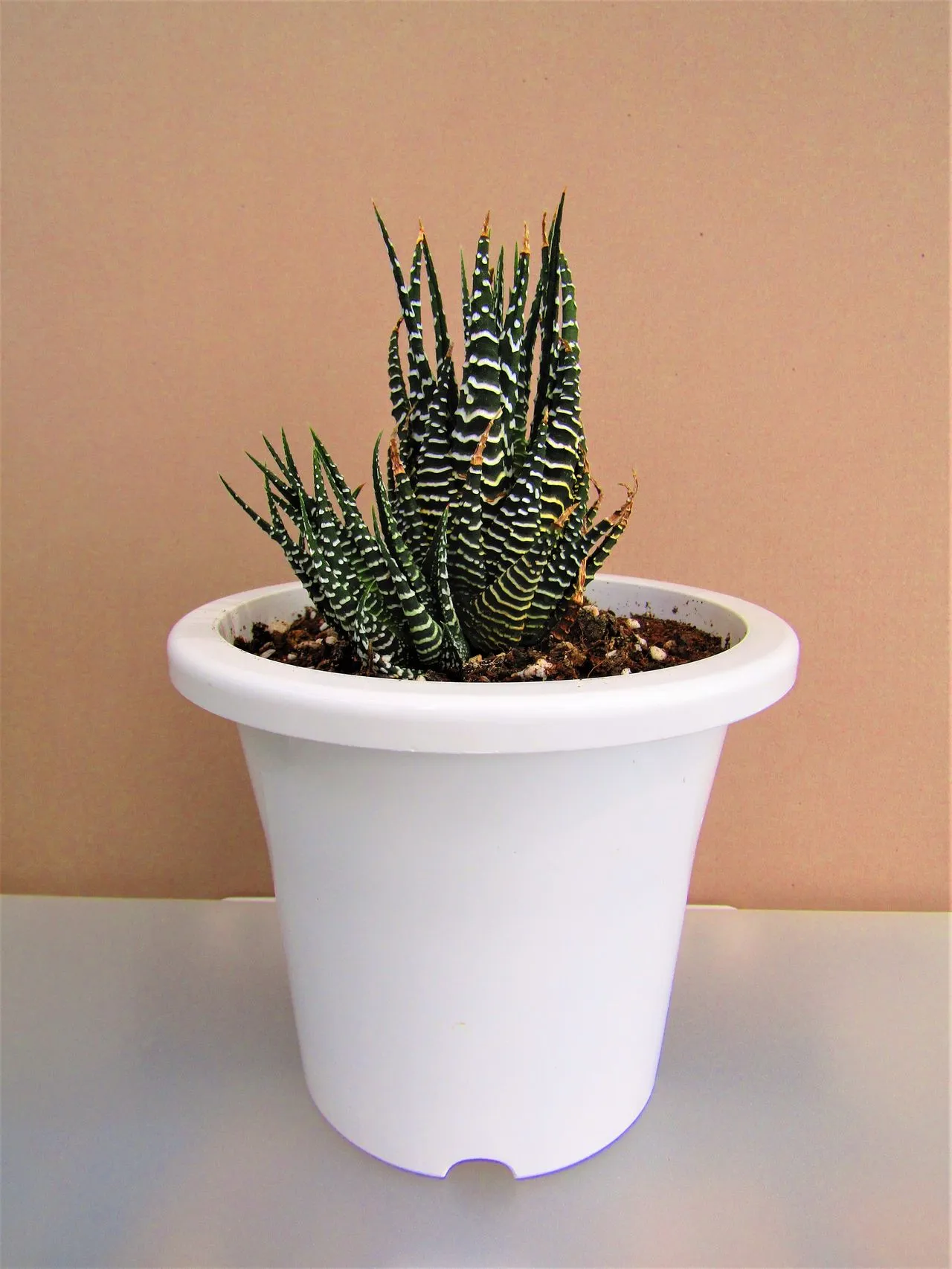
Mineral Deficiencies in Succulents: ID by Symptom
Diagnose nitrogen, potassium, magnesium and iron deficiency on succulents using the old vs new leaf mobility framework, plus when low feeding actually helps.
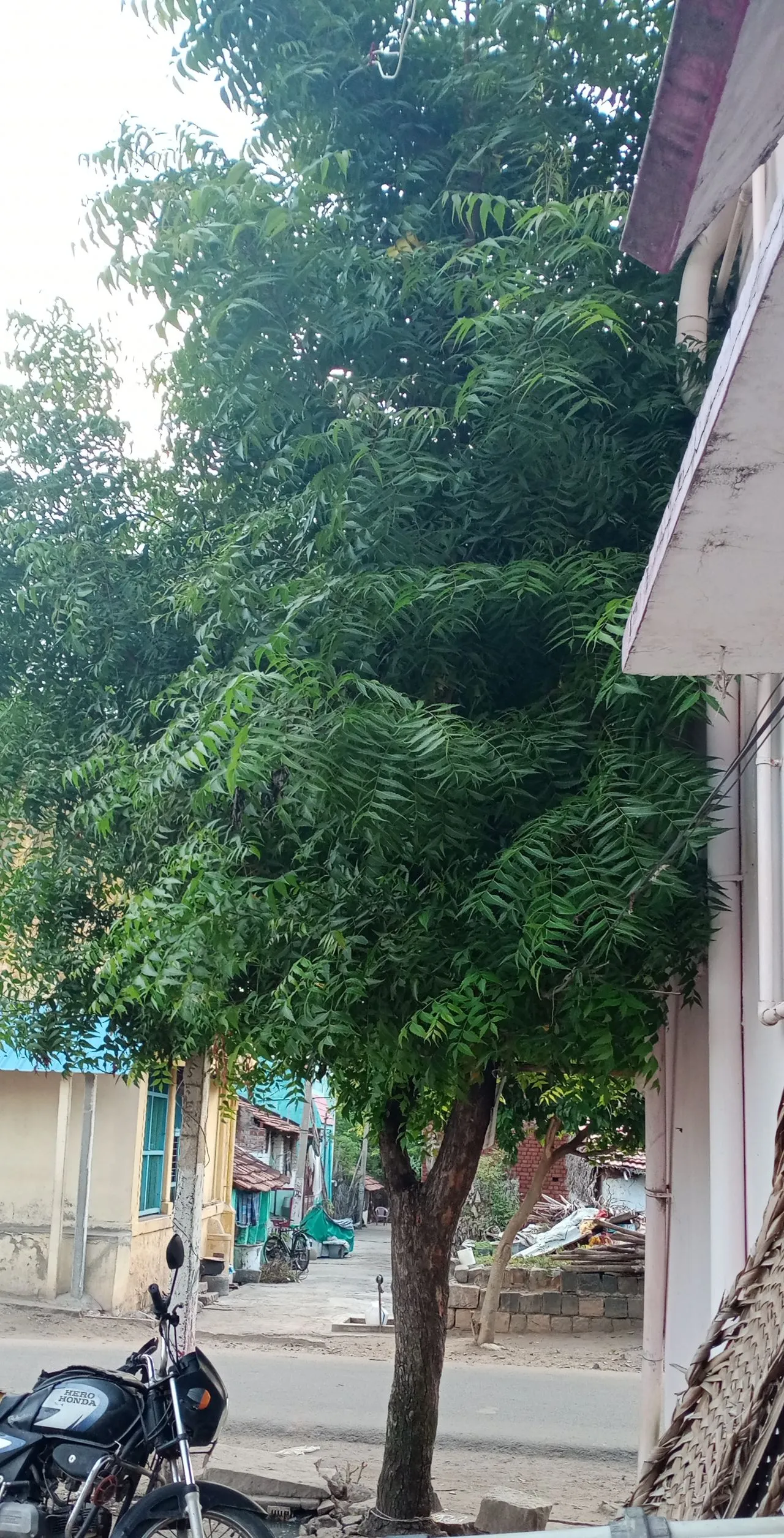
Neem Oil on Succulents: Mix Ratio, Frequency, and Limits
How to mix neem oil for succulents at 1 to 2 percent with mild soap, when to apply, why dusk timing matters, and which bloom-coated species you must avoid.
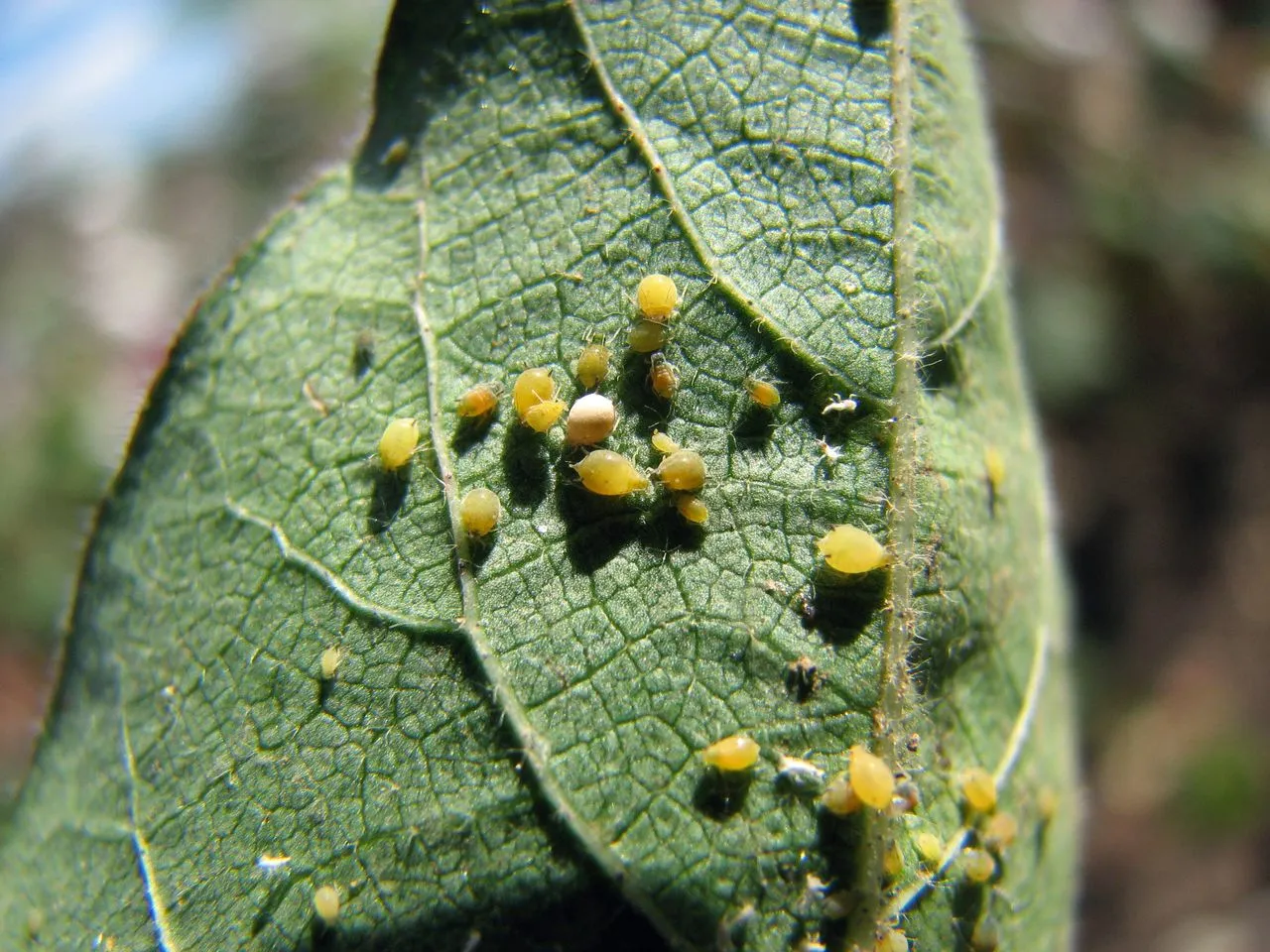
Aphids on Succulent Flower Stalks: ID & Control
Identify aphids on succulent flower stalks, treat with water sprays, insecticidal soap, or imidacloprid, and read foliar infestations as plant health warnings.
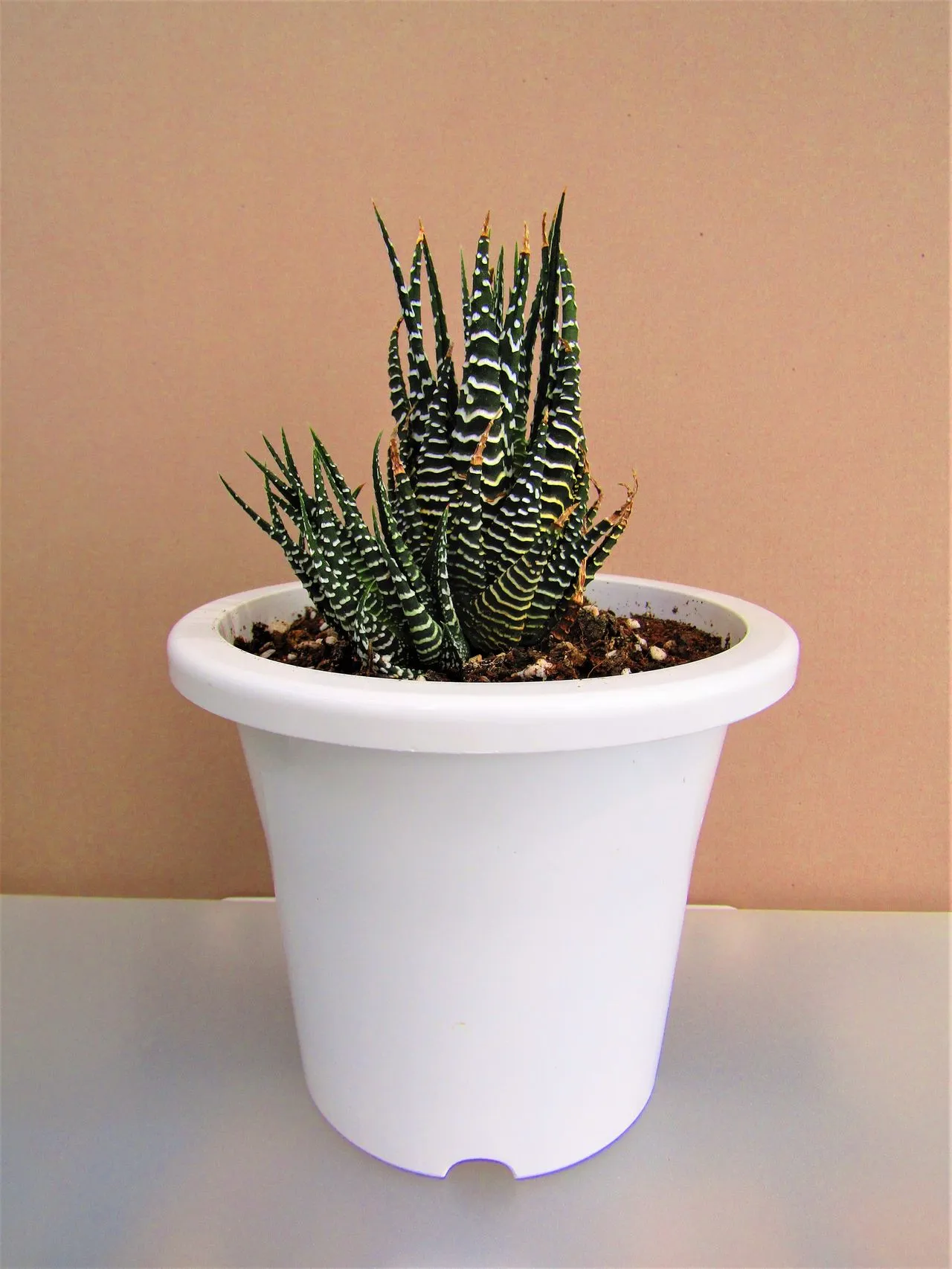
Sunburn on Succulents: Diagnosis & Recovery
Diagnose succulent sunburn, separate it from edema and leaf spot, and learn how to protect damaged leaves while new growth restores the plant's appearance.
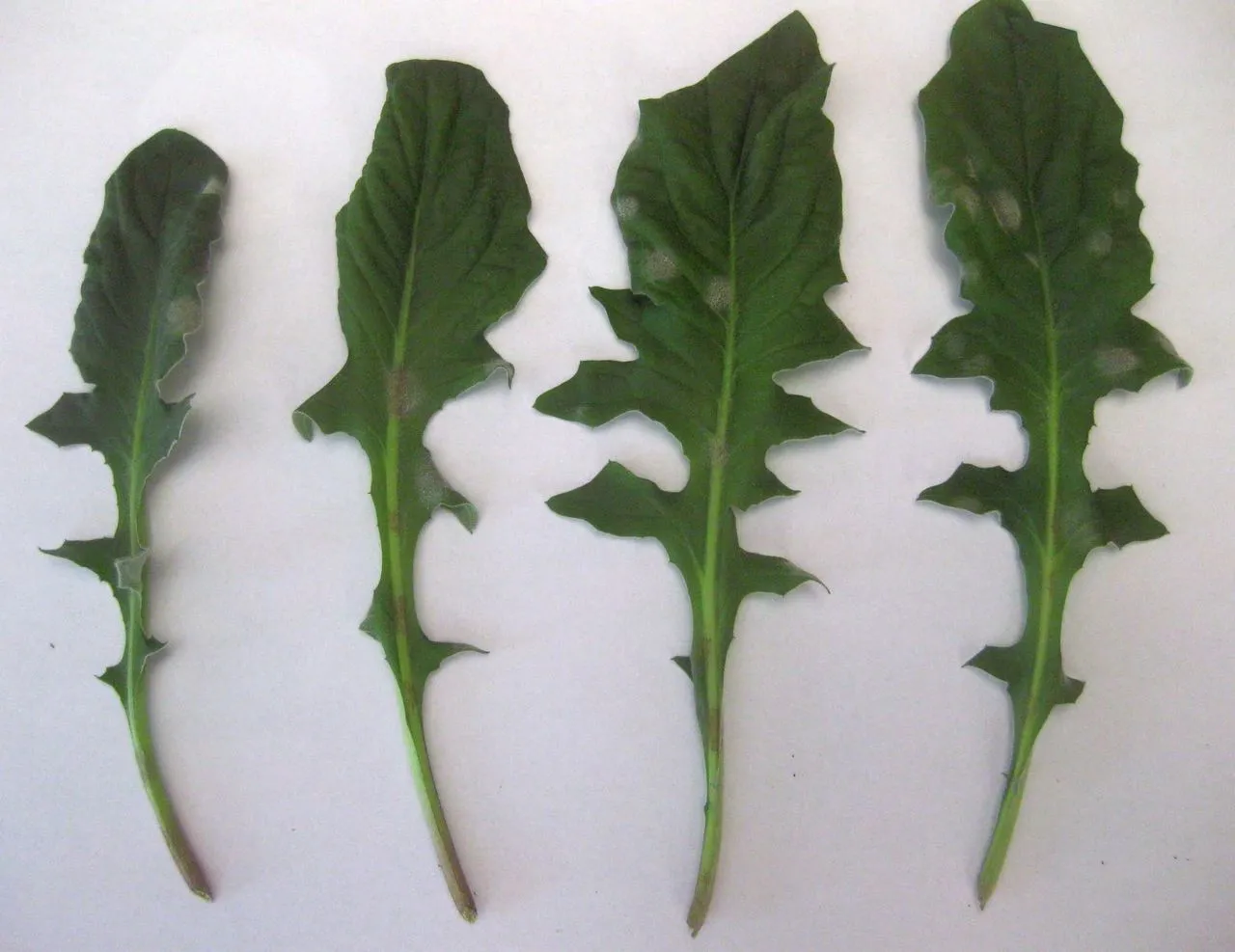
Fungal Leaf Spot on Succulents: ID, Cause & Treatment
Identify fungal leaf spot on succulents, separate Cercospora, Botrytis, Anthracnose, and Alternaria, and treat with humidity control and targeted copper sprays.
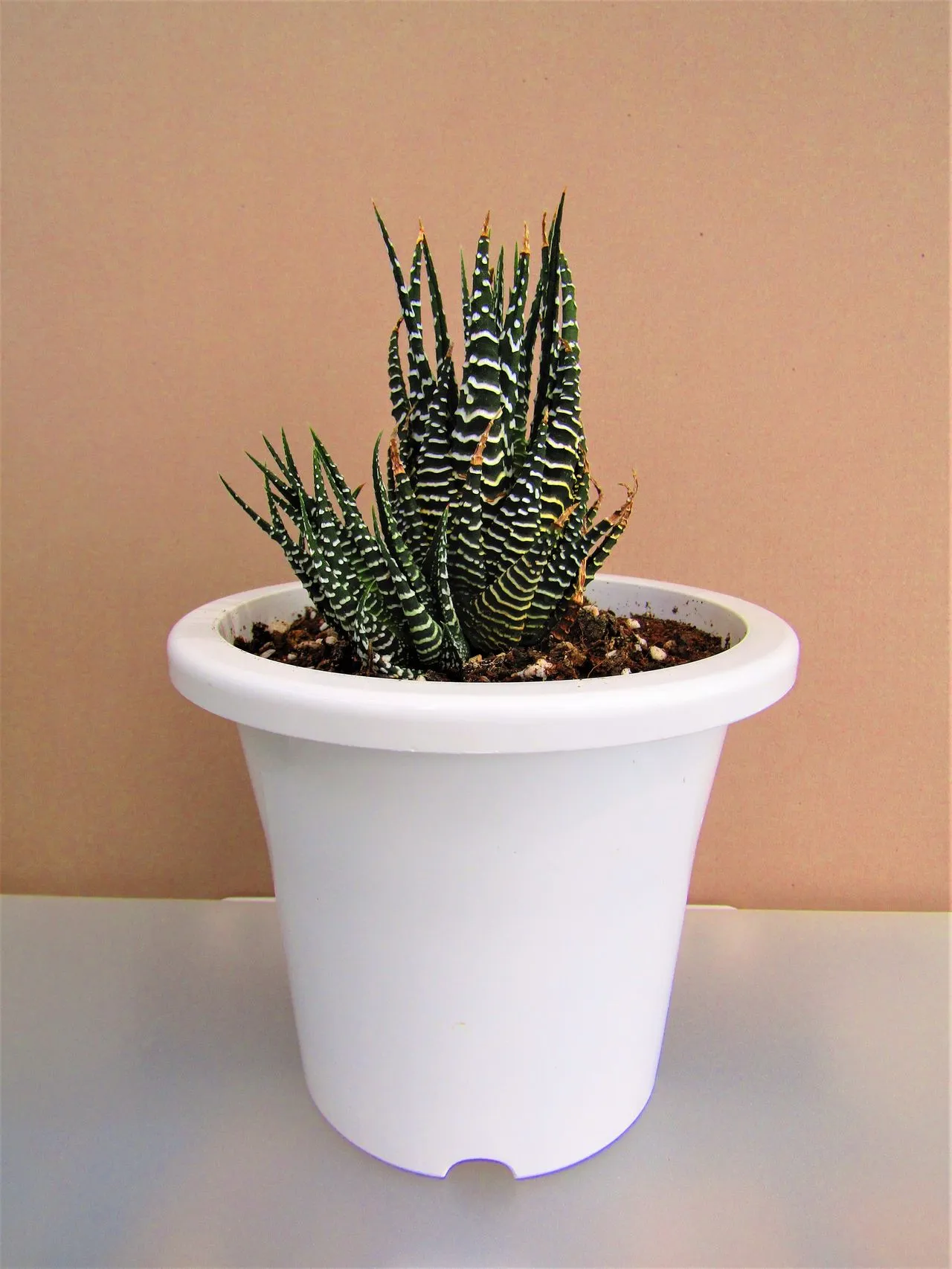
North-Window Succulents: What Actually Tolerates It
North-facing windows give zero direct sun and low PPFD; here are the genera that actually thrive on diffuse skylight, the ones that fail, and when to add LED.
LED Grow Lights for Succulents: Spectrum, PPFD, Distance
How to choose, position, and run an LED grow light for indoor succulents using PPFD, spectrum, distance, and photoperiod targets that beat etiolation.
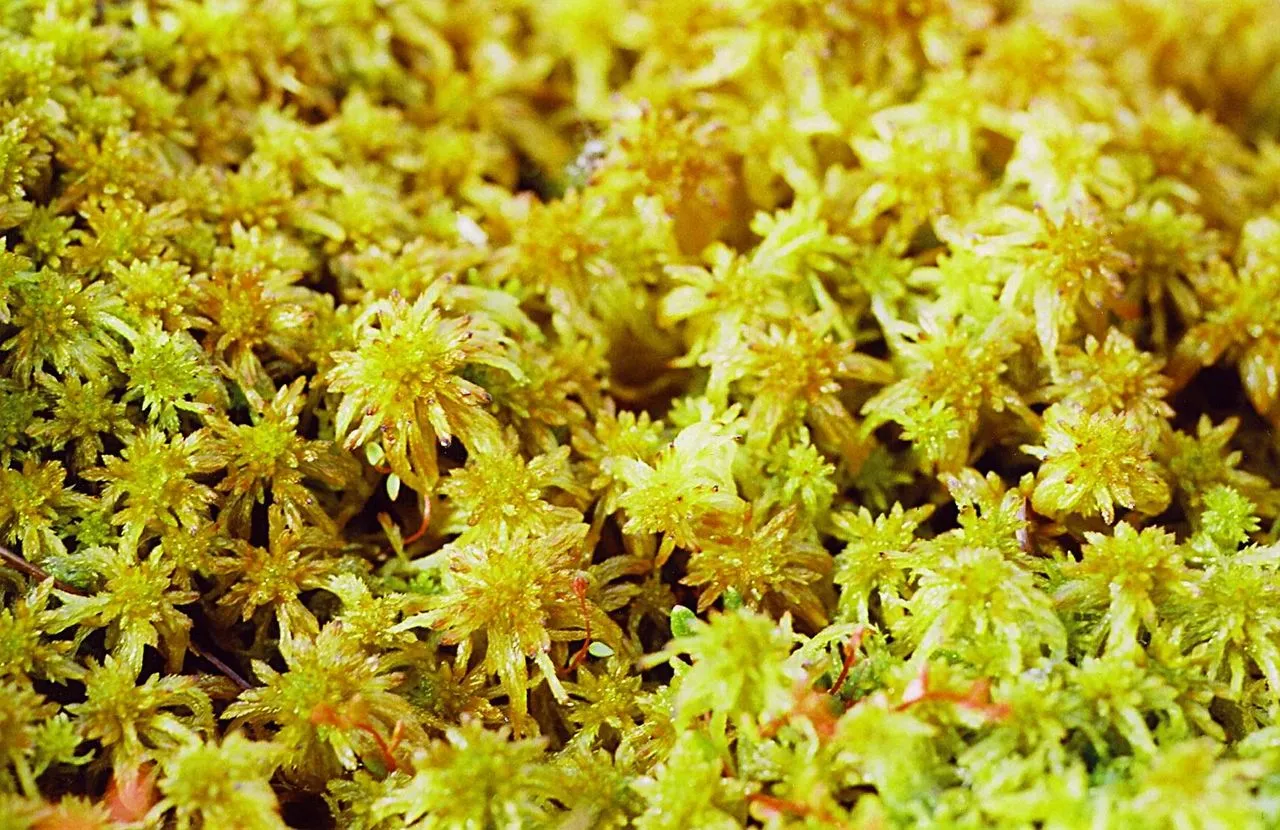
Coir and Sphagnum in Succulent Mixes: Where They Belong
Coir and sphagnum in succulent substrate. Where each works, where each fails, and the small percentages that earn them a slot in seedling and propagation mixes.
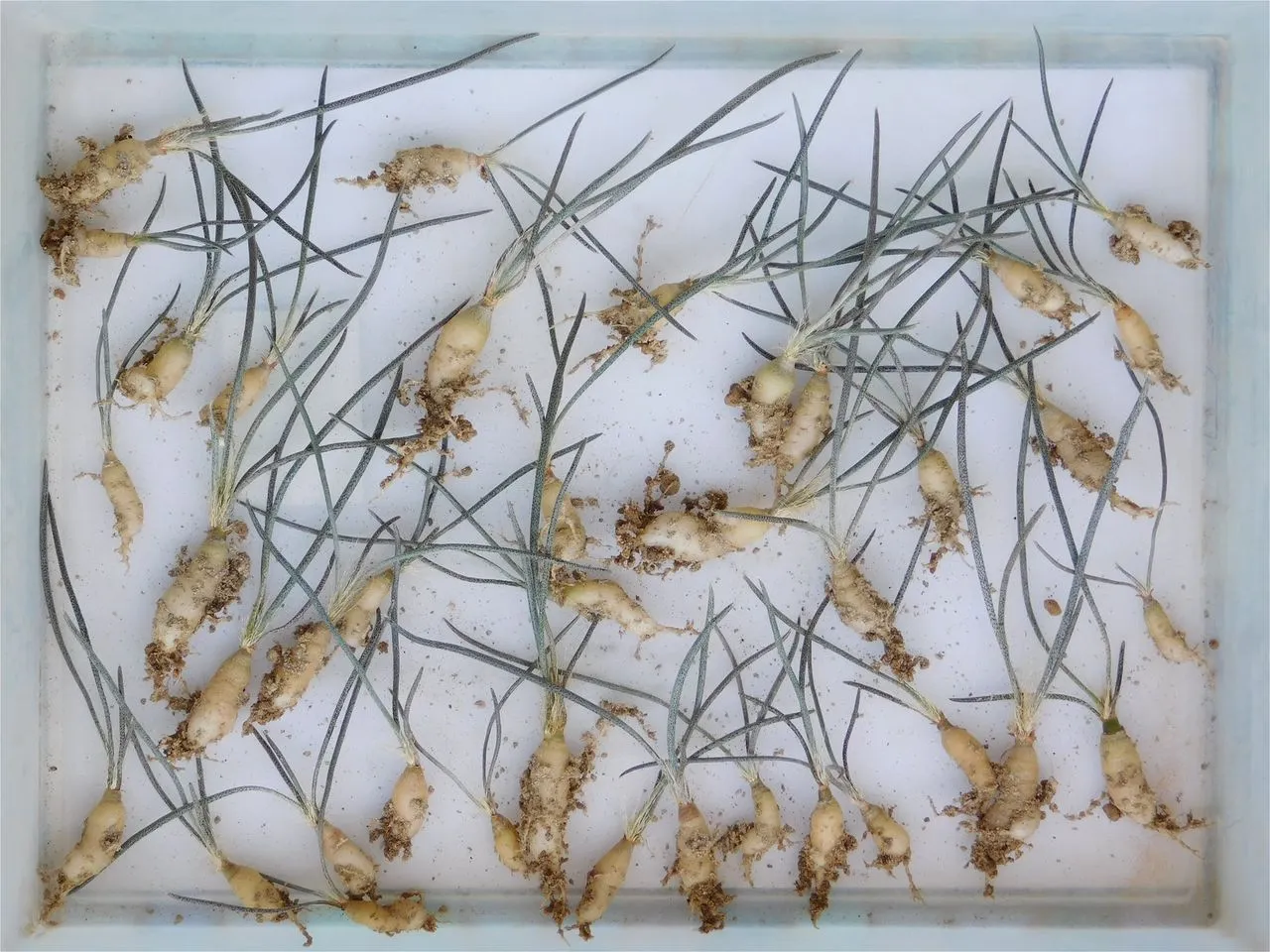
Growing Succulents from Seed: An Honest Introduction
Growing succulents from seed: when it makes sense, which genera germinate reliably, the Fleischer closed-bag method, timelines, and common failure modes.
Terracotta vs Glazed Ceramic vs Plastic: Pot Choice Trade-offs
Terracotta breathes, glazed ceramic and plastic seal moisture in. Compare drying speed, cost, weight, freeze risk, and which pot suits your watering style.
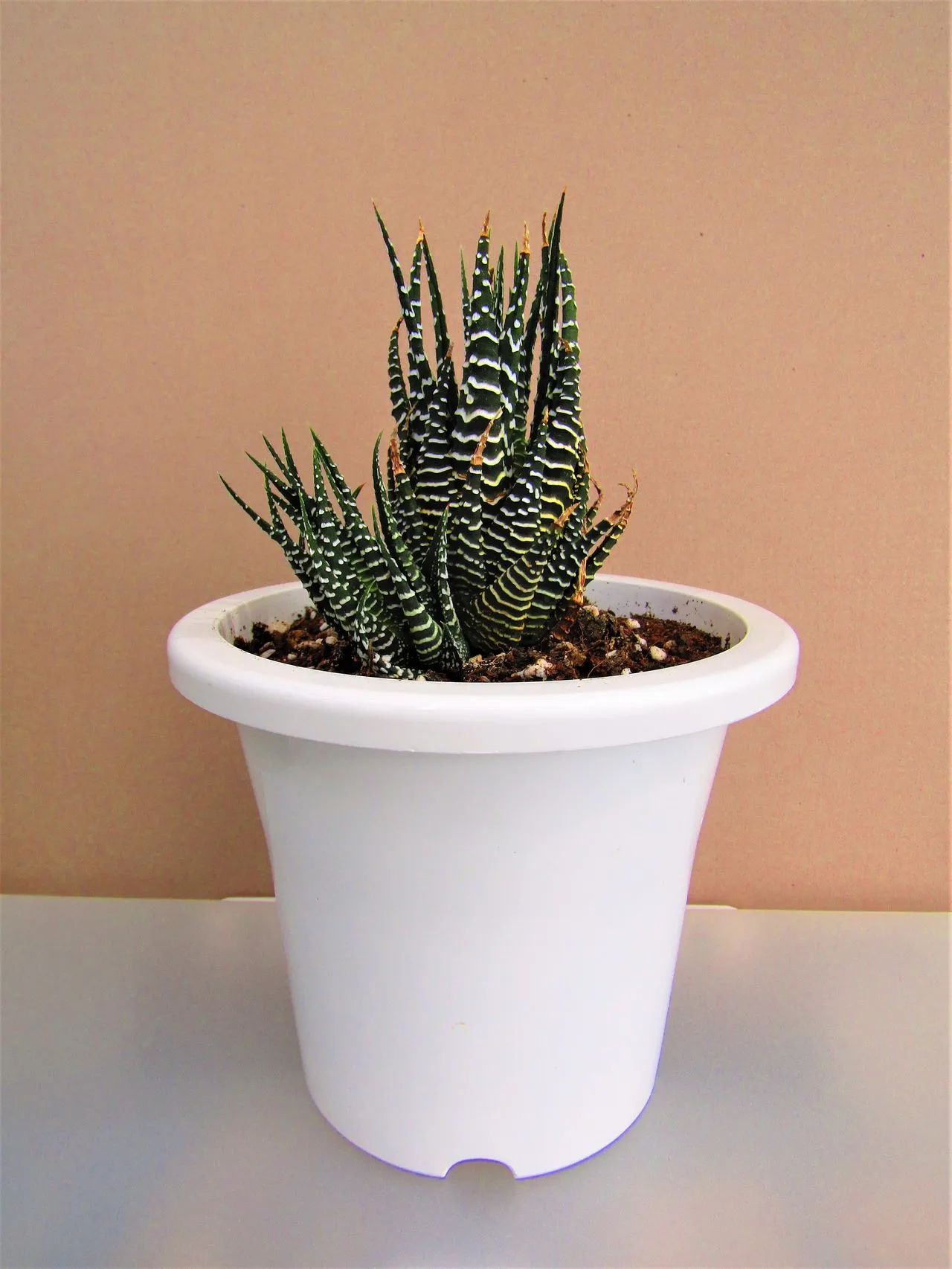
How Often to Water Succulents: A Mechanism-First Method
Learn when and how to water succulents using substrate moisture cues, not a calendar. Covers genus-by-genus notes and drying-time benchmarks for indoor pots.
Stem Rot in Succulents: Diagnosis, Beheading and Recovery
How to diagnose stem rot in succulents, decide whether to behead or discard, and execute a sterile recovery cut with the best chance of saving the plant.
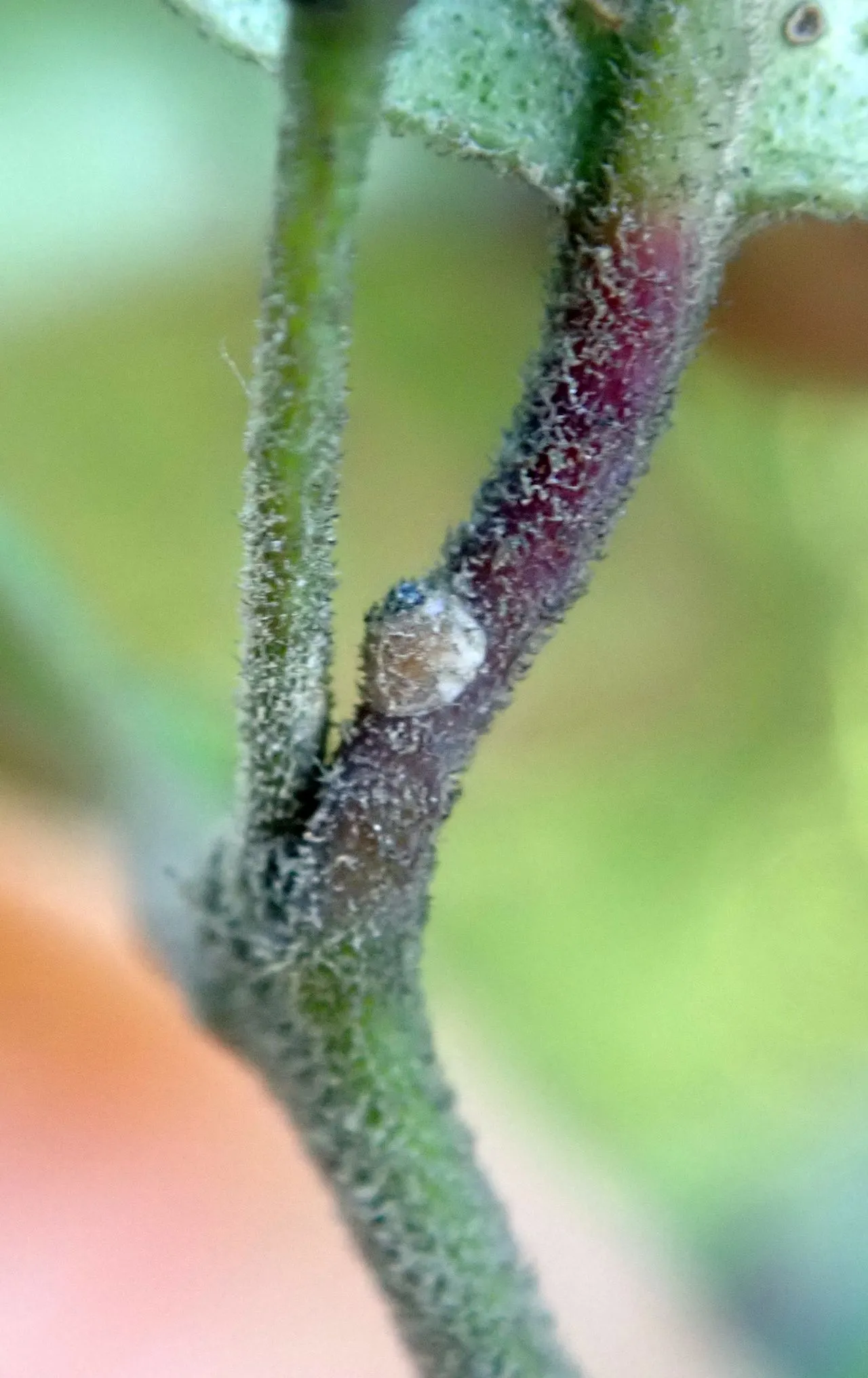
Scale Insects on Succulents: Hard-Shell vs Soft-Bodied
Identify armoured and soft scale on succulents, use the thumbnail-lift test, time crawler sprays, and treat safely with oils or systemic insecticides.
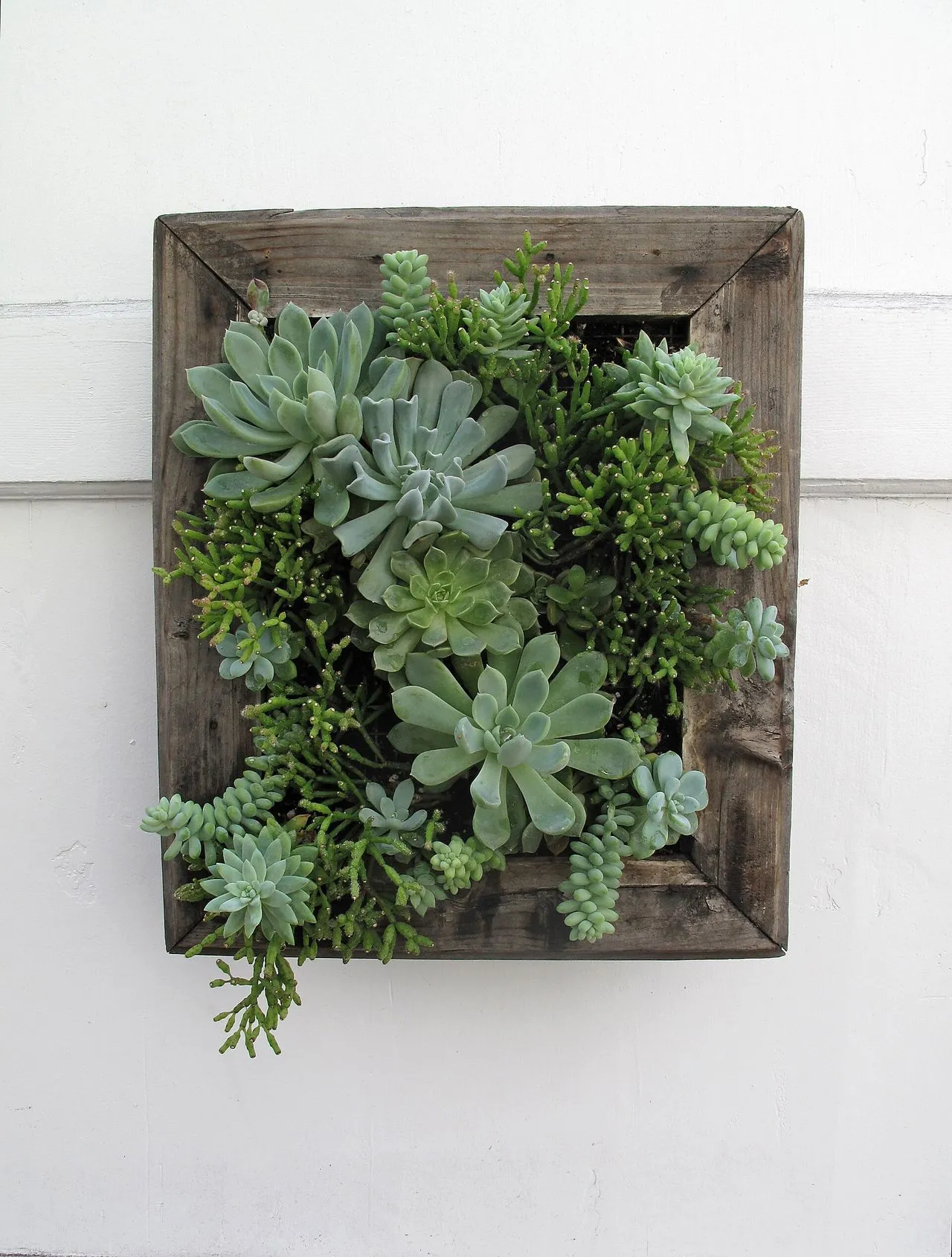
Succulent Soil: A Practical Guide to Substrate, Mixing, and Drainage
What 'free-draining' really means, the components of a succulent mix, a standard recipe, and how to adapt it to Echeveria, Haworthia, Agave and friends.
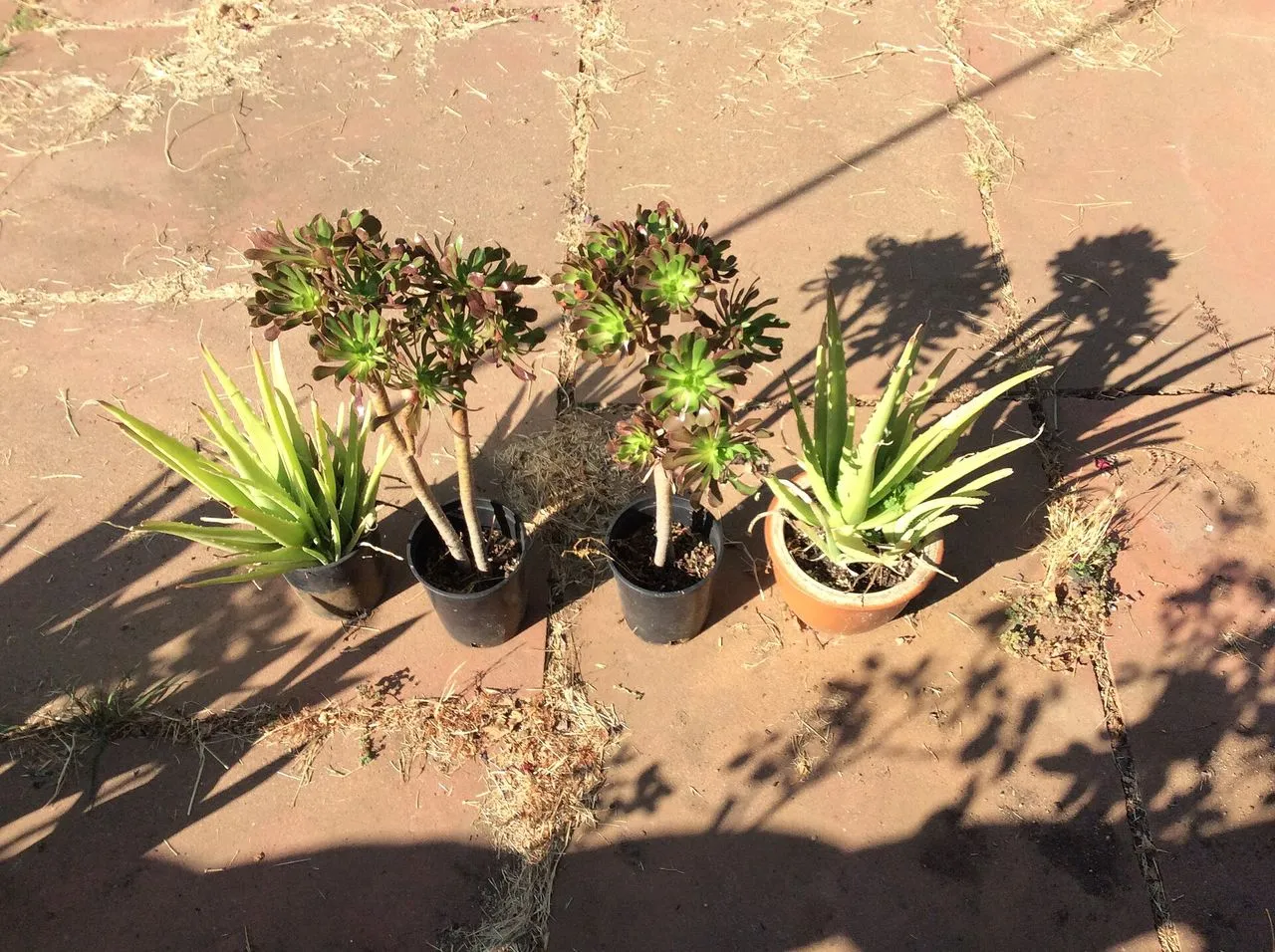
Succulent Arrangements: Design, Planting, and Keeping Them Alive
Honest, horticulturally-literate guide to designing and maintaining multi-plant succulent arrangements — dish gardens, terrariums, and vertical frames.
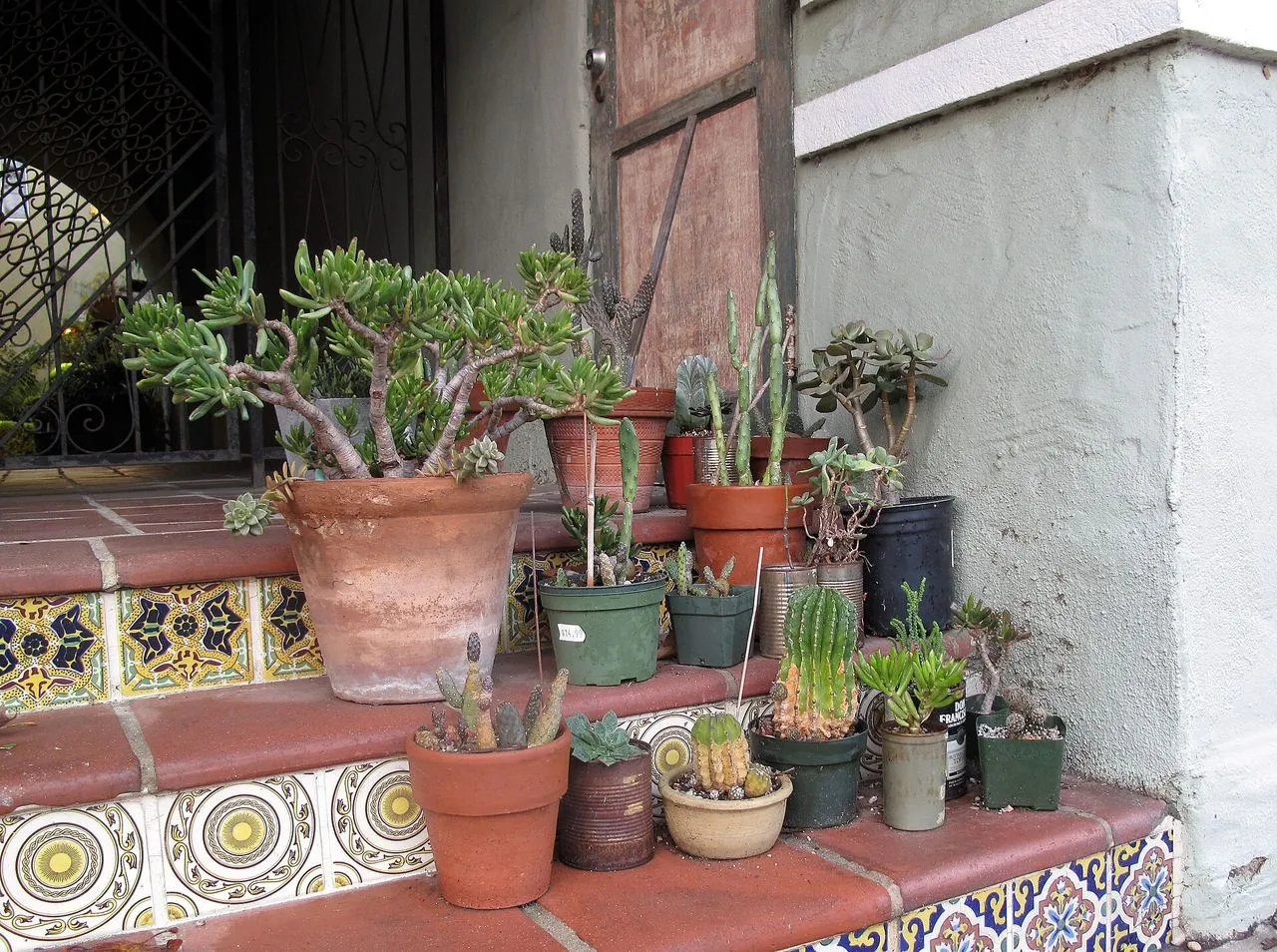
A Beginner's Guide to Succulents: What They Are and How to Keep Them Alive
A simple beginner succulent care guide covering bright light, soak-and-dry watering, gritty soil, drainage, common mistakes, and an easy first-week checklist.