| Question | Short Answer |
|---|---|
| How do I distinguish root mealybugs from normal root hairs? | Root mealybugs have white waxy coating and cling to surfaces. |
| Do I need to throw away infested soil? | Yes - root mealybugs can persist in dry soil. |
| Can I treat root mealybugs without repotting? | No - you must unpot, rinse roots in 70% alcohol or insecticidal soap, and repot in fresh, dry soil. |
| What is the first step for root mealybugs: the hidden pest of succulents? | Signs include white waxy powder on roots or pot walls. |
Root mealybugs are the pest to suspect when a succulent looks thirsty even though your watering schedule is normal. The bottom-line answer: if the plant is wrinkling, stalling, or yellowing from below and there is no obvious pest above the soil line, unpot it before you adjust light, fertiliser, or watering. White waxy powder inside the rootball or on the pot wall is the diagnostic sign. Here is the rest of the picture.
Quick Answer
- Root mealybugs live underground and cause plants to look thirsty despite normal watering. Unpot to confirm.
- Signs include white waxy powder on roots or pot walls. They mimic underwatering.
- Treat by unpotting, rinsing roots in alcohol, and repotting in fresh, dry soil.
Part of the Beginner's Guide to Succulents.
What it is
Root mealybugs are sap-feeding insects in the family Pseudococcidae, but they are not the same problem as the cottony mealybugs you find in leaf axils. The root-feeding species most often found in succulent collections belong to Rhizoecus, especially Rhizoecus dianthi, Rhizoecus cacticans, and Rhizoecus falcifer. Less commonly, root-zone infestations involve Pseudococcus species that have moved below the crown or settled in the upper substrate.
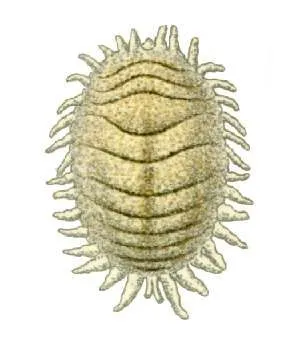
The insects are tiny, usually 1 to 2 mm long, white to grey-white, and coated in wax. In dry mineral substrate they can look like scattered grains of rice or chalky dust. Around the root crown they form denser colonies, leaving a white waxy fluff on root surfaces, against the inside of the pot, and in small pockets between particles of pumice, grit, bark, and compost.
That location is why they are missed. Foliar mealybugs, usually Planococcus or Phenacoccus species in houseplant collections, sit on stems, leaf axils, rosette centres, and new growth. You can find them with a torch and a hand lens. Root mealybugs live below the surface. A plant can carry a large population while its leaves look clean, its stem looks clean, and the top dressing looks normal.
They feed by inserting mouthparts into roots and drawing sap from tissues that should be taking up water and minerals. The injury is twofold. First, the plant loses resources directly to the insects. Second, the fine absorbing roots become less efficient, so the plant behaves as if water is unavailable even when the pot has recently been watered. That is the central clue: root mealybugs make a watered plant look underwatered.
How to identify it
Above ground, the symptoms are indirect. Root mealybugs rarely announce themselves with visible insects on leaves. Instead, you see a plant that does not respond properly to care.
Common signs include:
- Leaves wrinkle or soften within a few days of watering, then never fully rehydrate.
- Growth slows during what should be an active season at 18 to 26 °C.
- Lower leaves yellow or collapse without the translucent, mushy texture of rot.
- The plant leans or feels loose because fine roots have been damaged.
- A neighbouring plant from the same nursery batch begins showing the same symptoms weeks later.
These signs overlap with underwatering, old compacted substrate, heat stress, and root loss after repotting. Do not diagnose from the leaves alone. The practical test is to unpot the plant.
Slide the rootball out intact if possible. Root mealybugs leave several clear signs:
- White powder, waxy crumbs, or cottony fluff on the outside of the rootball.
- Tiny white-grey insects moving slowly through the substrate when disturbed.
- Rice-grain specks clustered at the root crown, where roots meet the stem.
- White wax stuck to the inside of the pot wall, especially near drainage holes and lower corners.
- Waxy strands or fluff on individual roots after the loose substrate falls away.
The pot wall clue is particularly useful. A plant can have a dense colony pressed between the rootball and the pot, while the top 1 cm of substrate looks clean. If you see white powder on the inside wall after unpotting, treat it as root mealybugs until proven otherwise.
Use a 10x hand lens if you have one. Rhizoecus species are small enough that an early colony may look like residue rather than insects. Mineral dust will rinse away evenly and has no bodies within it. Root mealybug wax clings in patches, often with oval insects embedded in it.
The most common mistake is to water again. If the roots are already impaired, extra water does not fix the cause. In organic or fine-textured substrate, repeated watering can then create a second problem: low oxygen around damaged roots. When a succulent looks thirsty despite a normal wet-dry rhythm, unpot before you troubleshoot anything else.
Why it appears
Root mealybugs usually arrive with a plant. Nursery production is efficient, which means many pots, trays, and host plants are kept close together. A single infested pot can shed crawlers into bench debris or shared substrate, and small insects at the root crown are easy to miss during retail inspection.
Dry substrate helps them persist. Succulents are often held on the dry side in shops and during shipping, which suits root mealybugs better than it suits the plant. The waxy covering reduces water loss, and the rootball gives them shelter from contact sprays, grooming, and visual checks.
They also survive winter dormancy well. A dormant succulent in dry substrate may not grow, but the insects can remain tucked into the rootball and pot-wall crevices. In spring the grower sees a plant that refuses to restart, assumes it needs a deeper watering, and gives the pest several more weeks.
Crowded collections increase spread. Crawlers can move through spilled substrate, shared trays, pot rims, labels, and staging. Reusing old potting mix is a reliable transfer route because wax, eggs, and nymphs remain in the particles. Composting the old substrate is also a mistake for a home collection. The pile may not heat uniformly enough to kill the insects, and contaminated material can return to pots later.
Stress does not create root mealybugs. A dry, low-light, or nutrient-poor plant cannot generate an insect population from nothing. But stressed plants show damage sooner, and weak roots are less able to compensate for sap loss. Good care lowers the impact of small introductions; quarantine and root inspection prevent the introduction from becoming a collection problem.
How to fix it
Treat root mealybugs as a rootball problem, not a leaf problem. Spraying the top of the plant will not reach the population that matters.
First, isolate the plant and unpot it over a surface you can clean. Discard all loose substrate immediately. Do not compost it, do not save the pumice, and do not shake it into a tray used for clean plants. Bag it and remove it from the growing area.
Rinse the entire rootball under running water until the wash water runs clear. Work gently with your fingers or a soft stream from a tap, loosening the old substrate from between roots. This physical wash removes most of the population, often 70 to 80%, because many insects and wax pockets are not strongly attached once the substrate breaks apart. Keep rinsing until there are no white crumbs, no cloudy waxy runoff, and no loose particles clinging to the crown.
Prune badly infested rootlets. Fine roots that remain coated in wax after rinsing, roots that are brown and hollow, or roots that detach with a light pull are not worth preserving. Use clean scissors and remove only the compromised tissue. Thick healthy roots should stay, even if they have minor surface marks.
After rinsing, choose one of two treatment routes.
For a non-systemic knockdown, soak the rinsed rootball for 30 seconds in a 1:4 dilution of 70% isopropyl alcohol, which is about 17.5% final alcohol. In practical terms, mix one part 70% isopropyl alcohol with three parts water. This brief soak helps kill wax-coated nymphs that running water did not dislodge. Do not extend the soak. Alcohol is useful because it disrupts wax and cuticle, but roots are living tissue too. Thirty seconds is enough for contact, then let the plant drain in bright shade.
For an established or collection-wide problem, use a systemic imidacloprid drench at 0.05 to 0.1%. Prepare it according to the product label and local regulations, then apply through fresh substrate after repotting so the active ingredient is taken up by new and remaining roots. Imidacloprid moves in the sap stream, which makes it useful against insects feeding below the soil line. Do not use systemic insecticides on edible plants, and keep treated ornamental succulents away from pollinator exposure while any flowers are present.
Repot only into completely fresh substrate. For most succulents after root mealybug treatment, a mineral-leaning mix is preferable because it dries predictably and makes future inspections cleaner. Avoid rich, reused, dusty organic mix that hides wax and stays wet around pruned roots.
Sterilise the pot before reuse, or replace it. Boil a heat-safe pot for 5 minutes, or wash it in 10% bleach for 10 minutes and rinse thoroughly. Pay attention to the drainage holes and inner corners where wax collects. If the pot is porous terracotta and heavily contaminated, replacement is often less trouble than trying to clean every pore.
Do not water immediately if the plant has had roots pruned, unless the substrate and species require immediate settling. For many echeverias, crassulas, haworthias, and small cacti, waiting 3 to 5 days in bright shade allows cut root surfaces to callus. Then resume a measured wet-dry cycle. The plant may look worse before it looks better because it has lost fine roots and must rebuild them.
Follow-up matters. A single rinse and repot can leave survivors. For confirmed infestations, use an imidacloprid drench at repotting, then repeat at 4 weeks and 8 weeks if your product label permits that schedule. Those intervals target insects that escaped as eggs or young nymphs and began feeding after the first treatment. Mark the pot label with treatment dates, because memory is unreliable once the plant looks cleaner.
How to prevent it
Quarantine every new succulent for 30 days. Keep it physically separate from the main collection, not touching the same tray or staging. During quarantine, watch for the underwatering mimic: a plant that wrinkles again soon after watering, refuses to push new roots, or sheds lower leaves without an obvious above-ground pest. The full 30-day root and foliage inspection procedure is set out in quarantine new arrivals.
Inspect rootballs at every repot. This is the habit that catches root mealybugs early. When you repot, look at the outer rootball, the root crown, the lower third of the pot, and the inside wall. A clean plant has ordinary root hairs, mineral dust, and decomposing fine roots. An infested plant has white waxy fluff that gathers in patches and clings to surfaces.
Use clean or pre-treated nursery substrate. Bagged substrate should be stored closed, off the floor, and away from infested plants. If you mix your own, keep the clean components separate from potting benches where suspect plants are unpotted. Do not return spilled substrate to the clean bin.
Do not reuse old mix from a plant with unexplained decline. This is where frugality becomes expensive. Root mealybugs are small, and dry particles protect them. If the plant was declining, the mix should be treated as contaminated unless you have inspected the rootball and pot wall carefully.
Clean tools and benches after suspect repotting. A brush, scoop, or tray used with an infested rootball can move crawlers to the next plant. Wash hard surfaces, discard paper liners, and wipe tools with 70% isopropyl alcohol before using them elsewhere.
Keep records for nursery batches. If one plant from a delivery has root mealybugs, inspect its companions from the same source. The insect may not be visible yet, but shared production history is a stronger clue than plant genus. I have seen mixed trays where the echeverias showed symptoms first, while the haworthias carried quieter colonies at the crown.
The prevention rule is simple: any succulent that looks thirsty despite normal watering earns a root inspection. Adjusting the schedule without looking below the surface is how this pest gets a season-long head start.
See also
- A Beginner's Guide to Succulents, the care baseline that helps separate pest symptoms from ordinary watering stress.
- Mealybug Identification, for above-ground Planococcus, Phenacoccus, and Pseudococcus colonies in leaf axils and rosette centres.
- When to Repot, for timing root inspections and replacing spent substrate before hidden pests build up.
- Systemic Insecticide Use — imidacloprid drenches for root-feeding insect populations.
- Succulent Soil and Substrate — mineral-heavy mixes that dry quickly and reduce the hidden habitat root mealybugs prefer.
FAQ
How do I distinguish root mealybugs from normal root hairs?Root mealybugs have white waxy coating and cling to surfaces. Root hairs are fine and translucent. The wax is the key identifier.
Do I need to throw away infested soil?Yes - root mealybugs can persist in dry soil. Discard the old soil and sterilize the pot before reusing.
Can I treat root mealybugs without repotting?No - you must unpot, rinse roots in 70% alcohol or insecticidal soap, and repot in fresh, dry soil.
Frequently Asked Questions
How do I distinguish root mealybugs from normal root hairs?
Root mealybugs have white waxy coating and cling to surfaces. Root hairs are fine and translucent. The wax is the key identifier.
Do I need to throw away infested soil?
Yes - root mealybugs can persist in dry soil. Discard the old soil and sterilize the pot before reusing.
Can I treat root mealybugs without repotting?
No - you must unpot, rinse roots in 70% alcohol or insecticidal soap, and repot in fresh, dry soil.
What is the first step for root mealybugs: the hidden pest of succulents?
Signs include white waxy powder on roots or pot walls. They mimic underwatering.