Genus Reference
Kalanchoe
Flowering and foliage Kalanchoe species, care routines, and troubleshooting.
The Complete Kalanchoe Guide: Identification, Cultivation & Propagation
Comprehensive guide to the genus Kalanchoe: taxonomy, identification, photoperiodic flowering, propagation from cuttings and leaf bulbils, pruning…
Read the guide →Species & Cultivars
All articles in this section
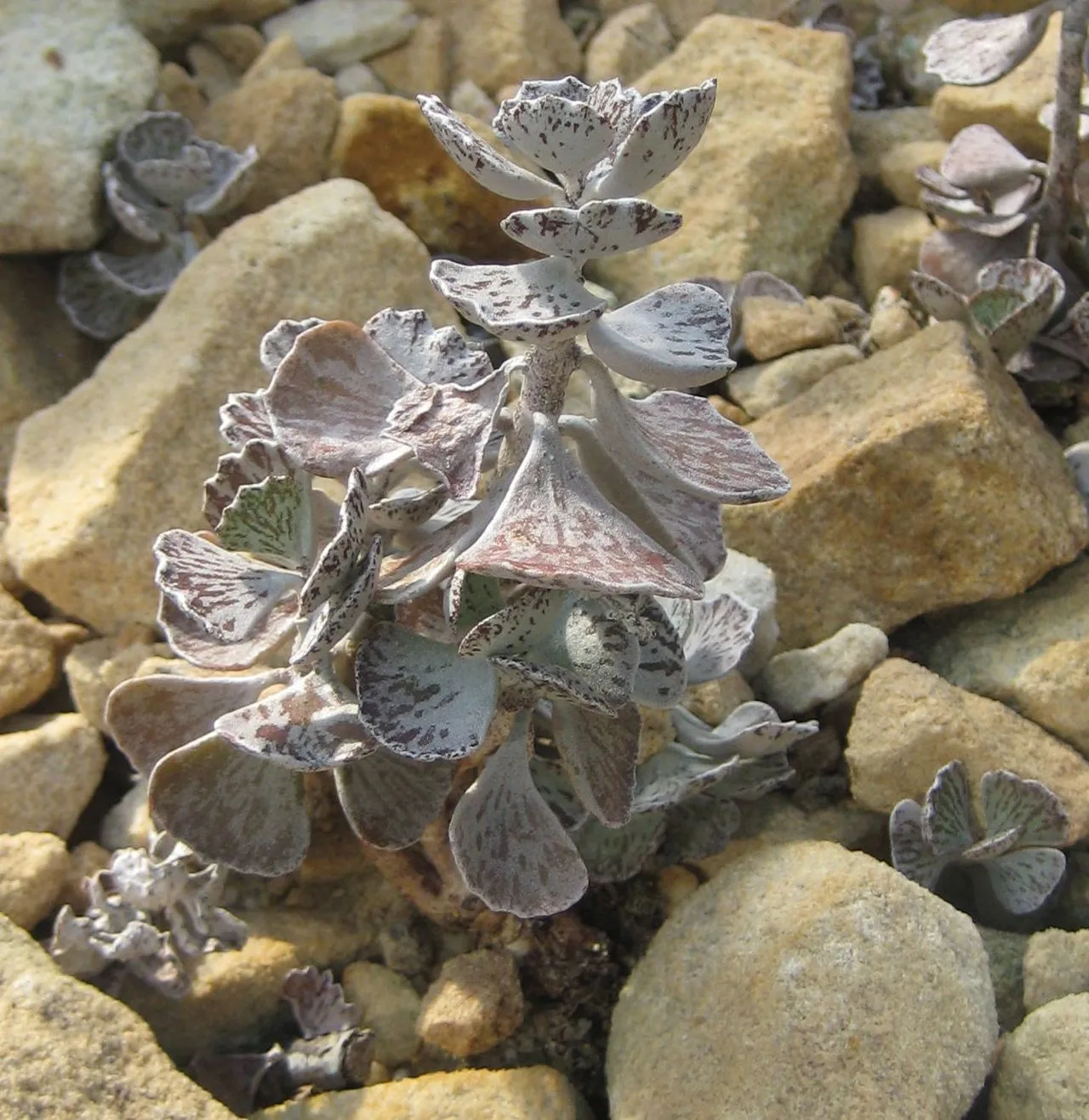
Kalanchoe Leaves Turning Yellow: Causes and Recovery
Yellow Kalanchoe leaves point to overwatering, root rot, drought, low light, or natural senescence.
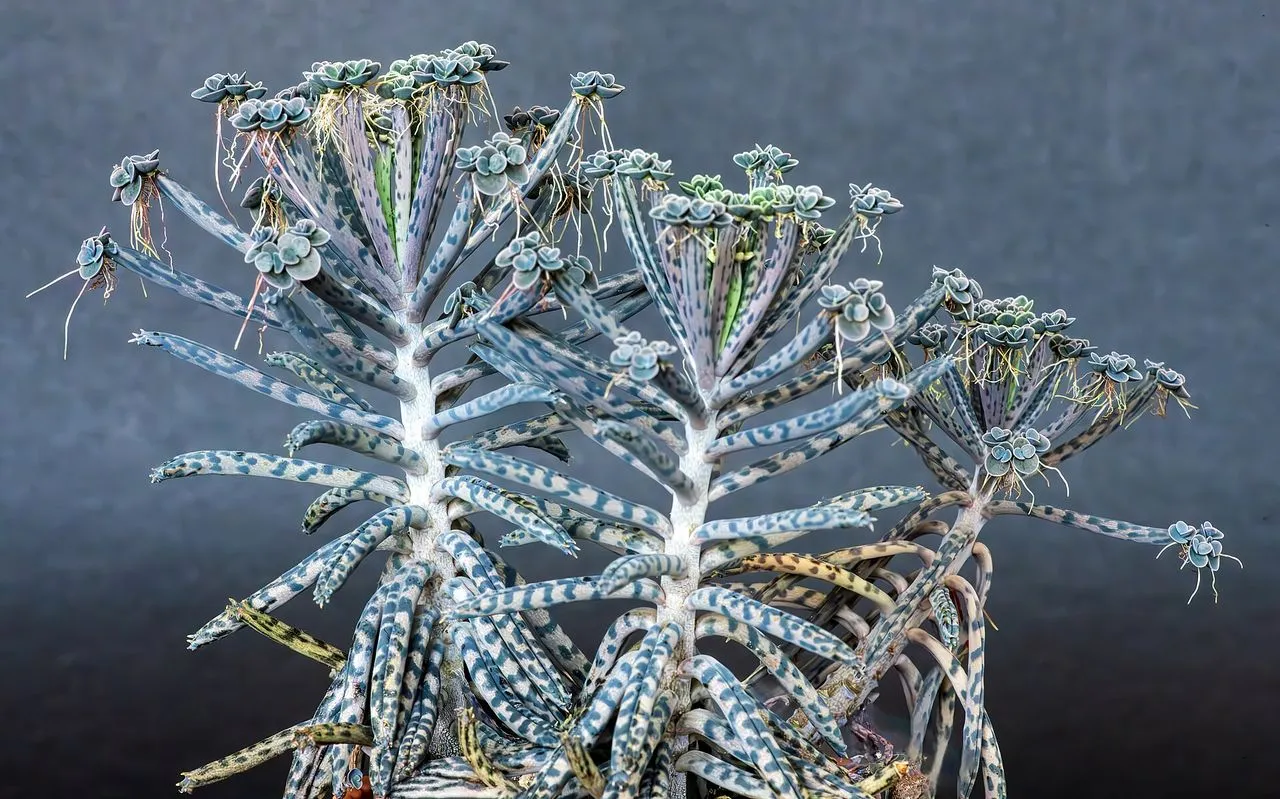
Kalanchoe Aphids: Identification, Treatment, and Prevention
Aphids cluster on kalanchoe flower stalks and new growth, causing bud drop, distorted leaves, and sooty mould.
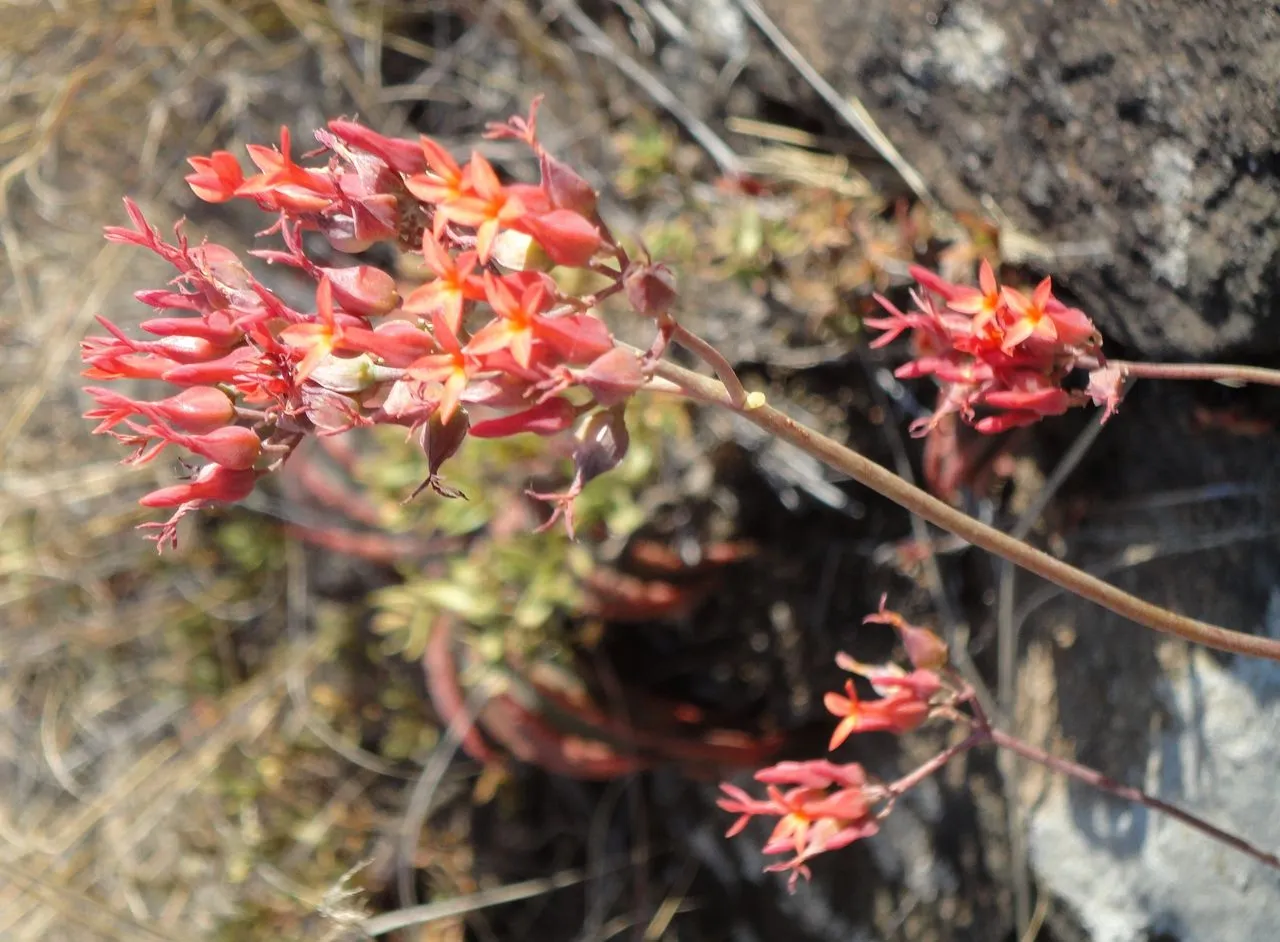
Kalanchoe Not Growing: Light, Temperature, and Seasonal Causes
Kalanchoe stops growing visibly in winter and after flowering — both normal.
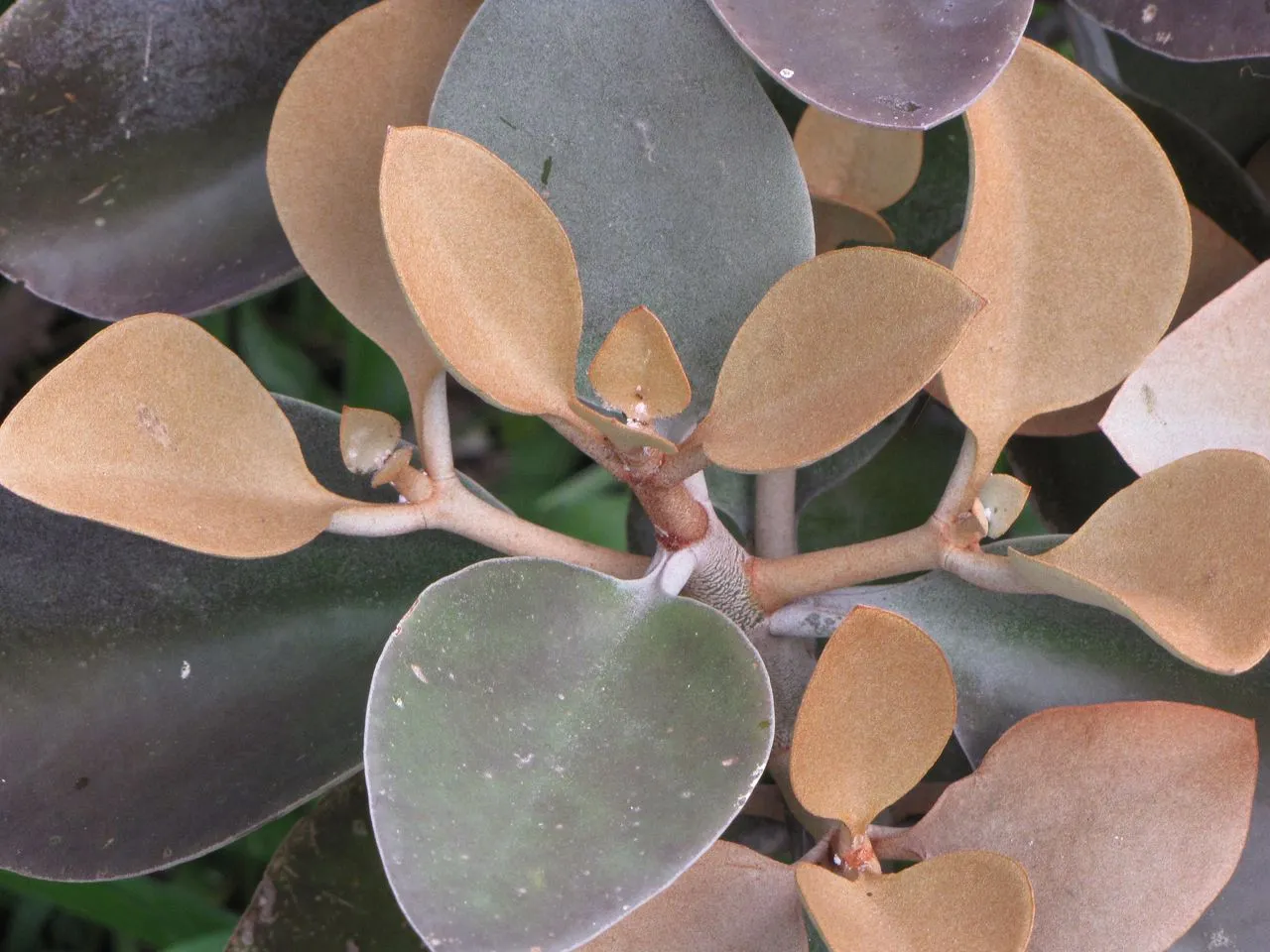
Kalanchoe Root Rot: Signs, Rescue, and Prevention
Kalanchoe root rot is caused by waterlogged substrate depriving roots of oxygen. Yellow soft leaves, sour smell, and black roots confirm it.
Kalanchoe Mealybugs: Identification, Treatment, and Prevention
Mealybugs are the most damaging pest of indoor kalanchoe, concealed in leaf axils and root zones where they drain phloem sap.
Kalanchoe Not Blooming: How to Get It to Flower Again
Kalanchoe blossfeldiana is a short-day plant that needs 14 hours of darkness per night for 4–6 weeks to initiate buds.
Kalanchoe Powdery Mildew: Identification, Treatment, and Prevention
Powdery mildew on Kalanchoe shows as white or grey dusty patches on leaves and stems.
Kalanchoe Leaves With Black Spots: Fungal, Frost, or Bruising?
Black spots on kalanchoe leaves have three main causes: fungal infection from trapped moisture, frost damage, and physical bruising.
Kalanchoe Leaves Curling: Causes and How to Fix Them
Kalanchoe leaves curling inward usually signals drought or heat stress. Curling with fine webbing means spider mites.
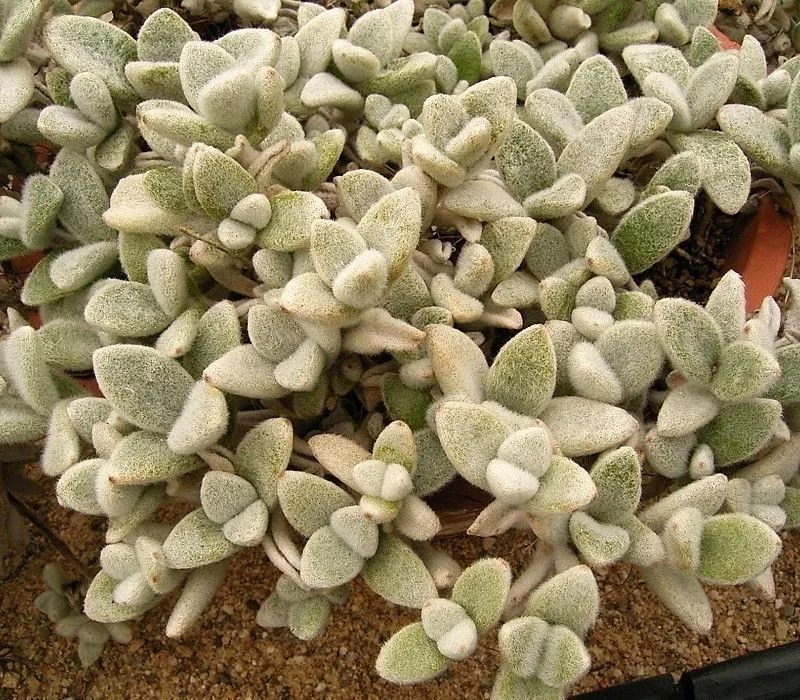
Kalanchoe Leaves Drooping: Overwatering vs Underwatering
Drooping kalanchoe leaves result from overwatering (root oxygen deprivation), underwatering (drought dehydration), heat stress, or root damage.
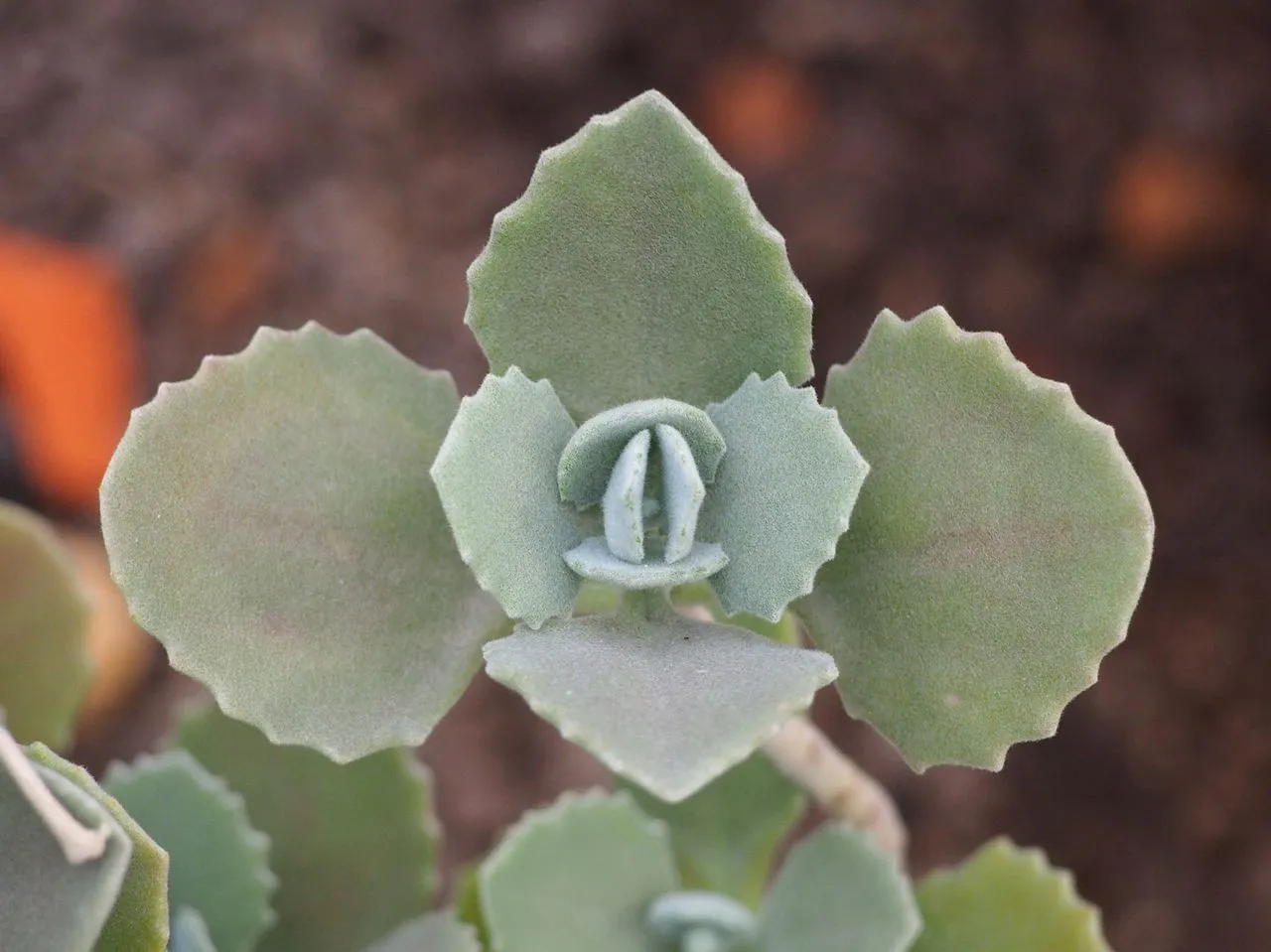
Kalanchoe Leggy After Flowering: Pruning and Recovery
Kalanchoe becomes leggy after flowering when spent flower stalks are left on, light is insufficient, or the plant is not pruned.
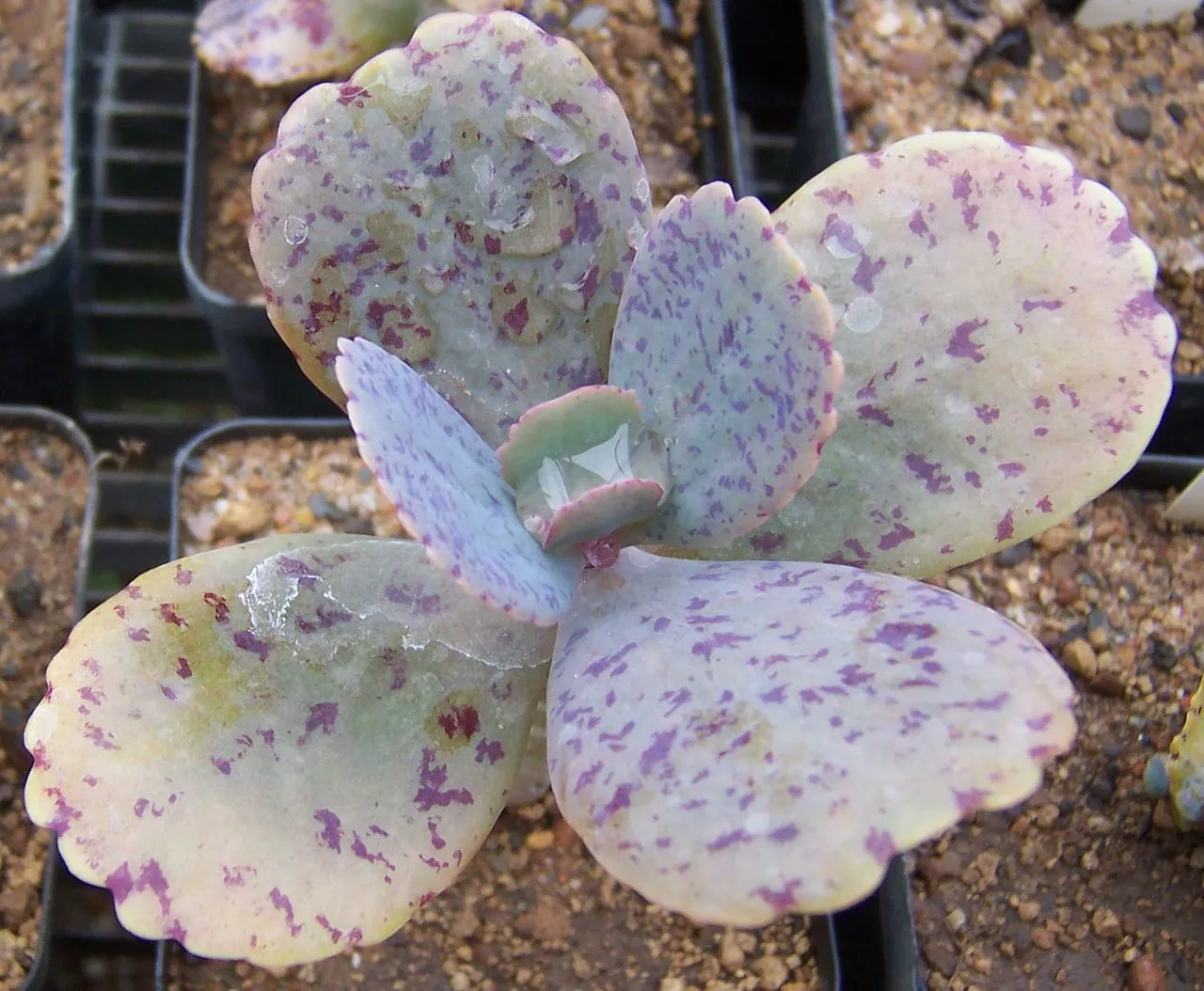
Kalanchoe marmorata (Penwiper Plant): Profile & Care
Profile of Kalanchoe marmorata with penwiper leaf blotches, East African habitat, light, water, frost limits, toxicity, and lookalike ID notes for growers.
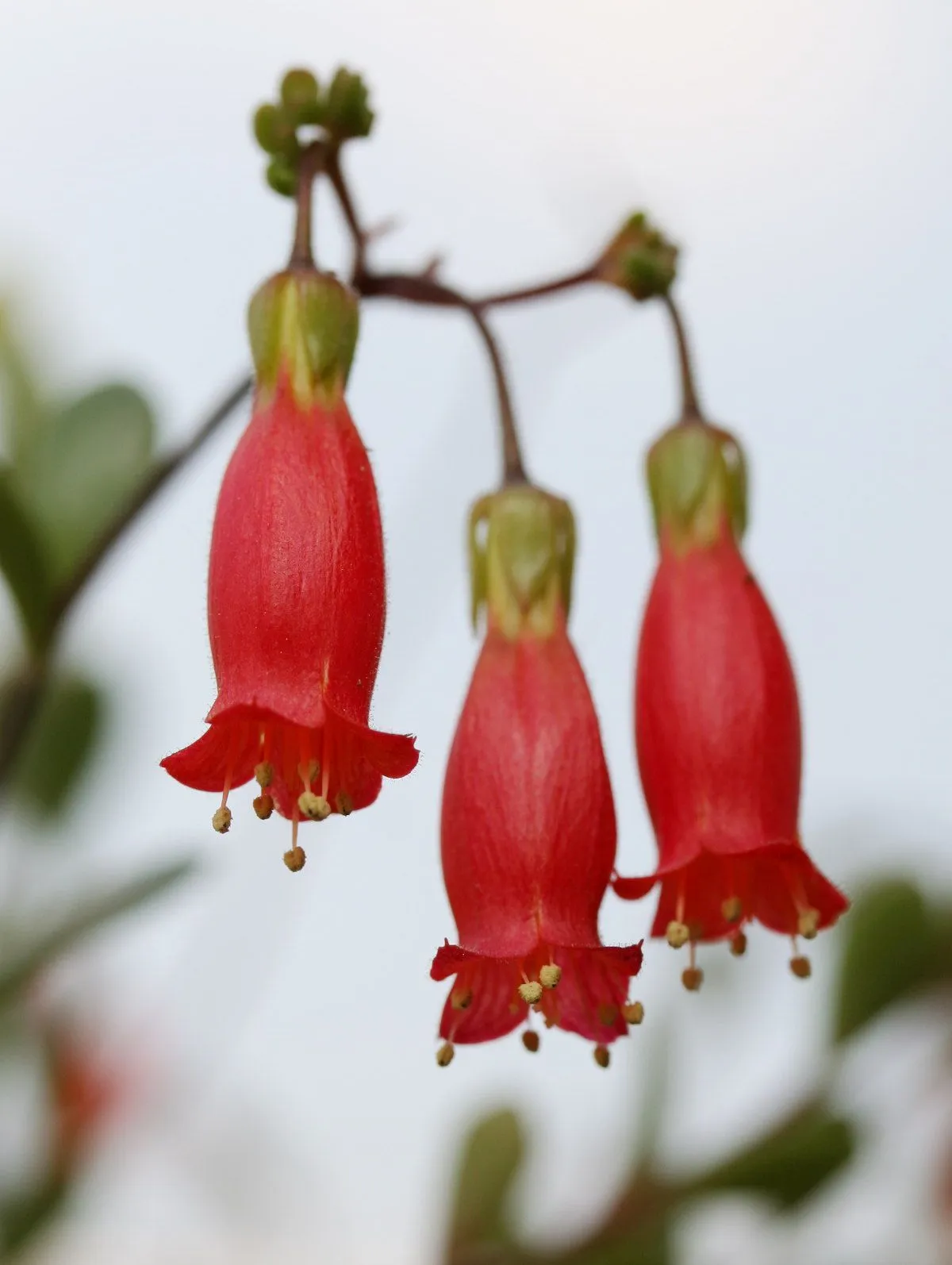
Kalanchoe manginii (Chandelier Plant): Profile & Care
Profile of Kalanchoe manginii, the Madagascan chandelier plant, with cluster-flower diagnosis, hanging basket care, light, water, frost limits, pet safety.
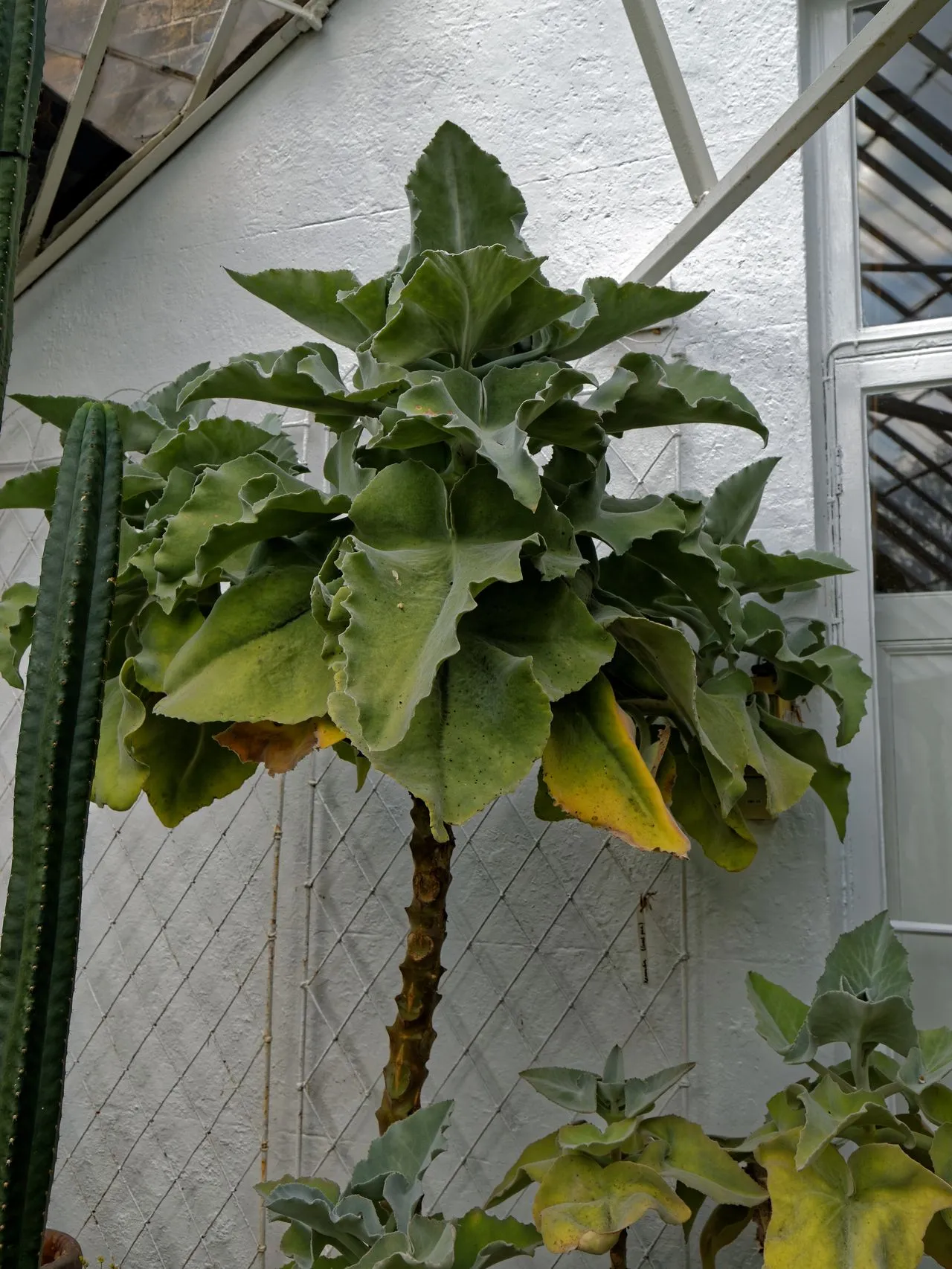
Kalanchoe beharensis (Felt Plant / Velvet Leaf): Profile & Care
Kalanchoe beharensis (felt plant) from southern Madagascar: profile and care guide for this tree-forming succulent, with cultivar and propagation notes.
Kalanchoe orgyalis (Copper Spoons): Profile & Care
Profile of Kalanchoe orgyalis with copper leaf traits, Madagascar origin, light, water, frost limits, propagation timing, and lookalike ID notes for growers.
Kalanchoe rotundifolia (Common Kalanchoe): Profile & Care
Profile of Kalanchoe rotundifolia with round-obovate leaves, southern African habitat, light, water, frost limits, toxicity, and lookalike ID notes for growers.
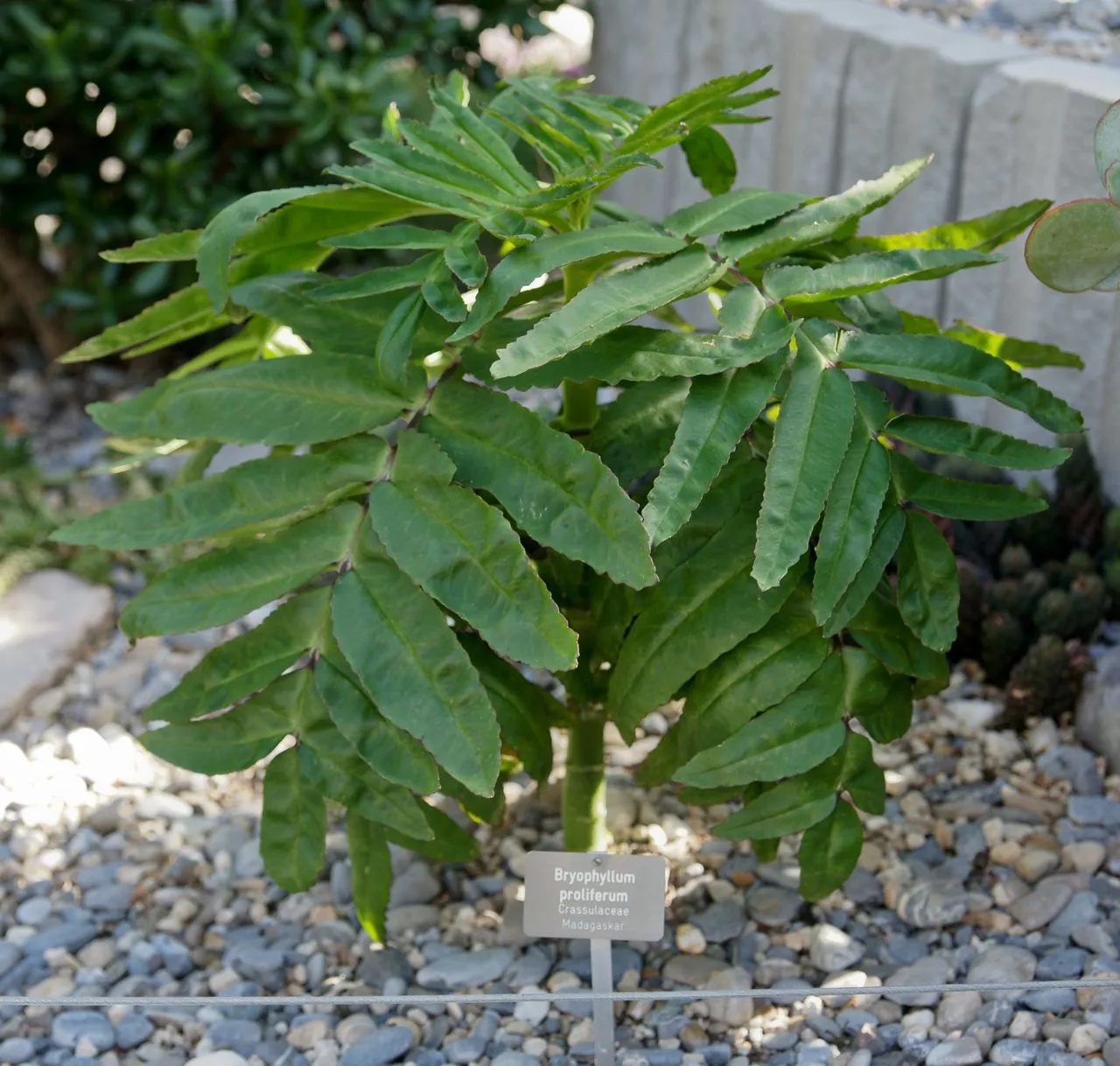
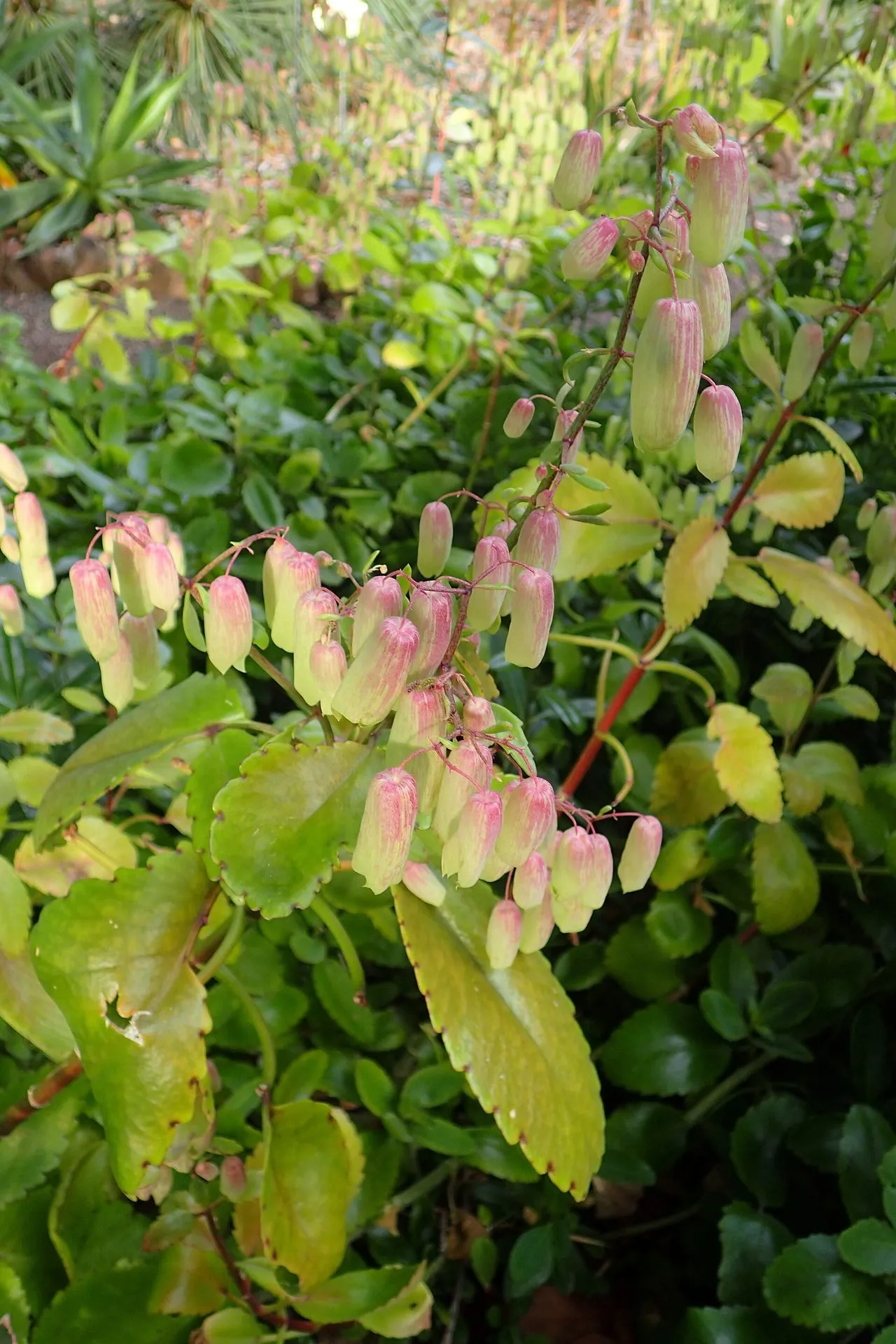
Kalanchoe prolifera (Blooming Kalanchoe): Profile & Care
Profile of Kalanchoe prolifera with bulbil-bearing pinnate leaves, Madagascar habitat, light, water, frost limits, toxicity, and lookalike ID notes for growers.
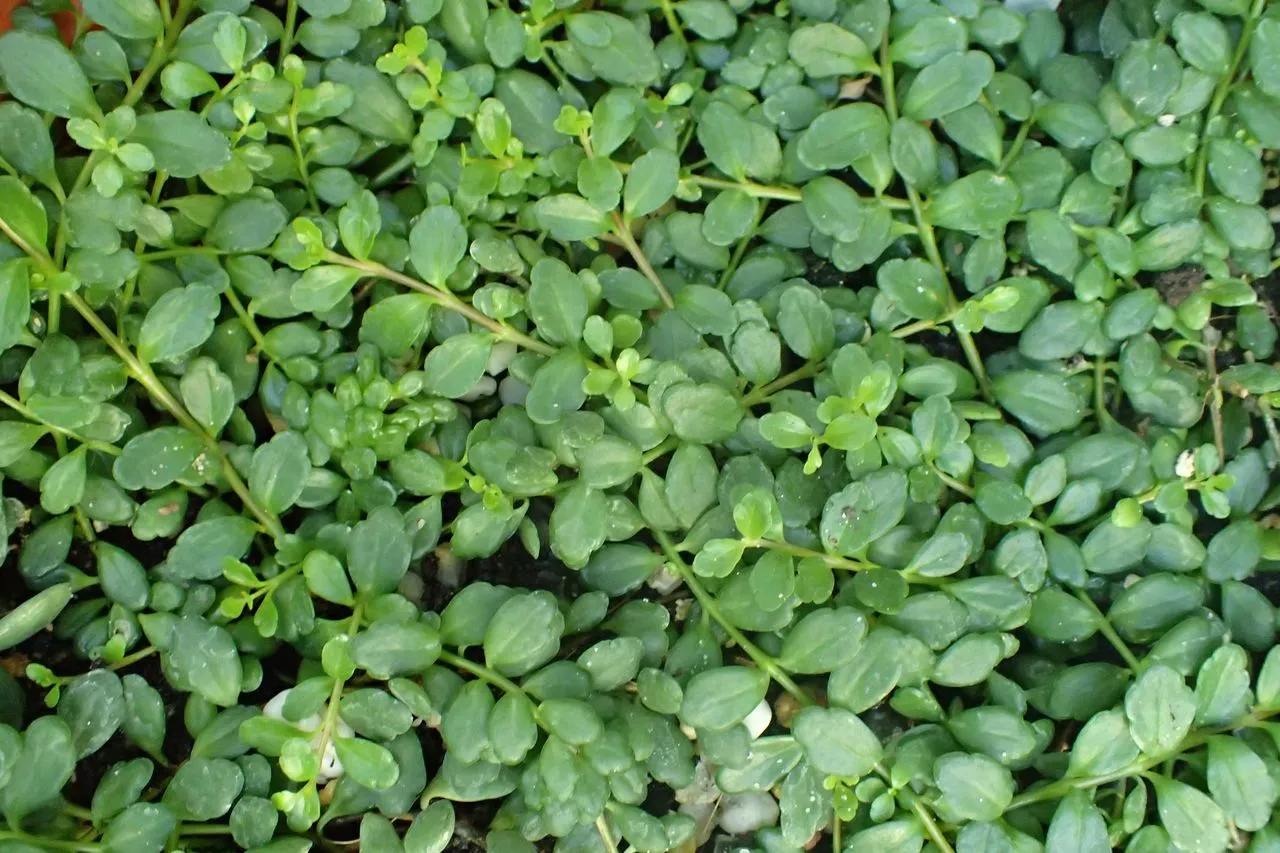
Kalanchoe uniflora (Coral Bells): Profile & Care
Profile of Kalanchoe uniflora, the Madagascan coral bells epiphyte, with identification, hanging basket use, light, water, frost limits, and pet toxicity notes.
Kalanchoe eriophylla (Snow White Panda Plant): Profile & Care
Profile of Kalanchoe eriophylla, the snow white panda plant from highland Madagascar, with identification, light, water, frost limits, and propagation notes.
Kalanchoe rhombopilosa (Pies from Heaven): Profile & Care
Profile of Kalanchoe rhombopilosa, the pies from heaven succulent from southwestern Madagascar, with rhomboid leaf identification, light, water, frost notes.
Kalanchoe millotii: Profile & Care
Profile of Kalanchoe millotii with identification traits, Madagascar origin, light, water, frost limits, propagation timing, and key lookalike differences.
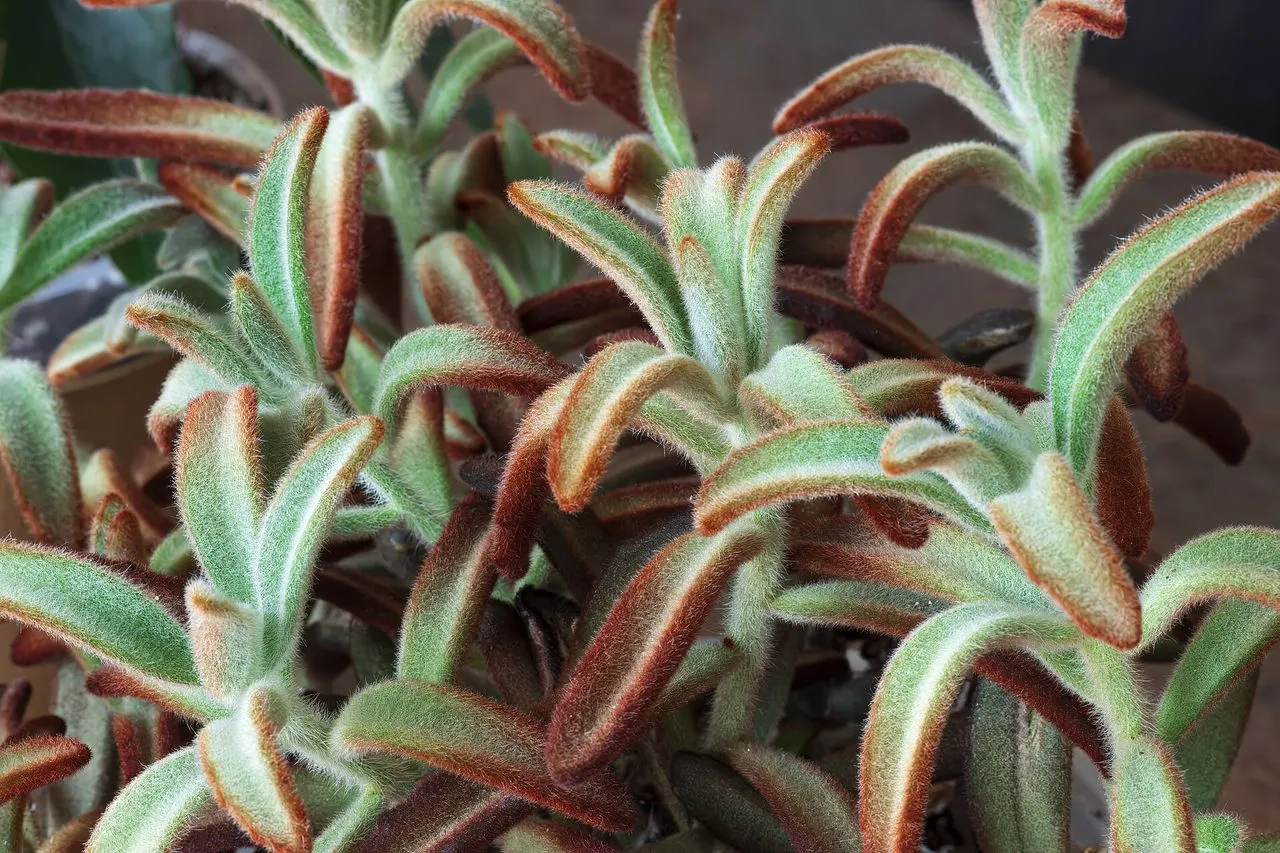
Kalanchoe tomentosa: The Panda Plant
Identification and cultivation of Kalanchoe tomentosa, the silver-fuzzy panda plant from Madagascar, with notes on watering, propagation from single…
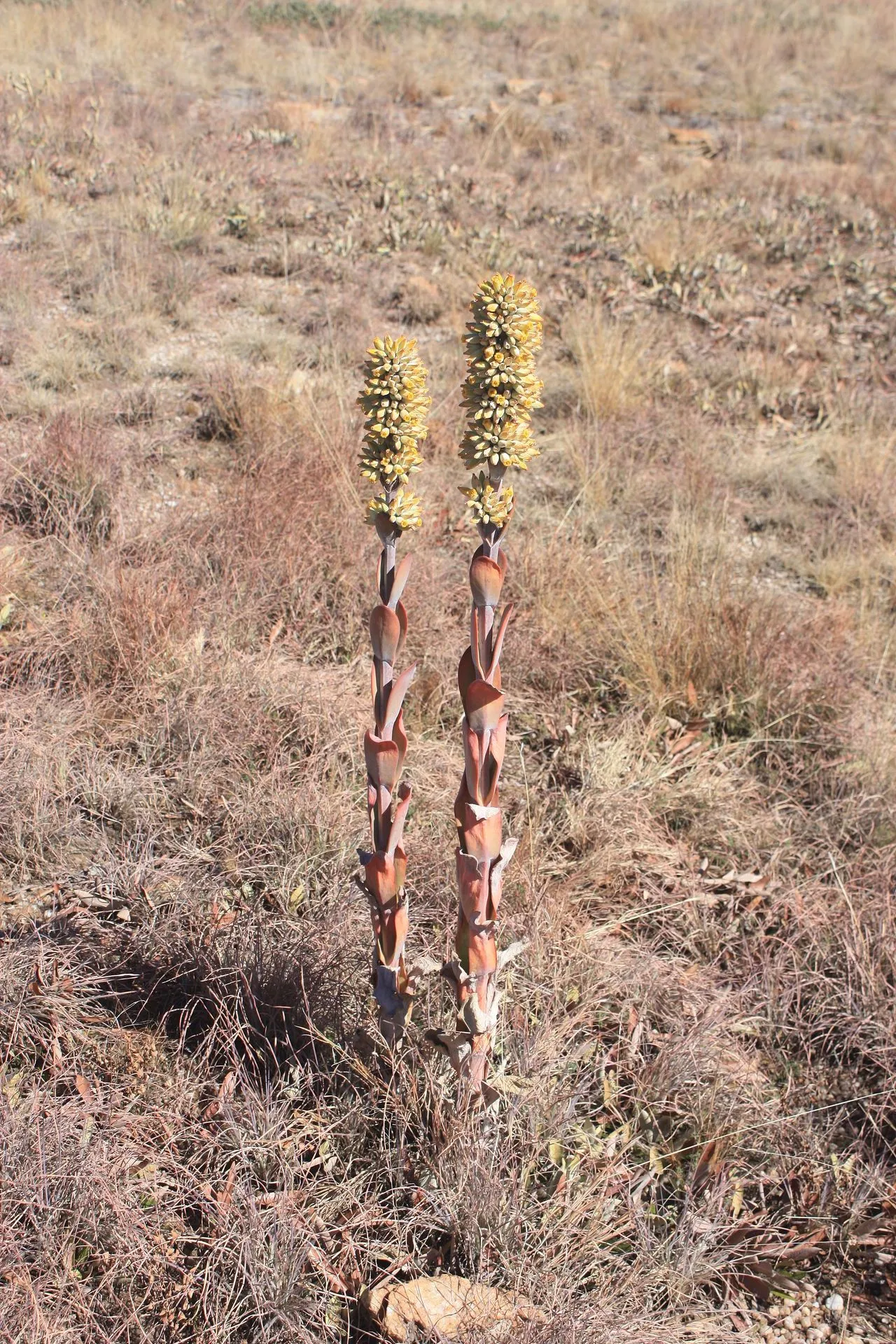
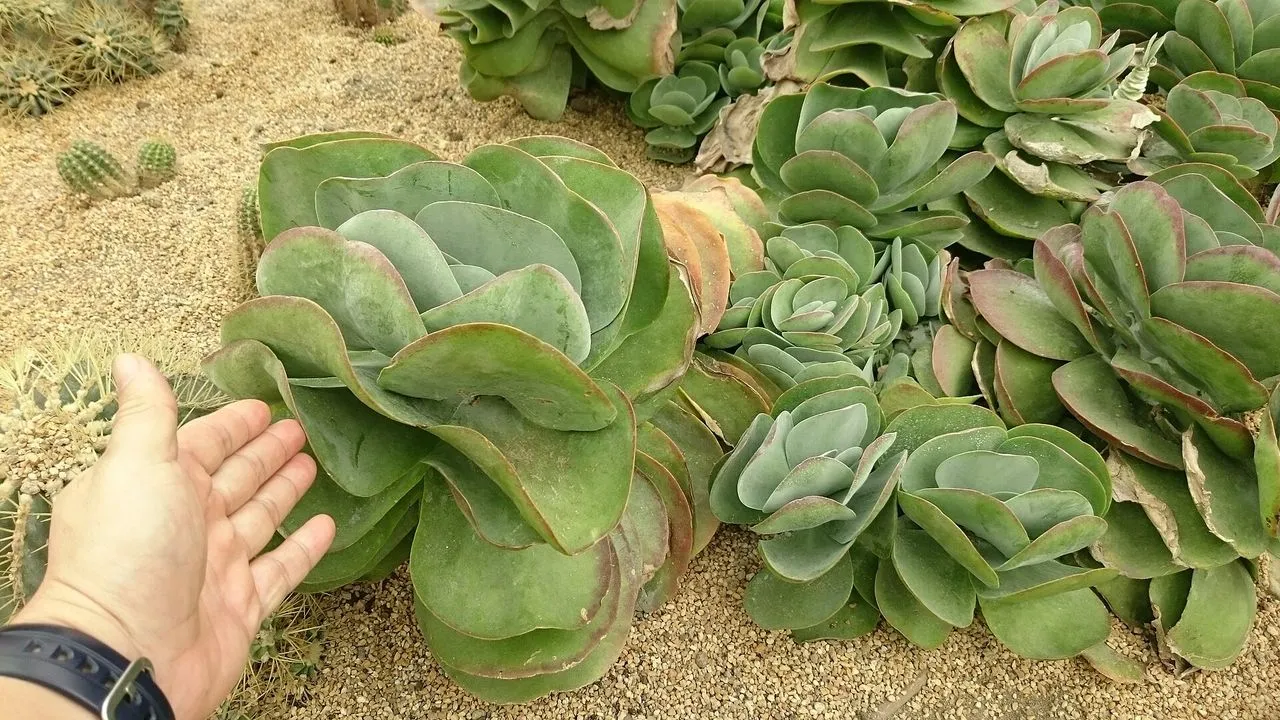
Kalanchoe thyrsiflora: The True Paddle Plant
Identification of Kalanchoe thyrsiflora, the South African paddle plant, with the practical characters that distinguish it from the commonly confused…
Kalanchoe luciae: The Red-Edged Paddle Plant
Identification and care for Kalanchoe luciae, the red-edged paddle plant routinely mislabelled as K.
Kalanchoe pinnata: The Air Plant or Miracle Leaf
Identification and cultivation notes for Kalanchoe pinnata, the pantropical air plant whose fallen leaves root and regenerate, with a short note on its…
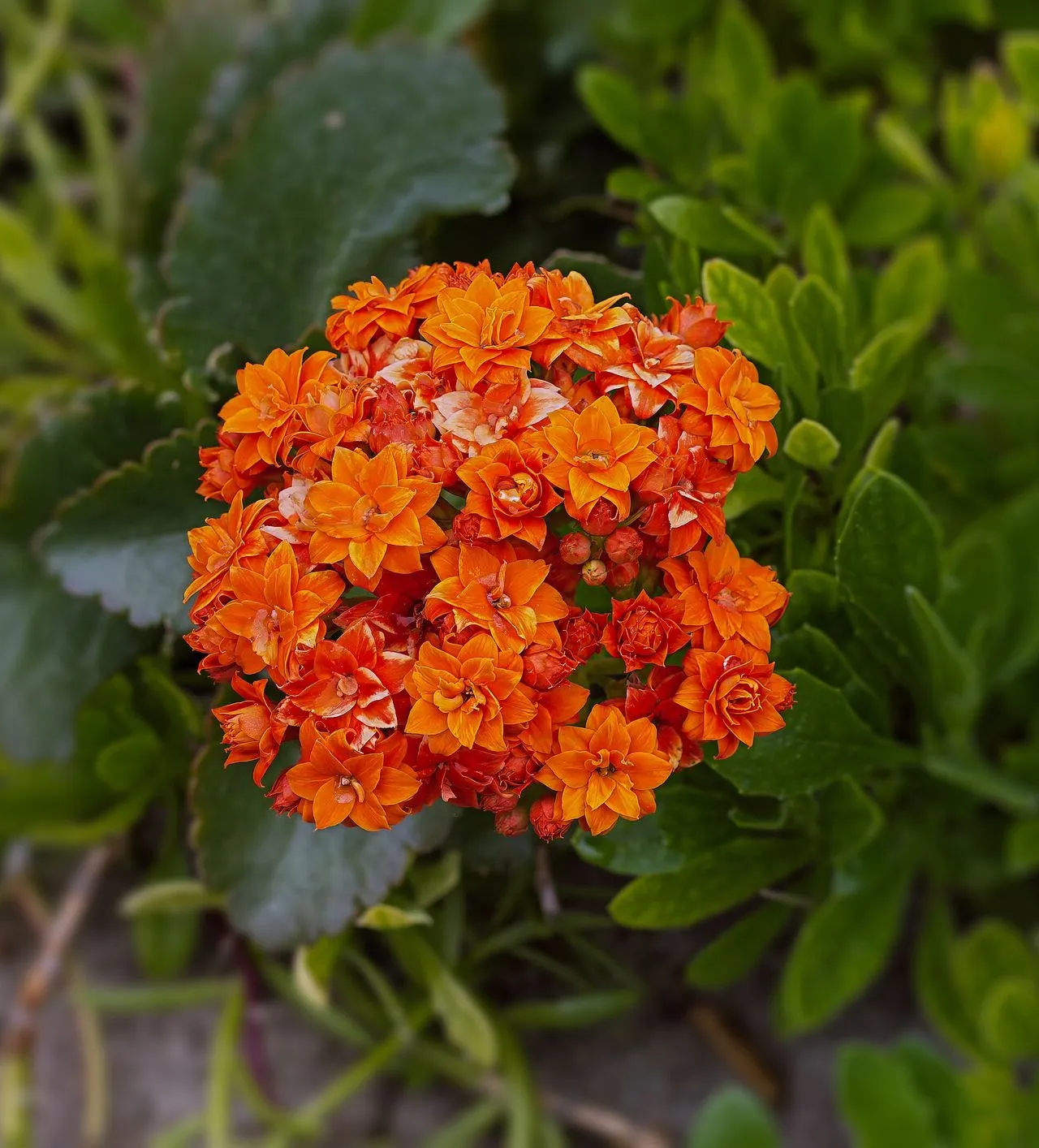
Kalanchoe blossfeldiana: The Flaming Katy and How to Rebloom It
After flowering, grow it bright and dry-cycled, then begin the closet photoperiod protocol in early autumn.
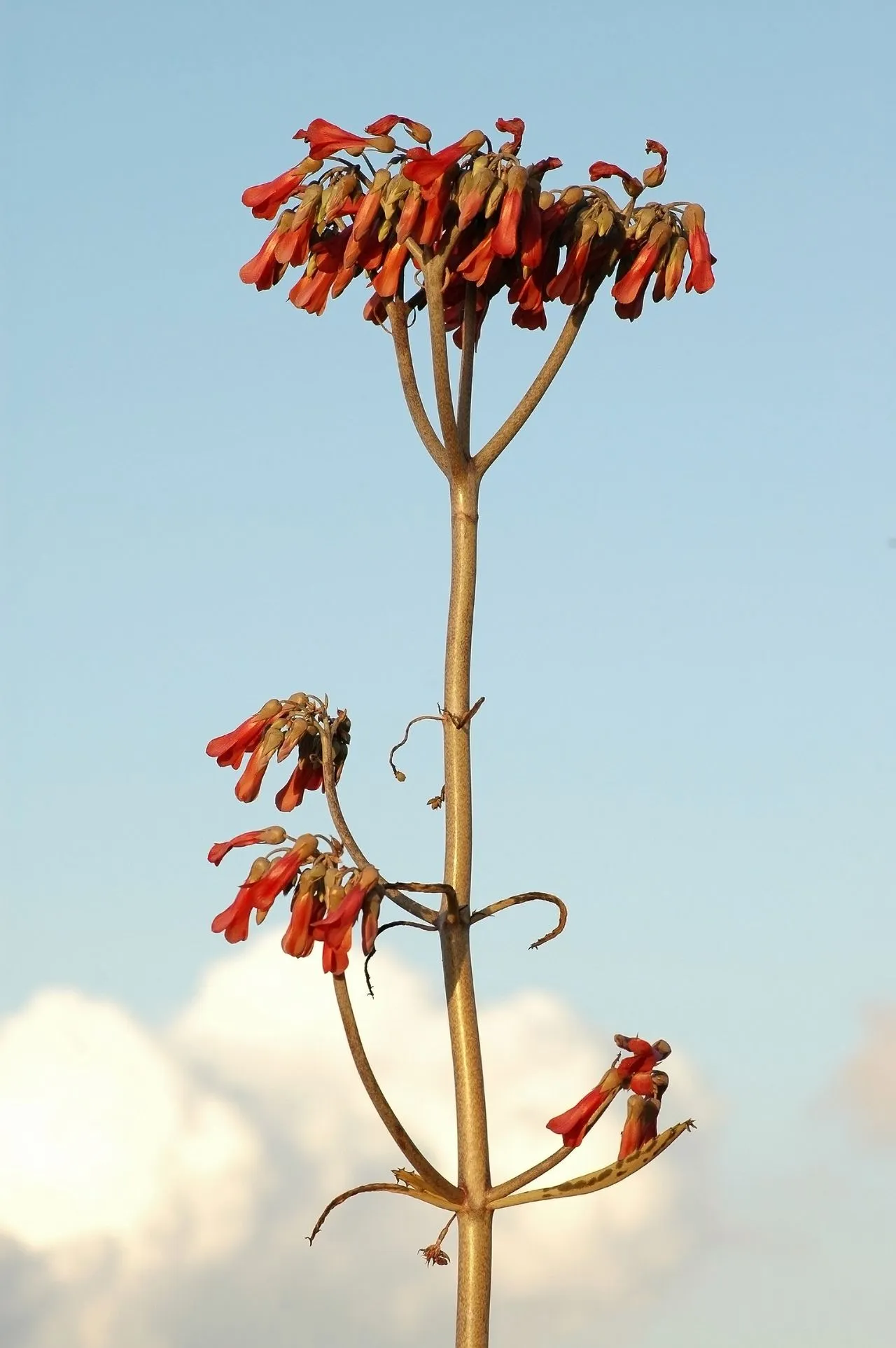
Kalanchoe daigremontiana: Mother of Thousands
Identification, cultivation, and containment of Kalanchoe daigremontiana, the bulbil-producing mother of thousands from Madagascar, now invasive across…
Kalanchoe delagoensis: The Chandelier Plant
Identification and care notes for Kalanchoe delagoensis, the tubular-leaved chandelier plant with apical bulbils, now invasive across frost-free regions.
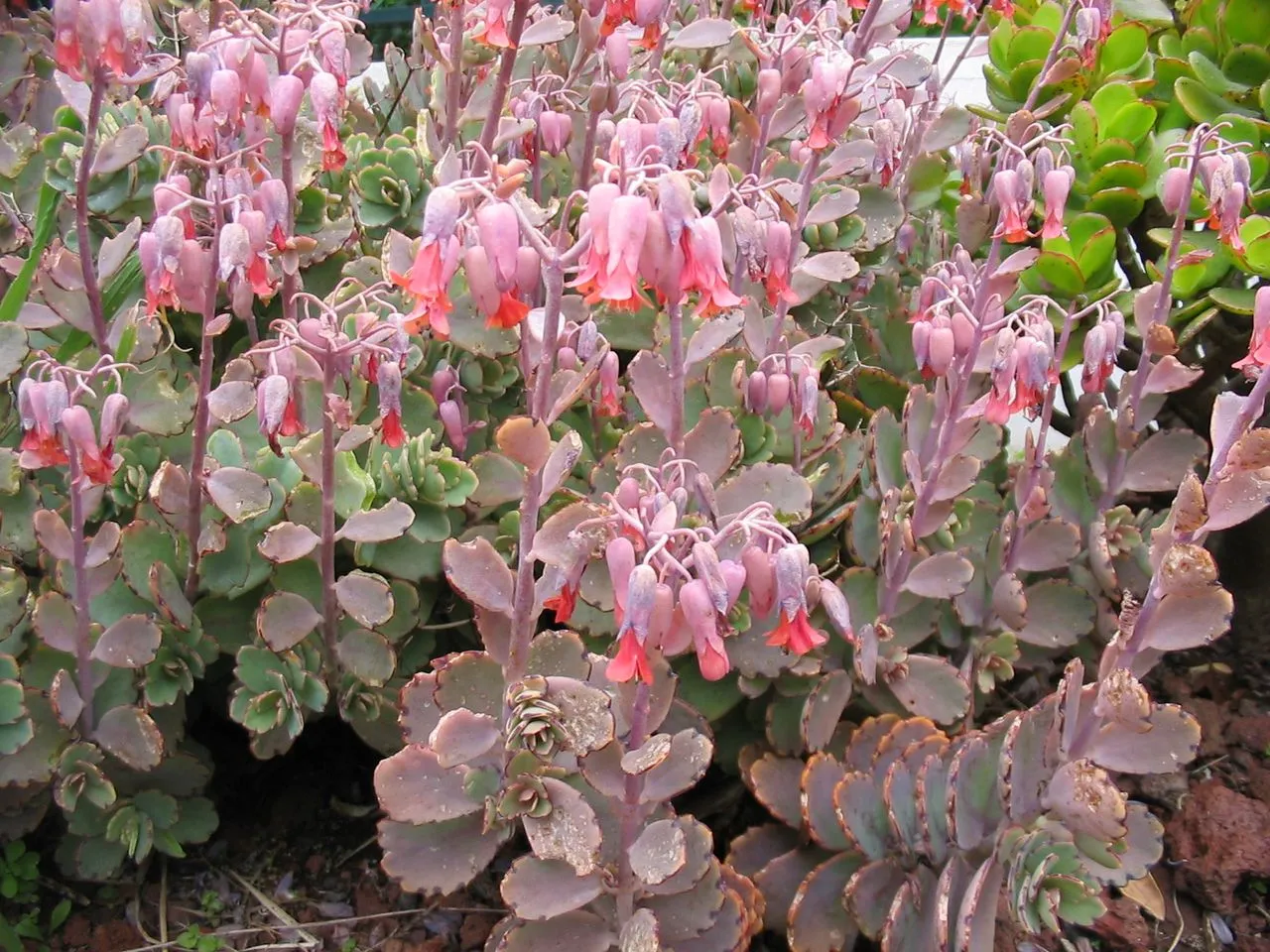
Kalanchoe fedtschenkoi: Lavender Scallops
Identification and cultivation of Kalanchoe fedtschenkoi, the lavender scallops of Madagascar, with notes on the common variegated cultivar and its…