Genus Reference
Echeveria
Echeveria rosette guides — cultivars, propagation, and seasonal care.
The Complete Echeveria Guide: Identification, Cultivation & Propagation
Keep echeverias compact with bright light, fast-draining soil, careful watering, and early fixes for stretching, rot, and faded color.
Read the guide →Species & Cultivars
All articles in this section
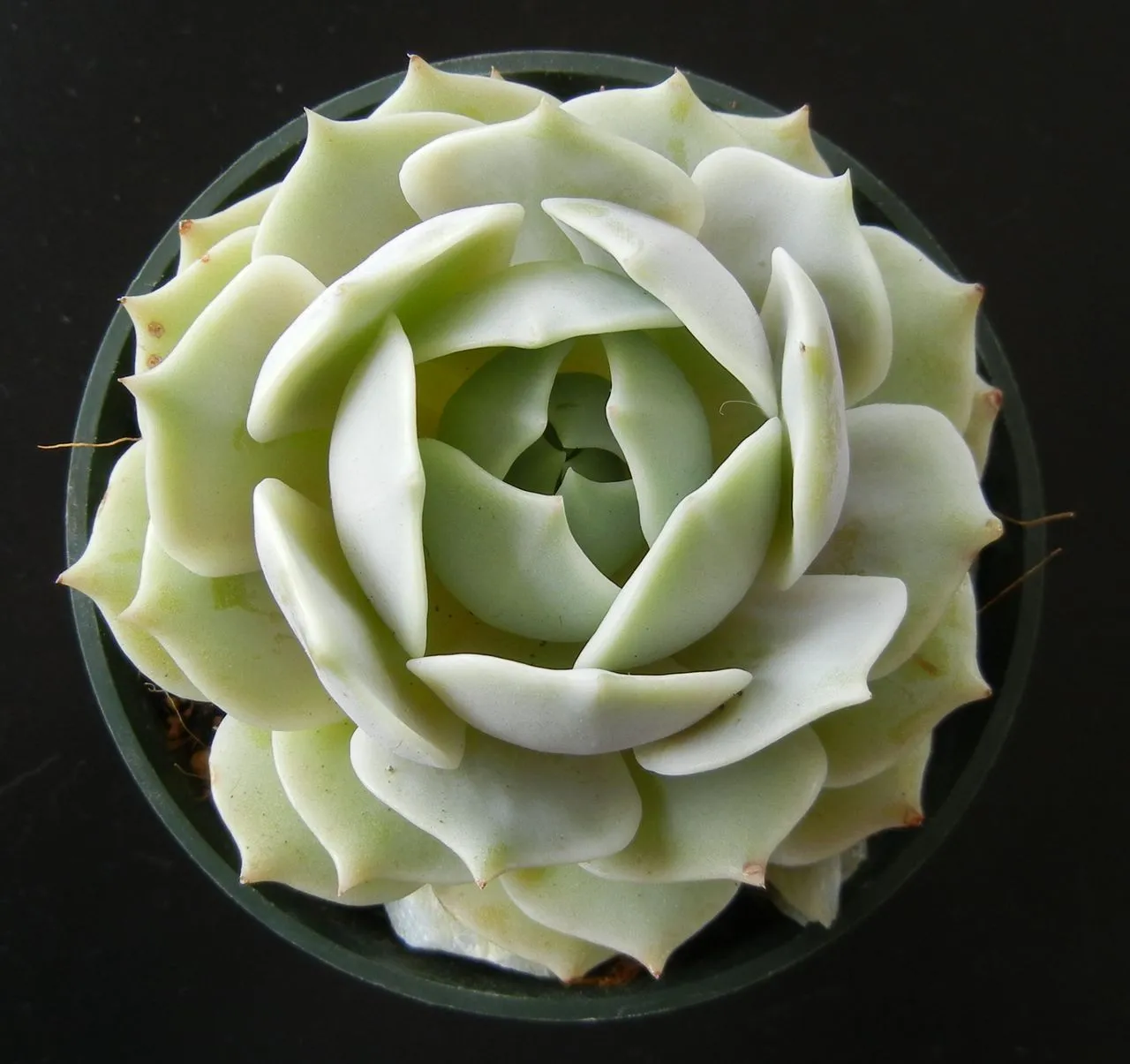
Aphids on Echeveria: Identify, Treat, and Prevent Infestations
Aphids target Echeveria flower scapes and new leaf growth, causing distortion, honeydew, and secondary mould.
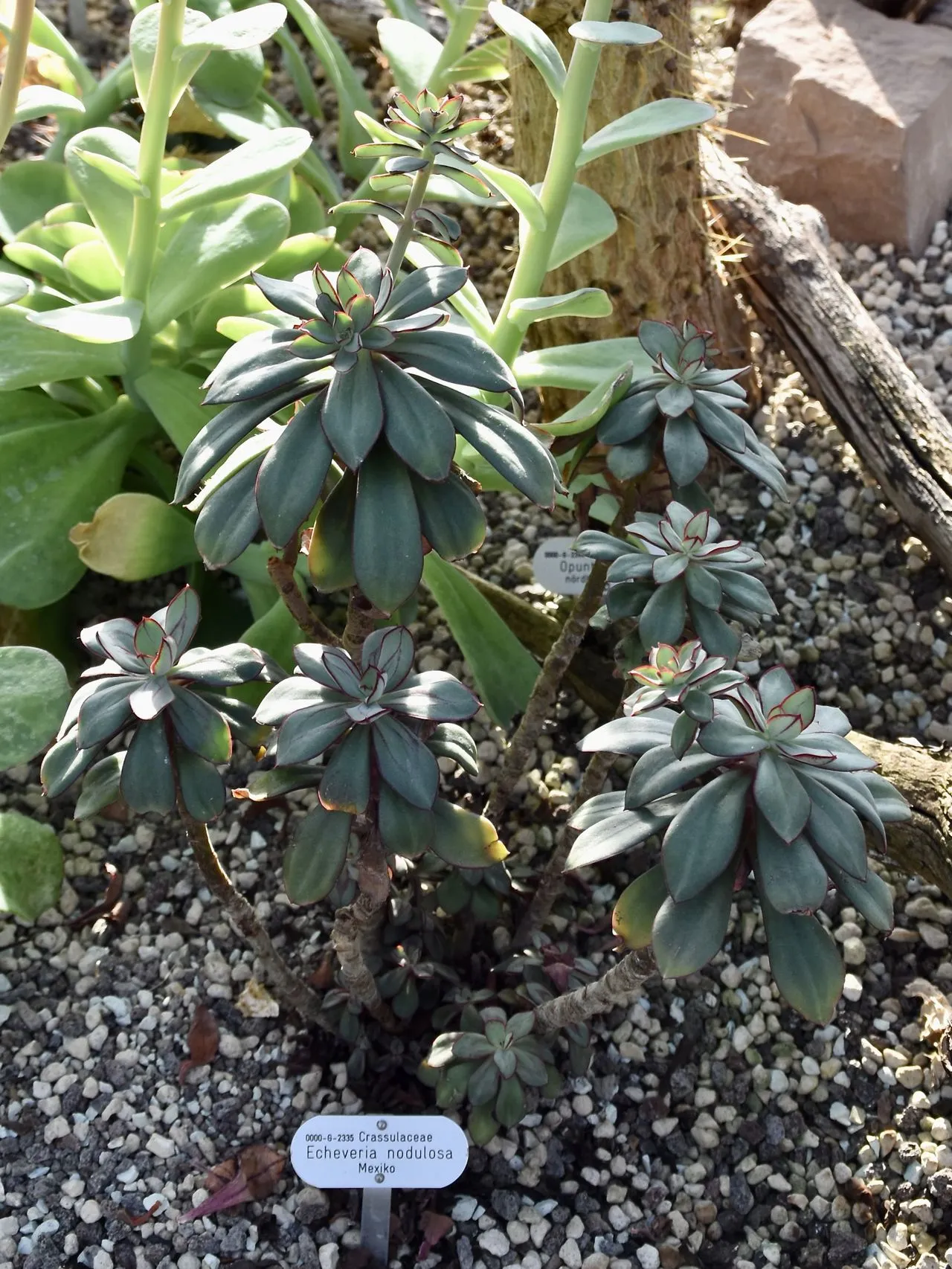
Echeveria Crown Rot: Saving a Rosette When the Centre Turns Mushy
Soft, brown, or translucent tissue at the growing point of an Echeveria rosette is crown rot — the most time-critical succulent emergency.
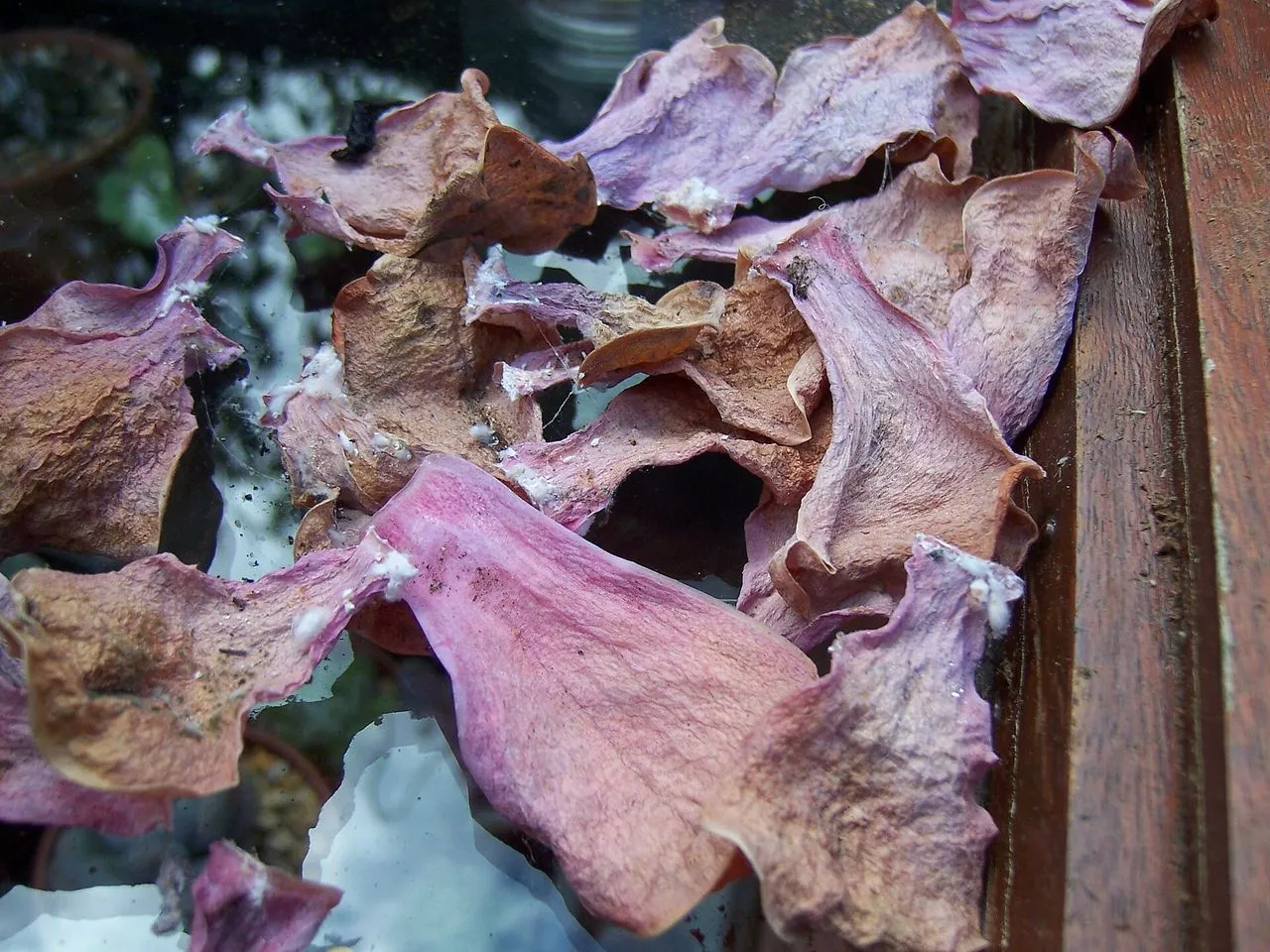
Echeveria Spots on Leaves: Sunburn, Edema, Pests and Disease
Spots on Echeveria leaves may be permanent sunburn, edema, pest damage, fungal disease, farina loss, or mechanical scarring. Diagnose by texture and spread.
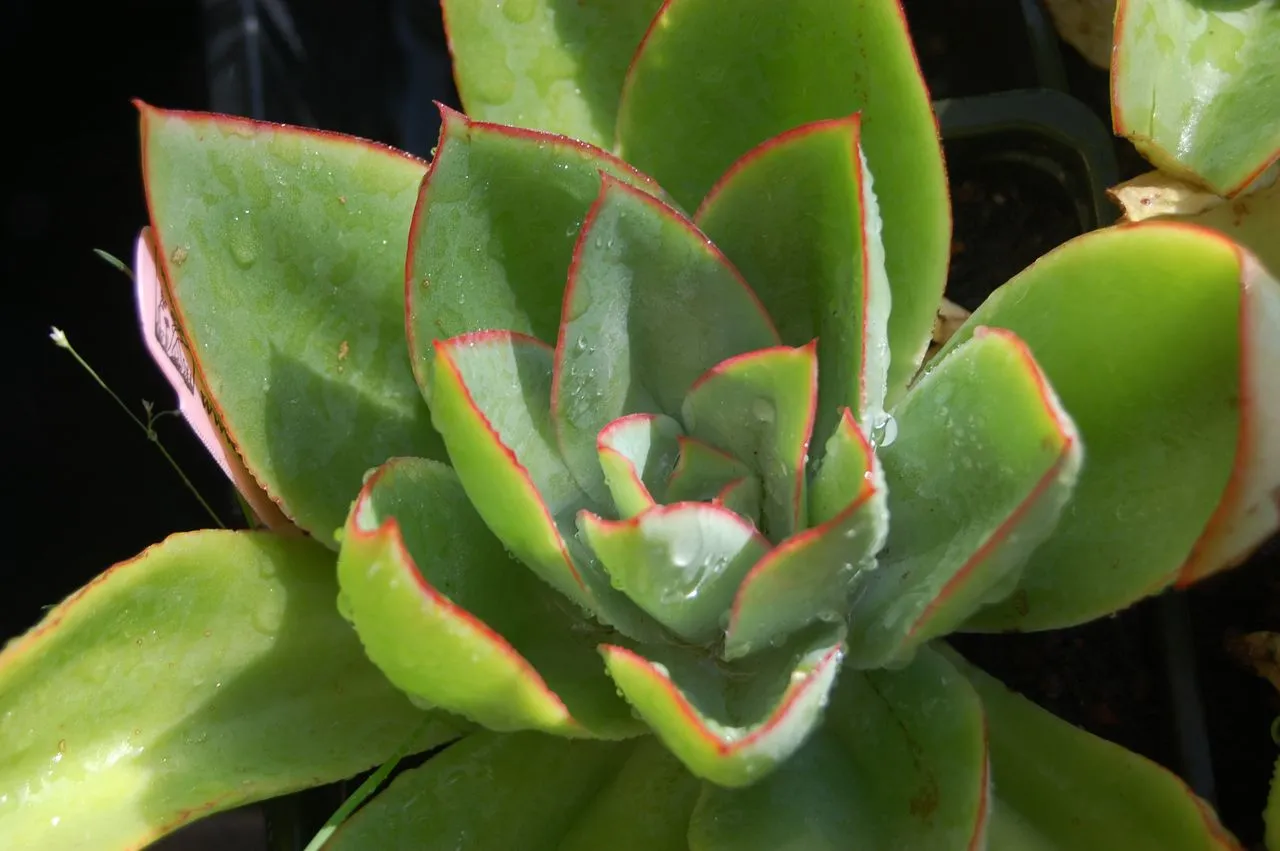
Echeveria Stretched and Leggy: Why It Happens and What to Do
A leggy Echeveria is etiolated from insufficient light. Learn how to stop new stretching, when to behead, and how to prevent repeat growth.
Echeveria Leaves Turning Yellow: Causes and Recovery
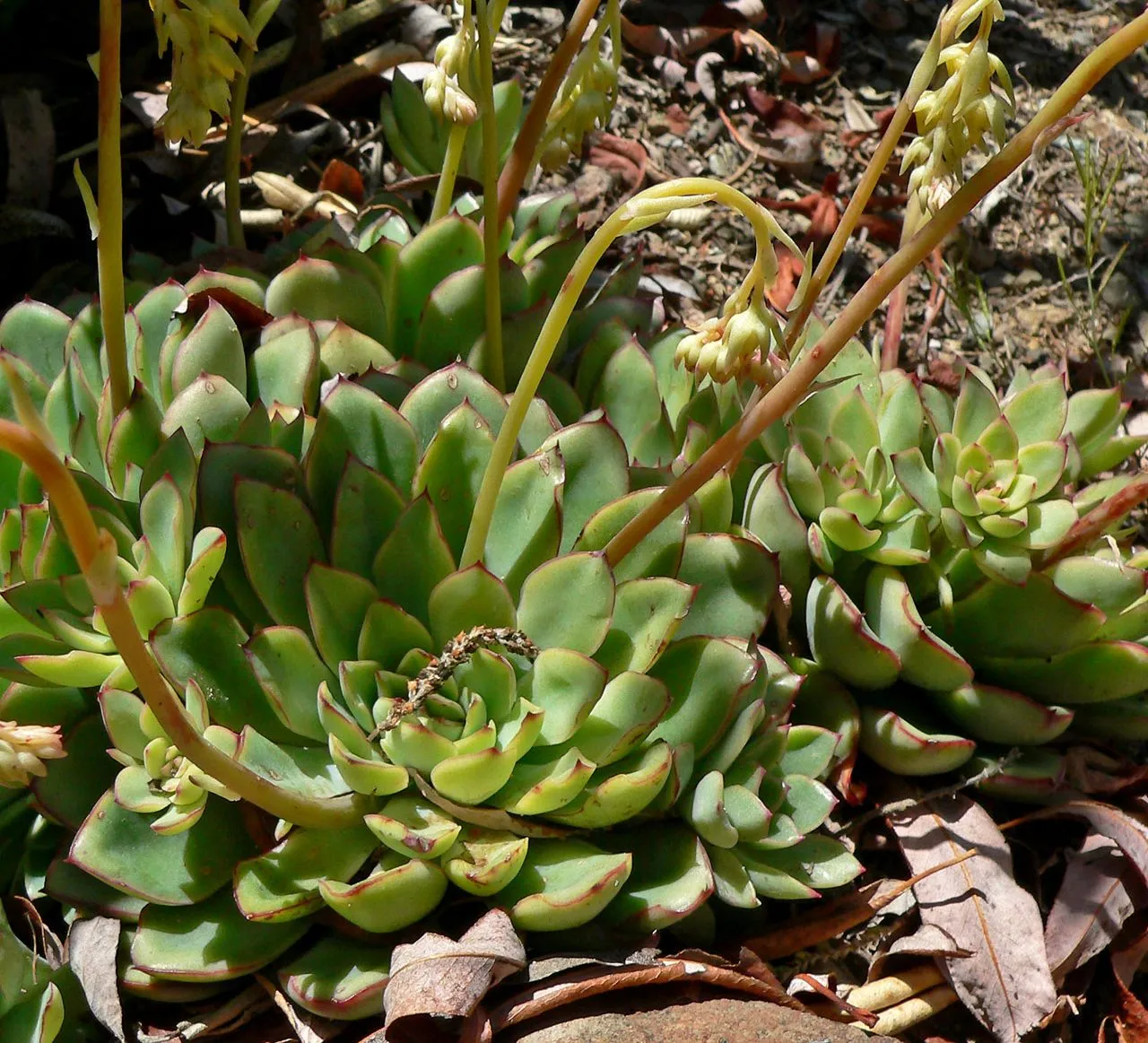
Yellow Echeveria leaves can be normal senescence, over-watering, root rot, drought, low light, or nutrient stress.
Echeveria Not Flowering: Light, Maturity, and Seasonal Cues
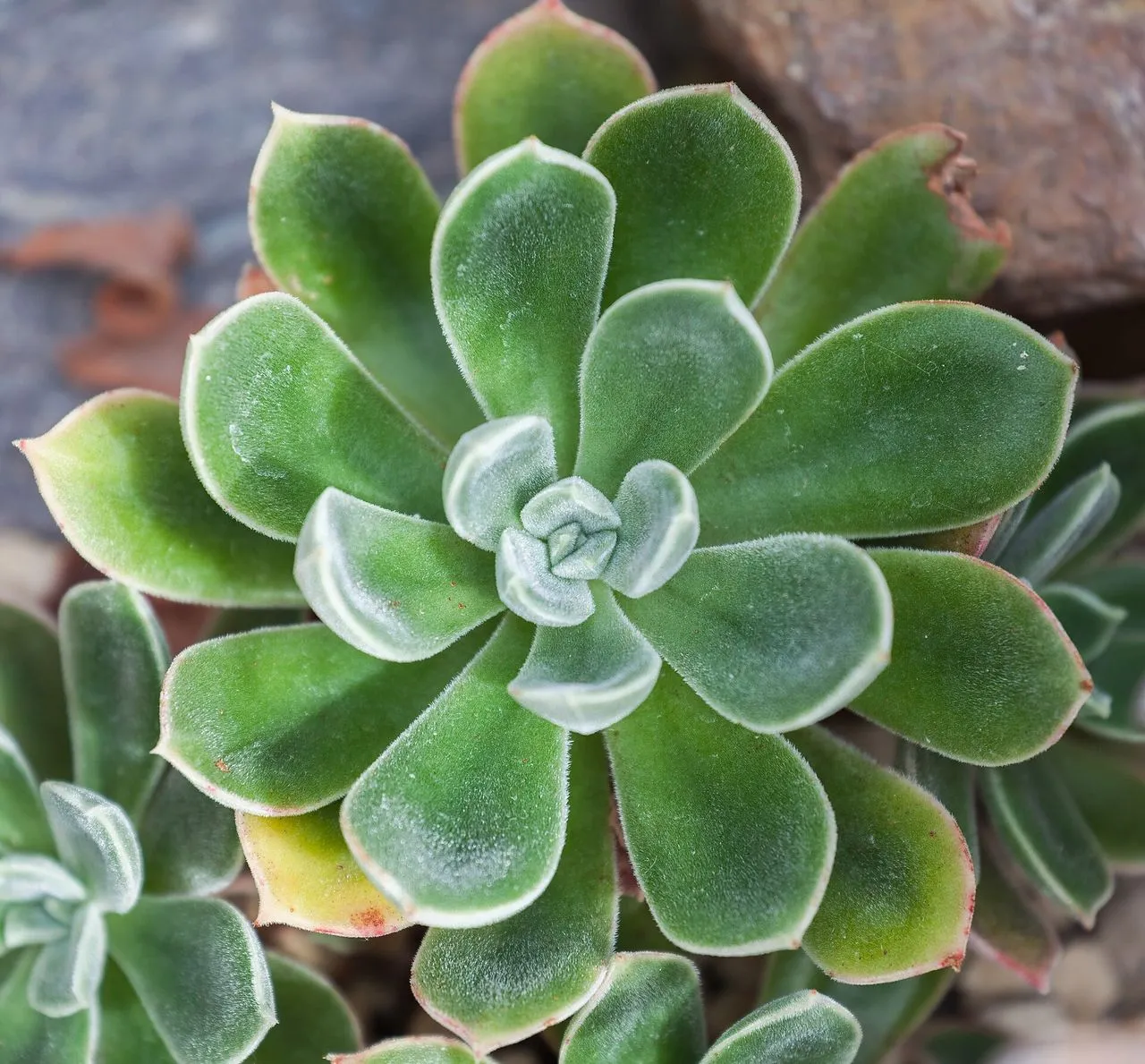
An Echeveria that will not flower is usually immature, under-lit, or lacking the seasonal temperature shift that triggers bud initiation.
Echeveria Edema: What Those Blisters and Corky Patches Mean
Raised blisters and corky patches on Echeveria leaves are plant edema, an overwatering symptom not a disease.
Echeveria Bloomed — Now What? Post-Flower Rosette Care
Echeveria are polycarpic and the rosette does not die after flowering.
Echeveria Mealybug Treatment: Remove Pests Without Damaging the Rosette
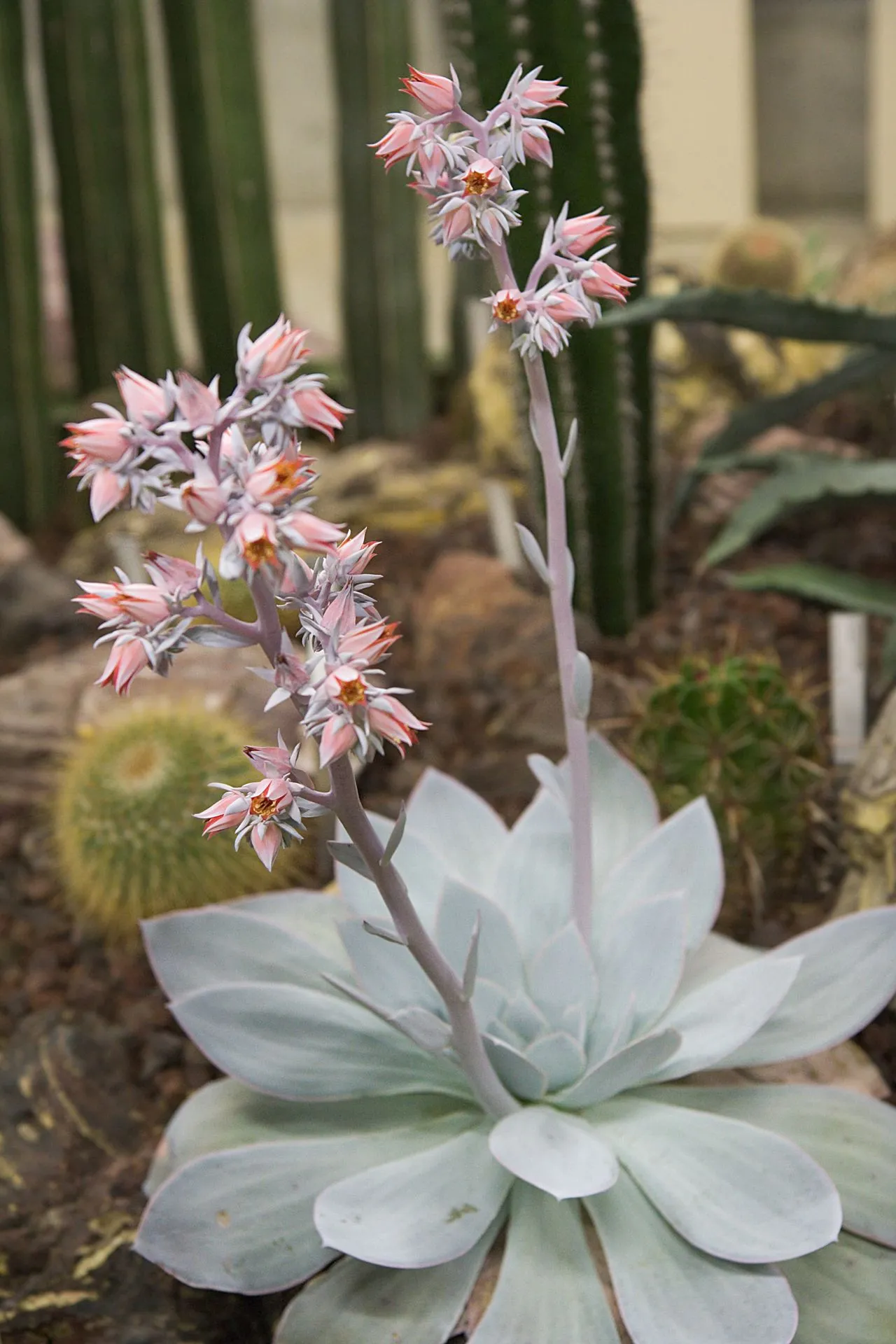
Mealybugs hide in Echeveria leaf axils and roots. Treat visible insects with alcohol swabs, isolate plants, inspect roots, and repeat weekly.
Echeveria Leaves Wrinkled: Drought, Roots, Heat and Rot
Wrinkled Echeveria leaves usually mean stored water is being used, but the cause can be drought, dead roots, summer heat, or root rot.
Echeveria derenbergii (Painted Lady): Profile & Care
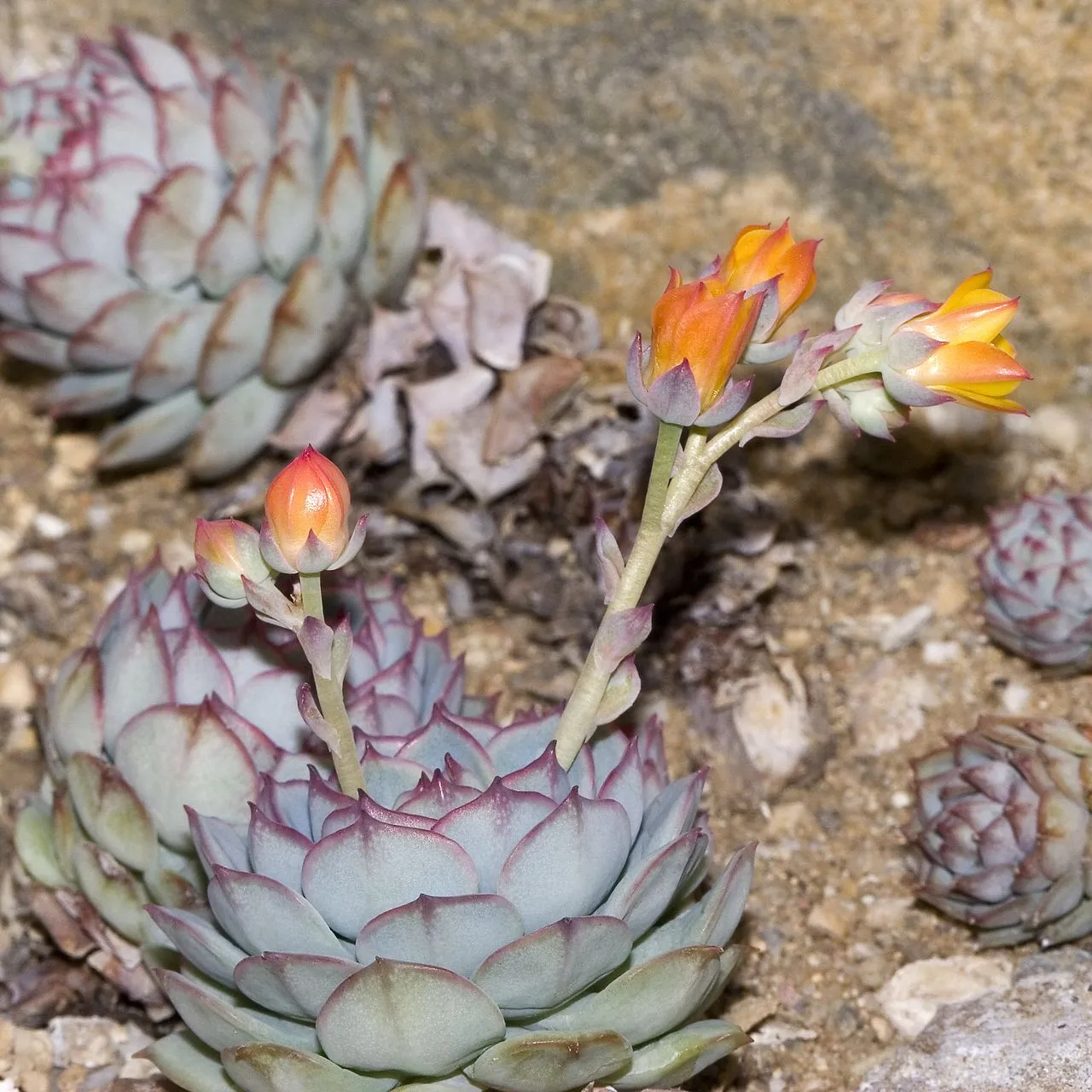
Profile of Echeveria derenbergii, the Painted Lady: tight grey rosettes with red leaf tips, prolific offsetting, and bicolour orange and yellow bell flowers.
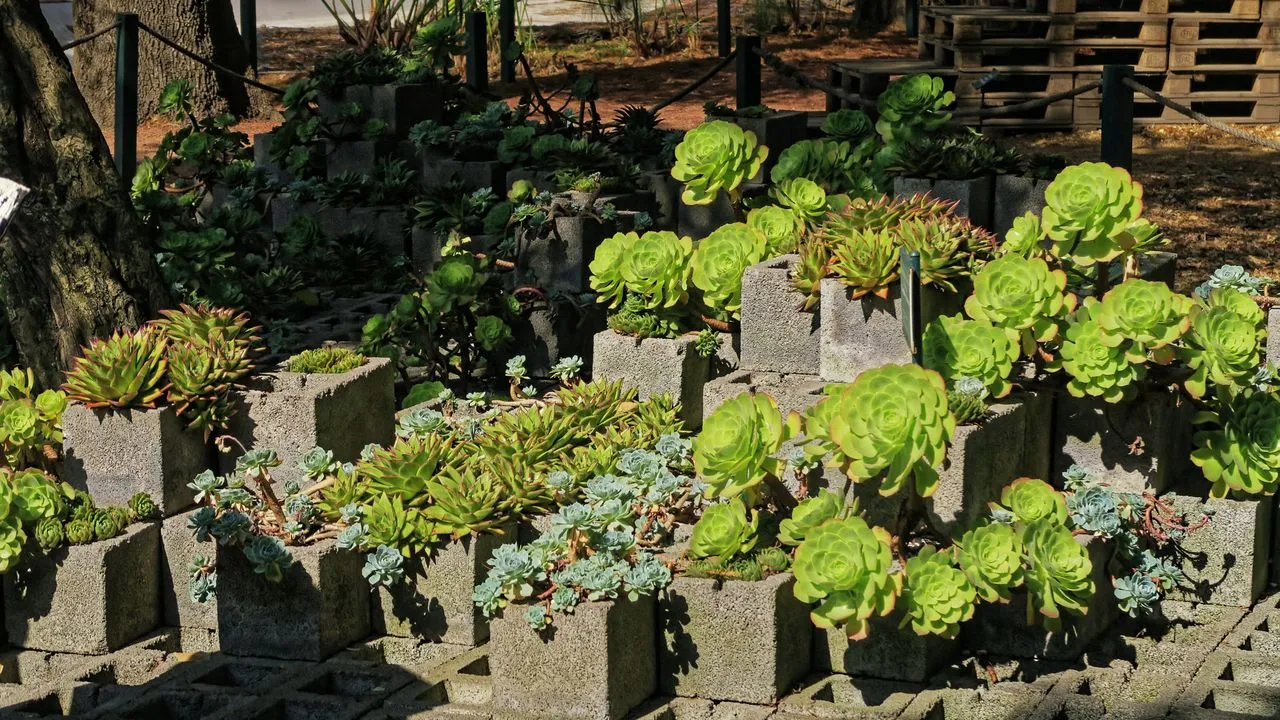
Echeveria 'Romeo Rubin' (Hybrid): Profile & Care
Profile of Echeveria 'Romeo Rubin', the deep ruby-red E. agavoides hybrid cultivar, with notes on hybrid origin, identification, cultivation, and propagation.
Echeveria cante (White Cloud Echeveria): Care
Profile of Echeveria cante: large pruinose rosettes with red margins, the most fragile leaf bloom in the genus, and the cultivation choices that protect it.
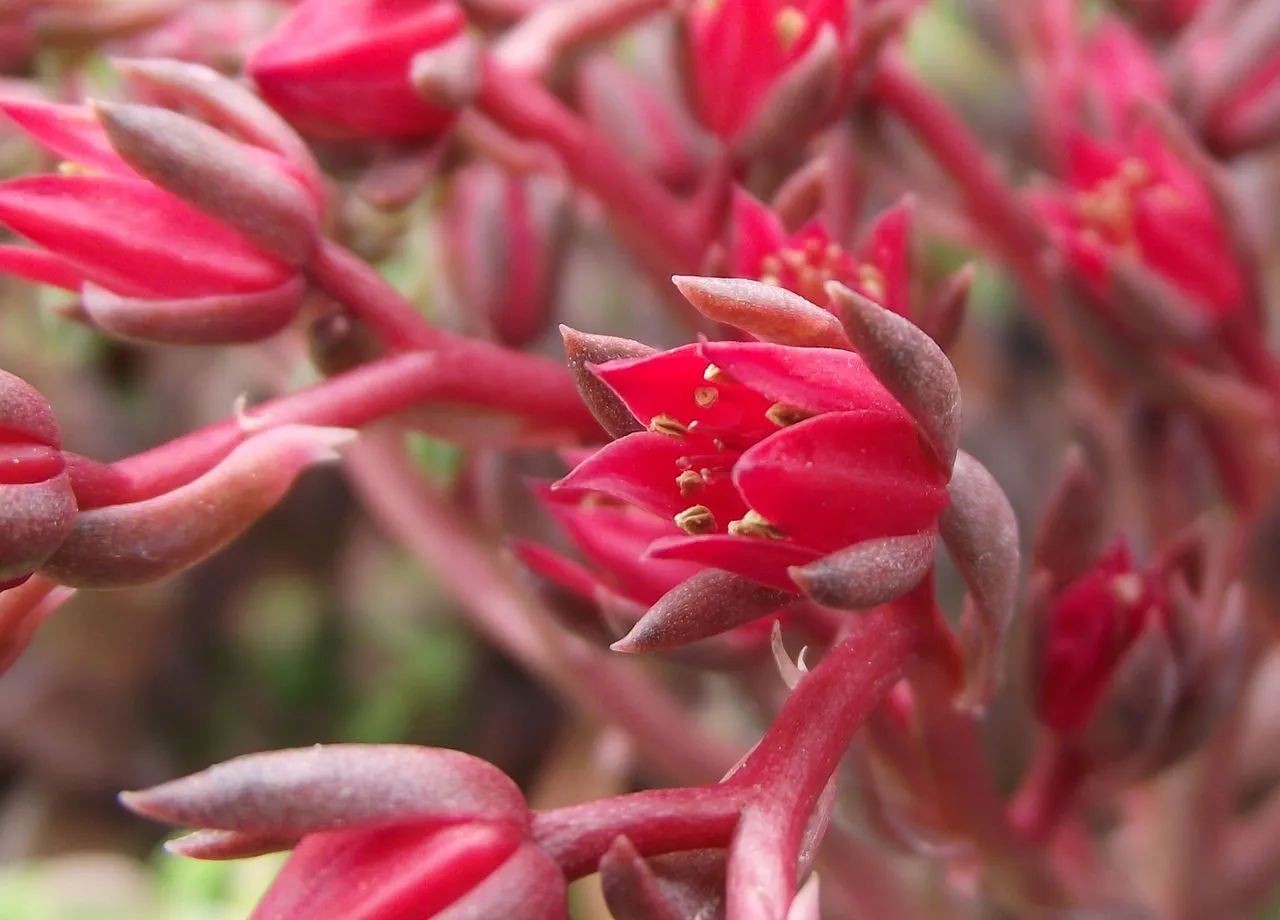
Echeveria 'Black Prince' (Hybrid): Profile & Care
Profile of Echeveria 'Black Prince', the Frank Reinelt hybrid of E. shaviana and E. affinis, with notes on identification, cultivation, and lookalikes.
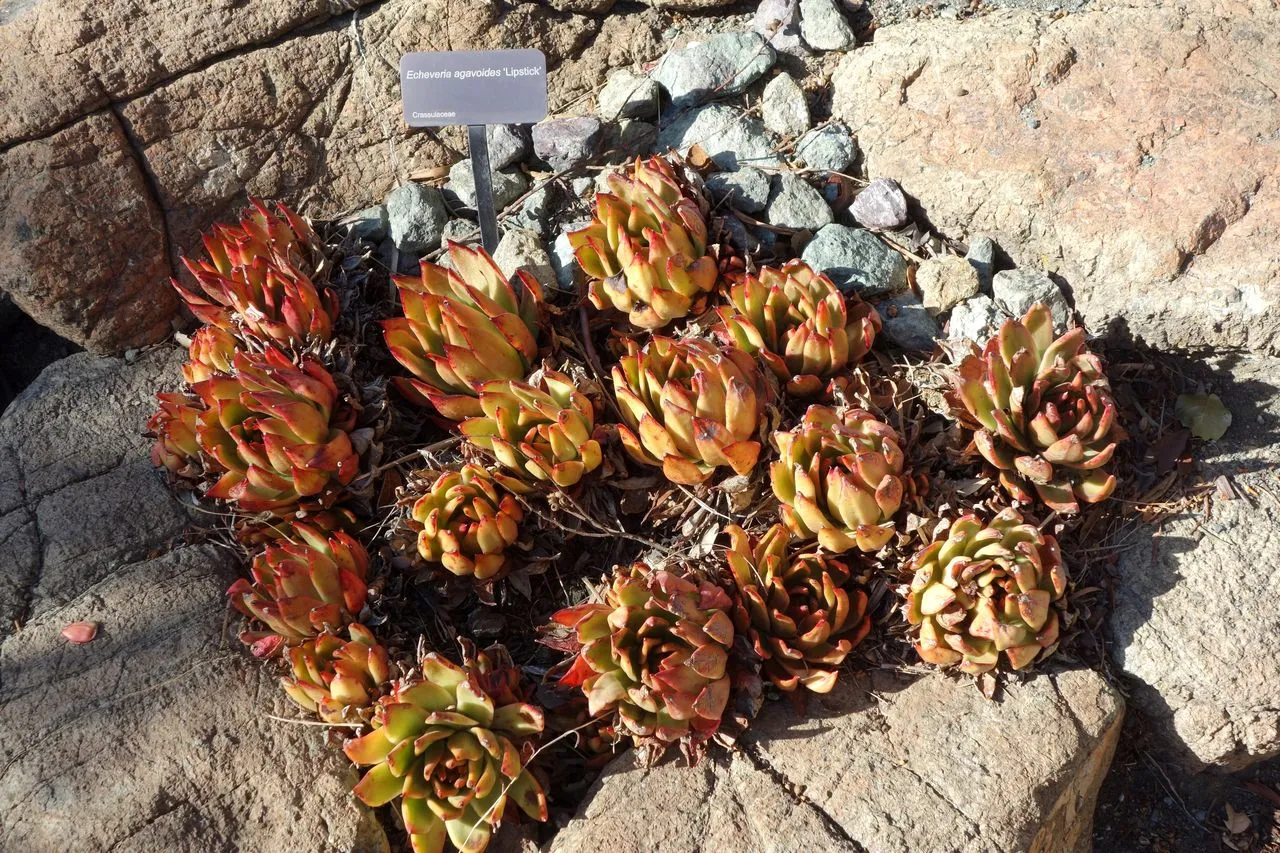
Echeveria agavoides (Lipstick Echeveria): Care & Cultivar Notes
Species profile of Echeveria agavoides: identification, cultivation, and a cultivar guide to Lipstick, Romeo Rubin, Ebony, Red Edge, and Lipstick Christmas.
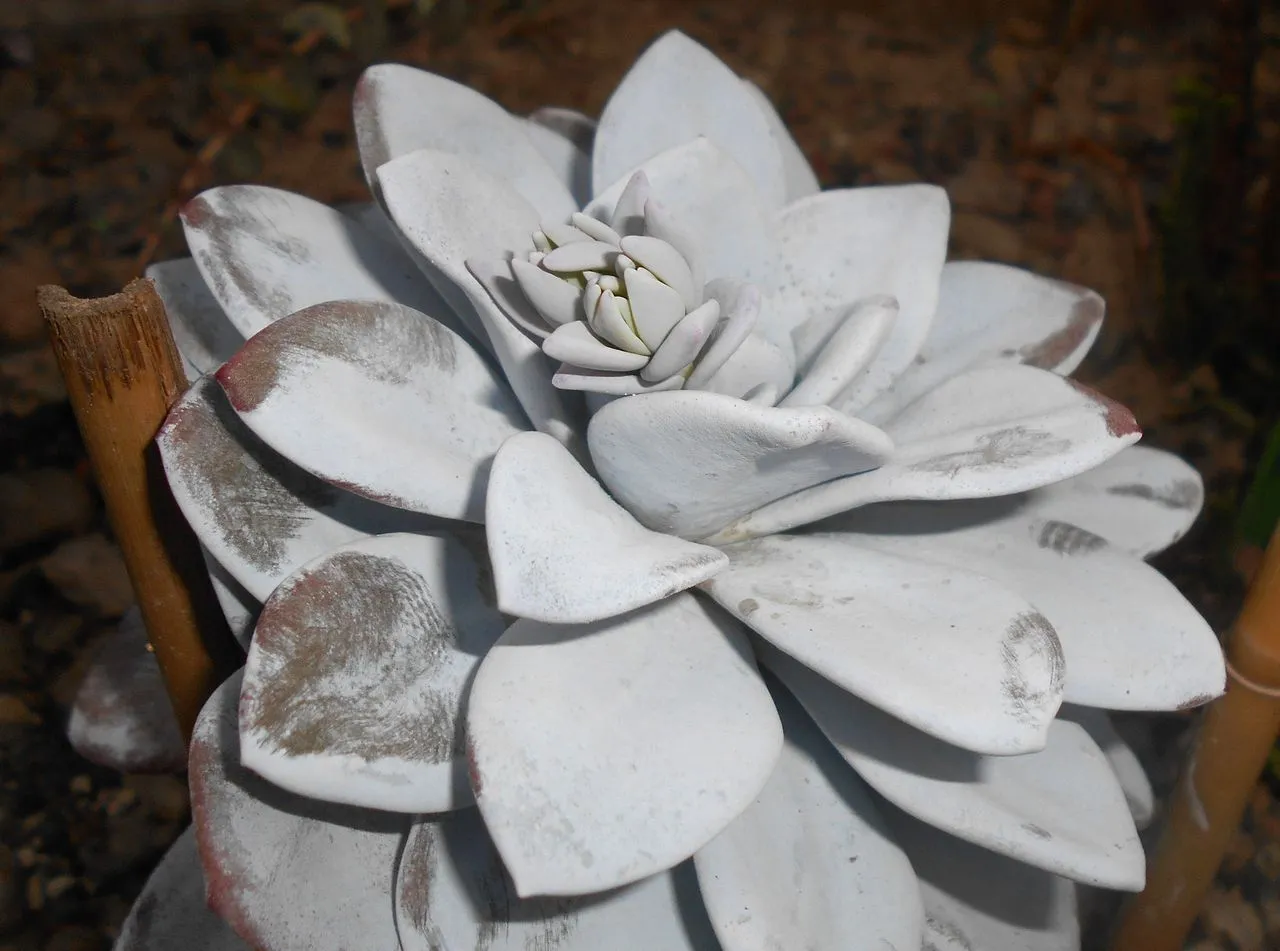
Echeveria laui: Care for a Slow-Growing Powder-Coated Rose
Field profile of Echeveria laui, the slowest pruinose rosette of the genus, with cultivation and handling notes that protect its fragile ceramic wax bloom.
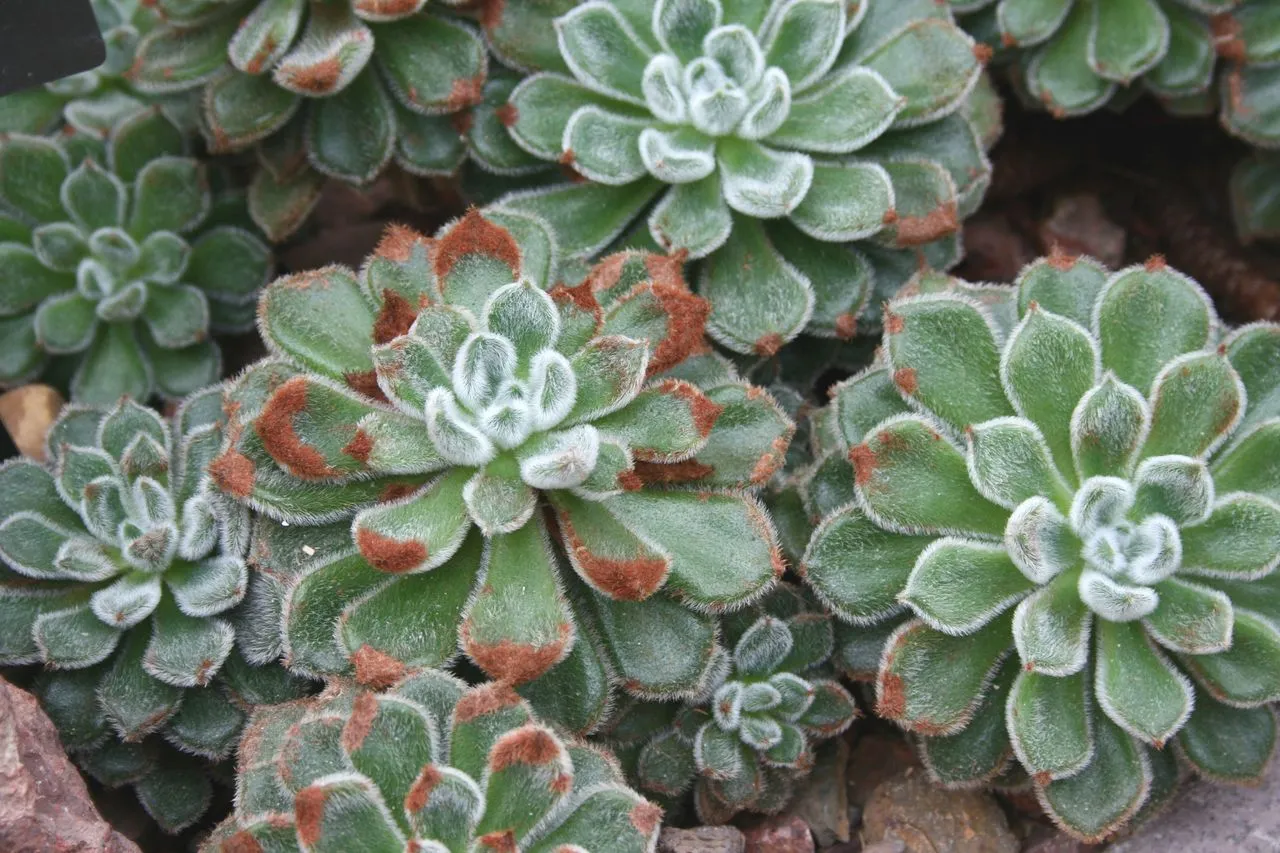
Echeveria setosa (Mexican Firecracker): Care, Trichomes & Cultivars
Care profile for Echeveria setosa, the Mexican Firecracker: identify bristly trichomes, manage watering, compare forms, and propagate safely at home.
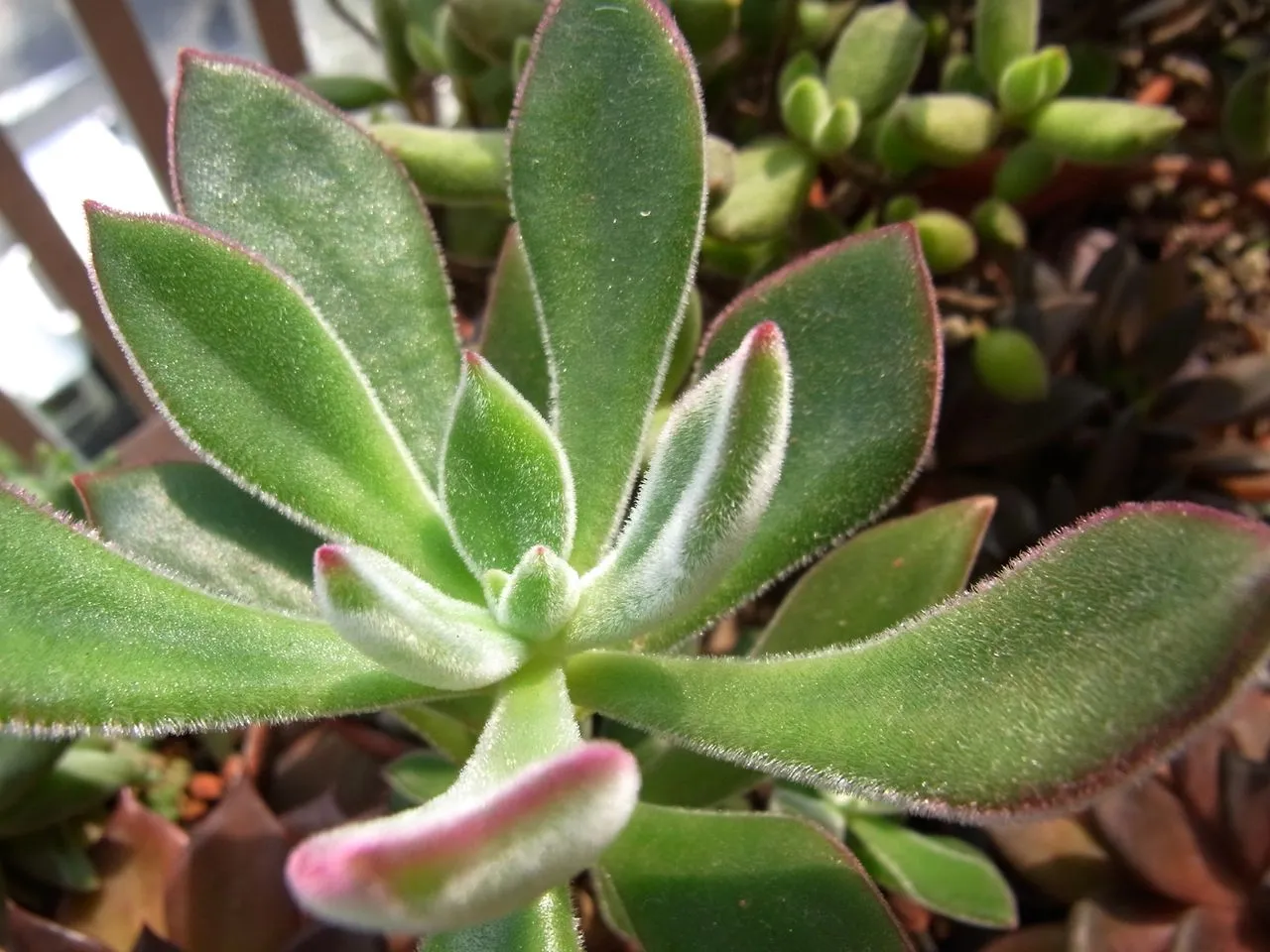
Echeveria harmsii (Plush Plant): Profile & Care
Echeveria harmsii care: identify the velvet plush plant, manage its branching shrub habit, large bicolour red flowers, propagate reliably from stem cuttings.
Echeveria 'Lola' (Hybrid): Profile & Care
Profile of Echeveria 'Lola', the Dick Wright hybrid of E. derenbergii and E. lilacina, with notes on identification, cultivation, and how to tell it apart.
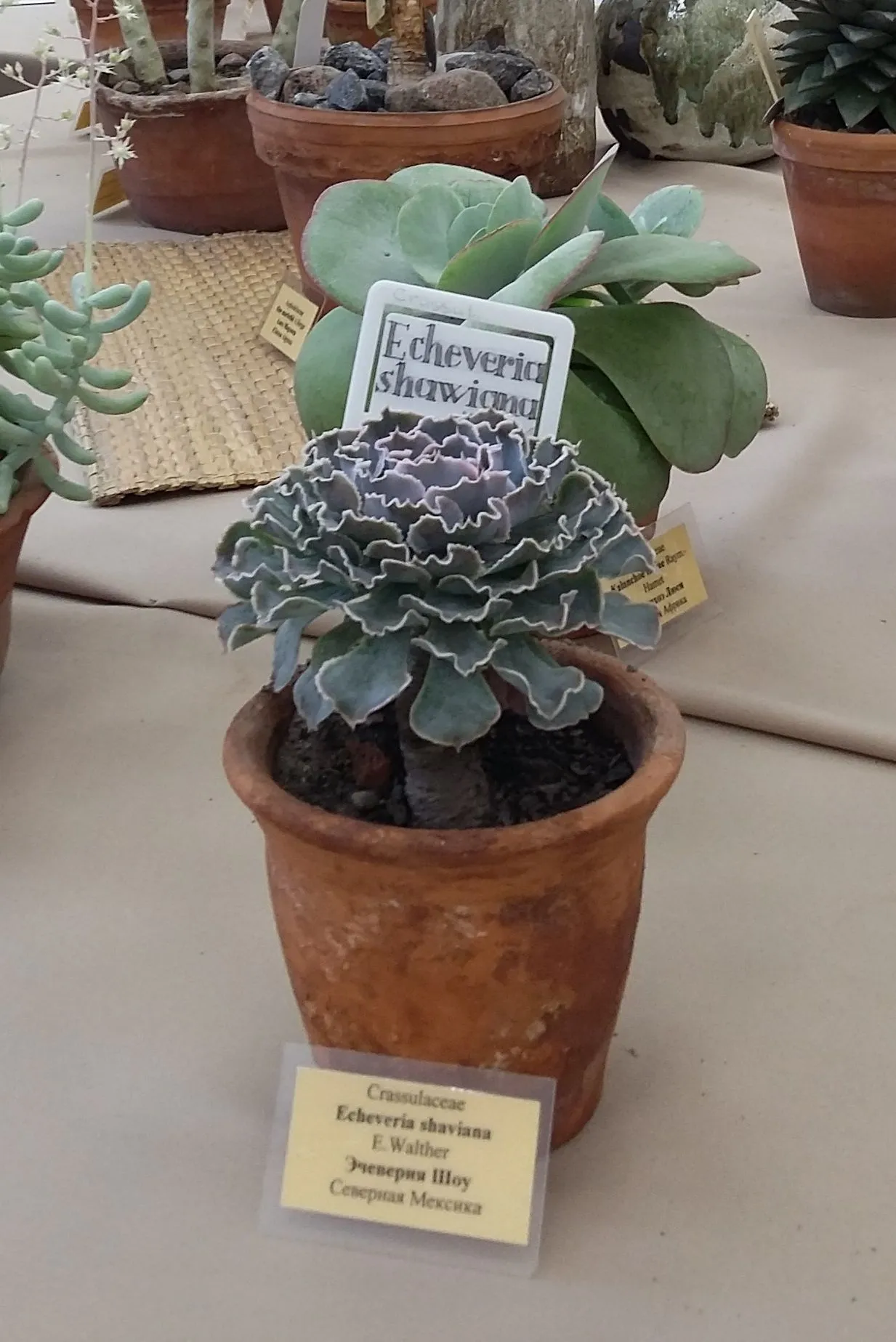
Echeveria shaviana (Mexican Hens): Profile & Care
Profile of Echeveria shaviana, Mexican Hens: identify frilly lavender-grey leaves, grow compact rosettes, and propagate leaves or offsets reliably at home.
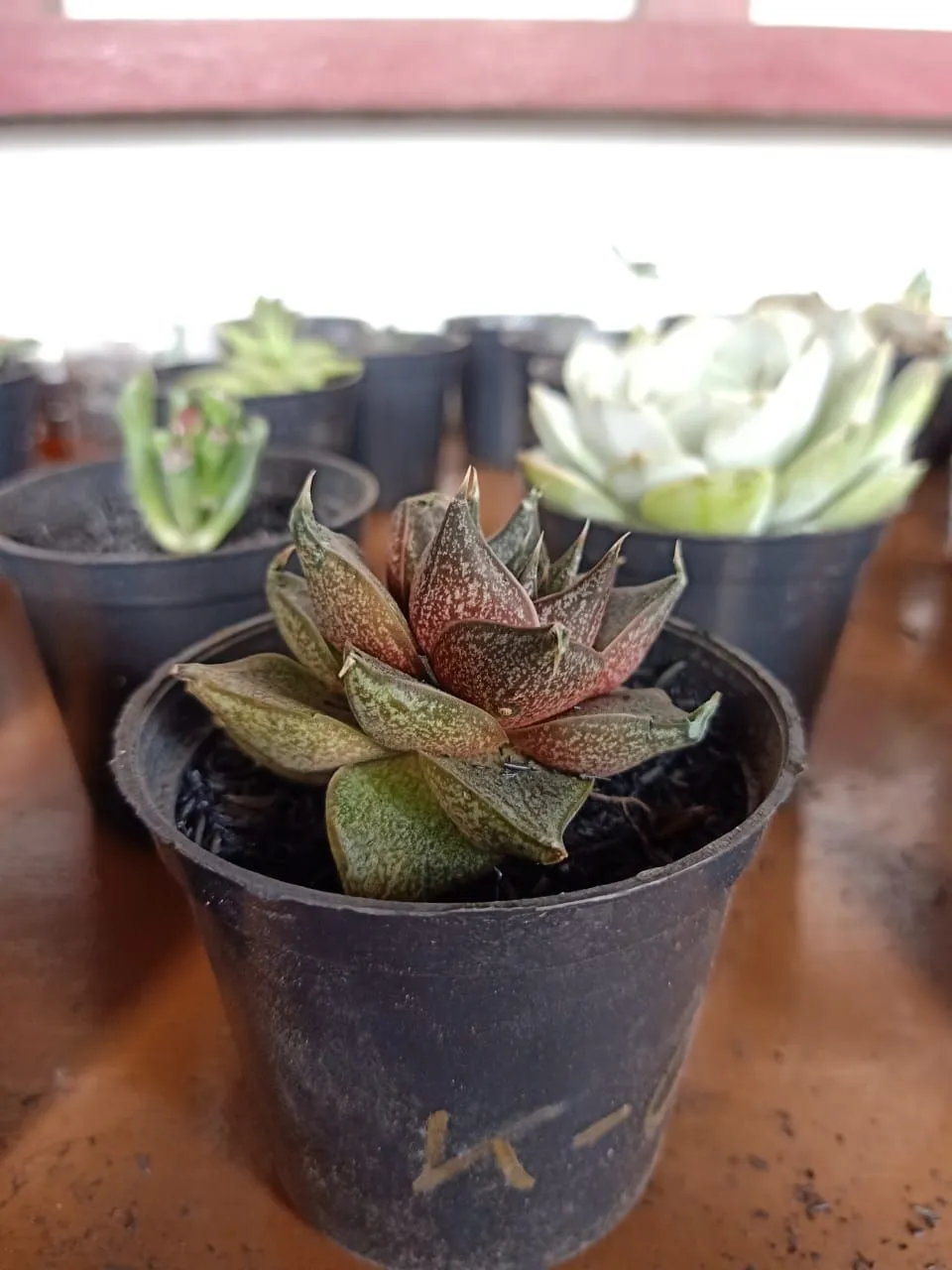
Echeveria purpusorum: Profile & Care
Profile of Echeveria purpusorum: tight 5 to 8 cm rosettes of triangular dark green leaves with red-purple speckling, a slow-growing Puebla limestone species.
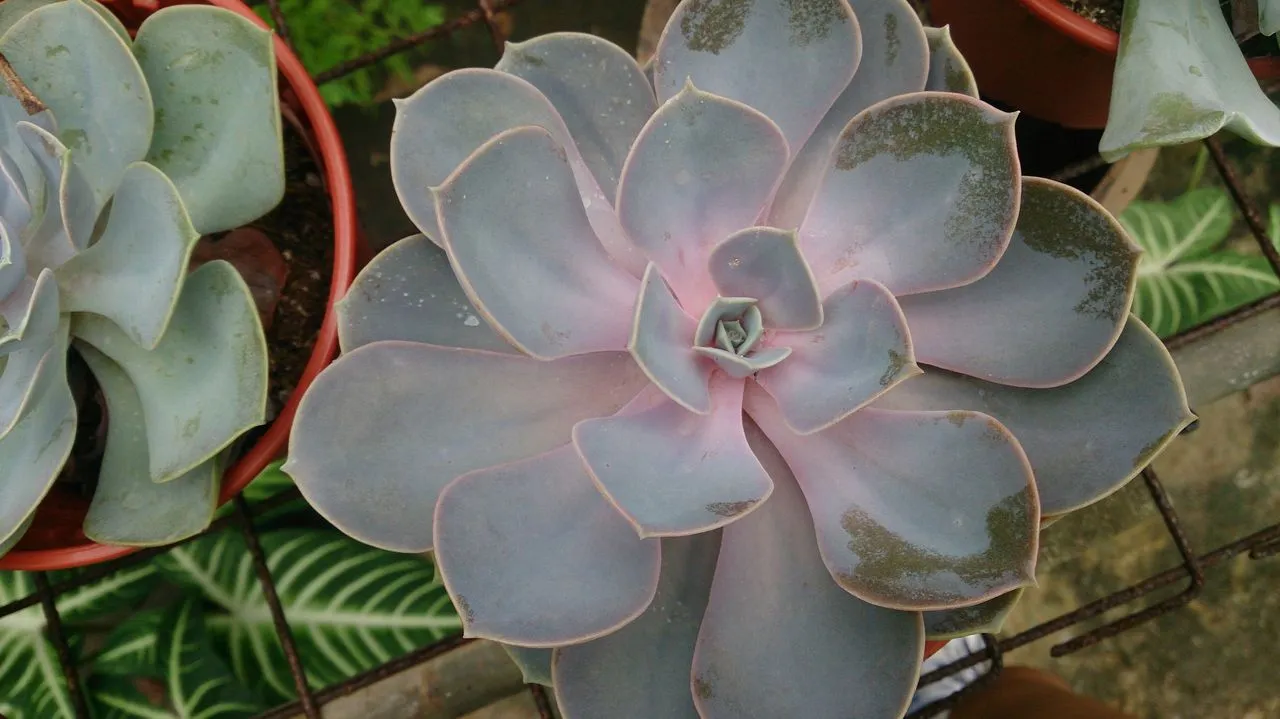
Echeveria Stress Coloring: Sun, Cold, Drought and Pigments
Stress coloring in Echeveria comes from anthocyanin and carotenoid pigments. Trigger it with bright light, cool nights, and drought; reverse it with care.
Echeveria subrigida: Profile & Care
Profile of Echeveria subrigida, the hot-margined cliff rosette of central Mexico, with diagnostics against cante, laui, peacockii, and cultivation notes.
Echeveria nodulosa (Painted Echeveria): Profile & Care
Profile of Echeveria nodulosa, Painted Echeveria: identify red-purple markings, grow compact plants, and propagate leaves or stem cuttings reliably at home.
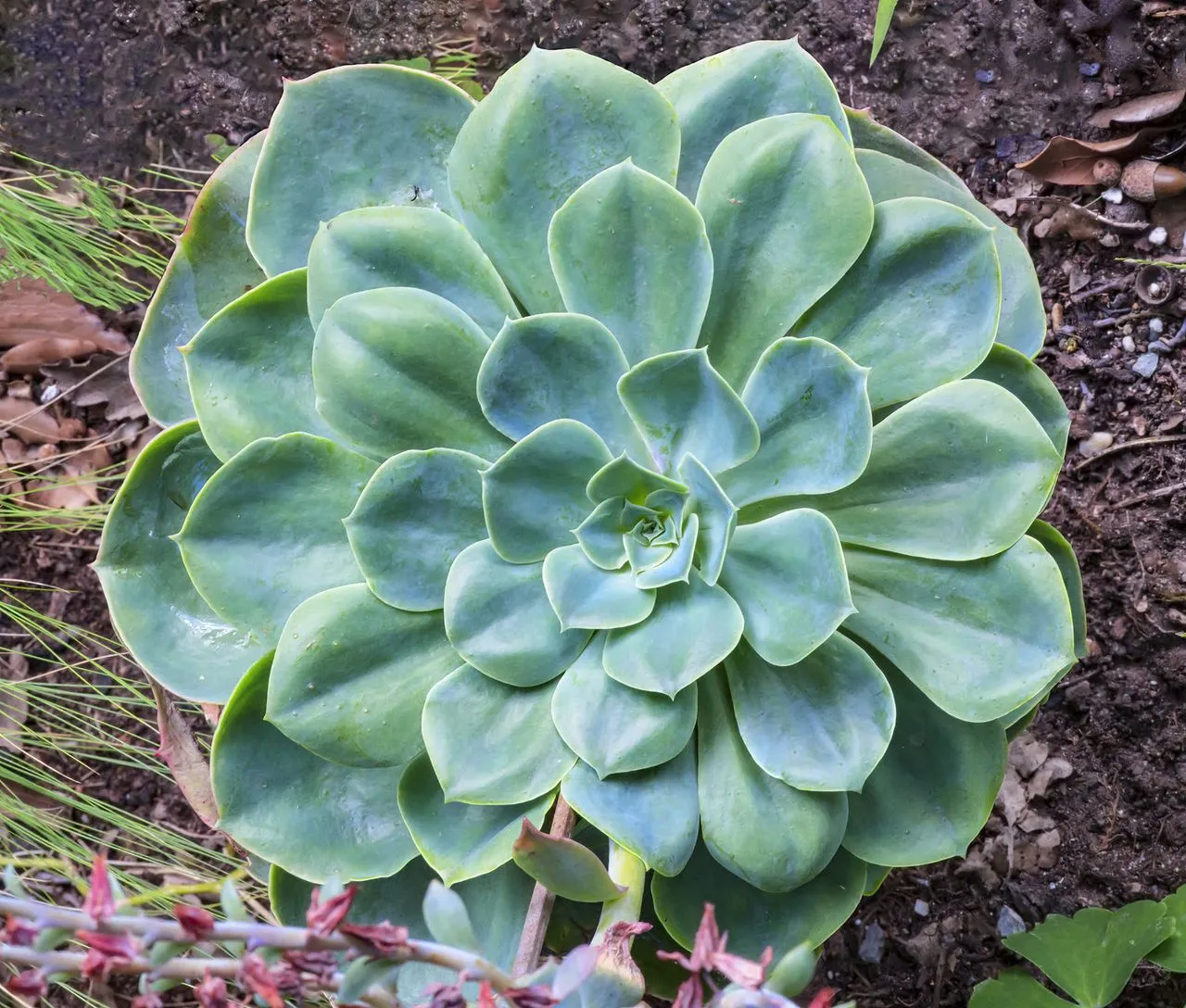
Echeveria secunda (Mexican Hens-and-Chicks): Profile & Care
Profile of Echeveria secunda, the Mexican hens-and-chicks: the most cold-hardy soft Echeveria, with notes on identification, cultivation, and clumping habit.
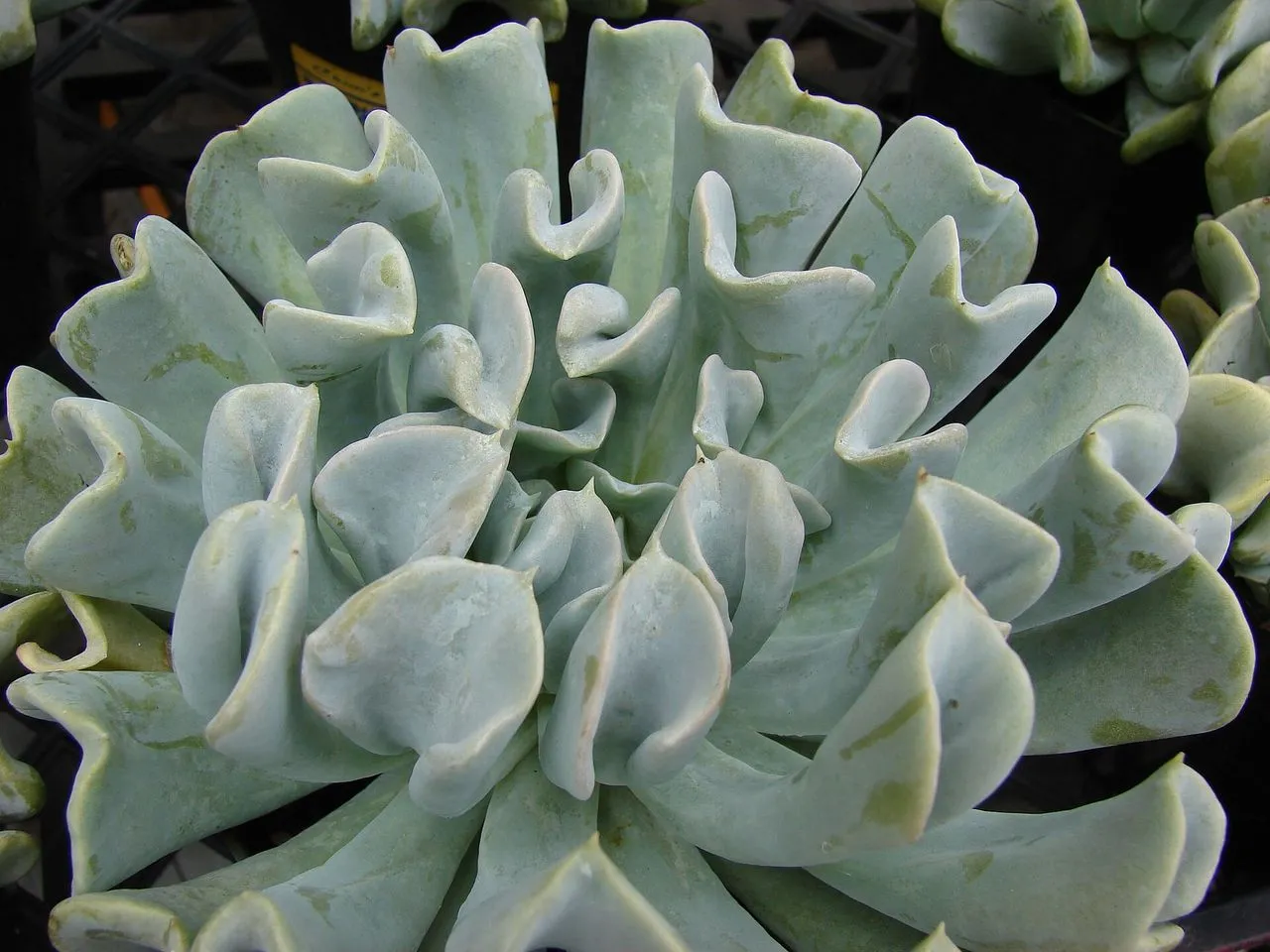
Echeveria runyonii 'Topsy Turvy': Identification, Care & Propagation
Profile of Echeveria runyonii Rose ex E.Walther and the 'Topsy Turvy' sport: recognising inverted leaves, cultivation, and reliable leaf propagation.
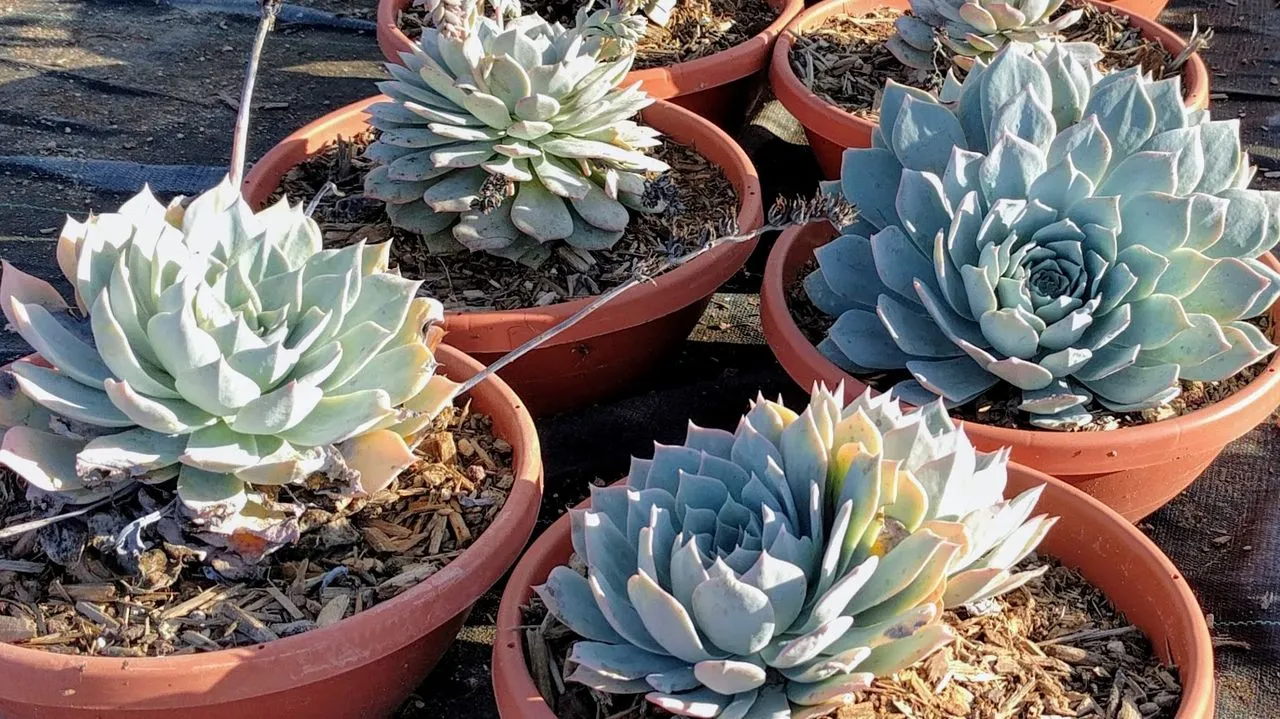
Echeveria desmetiana (E. peacockii): Identification & Care
Profile of Echeveria desmetiana De Smet ex É.Morren, the silver-blue species long sold as E.
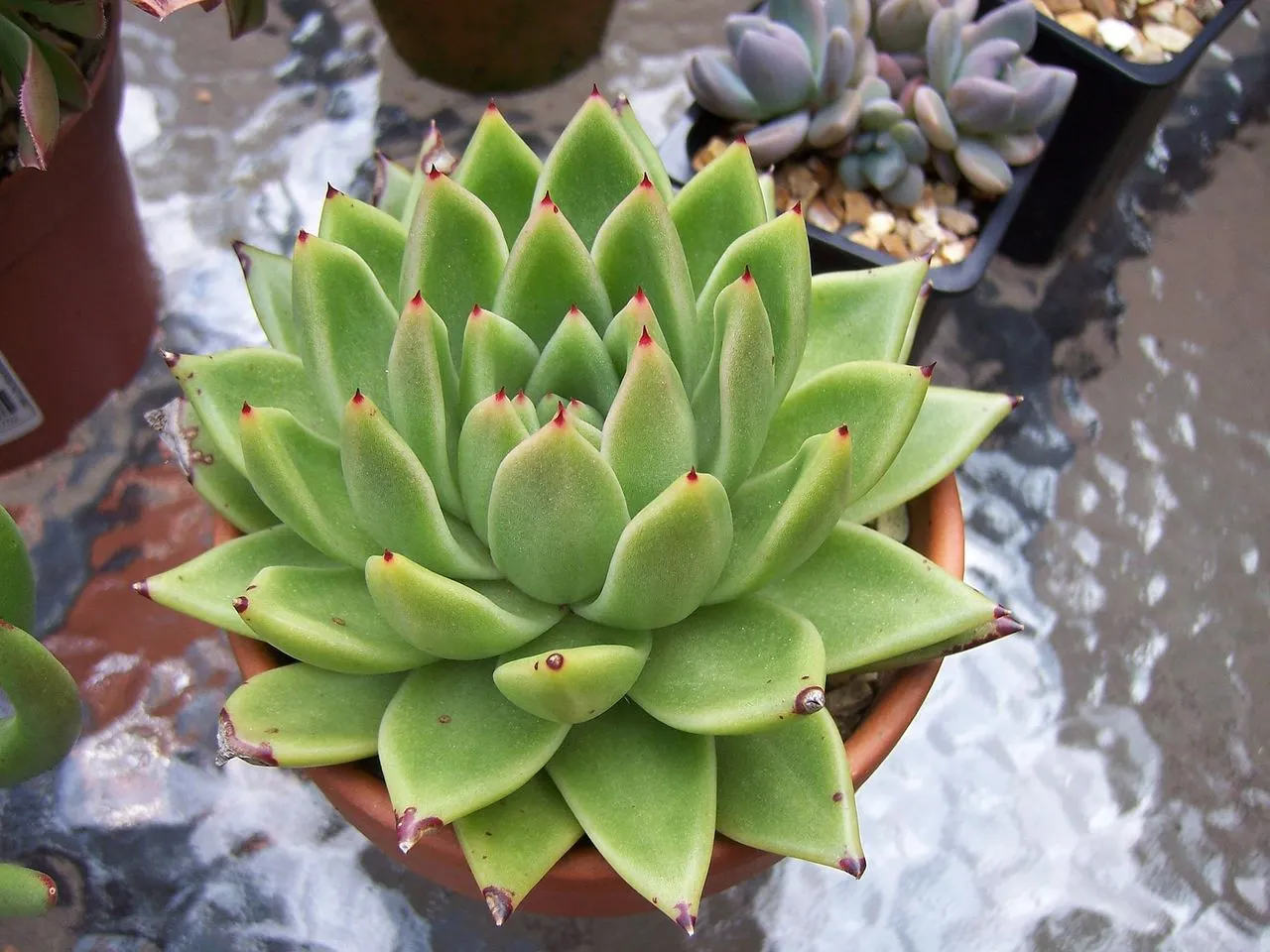
Echeveria agavoides Propagation: Leaf, Offset & Seed Methods
Practical propagation of Echeveria agavoides Walp. by leaf, offset, stem cutting, and seed, with species-specific notes on what works and what fails.
Echeveria 'The Rose': The Tight-Whorl Cabbage-Form Cultivar
Profile of Echeveria 'The Rose', a compact cabbage-form Korean hybrid cultivar with tightly whorled pink-tipped leaves: identification, cultivation…
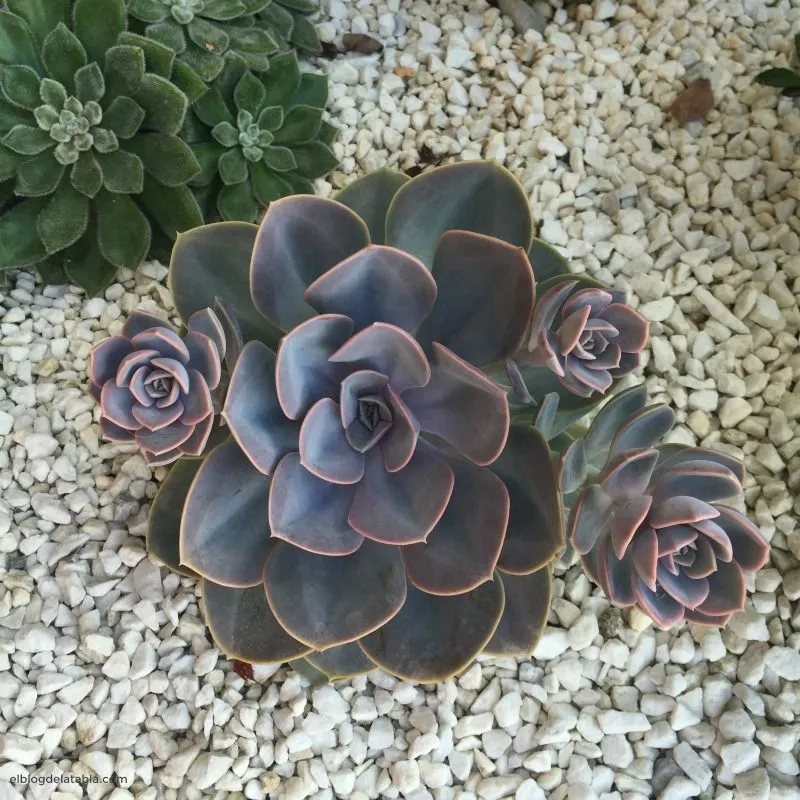
Echeveria 'Perle von Nürnberg': Care, Colour & Propagation
Profile of Echeveria 'Perle von Nürnberg', Richard Graessner's 1930s hybrid of E. gibbiflora 'Metallica' and E.
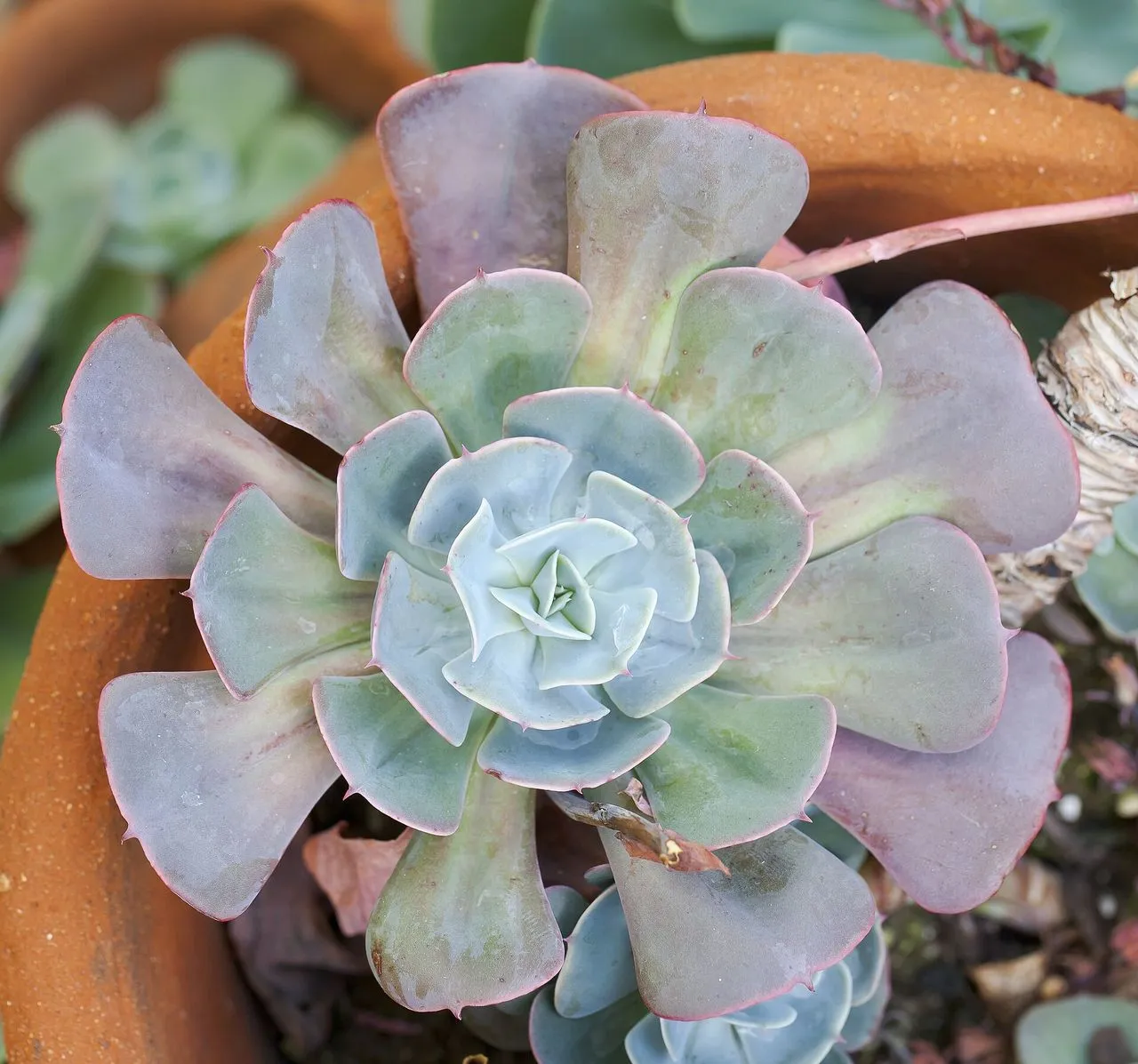
Echeveria lilacina (Ghost Echeveria): Identification & Care
Profile of Echeveria lilacina Kimnach & R.Moran, the ghost echeveria: pale-lavender rosettes, slow growth, and the conditions that keep the colour true.
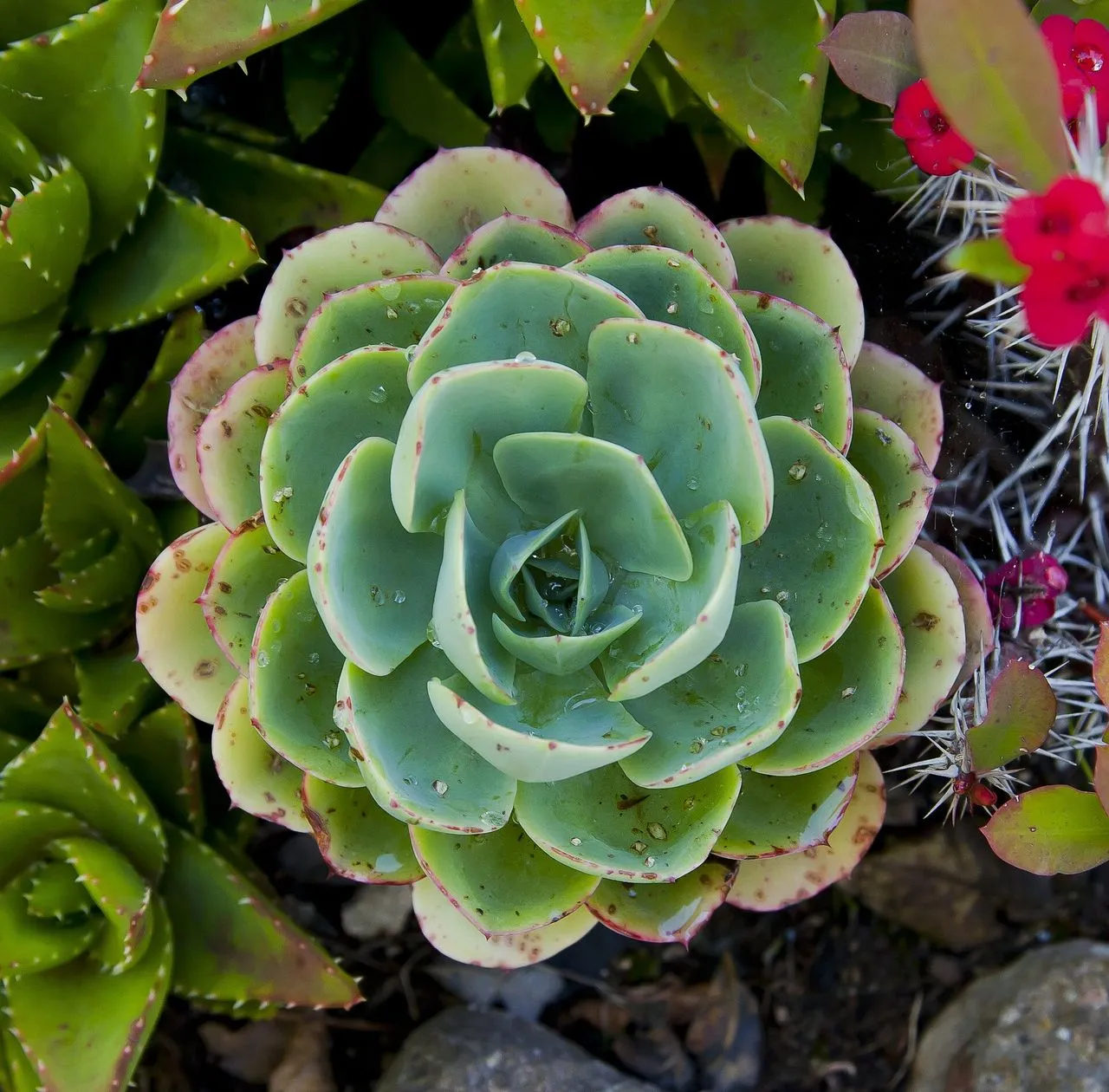
Echeveria elegans (Mexican Snowball): Care, Identification & Propagation
Grow it in bright morning sun or an east window and water around the crown when the top 3 to 4 cm dries.
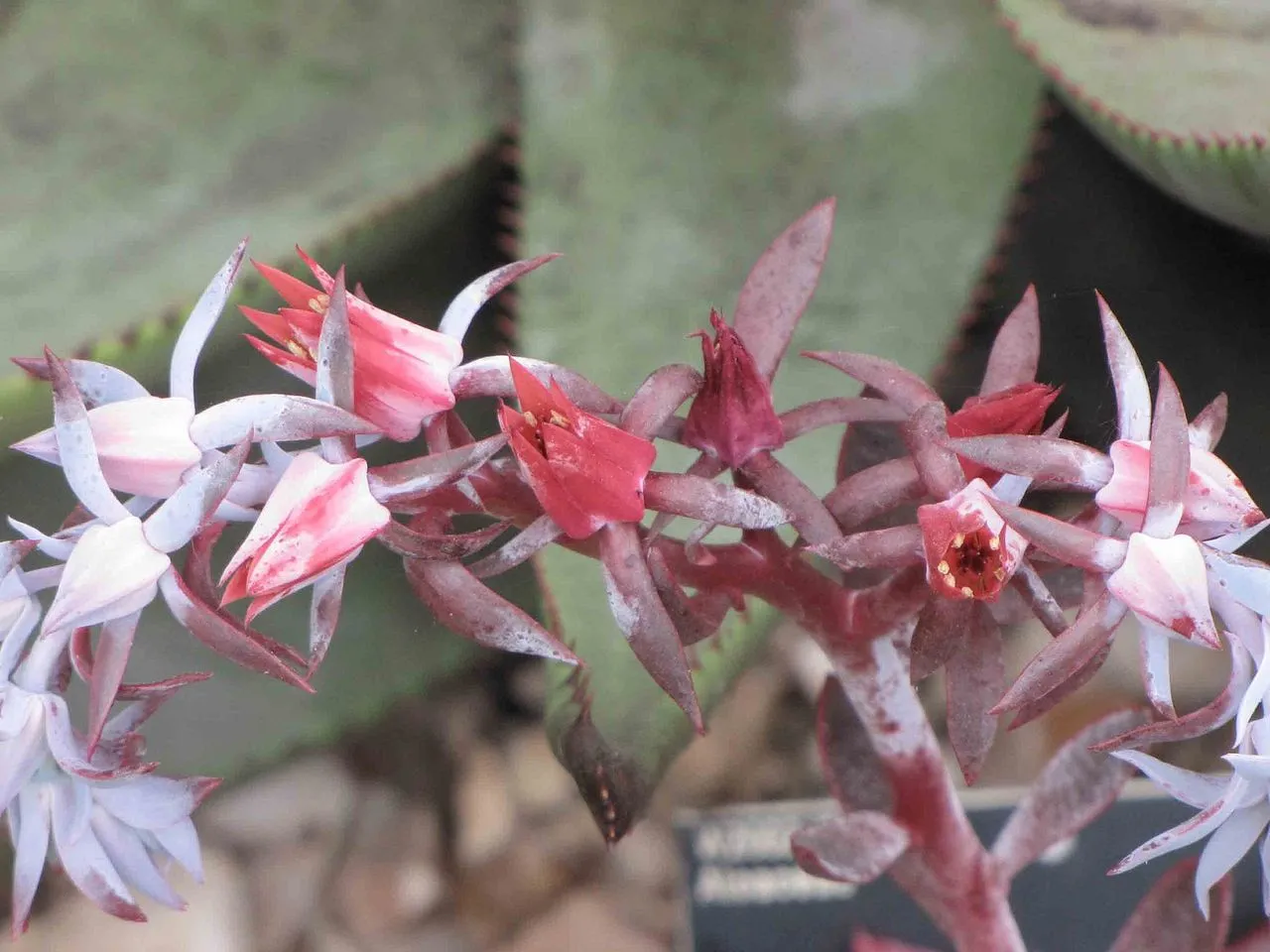
Echeveria 'Afterglow': Don Worth's Large Pastel-Pink Hybrid
Profile of Echeveria 'Afterglow', Don Worth's 1980s hybrid of E. cante and E. shaviana: identification, cultivation for best colour, and keeping the clone true.
Echeveria Losing Bottom Leaves: Causes & Fixes
How to distinguish normal basal leaf senescence in Echeveria from over-watering, under-watering, root rot, etiolation, and pest damage, with targeted fixes.
Echeveria pulidonis: Red-Edged Compact Rosettes
Profile of Echeveria pulidonis E.Walther: the compact Oaxacan species with red-edged spoon leaves, its cultivation needs and reliable leaf propagation.
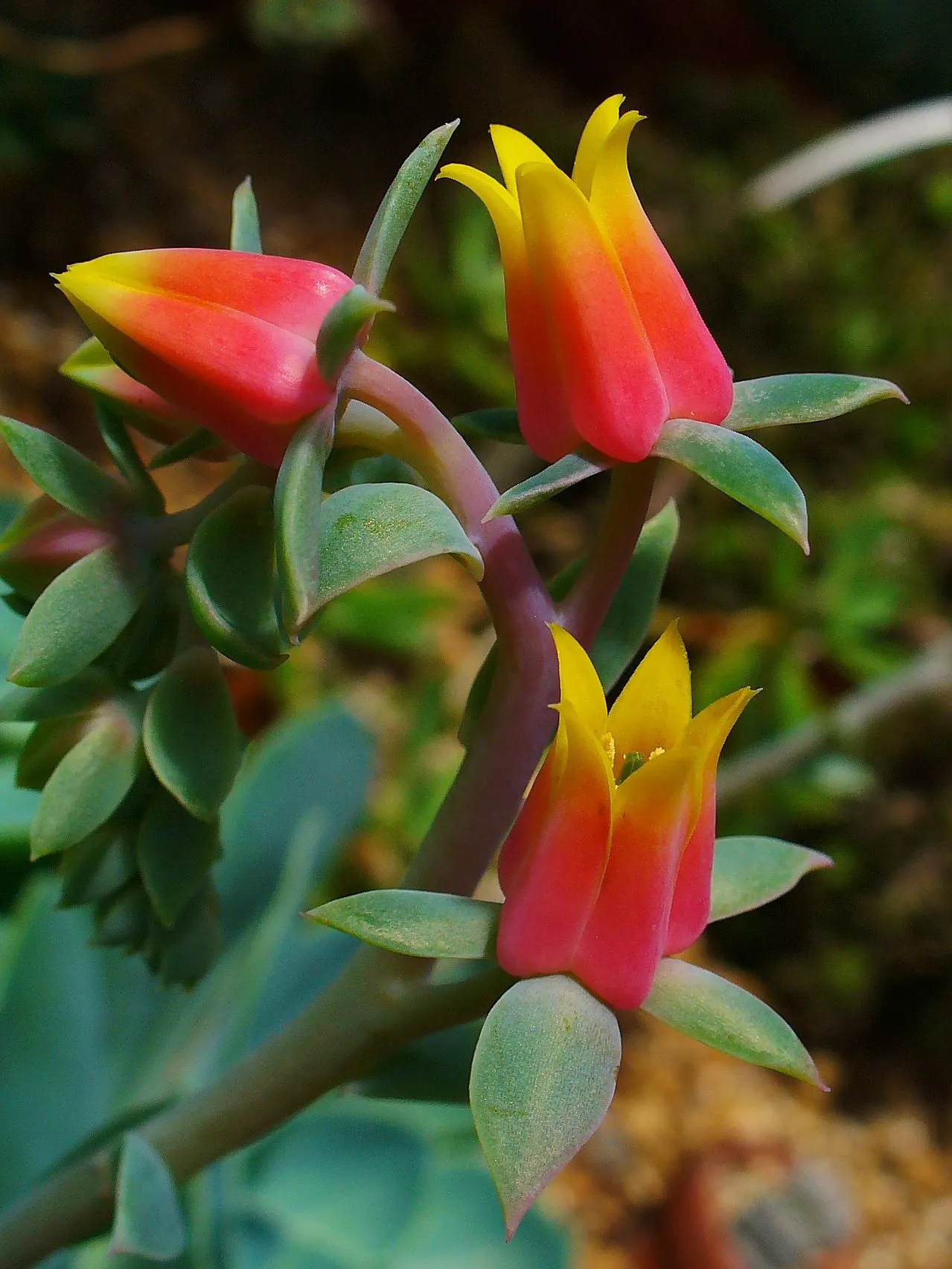
Echeveria gibbiflora: The Large-Leaved Parent of Many Hybrids
Profile of Echeveria gibbiflora DC., the largest-rosetted Mexican species and parent of many widely grown cultivars: identification, care, and its role…