Genus Reference
Senecio
Trailing and upright Senecio succulents, from string-of-pearls to blue chalksticks.
The Complete Senecio Guide: Taxonomy, Cultivation & Propagation
Comprehensive guide to succulent Senecio (and the reclassified genus Curio): taxonomy, identification, light, water, substrate, propagation, pruning…
Read the guide →Species & Cultivars
All articles in this section
Senecio Brown Spots on Leaves: Fungal Disease vs Cold Burn
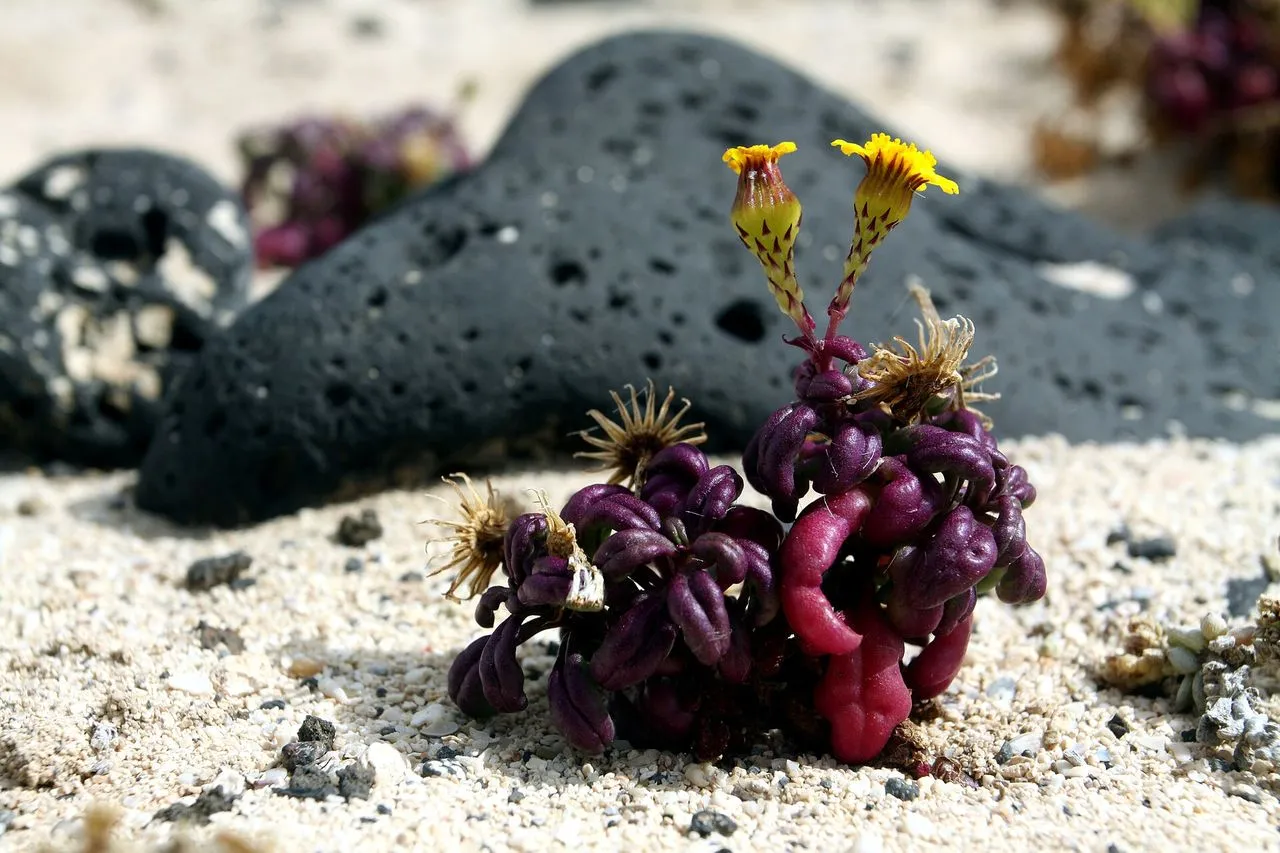
Brown spots on Senecio and Curio leaves come from cold burn, sunburn, fungal leaf spot, or overwatering damage.
String of Pearls Dying: Causes and How to Save It
String of pearls (Curio rowleyanus) dies most often from overwatering and root rot. Shriveled pearls mean drought. Mushy pearls mean too much water.
Blue Chalksticks Discoloring: Why the Blue Fades and How to Restore It
Blue chalksticks (Curio mandraliscae and C. serpens) turn green, purple, or brown for different reasons. Green or grey-green means insufficient light.
Mealybugs on Senecio and Curio: Identification and Treatment
Mealybugs infest Senecio and Curio succulents in leaf axils, strand tangles, and root zones.

Senecio Leaves Turning Yellow: Causes and Recovery
Yellow Senecio leaves signal overwatering, root rot, drought, low light, or normal basal senescence depending on species.
String of Pearls Roots Rotting: Causes, Rescue, and Prevention
Root rot in Curio rowleyanus (string of pearls) develops faster than in almost any other common succulent because of the species' fine, shallow root…
String of Pearls Not Growing: Light, Temperature, and Age
String of pearls (Curio rowleyanus) stops growing when light drops below threshold, temperatures fall below 10°C, the plant enters seasonal dormancy…
Senecio Leggy and Stretched: Causes and How to Fix It
Senecio and Curio species stretch when they receive insufficient light. String of pearls loses its bead density; upright species grow tall and thin.
Senecio Leaves Falling Off: Drought, Root Rot, or Normal Drop
Senecio and Curio leaves falling off signals drought stress, root rot, cold shock, or transplant shock.
Senecio Root Rot: Signs, Rescue, and Prevention
Senecio and Curio root rot is caused by saturated substrate depriving fine roots of oxygen.
String of Pearls Shriveling: Why Pearls Go Flat and How to Fix It
Shriveled string of pearls pearls almost always mean under-watering or a root system that can no longer absorb water.
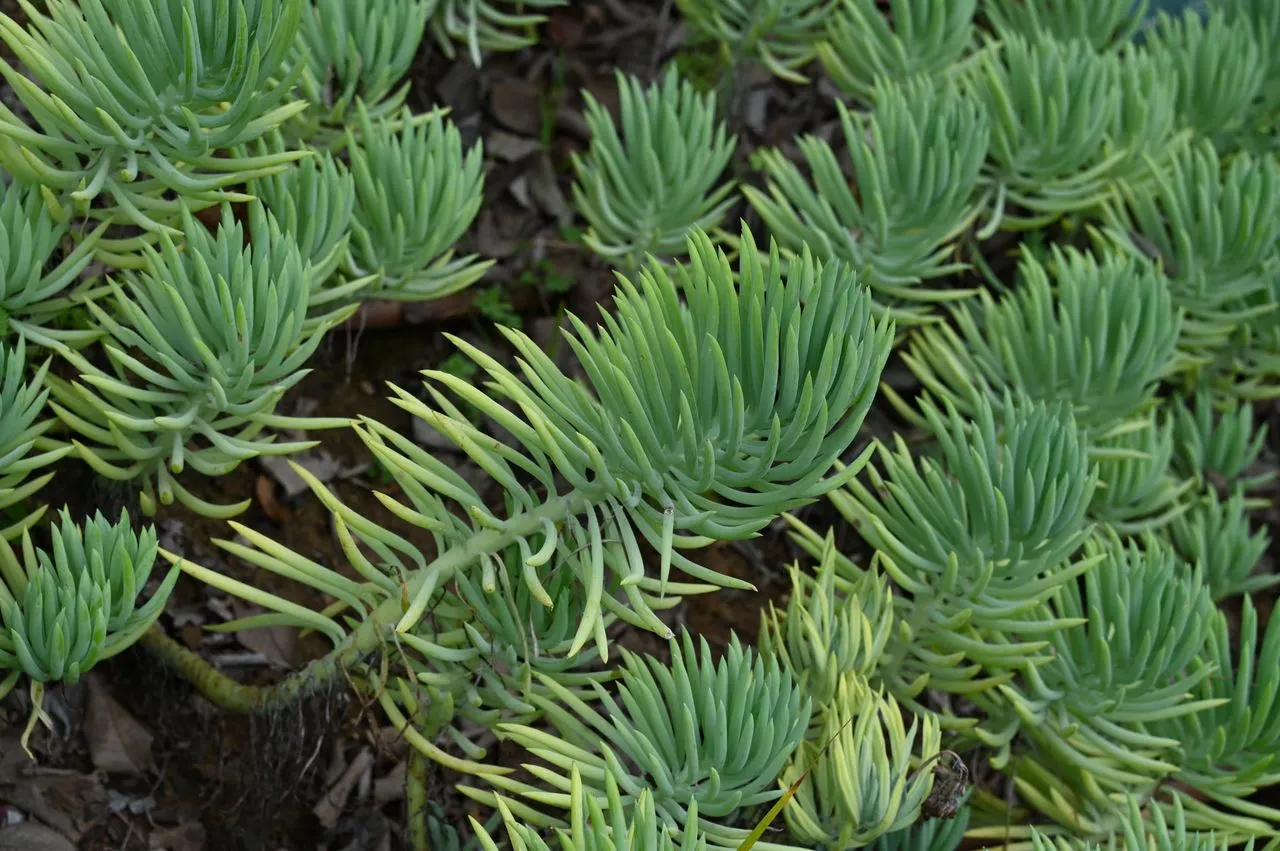
Curio ficoides (Skyscraper Senecio): Profile & Care
Curio ficoides, the skyscraper senecio or blue chalk fingers, is an upright South African succulent with glaucous blue-green cylindrical leaves on woody stems.
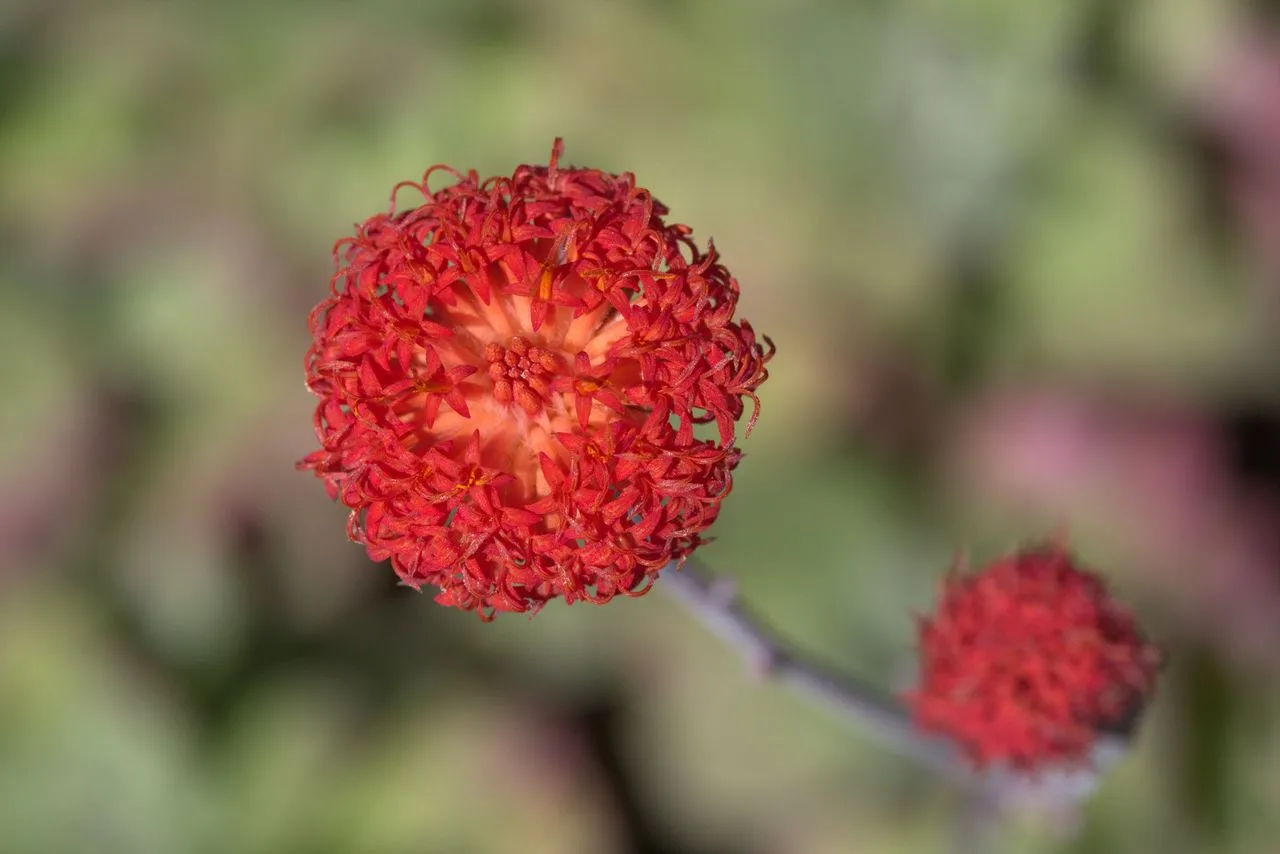
Senecio fulgens (Coral Senecio): Profile & Care
Senecio fulgens, the coral senecio from South Africa: brilliant red-orange daisy flowers, frost tolerance, identification, cultivation, and propagation notes.
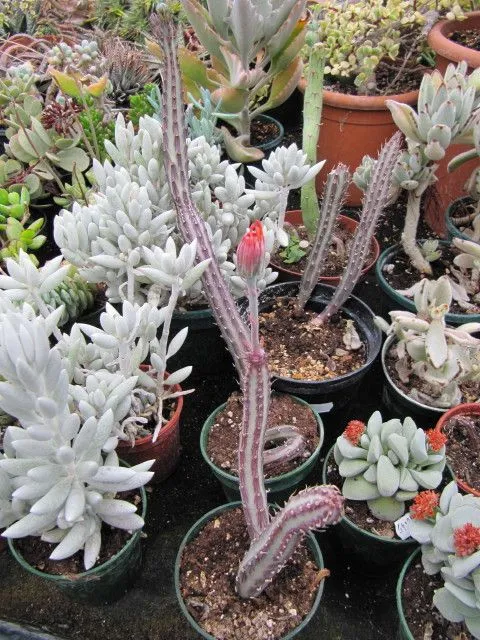
Senecio stapeliiformis: Pickle Plant Care
Identification, cultivation, and propagation of Senecio stapeliiformis, the pickle plant, with erect segmented stems and striking red-orange flowers.
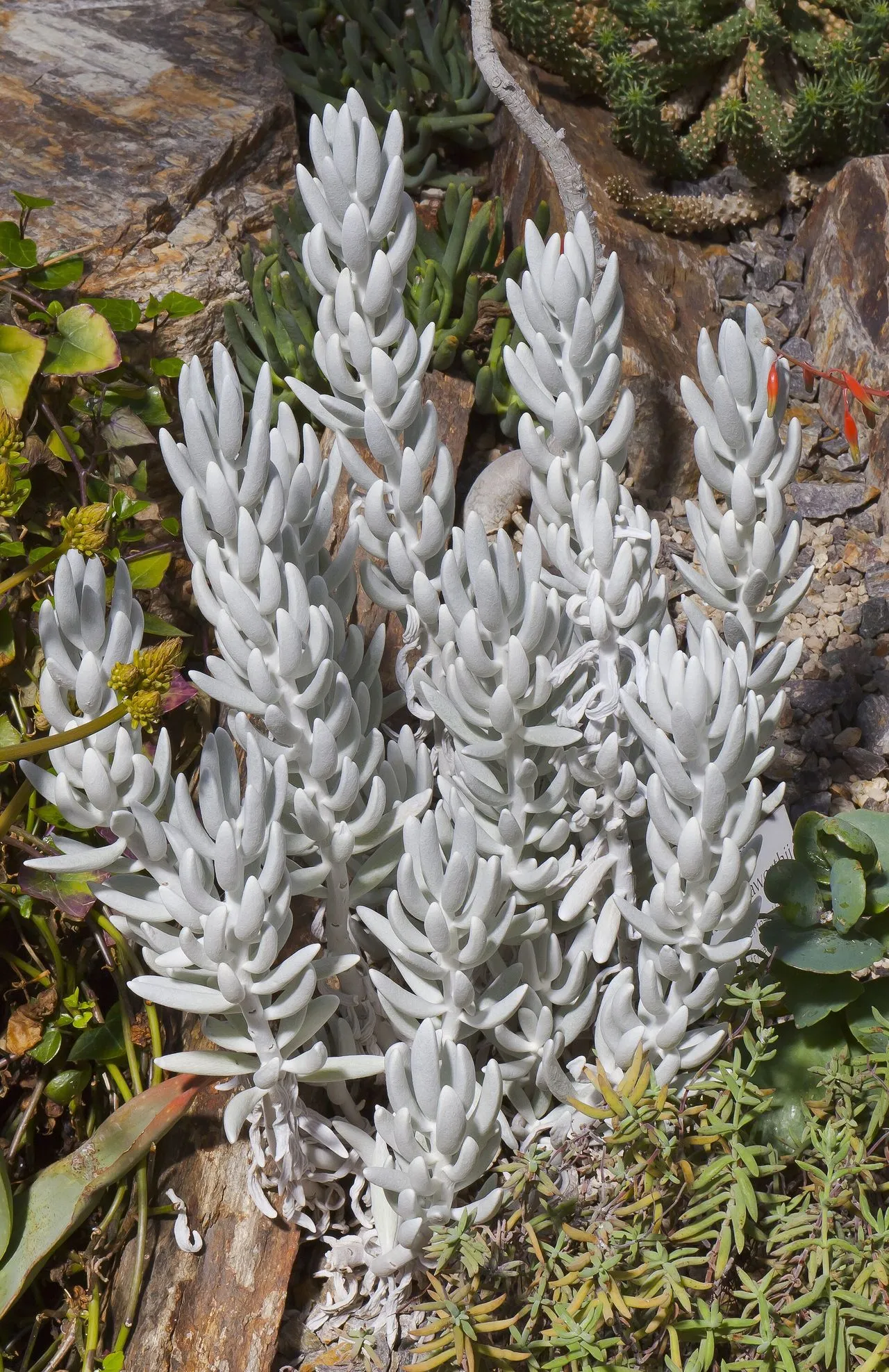
Senecio haworthii: Cocoon Plant Care
Identification, cultivation, and propagation of Senecio haworthii, the cocoon plant, with cylindrical leaves densely covered in pure white wool.
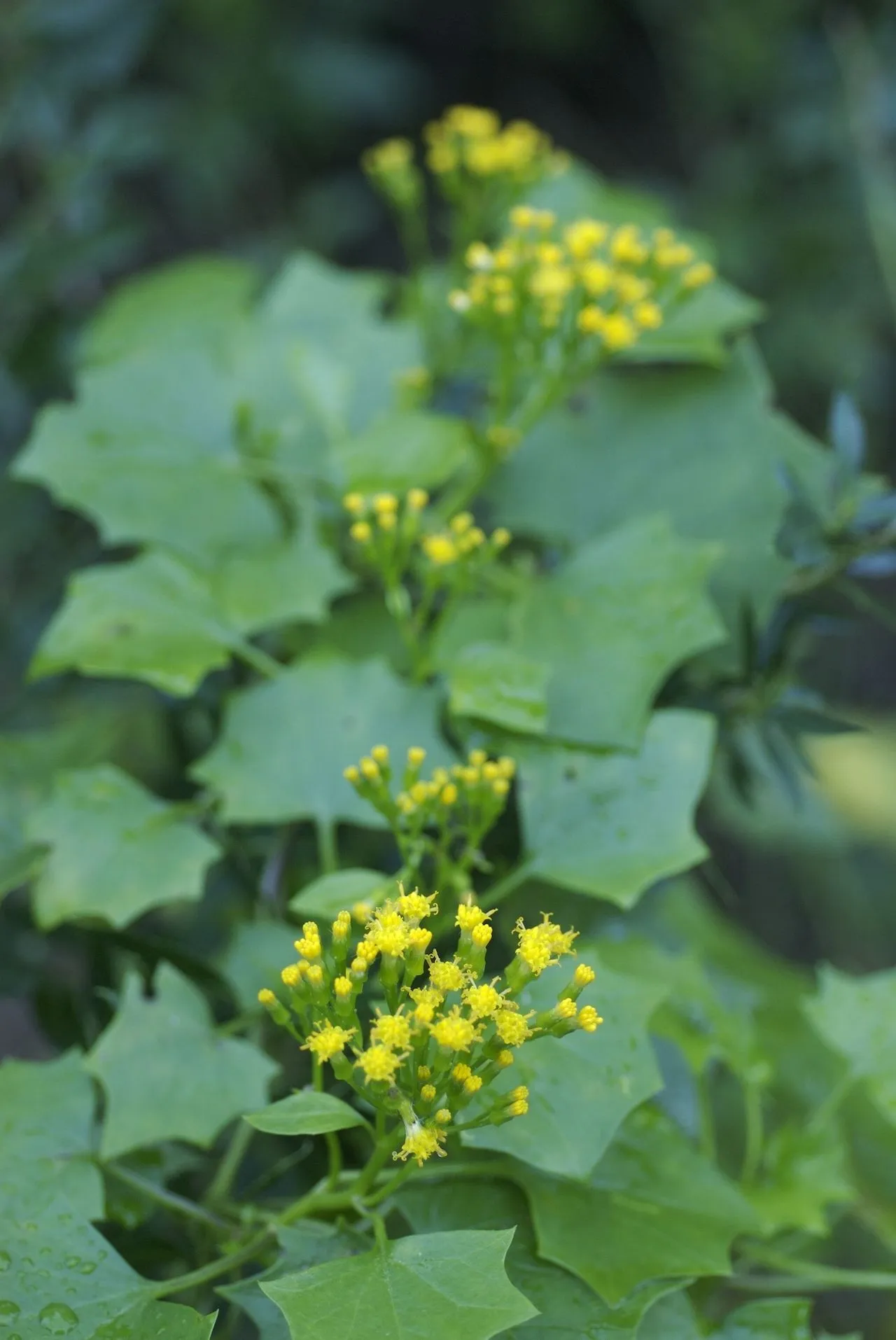
Senecio mikanioides (Delairea odorata): German Ivy Disambiguation
Disambiguation for Senecio mikanioides, now Delairea odorata (German ivy or Cape ivy), a climbing vine that is not a true succulent.

Senecio cineraria (Jacobaea maritima): Silver Ragwort / Dusty Miller
Senecio cineraria, also sold as dusty miller or silver ragwort: identification, naming vs Jacobaea maritima, light, soil, watering, and common problems.
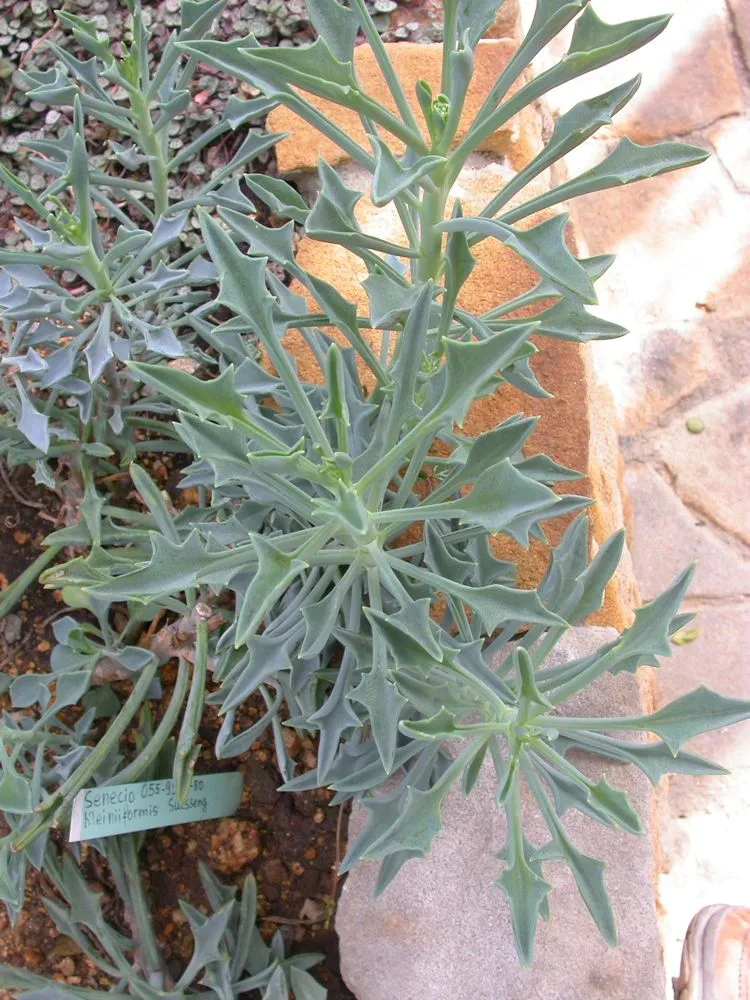
Senecio kleiniiformis (Curio kleiniiformis): Spear Head Care
Identification, cultivation, and propagation of Senecio kleiniiformis, the spear head succulent, with unusual flat arrowhead-shaped leaves.
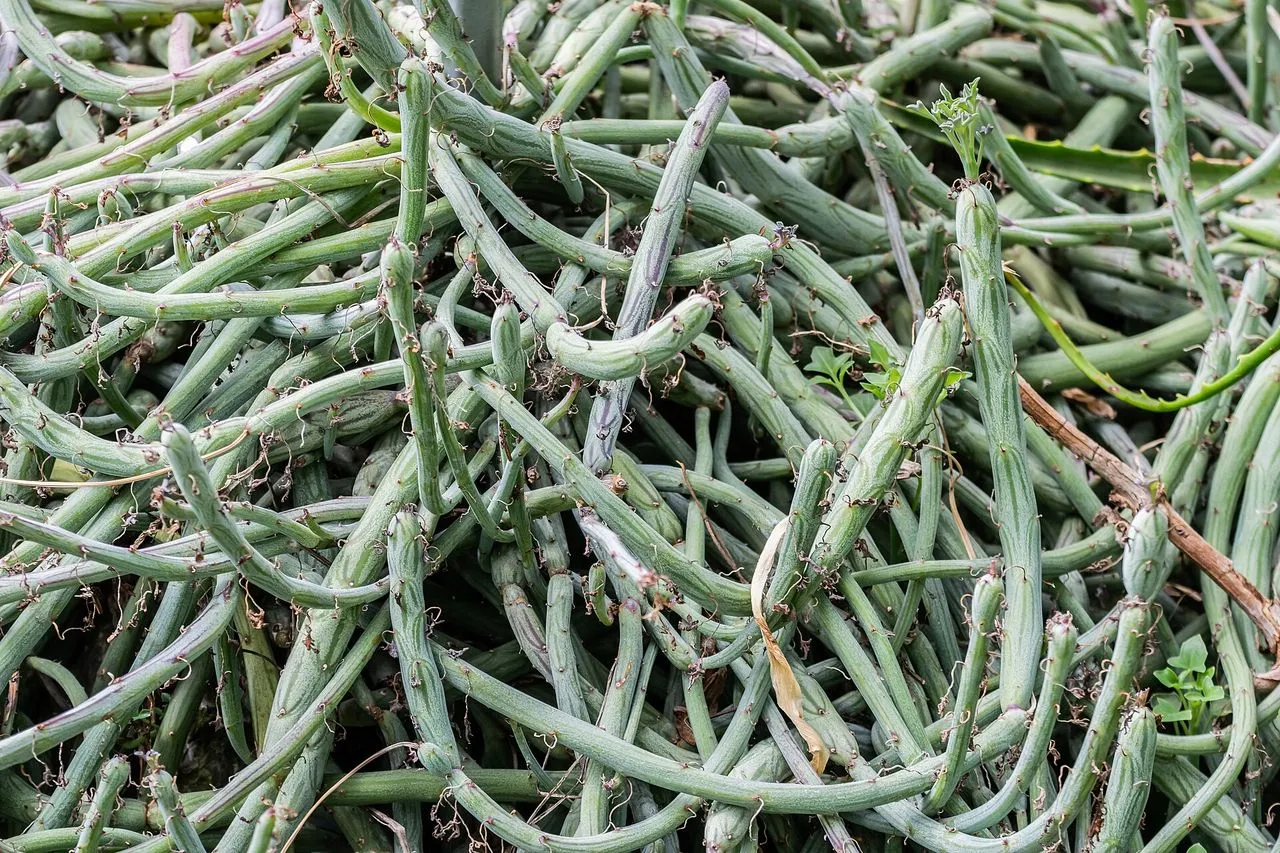
Senecio articulatus: Candle Plant Care
Identification, cultivation, and propagation of Senecio articulatus, the candle plant or sausage plant, with distinctive jointed segmented stems.
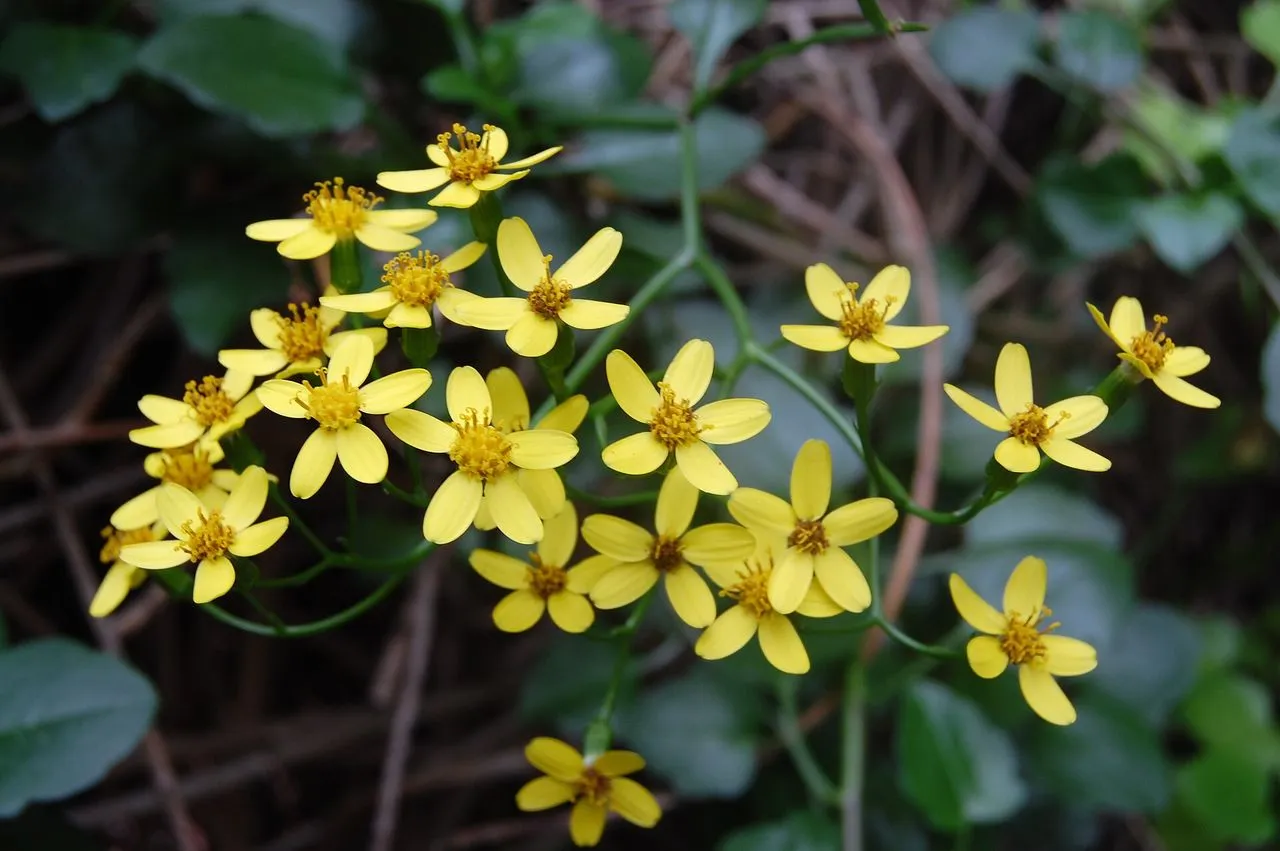
Senecio angulatus: Cape Ivy / Creeping Groundsel Care
Identification, cultivation, and propagation of Senecio angulatus, Cape ivy or creeping groundsel, a climbing semi-succulent with winter yellow flowers.
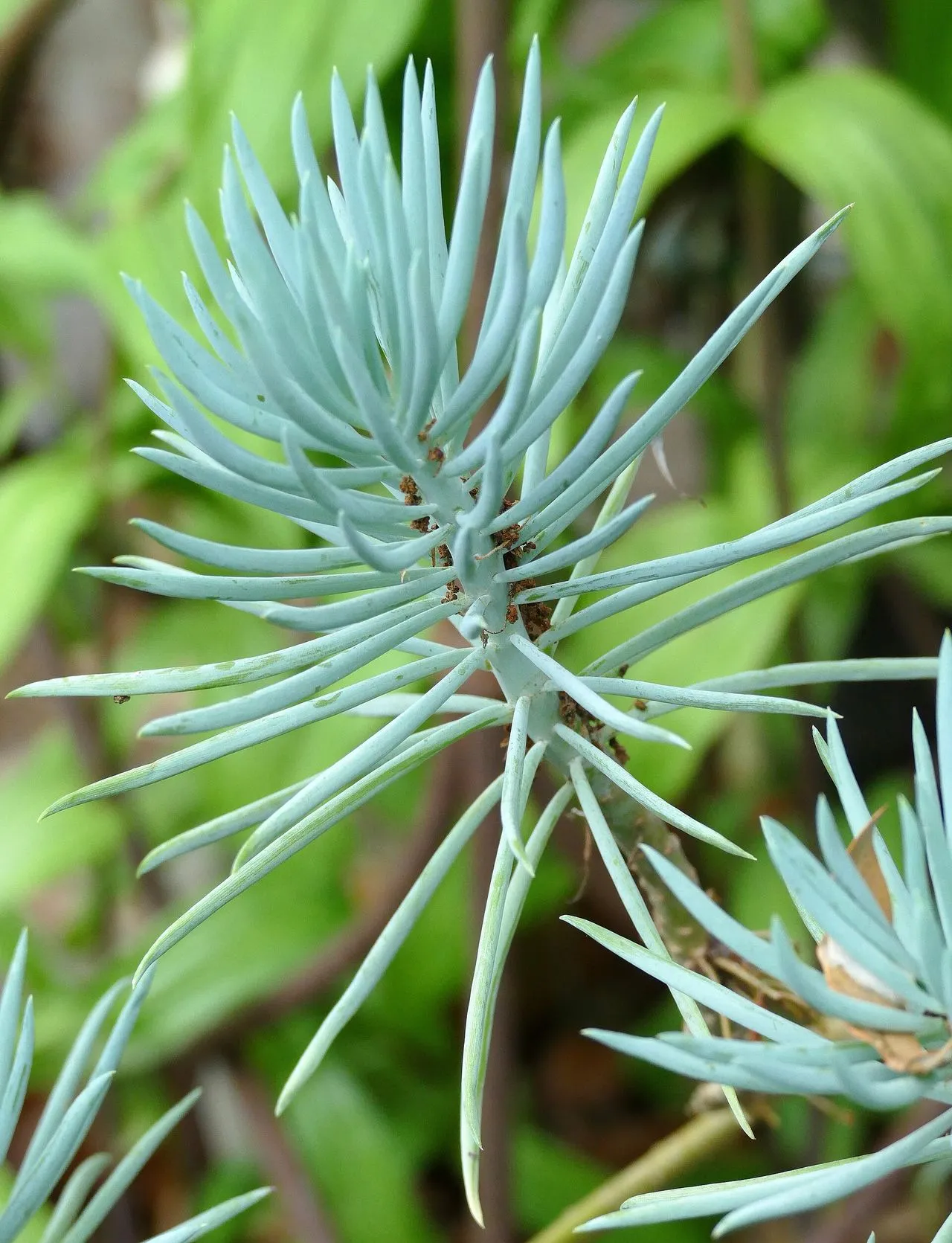
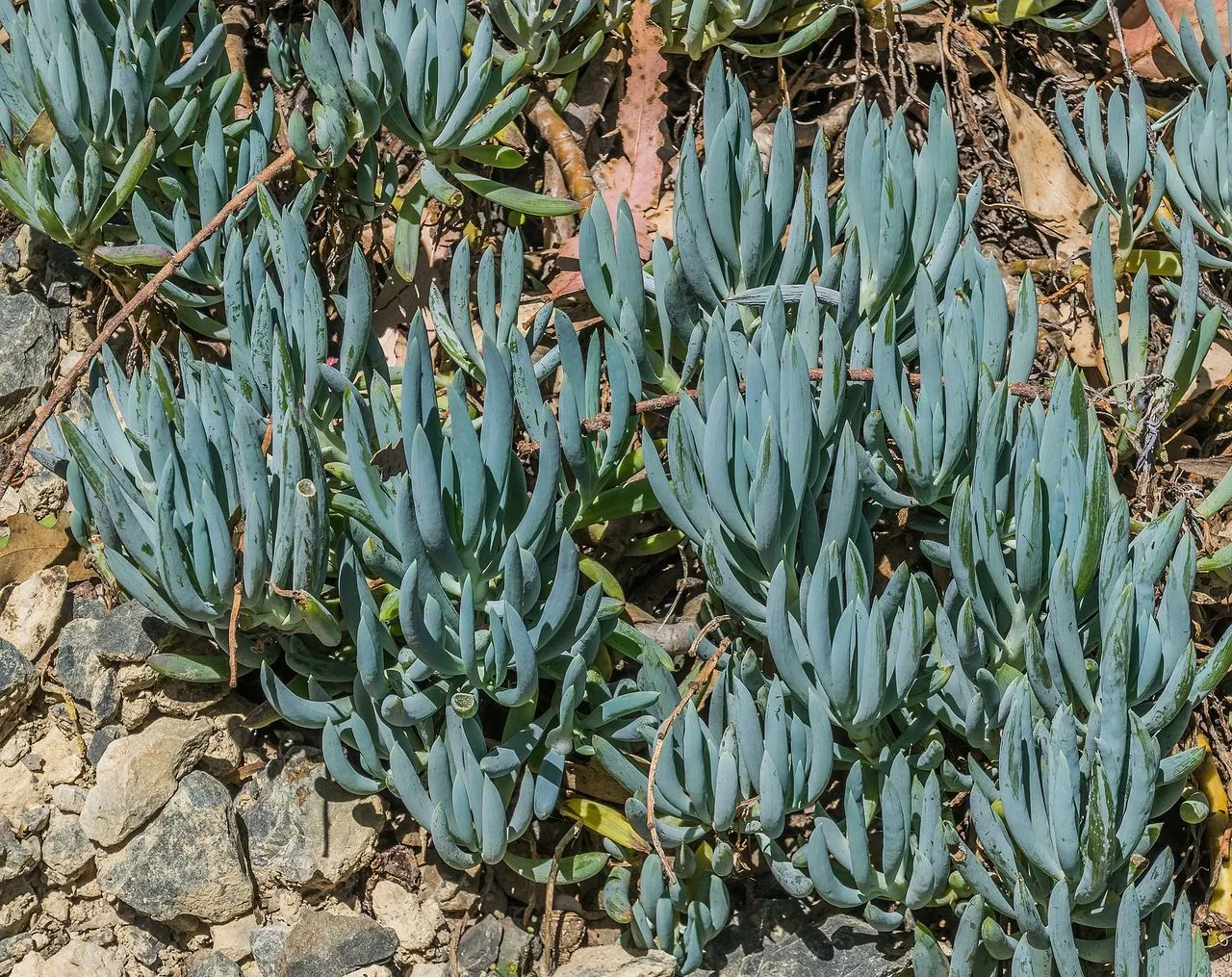
Senecio mandraliscae (Curio repens): Blue Chalksticks Care
Identification, cultivation, and propagation of blue chalksticks, a tough ground-cover succulent.
Senecio peregrinus (Curio × peregrinus): String of Dolphins Care
Identification, cultivation, and propagation of string of dolphins, a horticultural hybrid between string of pearls and Curio articulatus.
Senecio jacobsenii (Kleinia petraea): Trailing Jade Care
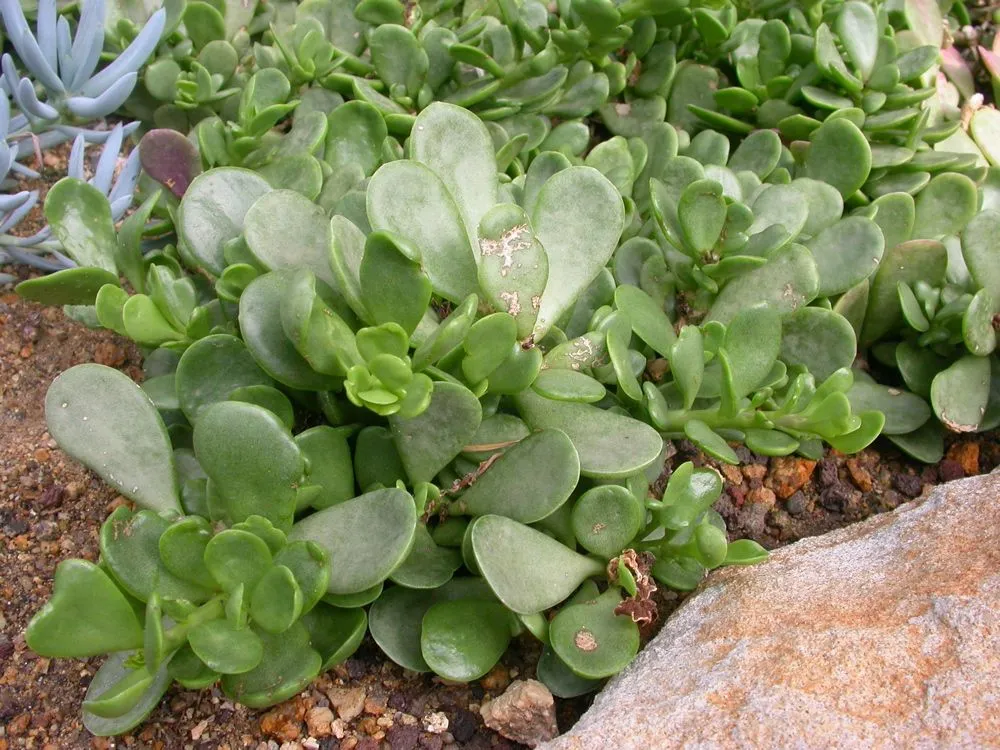
Identification, cultivation, and propagation of trailing jade, a broad-leaved trailing succulent with purple seasonal colour.
Senecio 'Himalaya': Trade Name Disambiguation
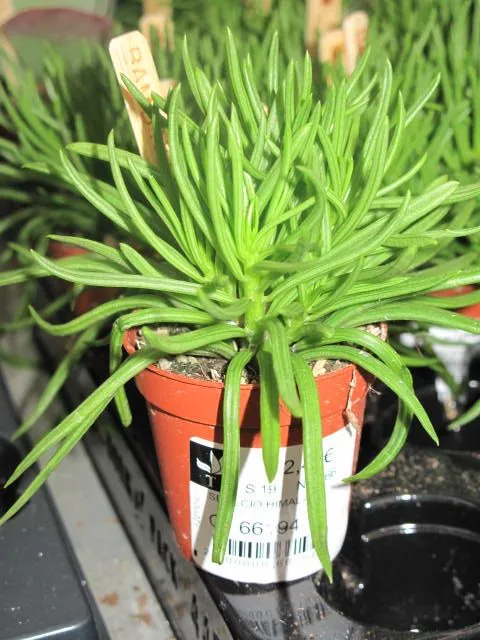
Disambiguation for Senecio 'Himalaya', a commercial trade name rather than a recognised botanical species, and guidance on what plant you likely have.
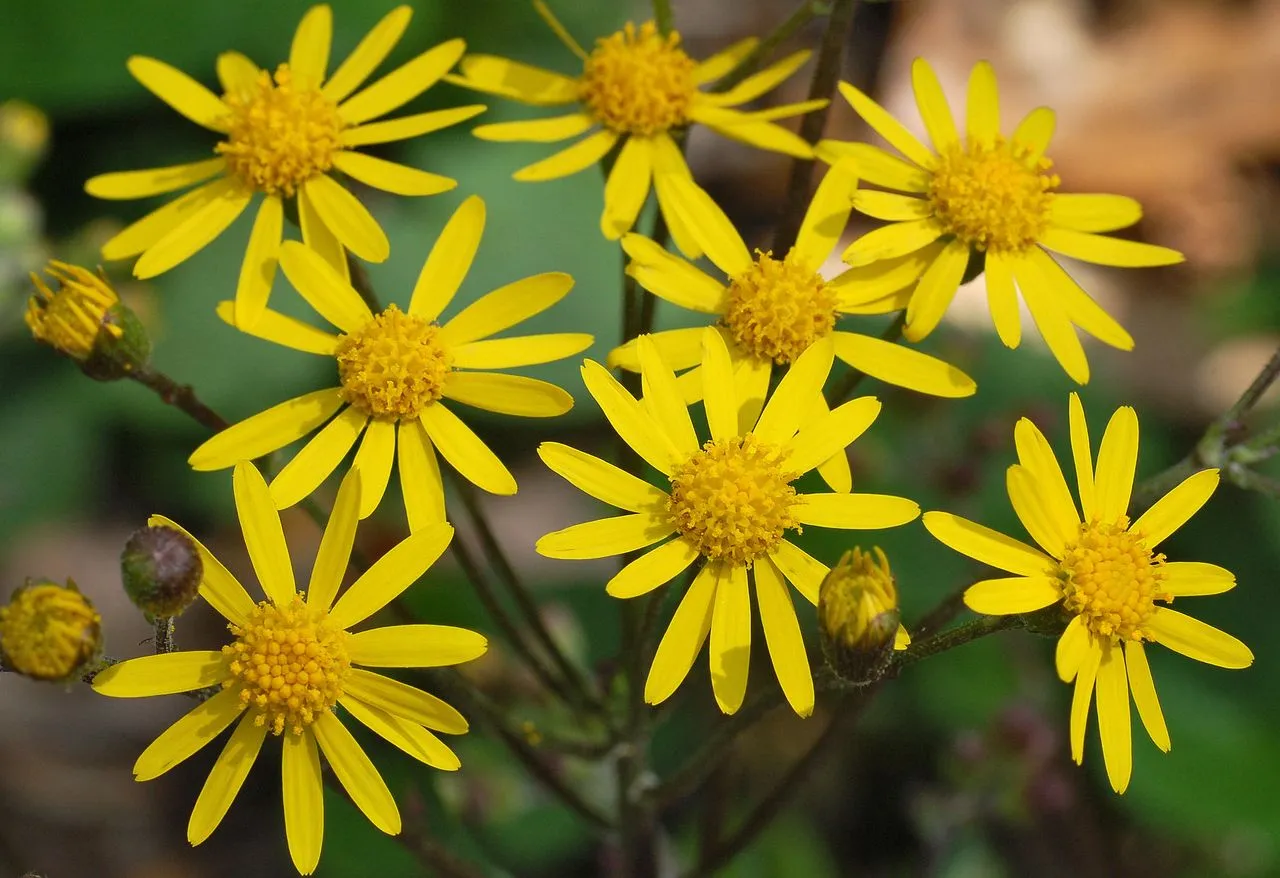
Senecio aureus (Packera aurea): Golden Ragwort Disambiguation
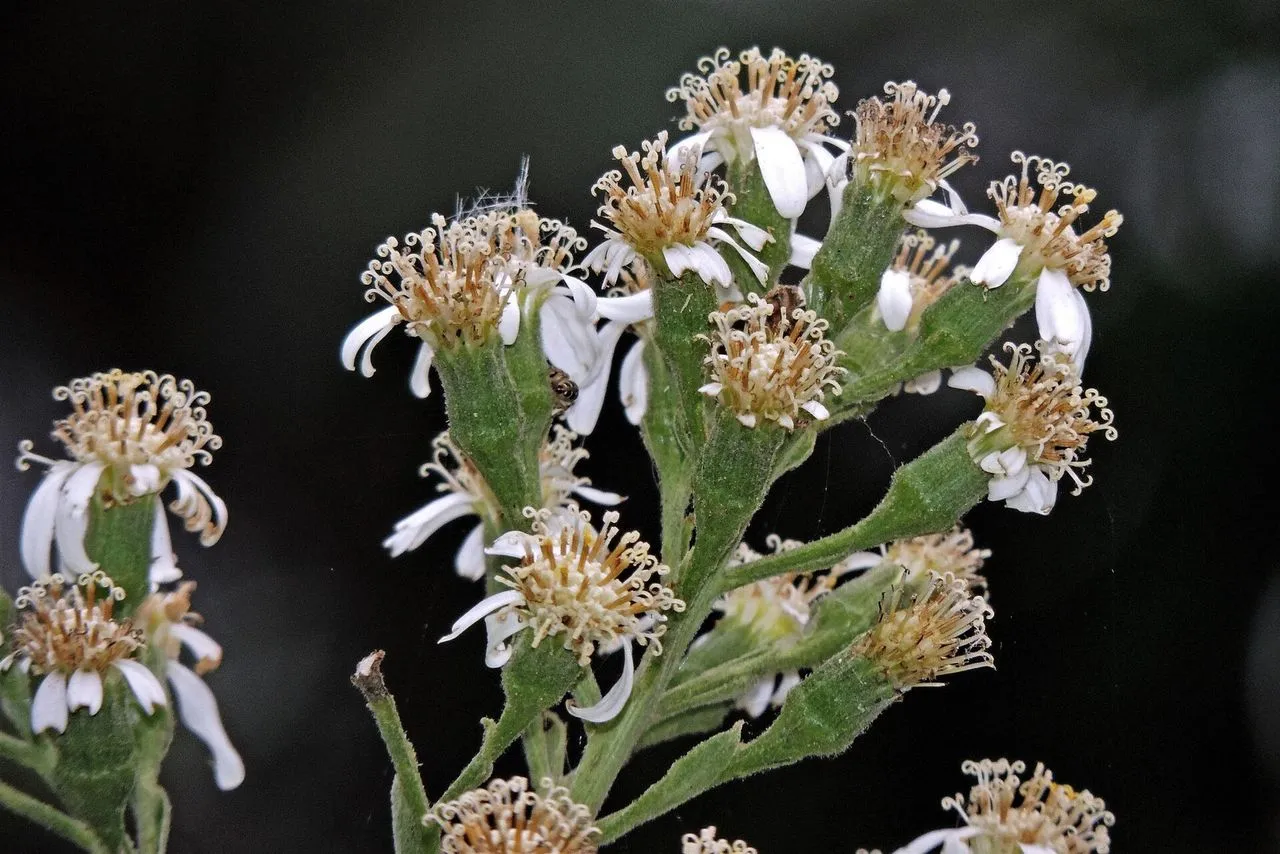
Disambiguation for Senecio aureus, now Packera aurea (golden ragwort), a North American wildflower that is not a succulent.
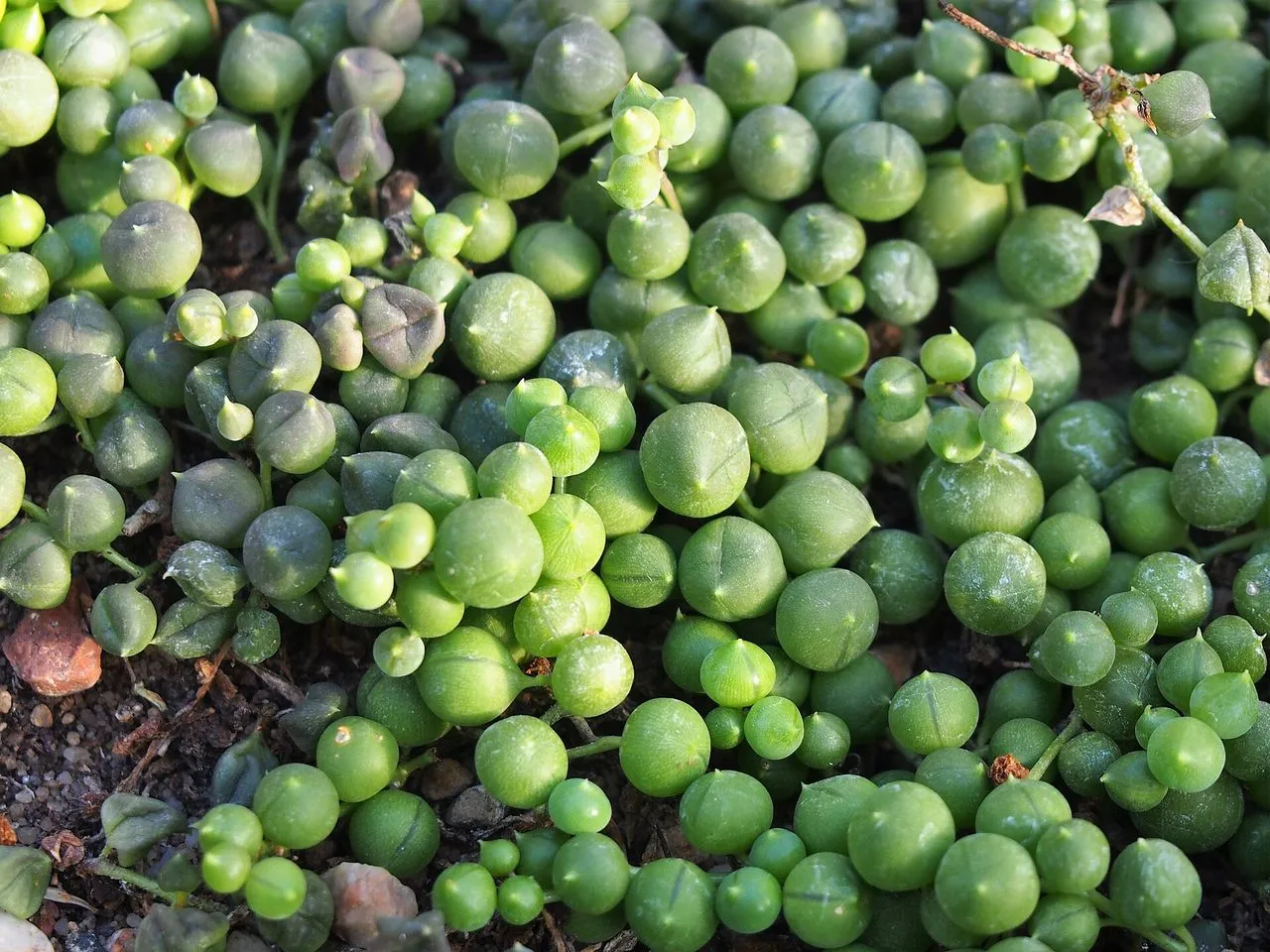
Senecio rowleyanus (Curio rowleyanus): String of Pearls Care
Identification, cultivation, and propagation of string of pearls, with practical notes on why trailing bead-leaved succulents collapse from overwatering.
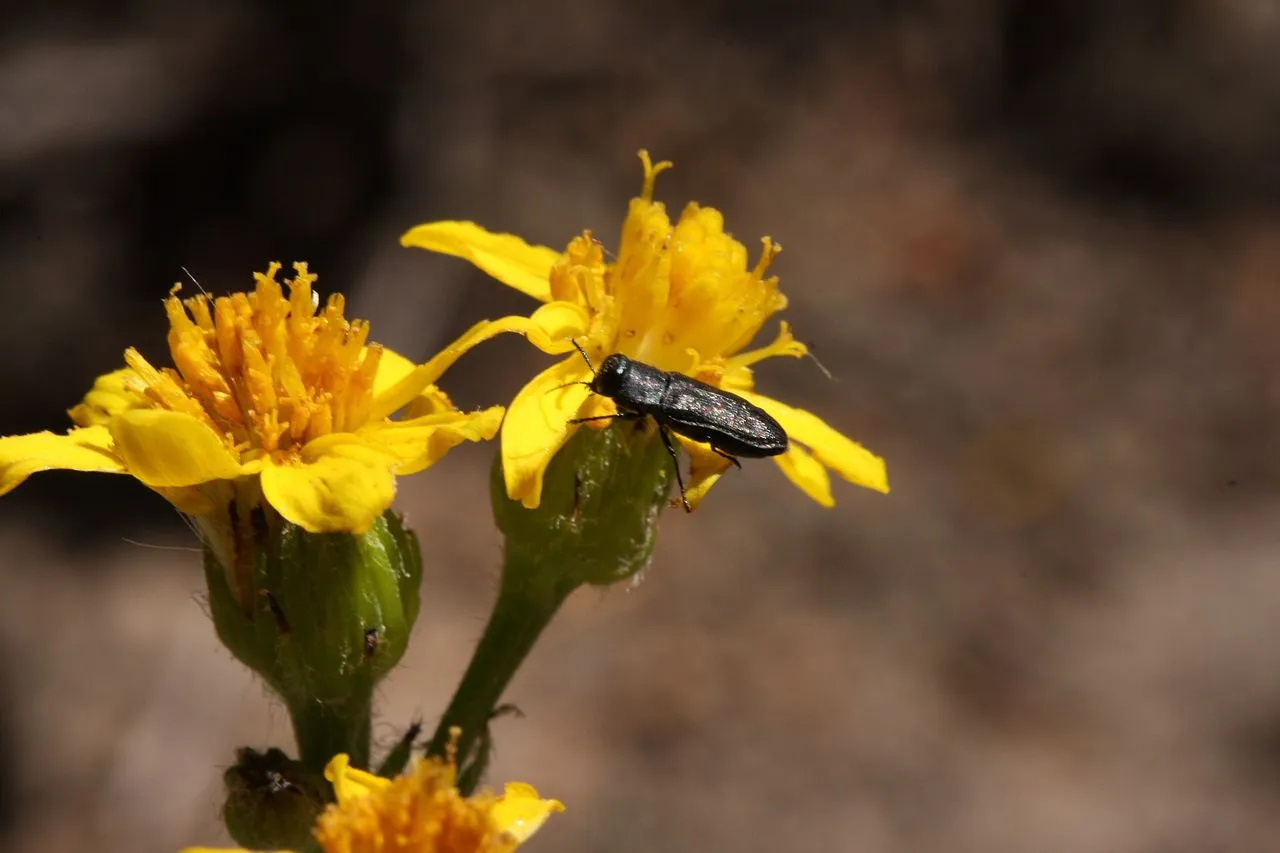
Senecio integerrimus (Packera integerrima): Lambstongue Ragwort
Disambiguation for Senecio integerrimus, a North American wildflower now treated as Packera integerrima, not a succulent.
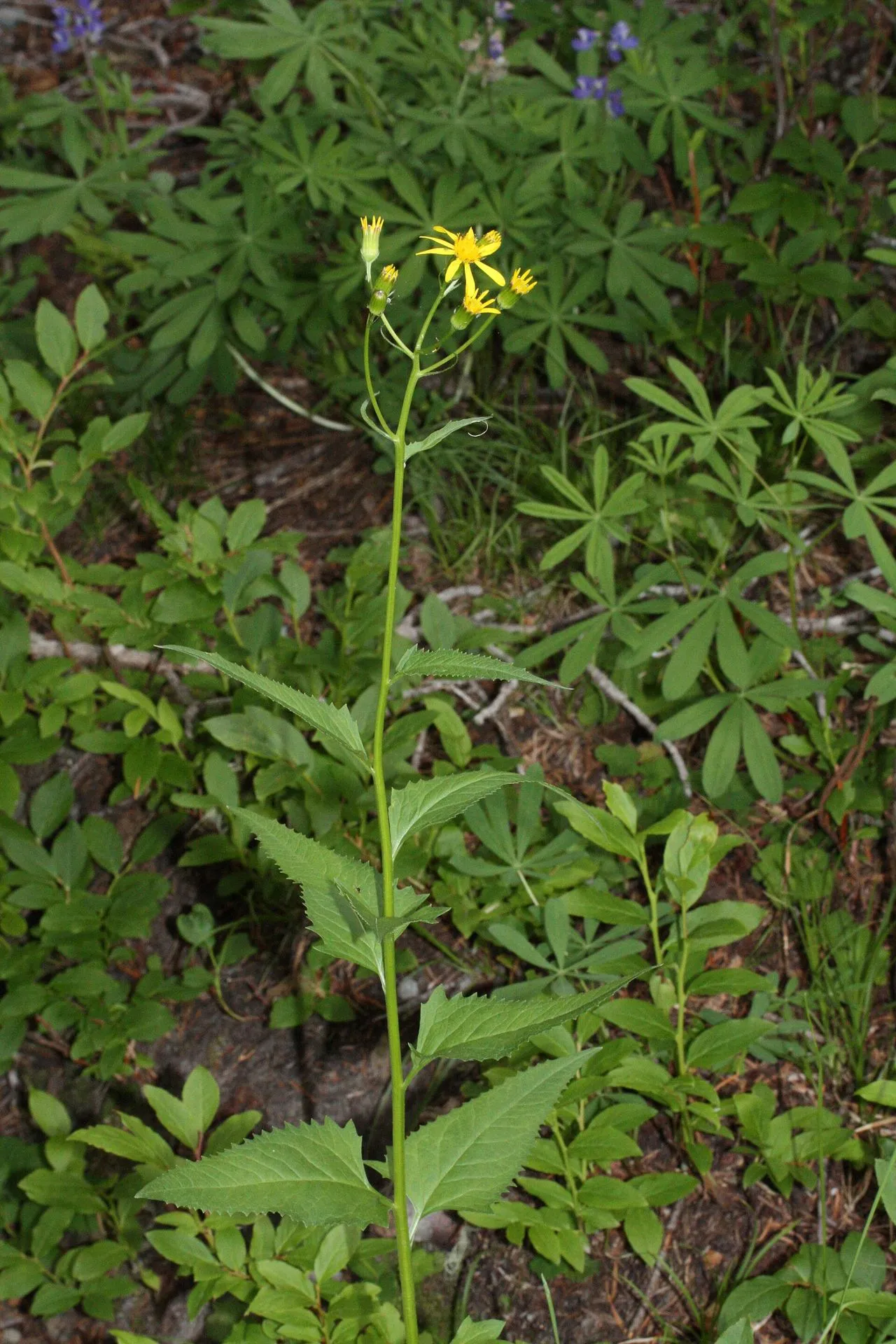
Senecio triangularis: Arrowleaf Ragwort Disambiguation
Disambiguation for Senecio triangularis, arrowleaf ragwort, a moist-meadow wildflower of western North America that is not a succulent.
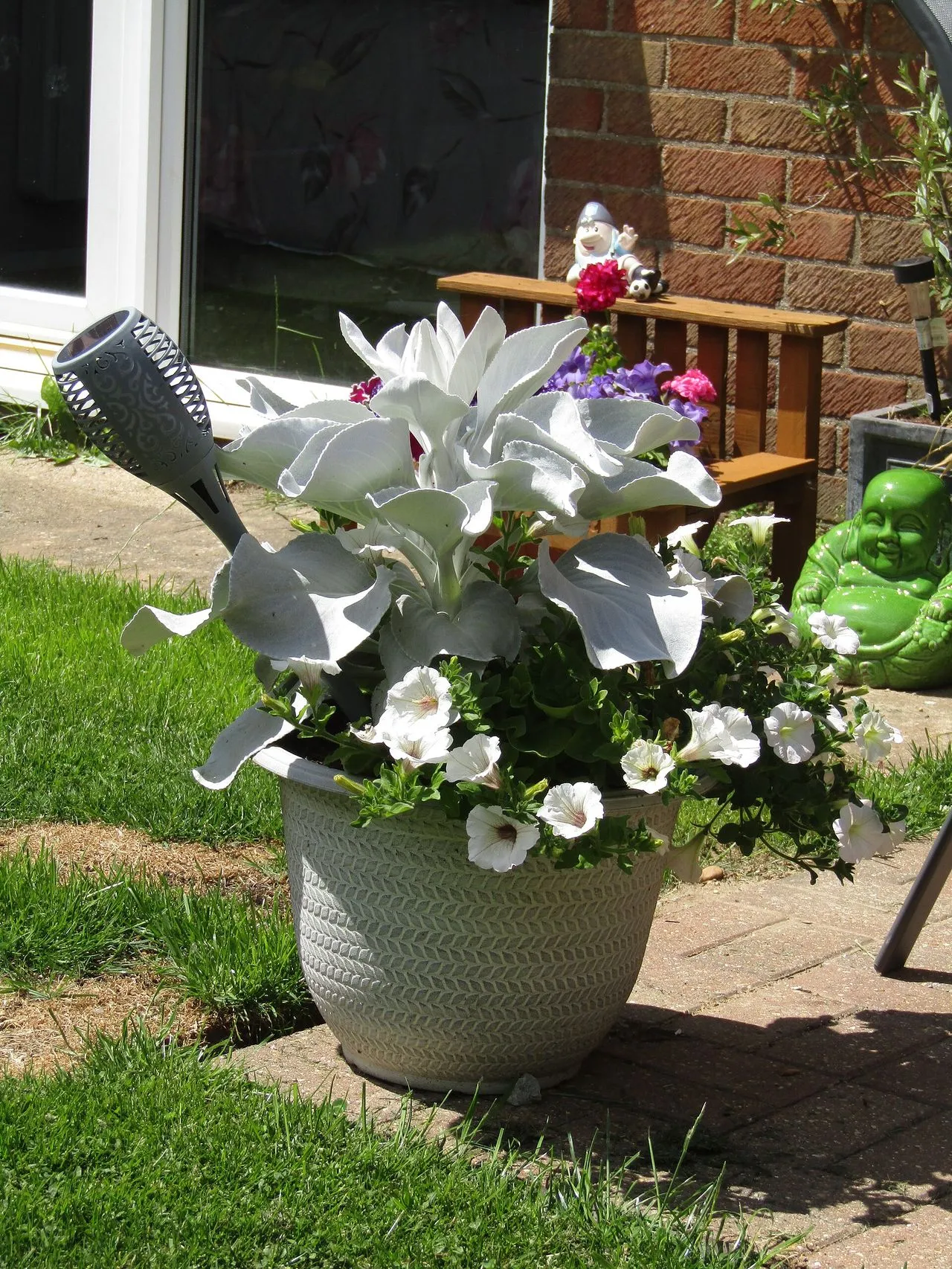
Senecio 'Angel Wings' (Senecio candicans): Care Notes
Care notes for Senecio 'Angel Wings', the commercial cultivar of Senecio candicans with broad silver-white woolly leaves.
Senecio 'Skyscraper': Tall Upright Succulent Cultivar
Care notes for Senecio 'Skyscraper', a tall upright commercial selection most likely derived from Senecio crassissimus or Senecio articulatus.
Senecio candicans: The Wild Silver-Leaved Senecio
Identification and cultivation notes for the wild Senecio candicans, the Patagonian parent of the 'Angel Wings' cultivar.
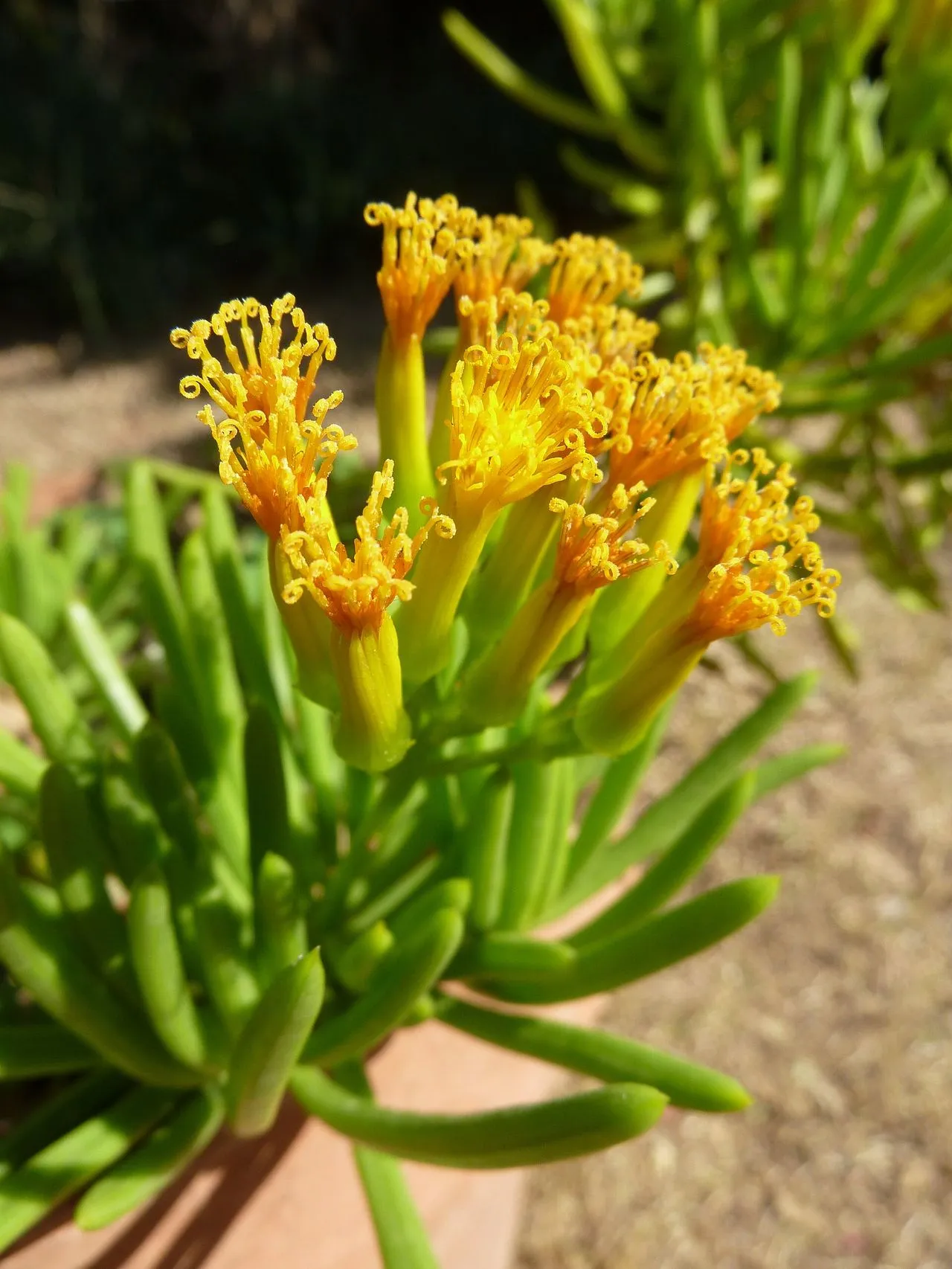
Senecio barbertonicus: Succulent Bush Senecio Care
Identification, cultivation, and propagation of Senecio barbertonicus, a fast-growing shrubby succulent with bright yellow winter flowers.
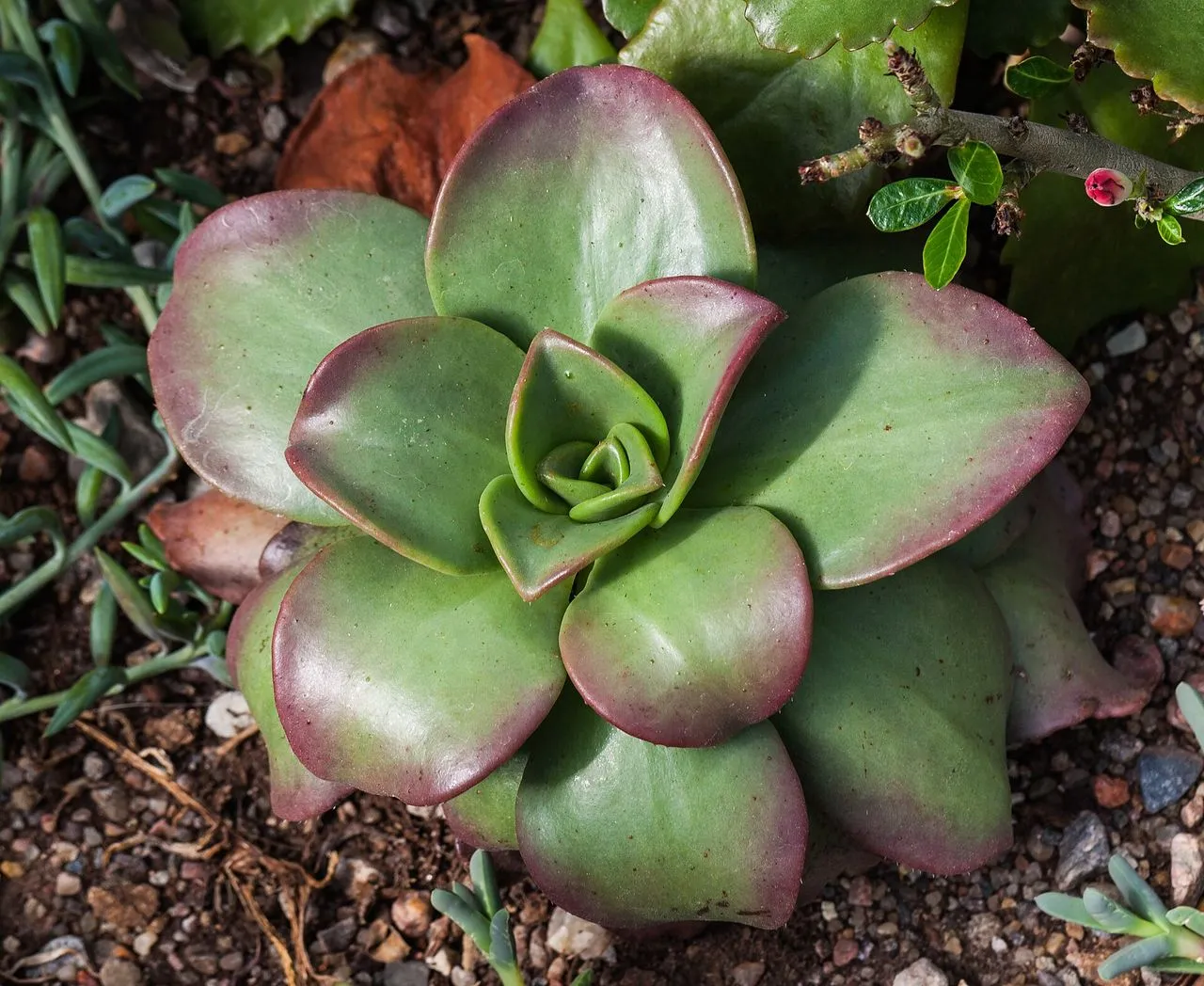
Senecio radicans (Curio radicans): String of Bananas Care
Identification, cultivation, and propagation of string of bananas, a faster and more forgiving trailing succulent than string of pearls.
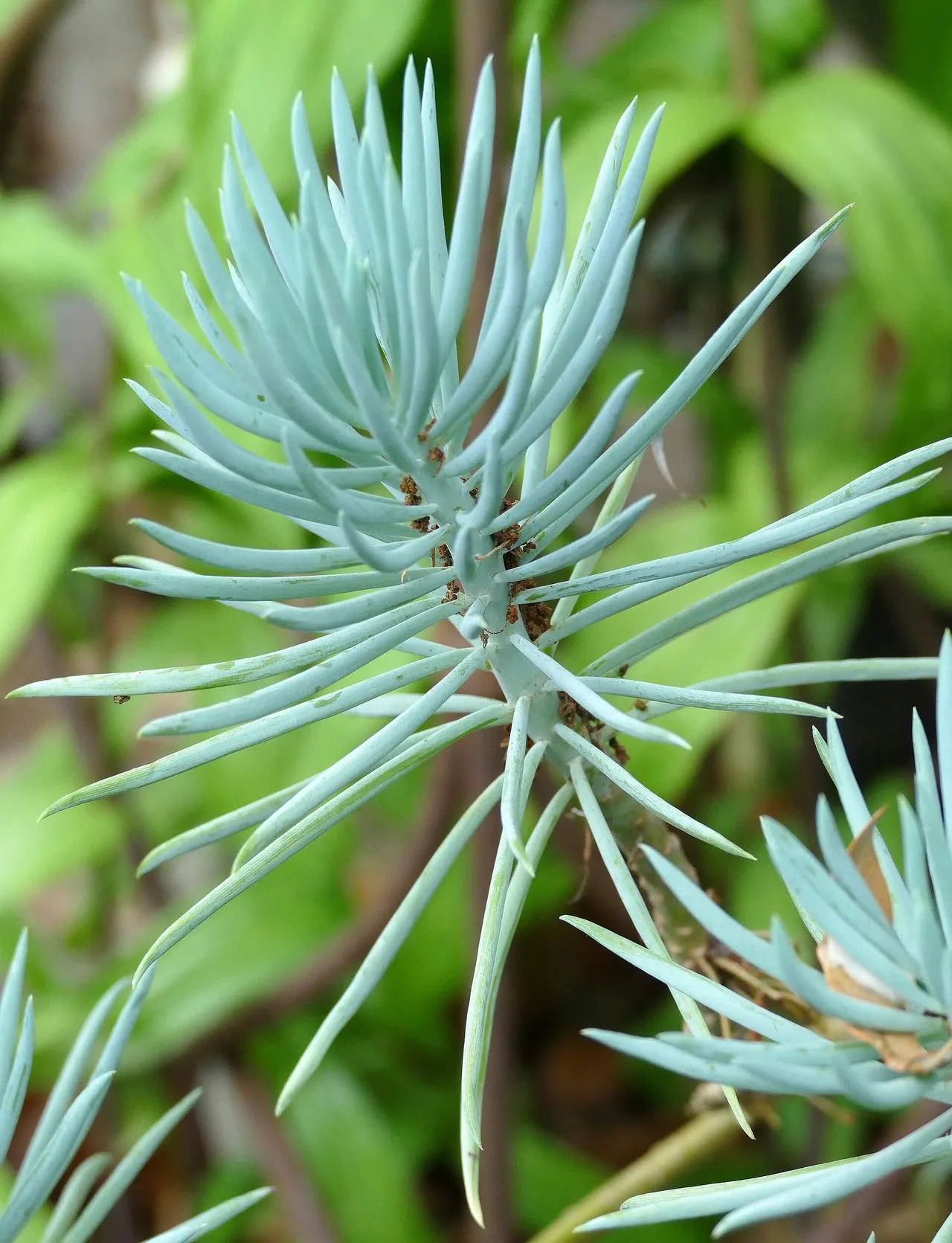
Senecio vitalis: Narrow-Leaf Chalksticks Care
Identification, cultivation, and propagation of Senecio vitalis, an upright narrow-leaved blue-green succulent often sold as blue chalksticks.
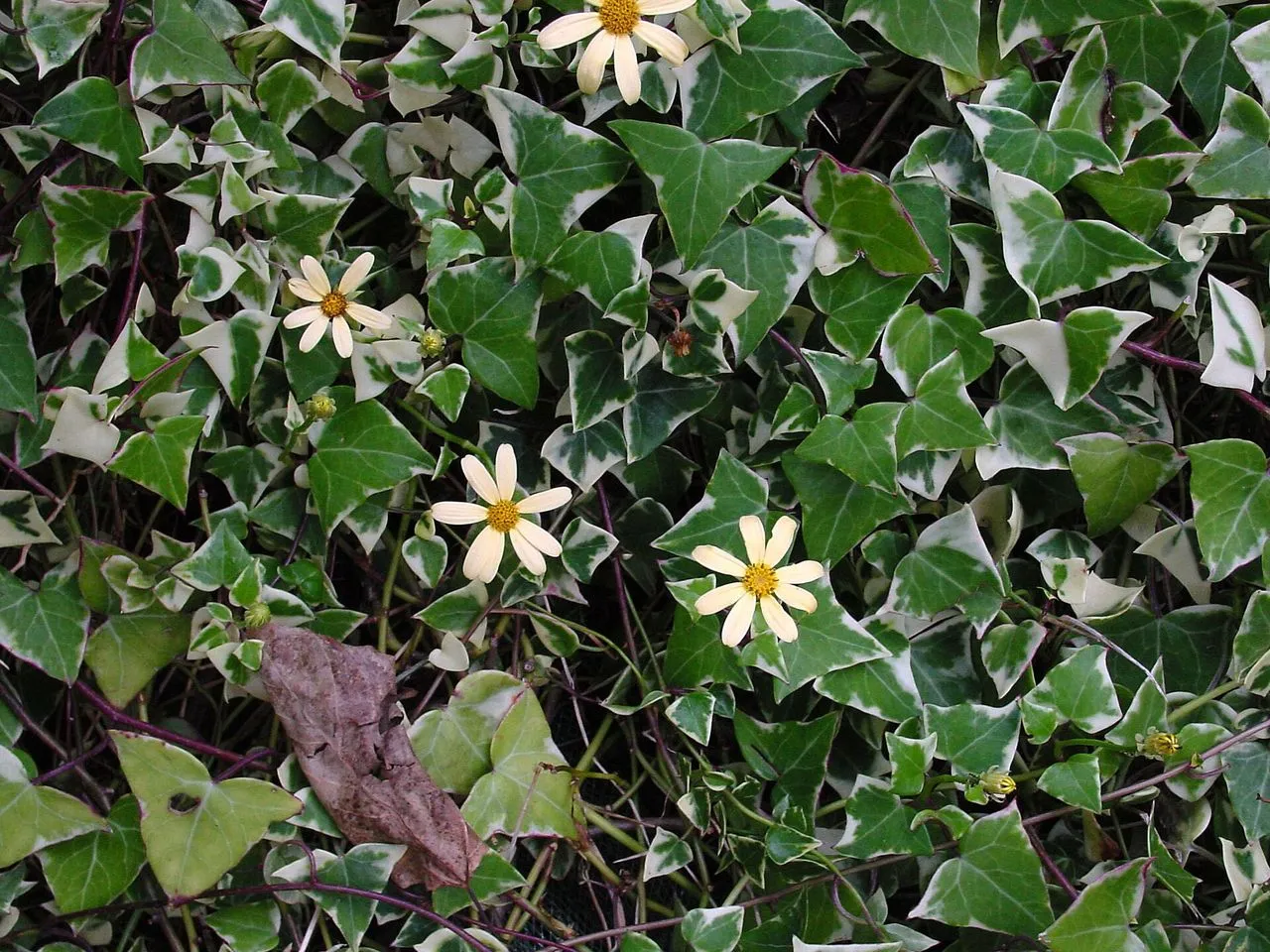
Senecio macroglossus: Wax Ivy / Natal Ivy Care
Identification, cultivation, and propagation of Senecio macroglossus, wax ivy or Natal ivy, a climbing semi-succulent with glossy ivy-shaped leaves.
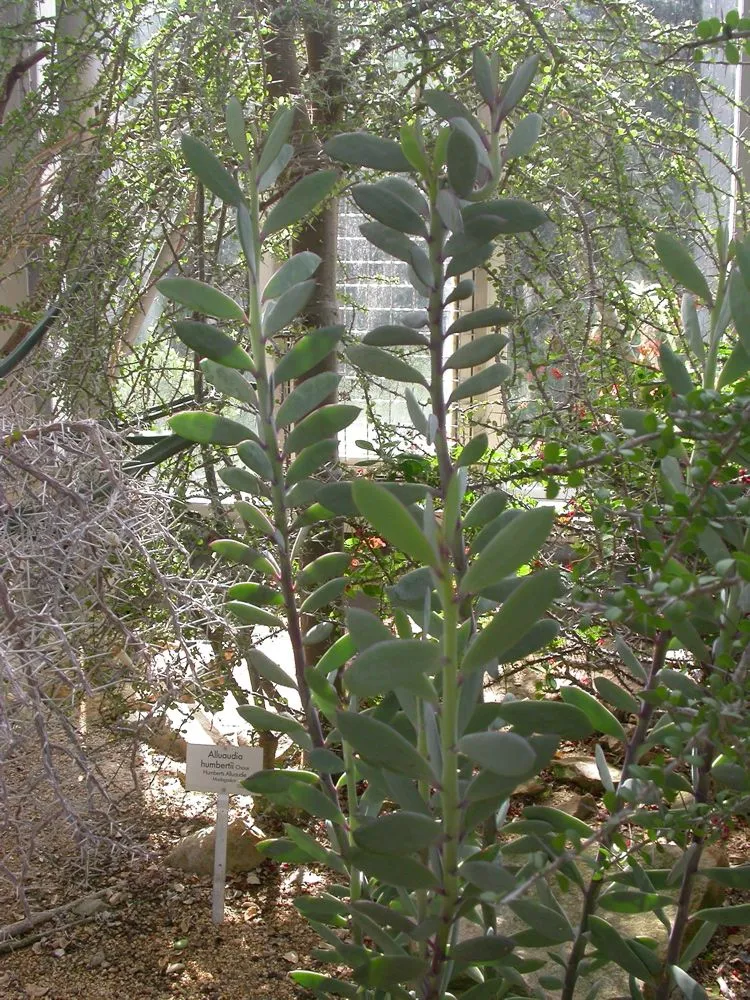
Senecio crassissimus: Vertical Leaf / Airplane Plant Care
Identification, cultivation, and propagation of Senecio crassissimus, the vertical leaf or airplane plant, with paddle leaves held edge-on to the sun.
Senecio serpens (Curio serpens): Dwarf Blue Chalksticks Care
Identification, cultivation, and propagation of dwarf blue chalksticks, a compact ground-cover relative of Curio mandraliscae.
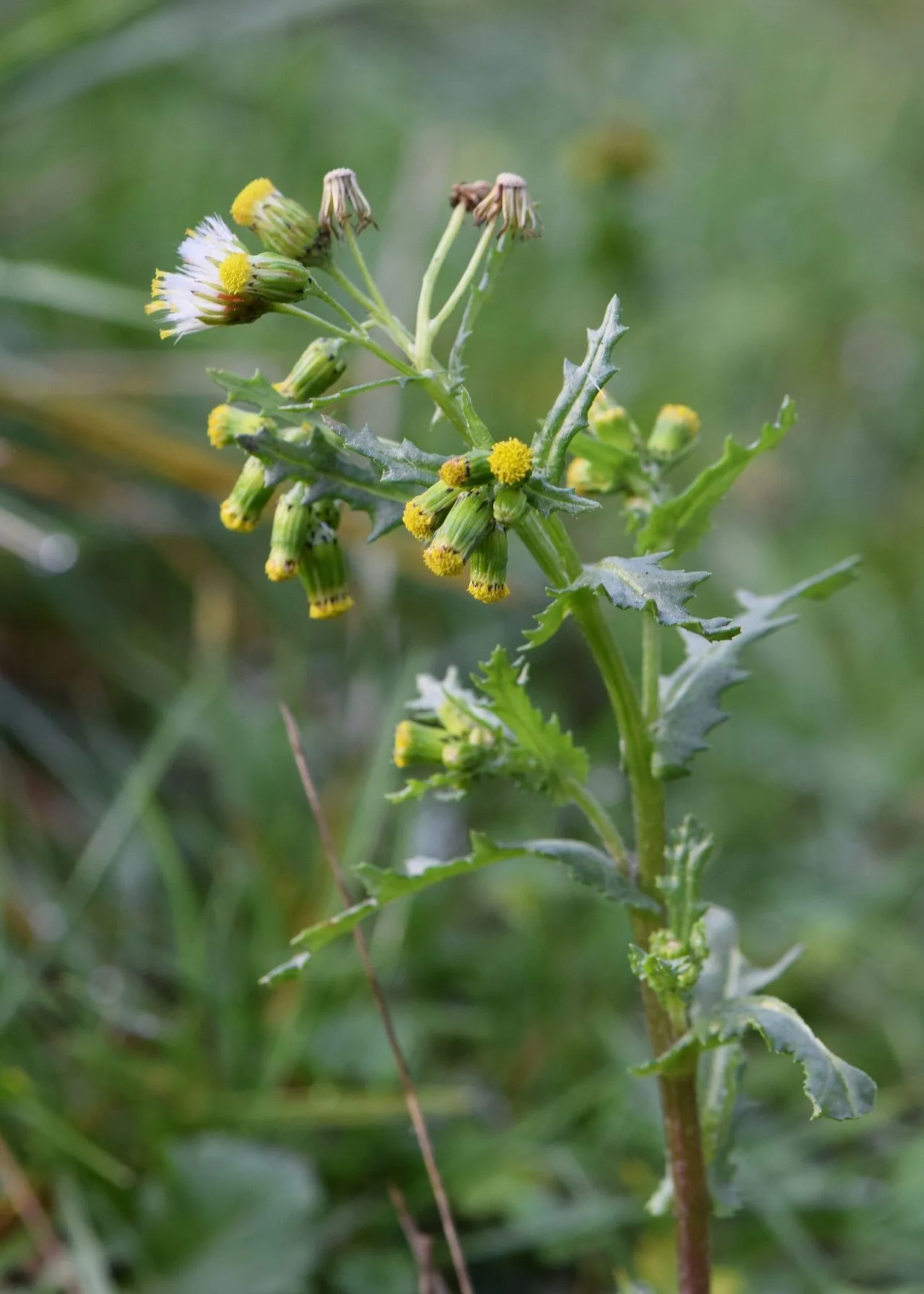
Senecio vulgaris: Common Groundsel Disambiguation
Disambiguation for Senecio vulgaris, common groundsel, a widespread European weed that is not a succulent.