Genus Reference
Haworthia
Haworthia and Haworthiopsis care — small, slow-growing, low-light-tolerant succulents.
The Complete Haworthia Guide: Identification, Cultivation & Propagation
Grow Haworthia with bright indirect light, gritty soil, careful watering, and simple propagation. Learn why leaves stretch, brown, soften, or lose windows.
Read the guide →Species & Cultivars
All articles in this section
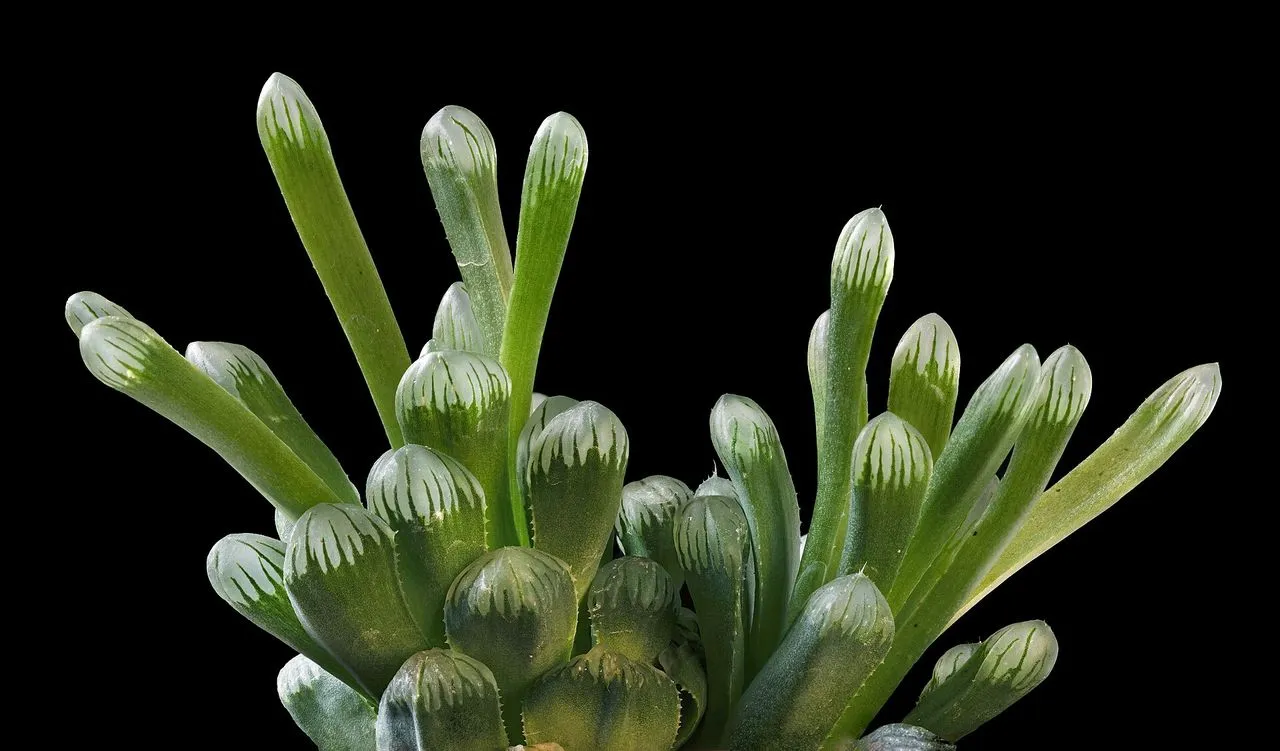
Haworthia Not Producing Pups: Why Offsetting Stalls
Many haworthias fail to produce offsets because of species genetics, insufficient light, root damage, or an oversized pot.
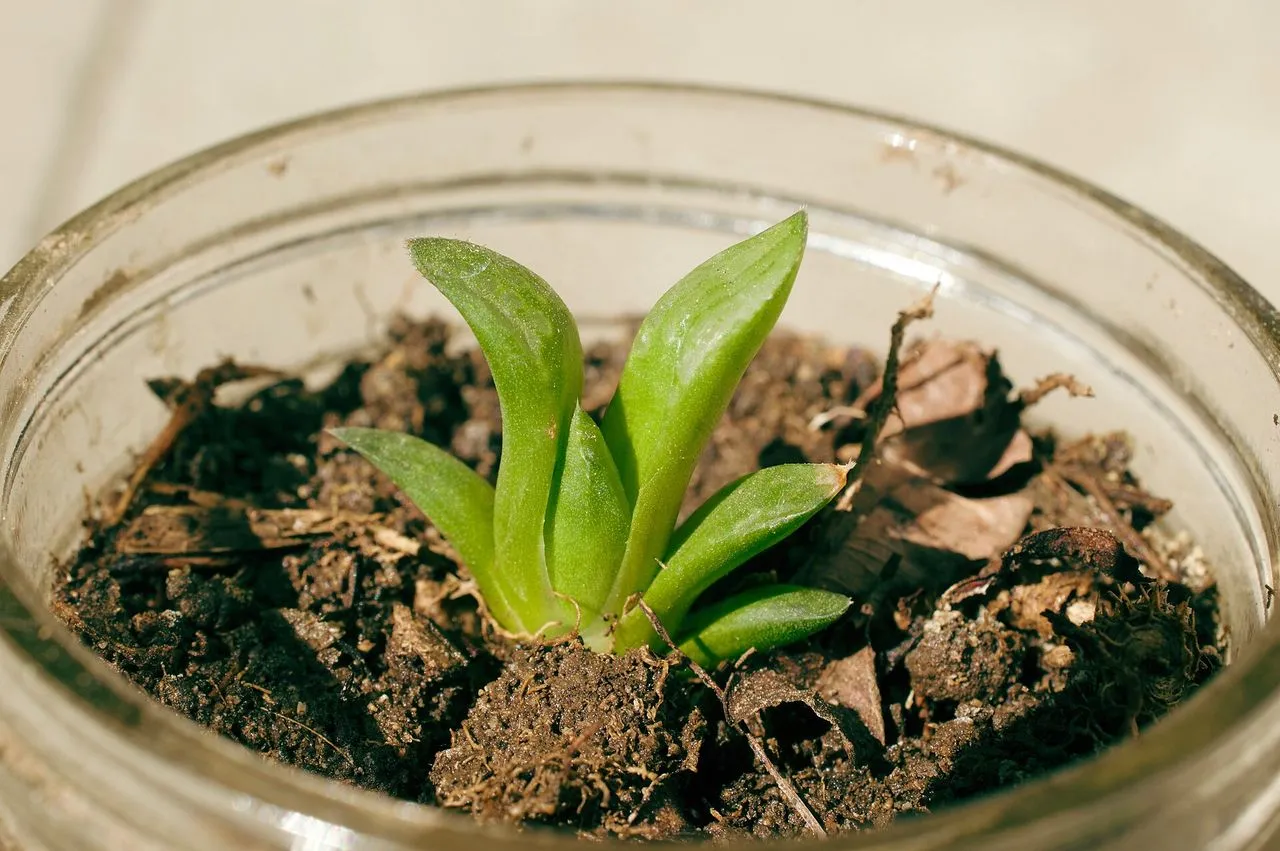
Haworthia Leaves Turning Yellow: Causes and Fixes
Yellow Haworthia leaves most commonly signal over-watering and early root rot, but can also indicate root mealybug, nutrient deficiency, or normal…
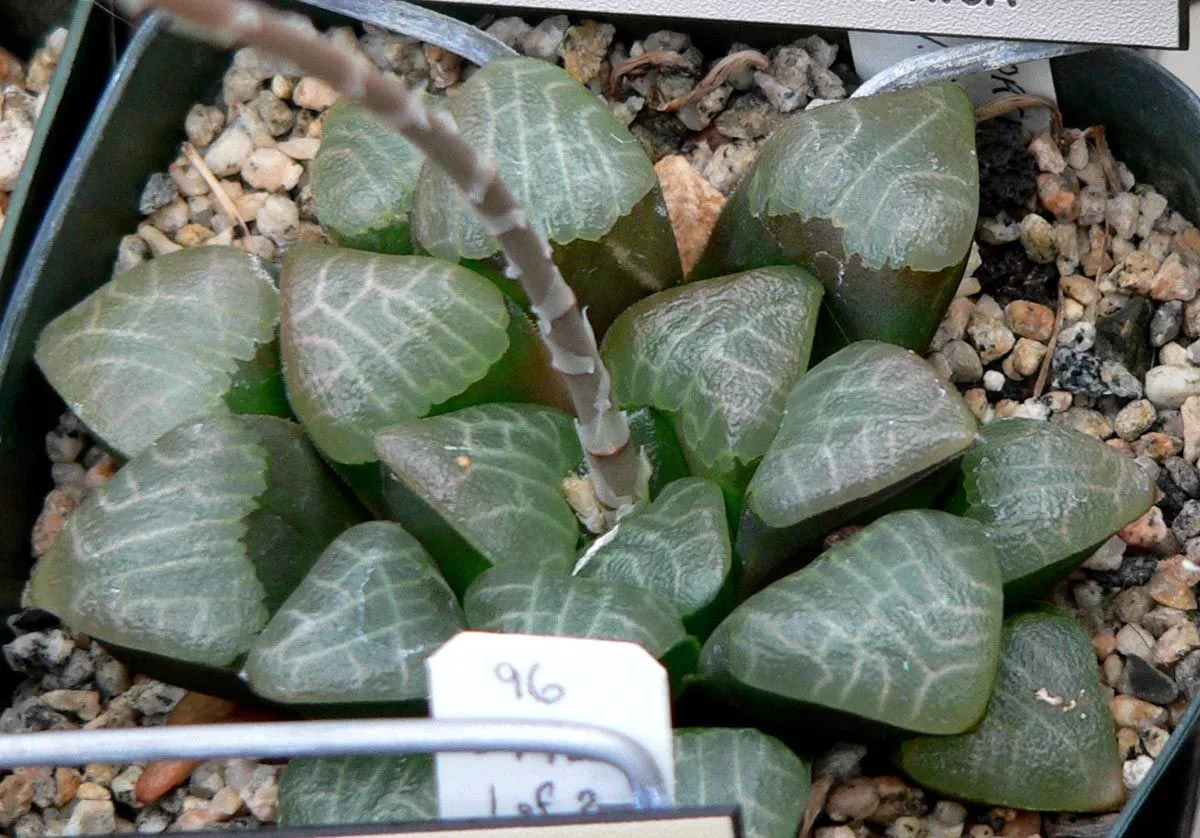
Haworthia Leaves Turning Brown: Causes and Fixes
Brown Haworthia leaves have five distinct causes: normal senescence, sunburn, cold damage, root rot, and drought.
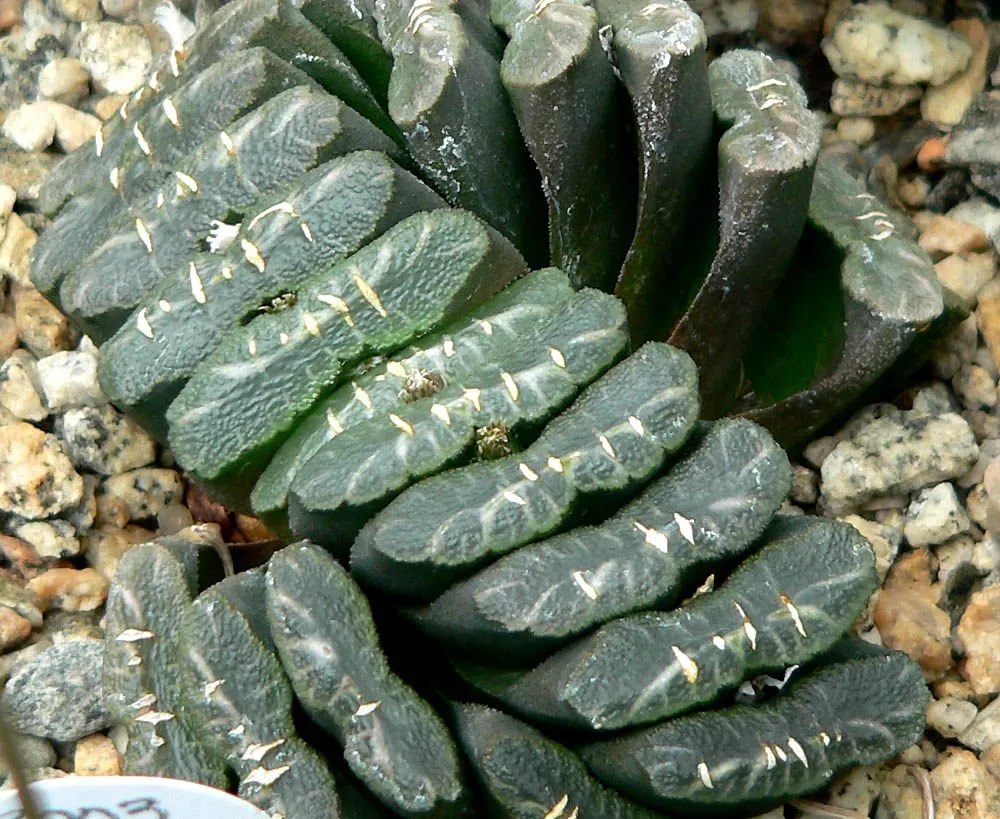
Haworthia Leaves Soft and Mushy: Rot Diagnosis and Recovery
Soft, mushy Haworthia leaves are the clearest sign of active rot — in the roots, stem base, or crown.
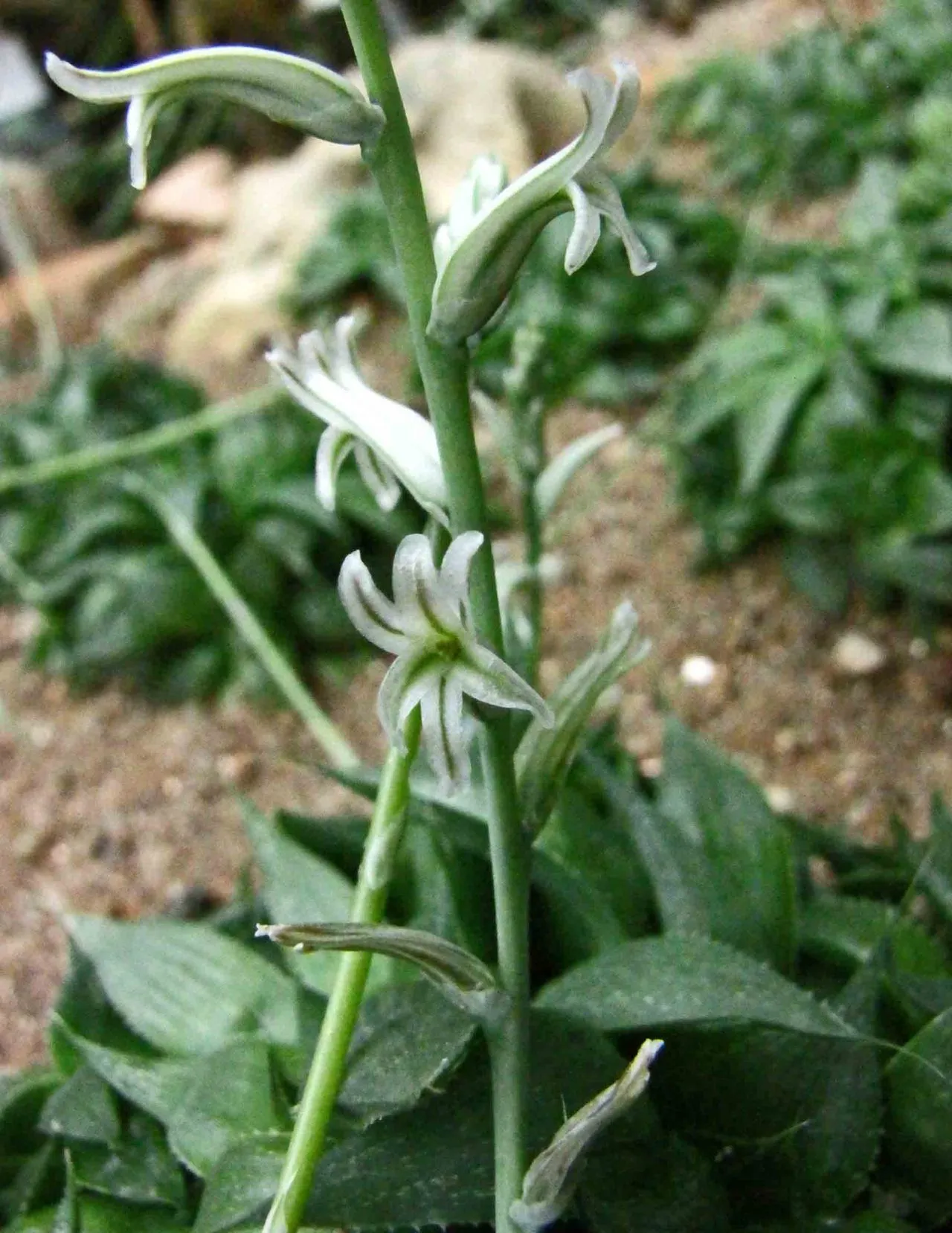
Haworthia Not Growing: Why It Stalls and When to Worry
A Haworthia that appears not to grow is usually dormant, root-damaged, or light-deprived.
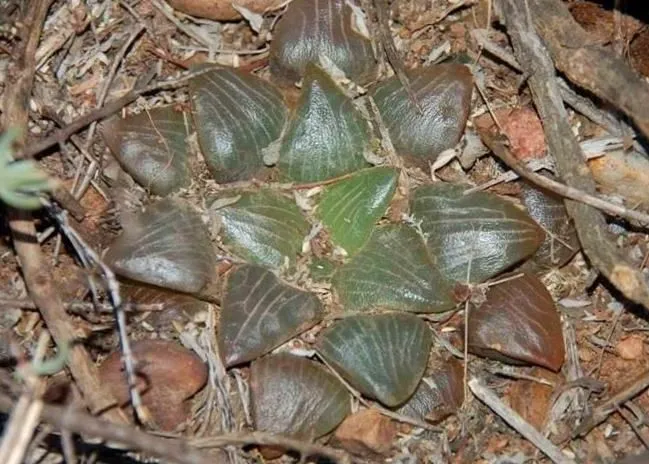
Haworthia Aphids: Identification, Damage, and Treatment
Aphids on Haworthia most commonly attack the flower stalk but can colonise leaf axils.
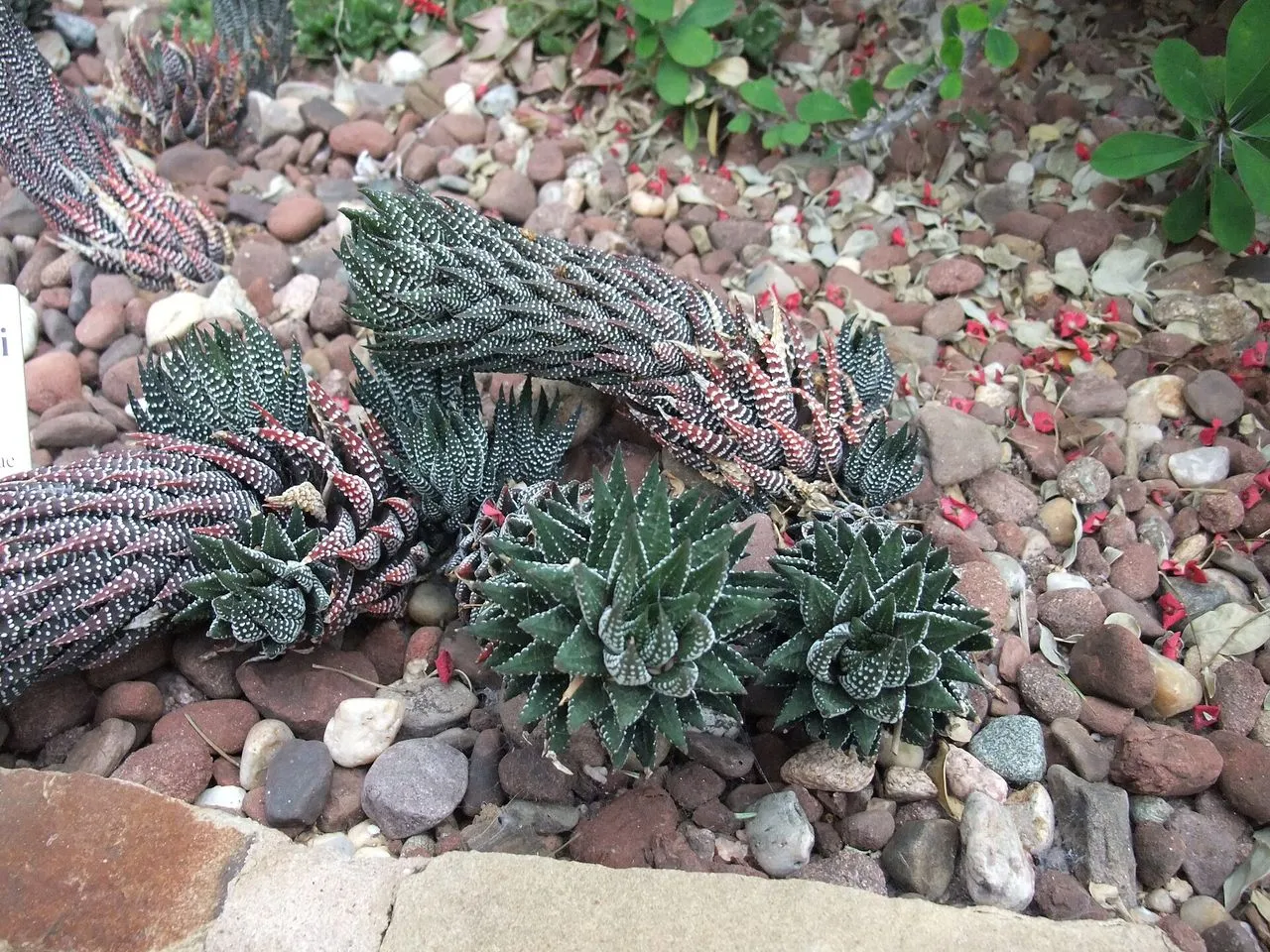
Haworthia Black Tips: Causes, Diagnosis, and Treatment
Black tips on Haworthia leaves are caused by crown rot from standing water, cold damage, sunburn advancing to necrosis, or fungal tip dieback.
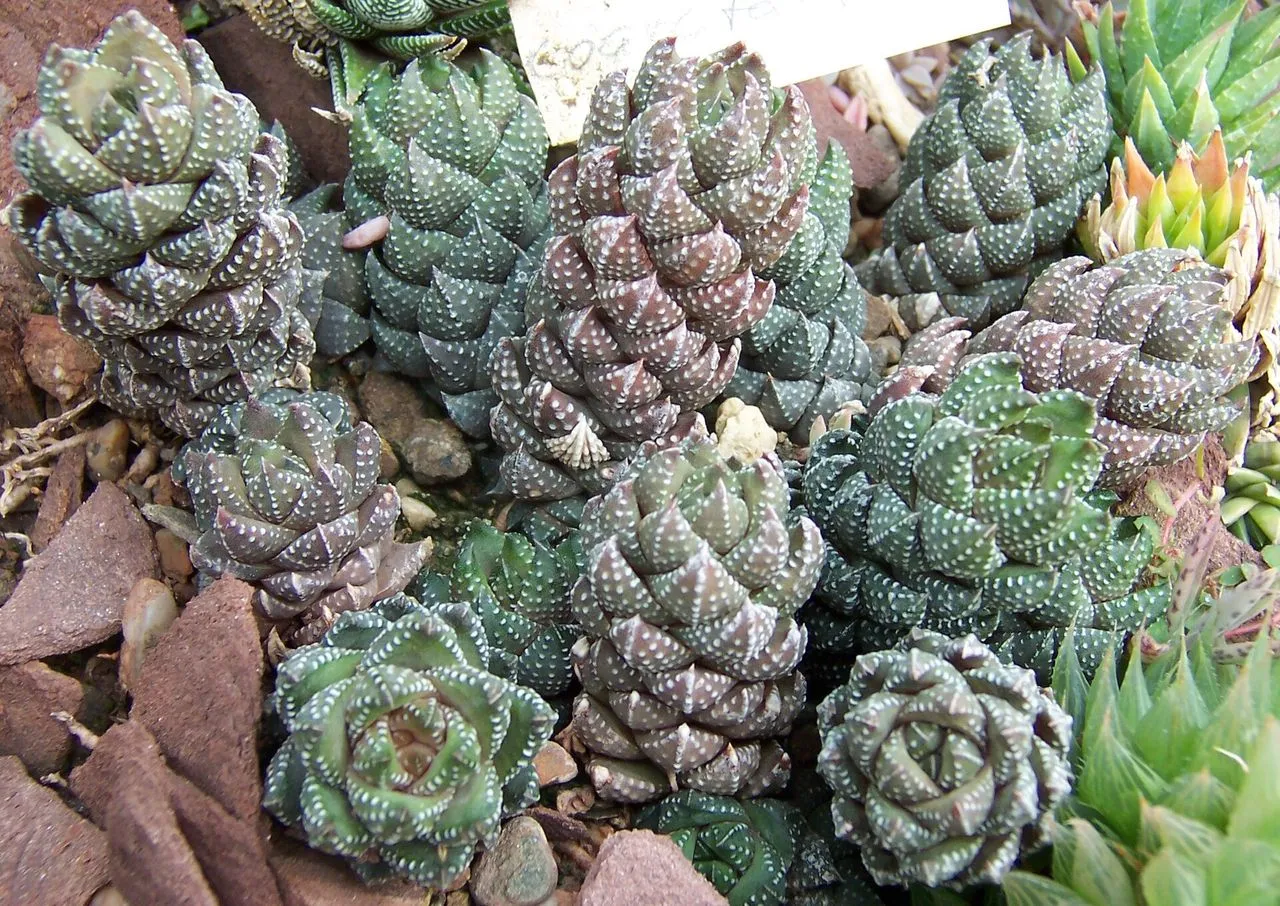
Haworthia Leaves Shriveling: Causes and Recovery
Shriveling Haworthia leaves can mean under-watering, root damage from rot or root mealybug, heat stress, or repotting shock.
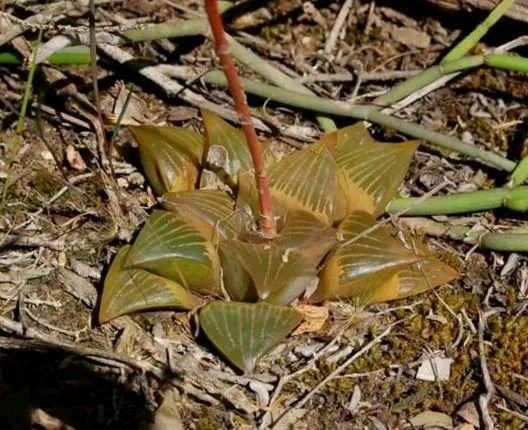
Haworthia Leaf Tips Dying Back: Causes and Prevention
Dying leaf tips are the most common cosmetic complaint on Haworthia.
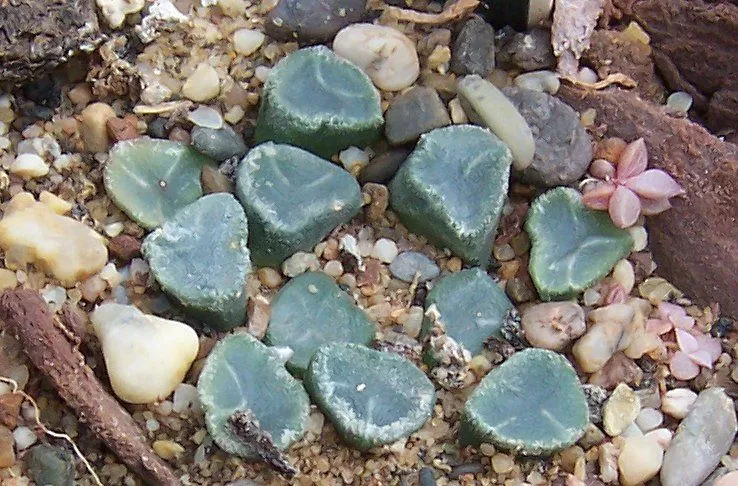
Haworthia Leaves Turning Transparent: Windows vs Warning Signs
Transparent or translucent Haworthia leaves are often the plant's normal leaf windows, not a problem.
Haworthia Elongating: Why It Stretches and How to Fix It
Haworthia elongating usually means low light. Learn the early signs, how to move it brighter without sunburn, and when to use a grow light.
Haworthia maughanii: Window-Top Succulent Profile
Haworthia maughanii, the South African spiral-rosette window-top succulent native to clay flats near Riversdale. Habitat, ID, cultivation, and propagation.
Haworthia truncata (Horse's Teeth): Profile & Care
Haworthia truncata, the Horse's Teeth, a South African succulent with two-ranked leaves and flat truncated windows. Habitat, ID, cultivation, propagation.
Haworthia obtusa: The Blunt-Leaf Window Haworthia
Cultivation profile of Haworthia obtusa, the bulbous clear-window species most taxonomists now treat as a variety or synonym of Haworthia cooperi.
Haworthia emelyae: The Patterned-Window Haworthia
Cultivation profile of Haworthia emelyae V.Poelln., the variable soft-leaf species from the Little Karoo with intricately patterned window tops.
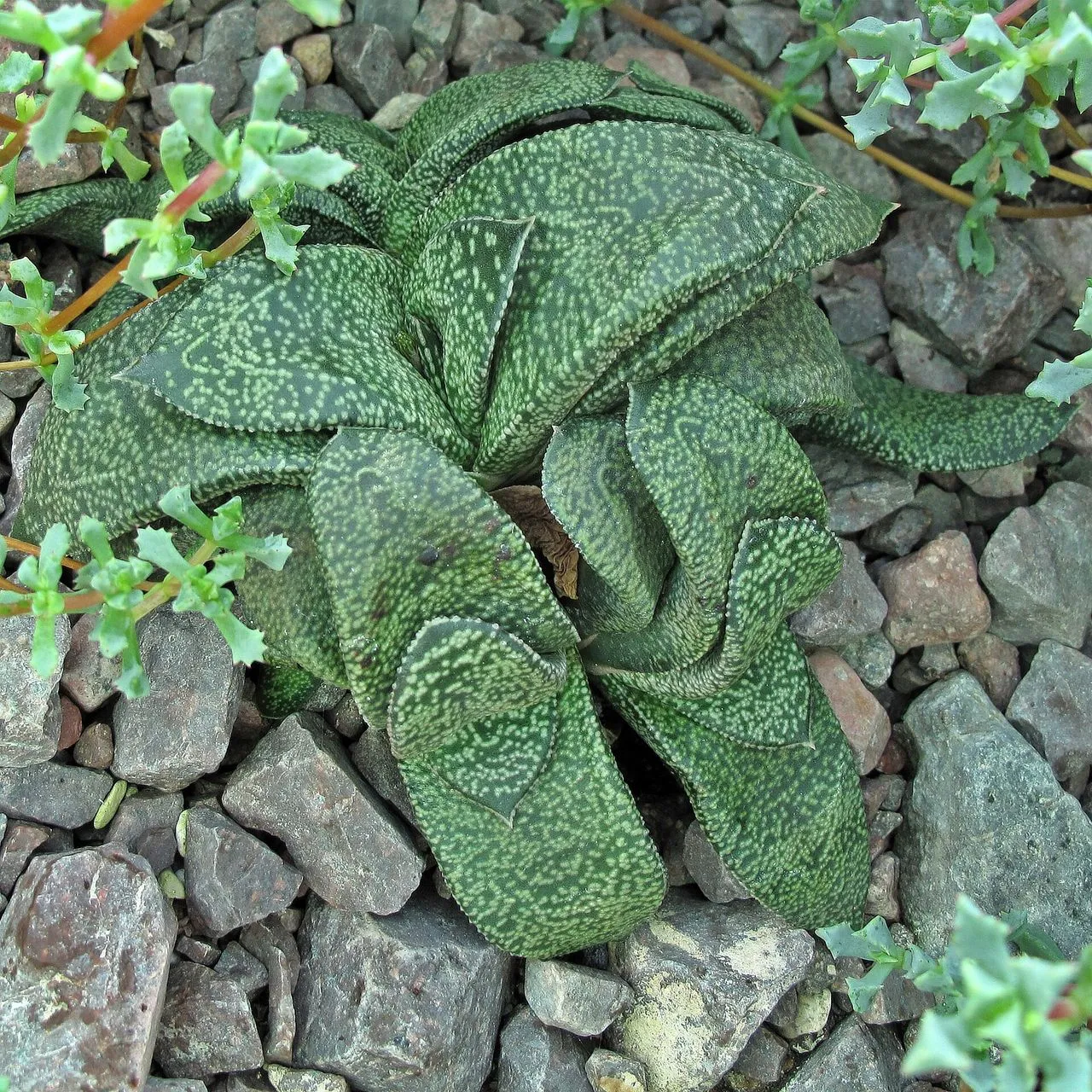
Haworthia x Gasteria Hybrids (Gasterhaworthia)
Intergeneric hybrids between Gasteria and Haworthia (x Gasterhaworthia): what to expect, which crosses are most common, and how to grow and propagate them.
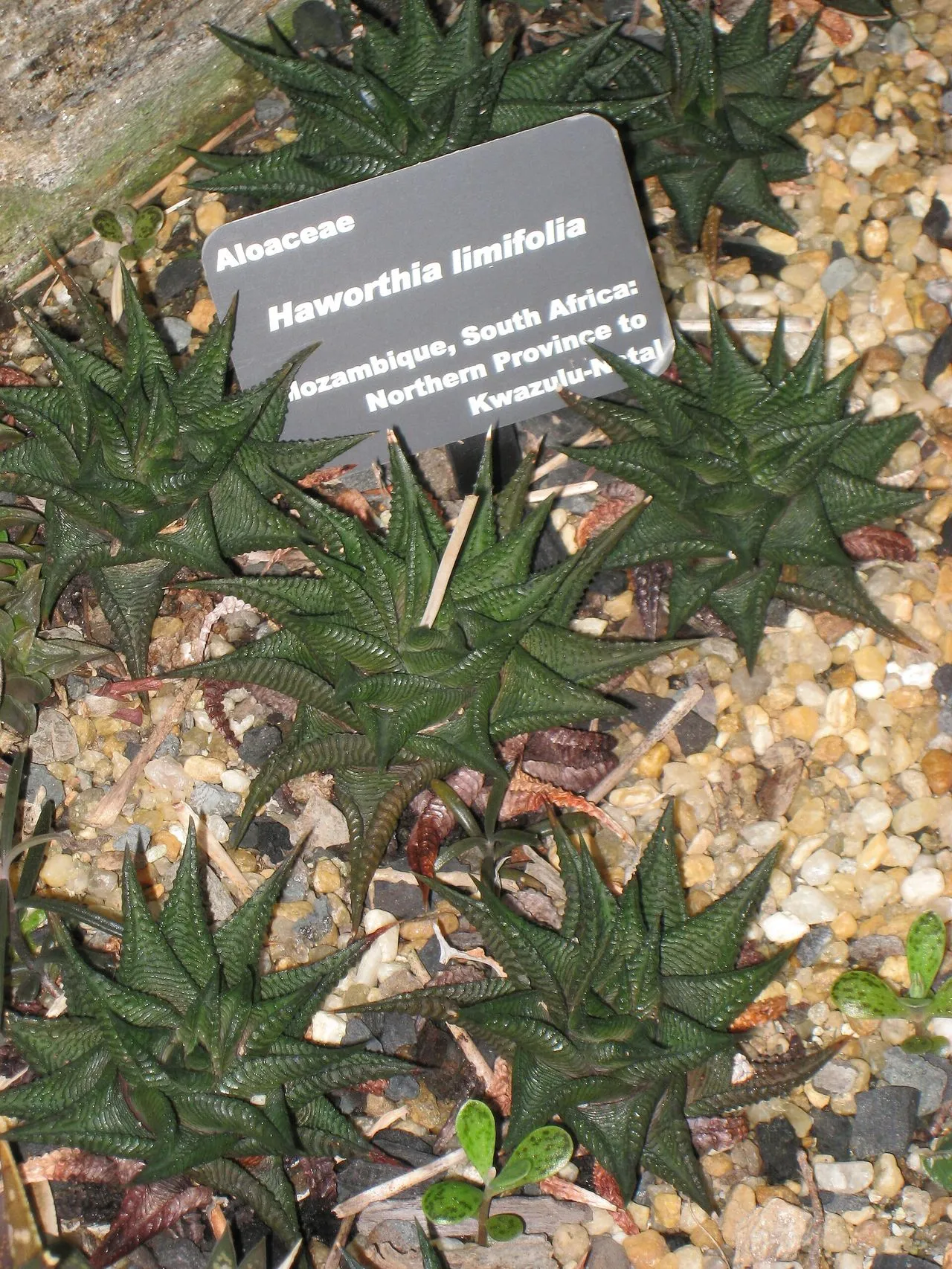
Haworthiopsis limifolia: The Fairy Washboard
Cultivation profile of Haworthiopsis limifolia, the fairy washboard haworthia with concentric raised ridges on its dark leaves.
Haworthia bayeri: The Reticulated Window Haworthia
Cultivation profile of Haworthia bayeri J.D.Venter & S.A.Hammer, the collectable soft-leaf species prized for intricate window reticulation and slow…
Haworthiopsis coarctata: The Columnar Haworthia
Cultivation profile of Haworthiopsis coarctata, the columnar, spiralled-leaf South African succulent that forms architectural stacks in age.
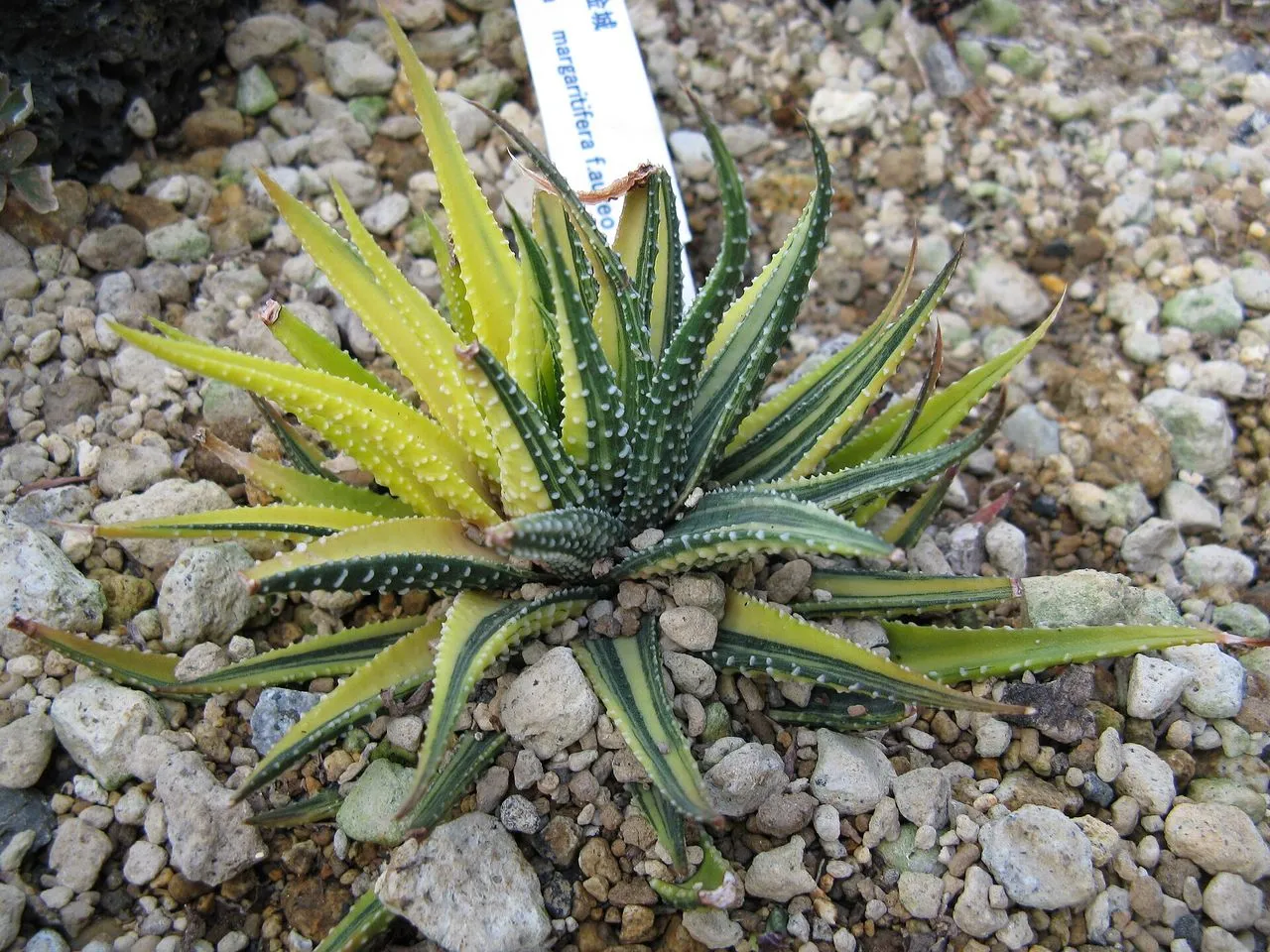
Variegated Haworthias: Care and Collecting
Variegated haworthias: what chlorophyll chimeras are, why they grow differently from the species, and how to keep them stable and healthy.
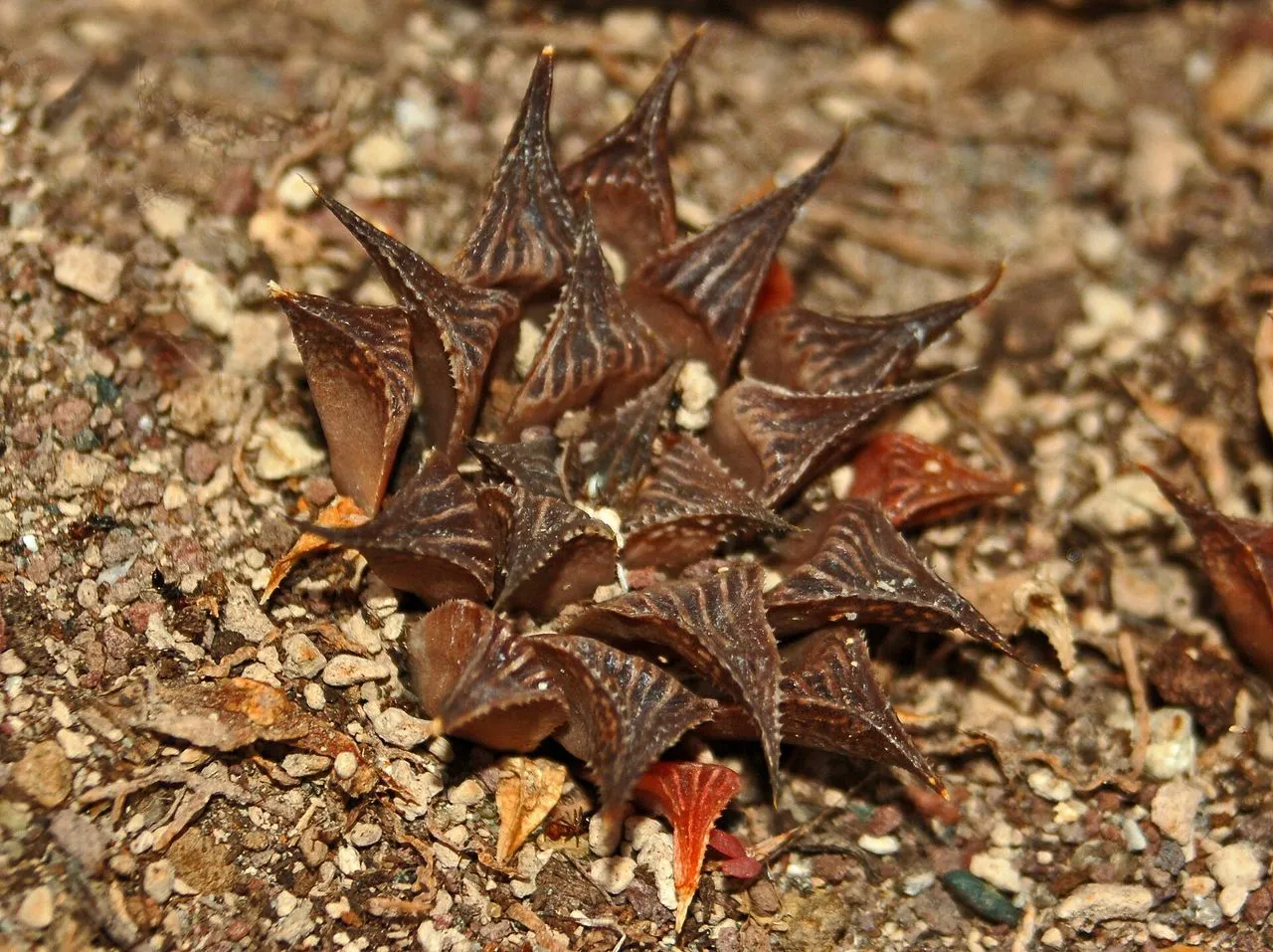
Haworthia mirabilis: The Recurved-Leaf Haworthia
Cultivation profile of Haworthia mirabilis (Haw.) Haw., the variable soft-leaf Cape species with recurved leaves and strong seasonal colour shifts.
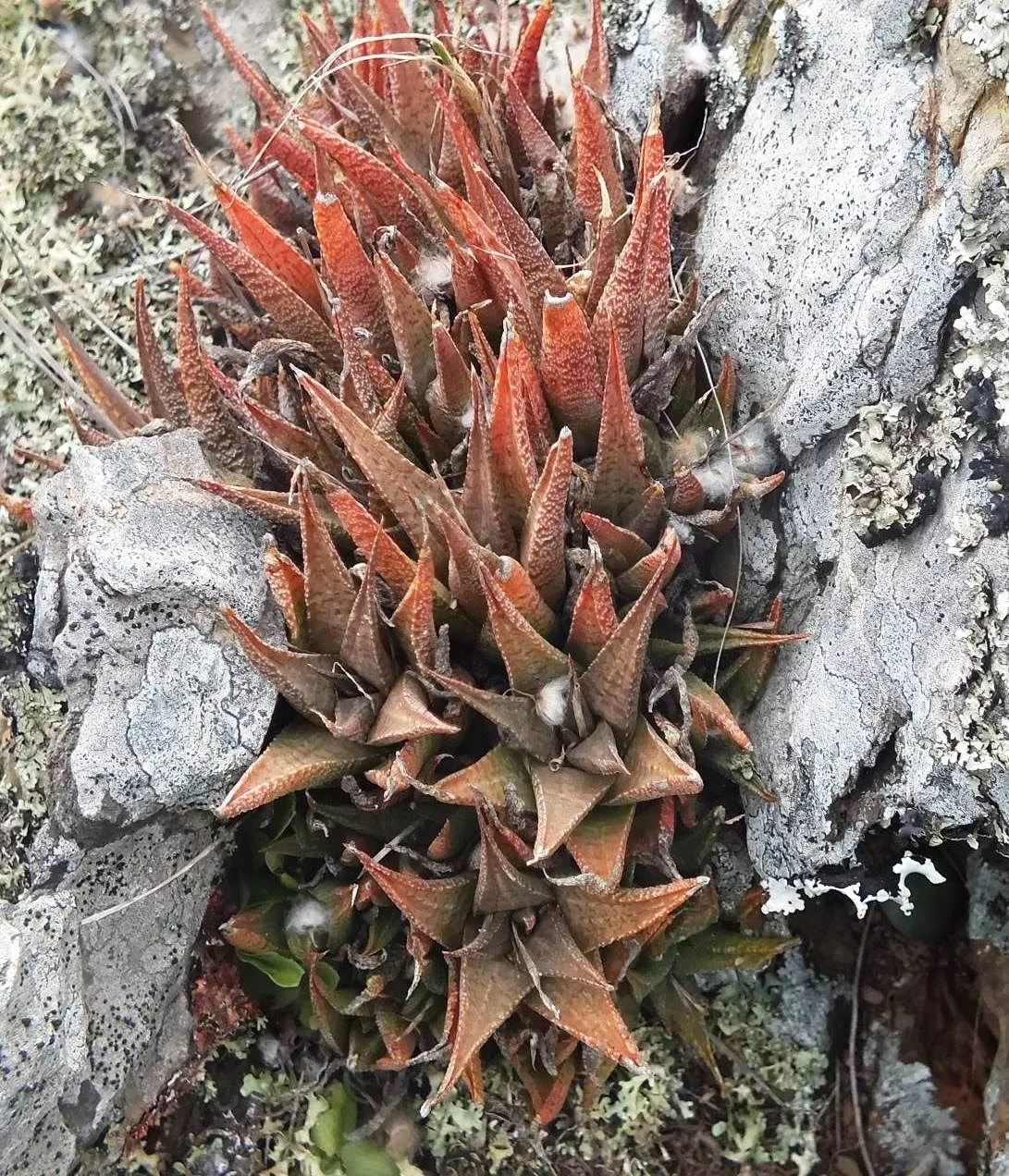
Haworthia venosa: The Veined-Leaf Haworthia
Cultivation profile of Haworthia venosa (Lam.) Haw., the clumping Cape species with prominent reticulate veining across the upper leaf surface.
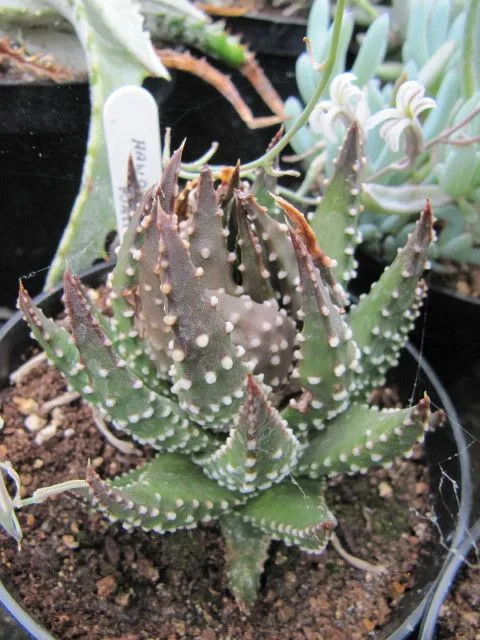
Tulista pumila: The Pearl Plant
Cultivation profile of Tulista pumila (formerly Haworthia pumila), the large pearl-studded solitary rosette formerly regarded as the largest Haworthia.
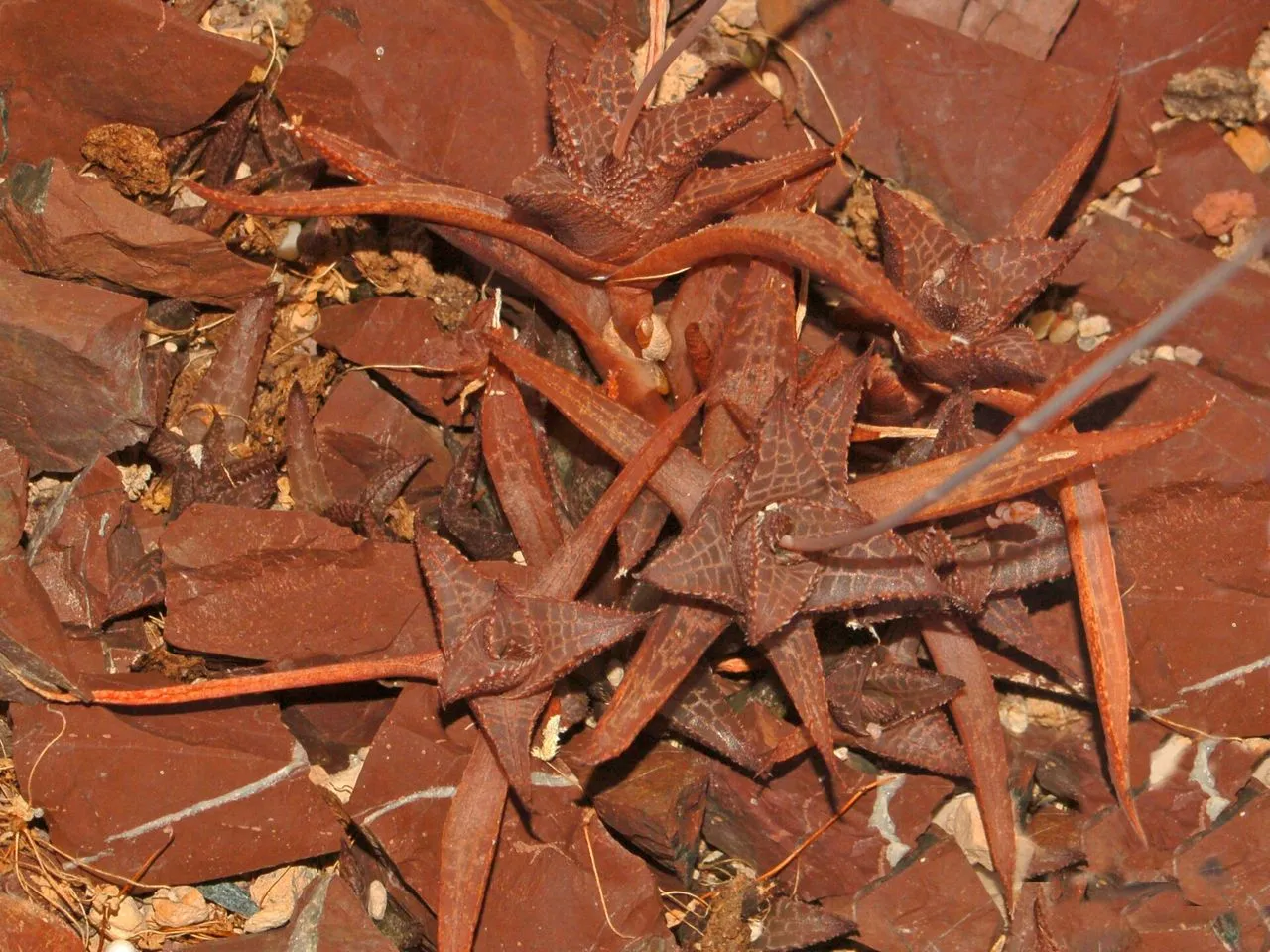
Haworthiopsis tessellata: The Mosaic Haworthia
Cultivation profile of Haworthiopsis tessellata (formerly Haworthia tessellata), the widely distributed mosaic-patterned hard-leaf species.
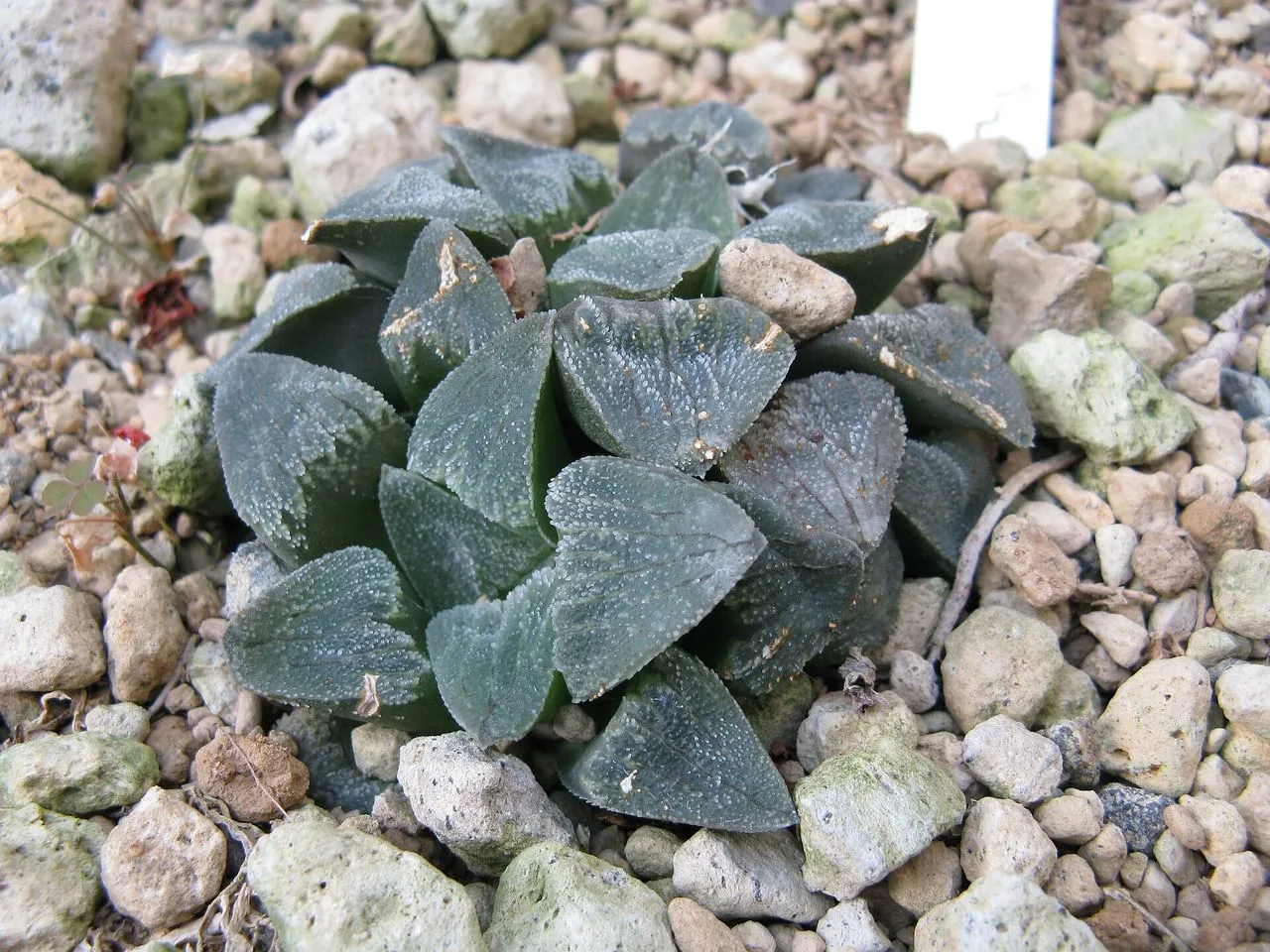
Haworthia pygmaea: The Pebble-Window Miniature
Cultivation profile of Haworthia pygmaea V.Poelln., the small pebbled-window soft-leaf species from the Mossel Bay coast.
Haworthia retusa: The Star Window Haworthia
Cultivation profile of Haworthia retusa Duval, the flat-topped South African species whose recurved leaves form a pressed rosette of triangular windows.
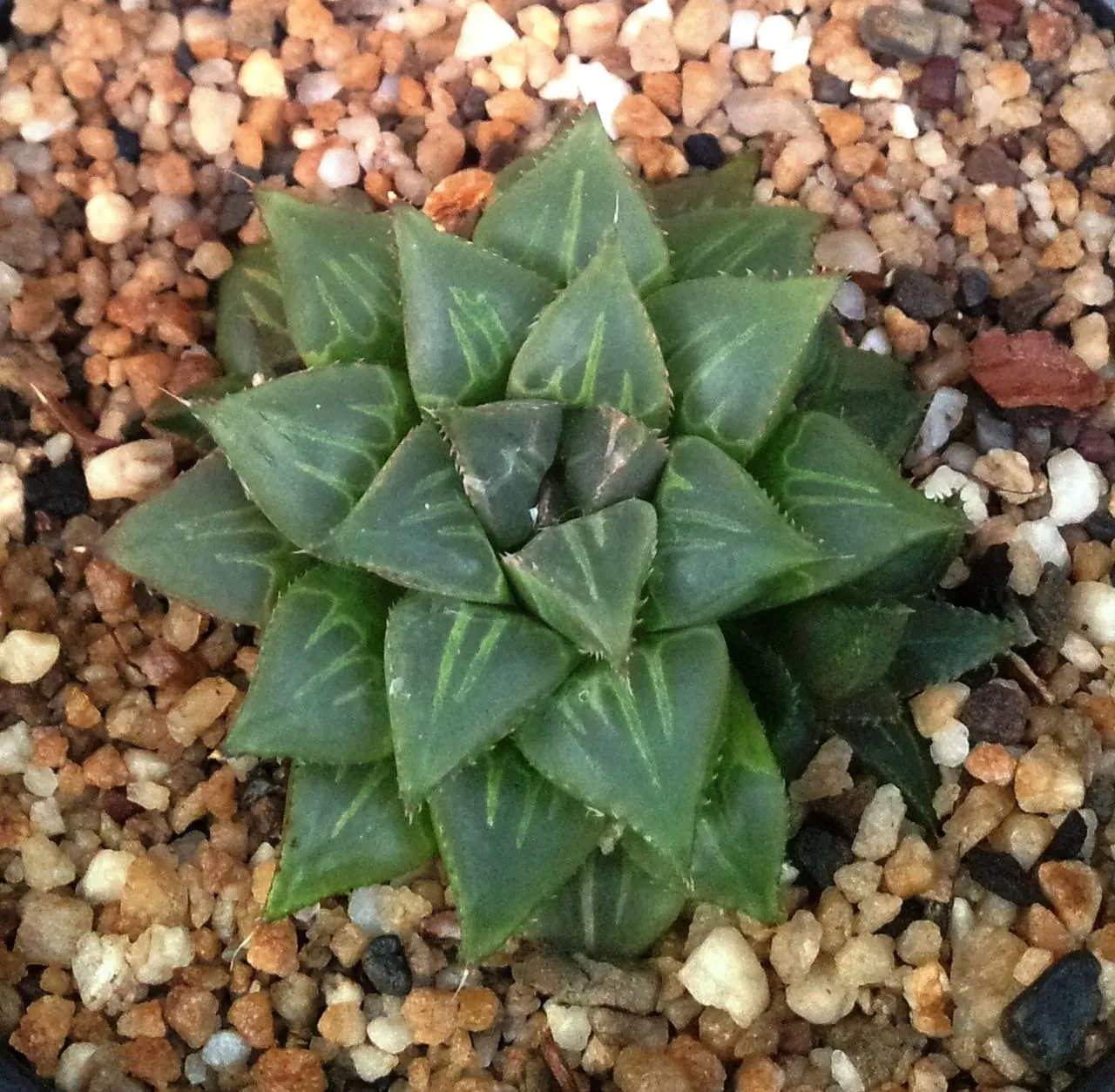
Haworthia cuspidata: The Star Haworthia
Cultivation profile of Haworthia cuspidata Haw., a nursery-origin clumping soft-leaf haworthia probably of hybrid origin, widely grown for its pointed…
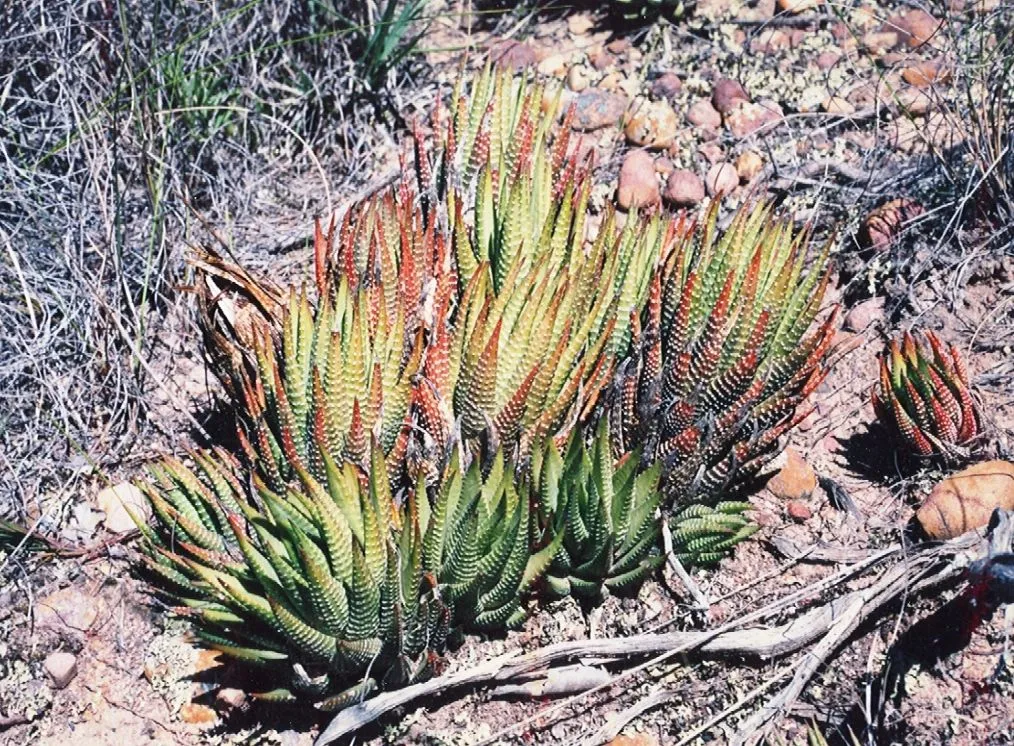
Haworthiopsis fasciata: The Zebra Plant
Cultivation profile of Haworthiopsis fasciata, the banded-leaf Zebra Plant and the most widely grown hard-leaf species in the group.
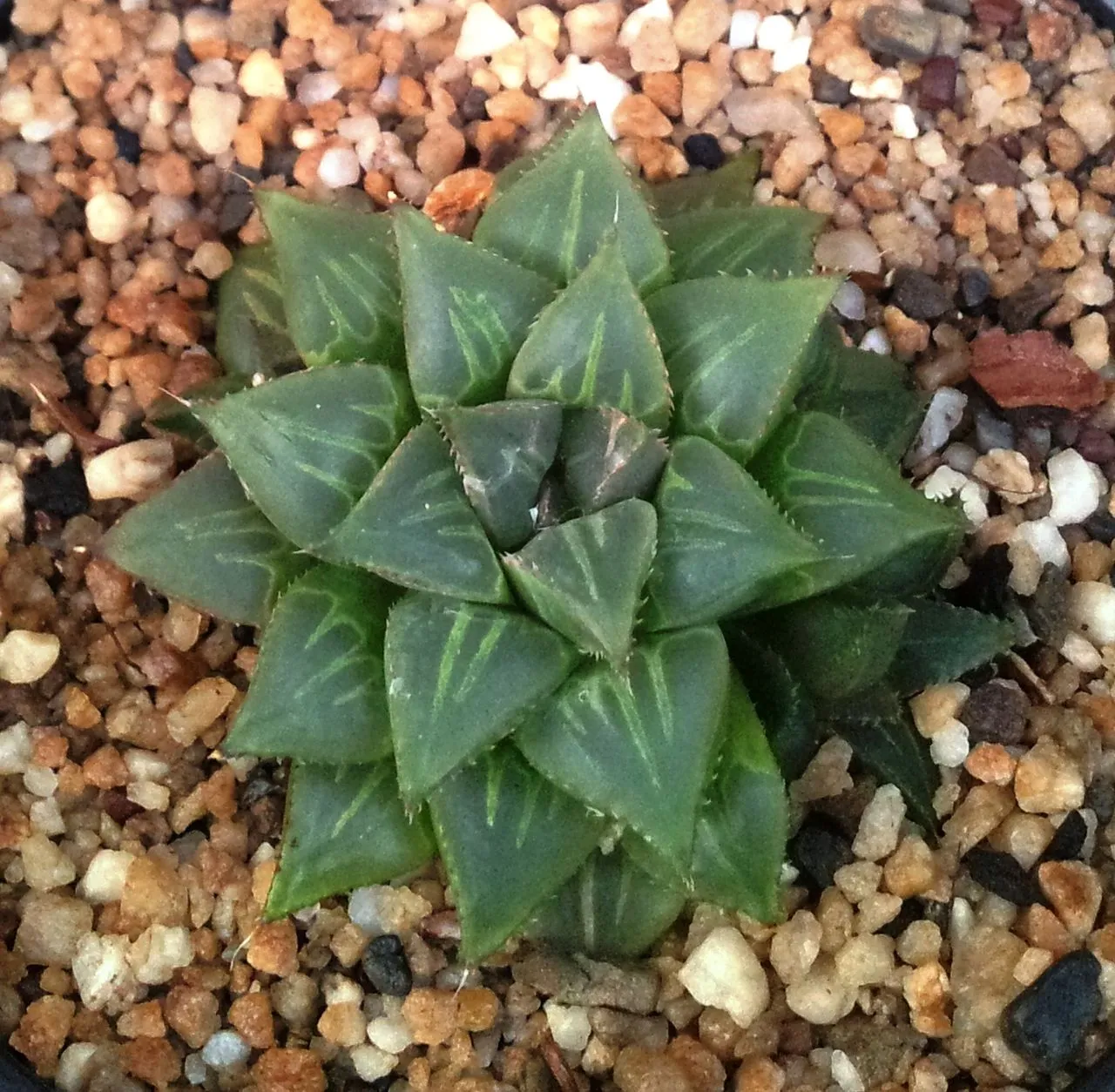
Haworthia Flowering: Bloom Cycles and What to Expect
What haworthia flowers look like, when they appear, what to do with the inflorescence, and whether bloom is a reliable signal of plant health.
Haworthiopsis reinwardtii: Zebra Wart
Cultivation profile of Haworthiopsis reinwardtii (formerly Haworthia reinwardtii), the slender columnar species with finely tuberculed spiralled leaves.
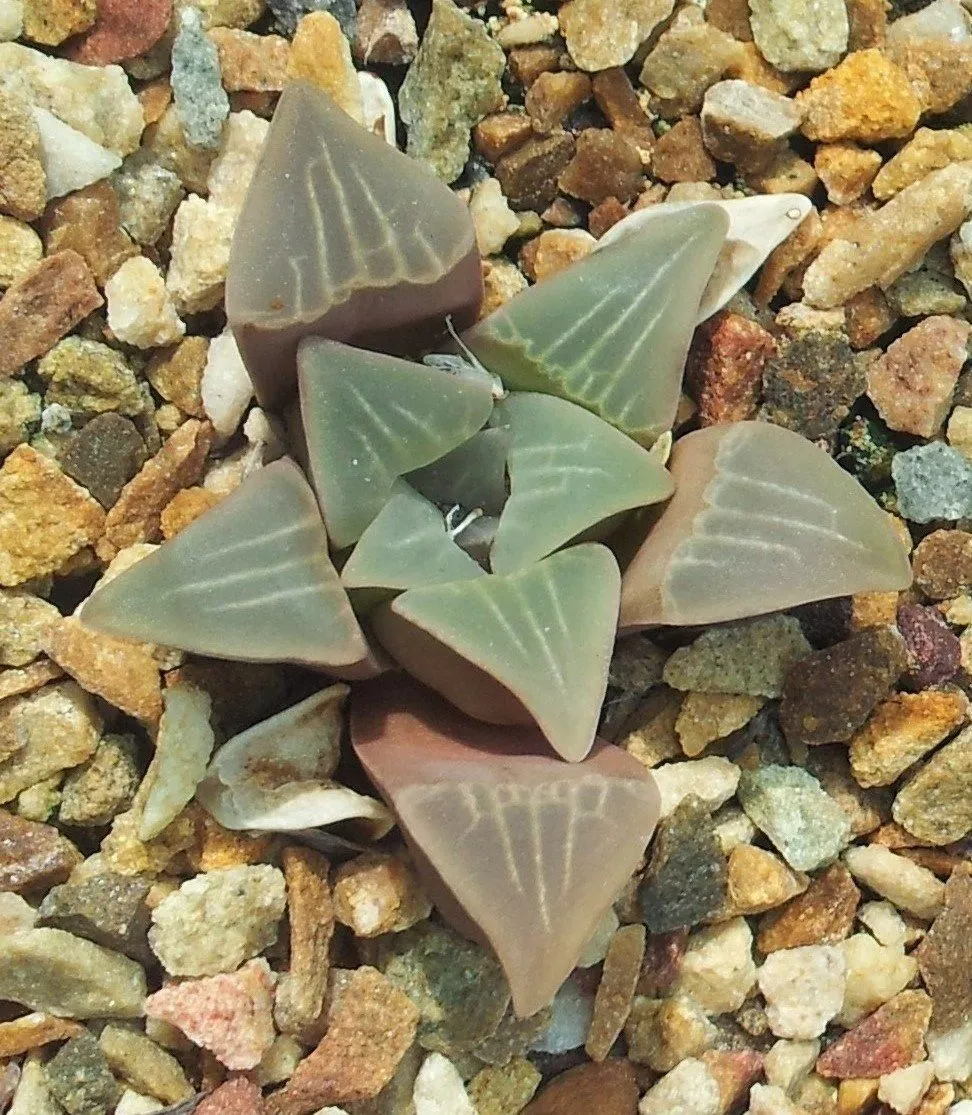
Haworthia mutica: The Broad-Window Haworthia
Cultivation profile of Haworthia mutica Haw., a prized soft-leaf species with broad glassy window faces and slow, deliberate growth.
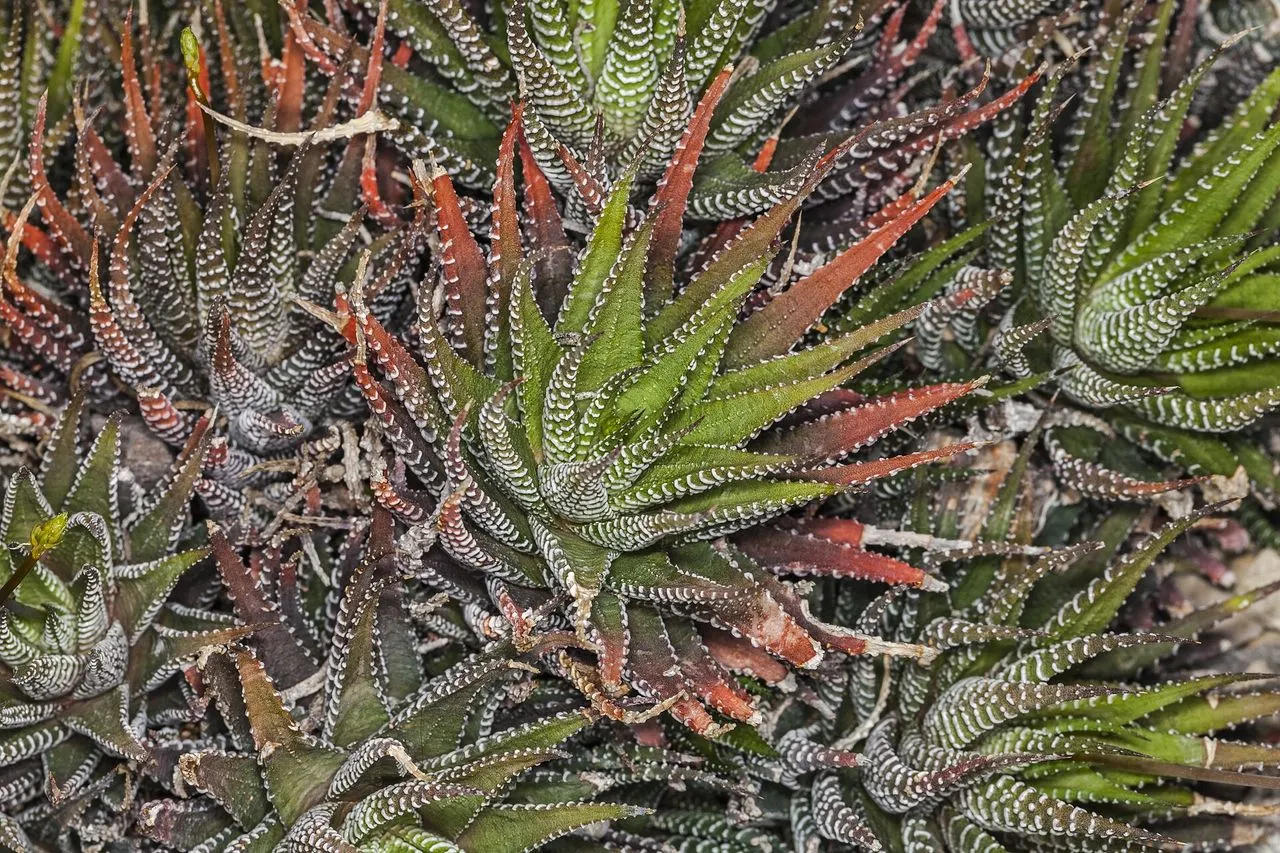
Haworthiopsis attenuata: The True Zebra Haworthia
Cultivation profile of Haworthiopsis attenuata, the most widely grown 'Zebra Plant' in the hobby despite being regularly sold as H. fasciata.
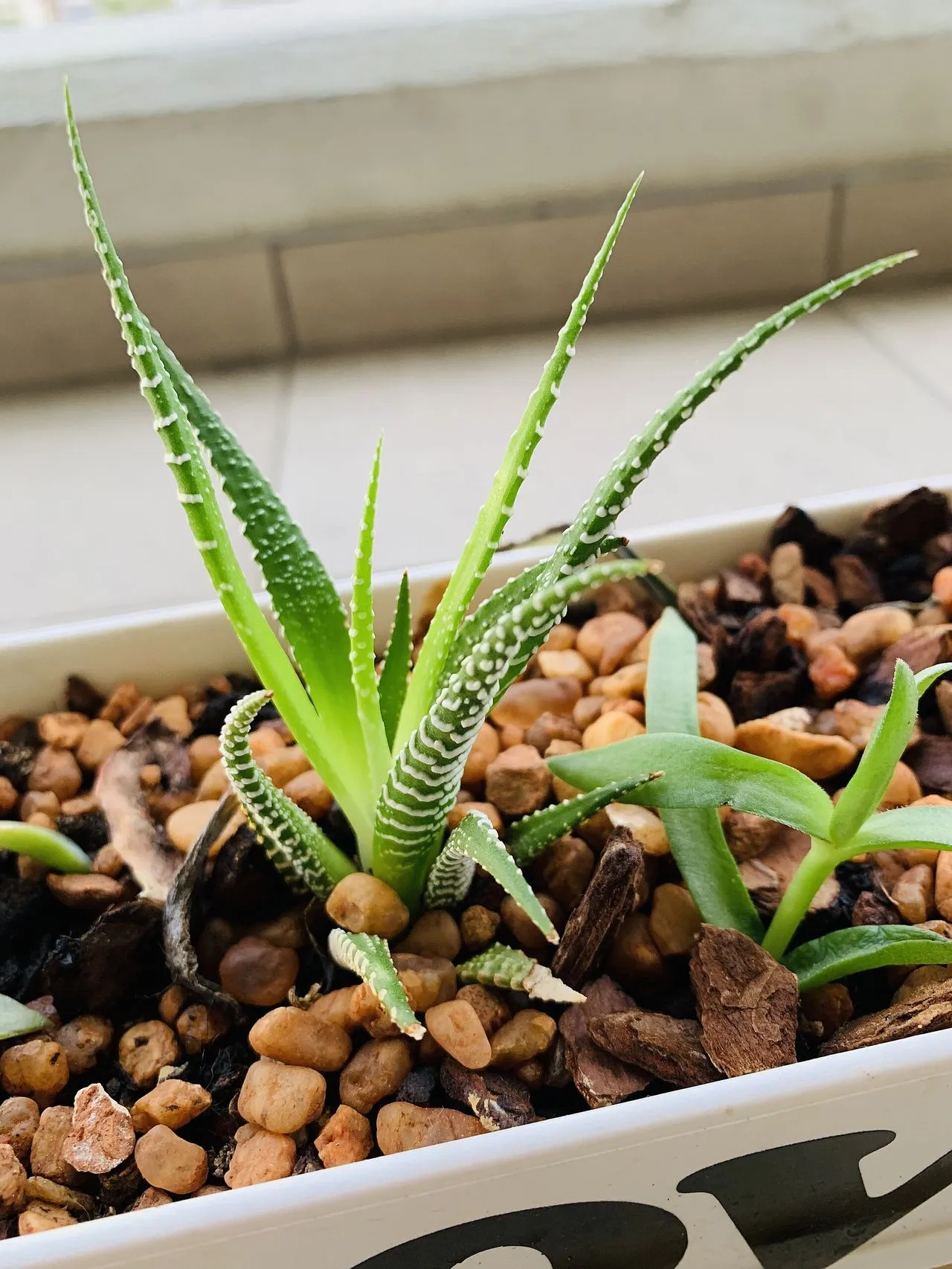
Fasciated Haworthia: Cristate and Monstrose Forms
Guide to fasciated (cristate) haworthias: what fasciation is, how it arises, how to identify and propagate cristate forms, and which species produce…
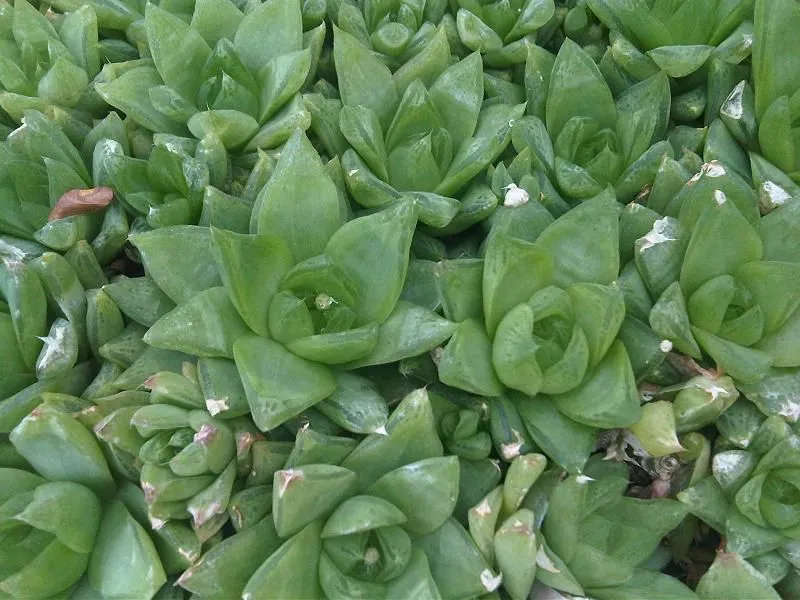
Haworthia cymbiformis: The Boat-Leaf Haworthia
Cultivation profile of Haworthia cymbiformis Duval, the clumping soft-leaf species with boat-shaped translucent leaves, often the best beginner haworthia.
Haworthia cooperi: The Translucent-Window Species
Cultivation profile of Haworthia cooperi Baker, the bulbous translucent-leaf species most prized for its glassy apical windows.