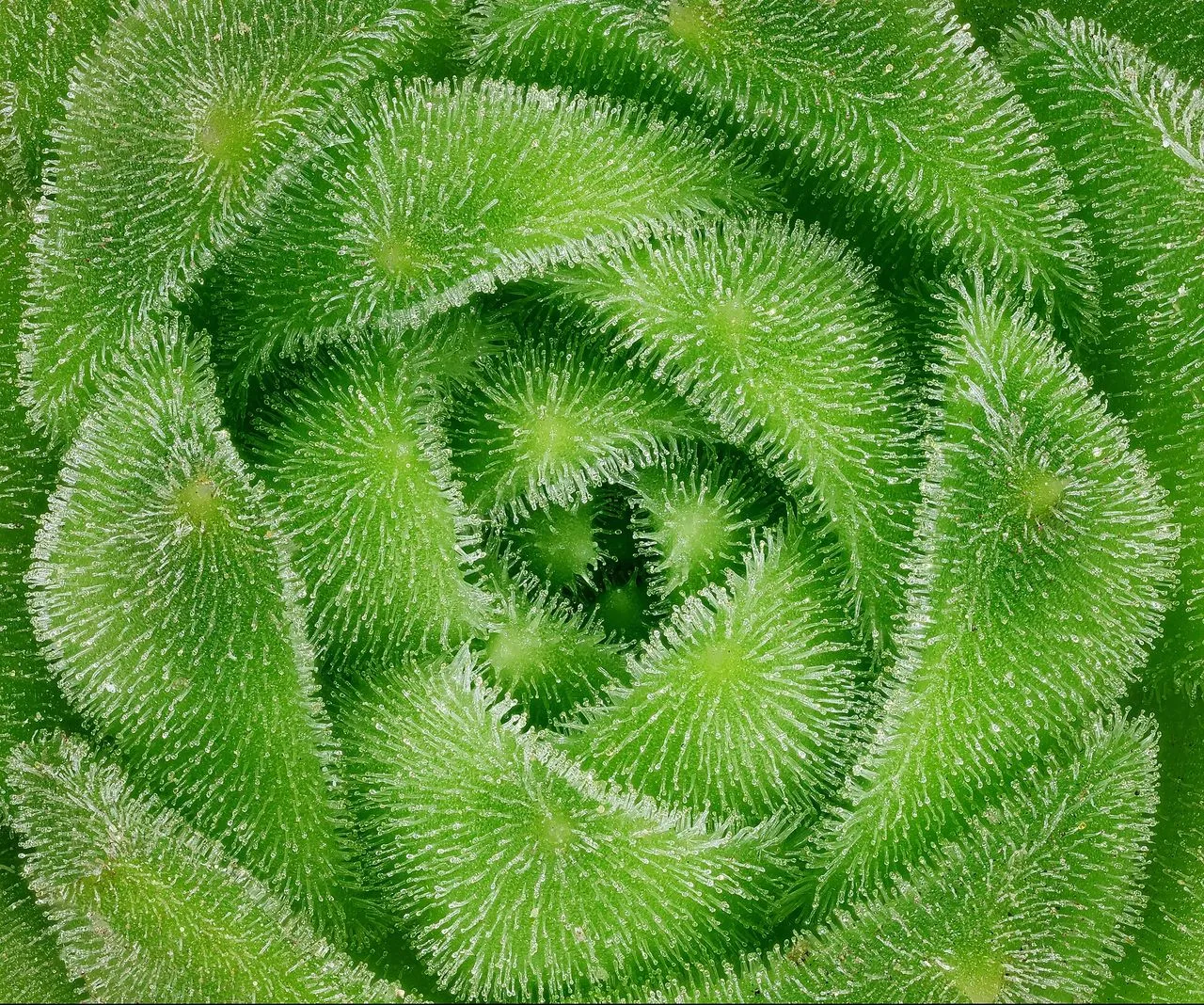
Papery, translucent, or parchment-thin leaves in Sempervivum mark the advanced end of a water-deficit continuum. Where soft, pliable leaves indicate early-stage water shortage, papery leaves mean the cells have gone beyond losing turgor to actually desiccating — the water has been removed from the leaf tissue and the cellular structure has partially collapsed, leaving the leaf skin behind. At this point the plant has been unable to access water for long enough to exhaust its stored leaf reserves. The question is not whether the plant is in serious deficit, but what prevented it from obtaining water, and for how long.
Part of the Complete Sempervivum Guide.
Normal basal leaf senescence: the baseline to rule out first
Before diagnosing a problem, confirm that the papery leaves are actually abnormal. All mature Sempervivum rosettes naturally shed their oldest, lowest leaves in an ongoing senescence cycle: the outermost leaves dry from the tip inward, becoming translucent and then papery, and detach with a light tug or fall on their own. This is directly analogous to basal leaf drop in Echeveria and requires no intervention.
Normal senescent leaves have three characteristics that distinguish them from problem papery leaves:
- They affect only the outermost one or two whorls — the oldest leaves on the plant.
- They dry in a clean, papery manner from the tip inward without any mushiness, discolouration, or smell.
- The rest of the rosette is fully firm, symmetric, and healthy-looking.
If papery thinning is confined to the outer one or two leaf rows and the rest of the rosette is firm, this is normal. Remove detached papery leaves to prevent them creating a moisture trap against the stem. If papery thinning affects multiple leaf layers, extends inward toward the centre, or occurs in leaves that are not the oldest outer ring, the cause is not normal senescence and requires investigation.
Extended drought: the most recoverable cause
Sempervivum is drought-tolerant, but container plants — particularly those in small pots in sunny positions — can exhaust the available soil moisture in 5–10 days during a summer heat spell. A plant that receives no water for four or more weeks in a container progressively mobilises the water stored in its leaf tissue to maintain the growing meristem. When the outermost leaves are depleted, the plant draws from the next layer inward. Eventually the outer leaves become papery and thin, and if drought continues, the desiccation moves progressively toward the centre of the rosette.
Markers of drought as the cause:
- Substrate is bone dry to the full depth of the pot, not just at the surface 3 cm.
- The papery thinning follows an outside-inward progression, matching the sequence in which the plant draws on its reserves.
- When the plant is unpotted, the roots are pale or pale-tan, slightly shrunken but structurally intact — not blackened or absent.
- The inner leaves, though softer than normal, are still green and retain some residual firmness at the base.
Treatment: water once, thoroughly, until water runs freely from the drainage holes (containers) or until the top 10 cm of soil are visibly damp (ground planting). The inner leaves will begin to firm up within 24–48 hours. Full recovery of leaf texture across the rosette takes 5–10 days. Papery outer leaves will not recover their texture — they can be removed once completely dry and detaching. New growth from the centre will be healthy.
For ground-planted mats in drought, a single deep soaking is far more effective than repeated light watering. An established mat's root system can extend 15–20 cm deep, and a surface wetting that does not penetrate to that depth does not fully rehydrate the plant.
Root rot: moist soil, no water uptake
Root rot presents a diagnostic puzzle: a plant in moist or wet substrate can show all the symptoms of extreme drought — including papery, desiccated leaves — because the damaged roots cannot take up water regardless of soil moisture. The roots have been killed by anaerobic pathogens, and the plant above ground is functionally rootless even though the substrate is wet. This is the scenario where papery leaves in combination with moist-feeling soil should trigger immediate unpotting.
Root rot in Sempervivum is caused by waterlogging combined with anaerobic pathogens — the same mechanism as in all succulent genera. The roots blacken, decay, and eventually liquefy, leaving the plant with insufficient functional root surface to meet its water needs. The above-ground symptoms follow a time delay after root damage begins: the plant first draws on its leaf reserves, which masks the problem until those reserves are depleted.
Signs that root rot, rather than drought, is the cause of papery leaves:
- Substrate is moist or wet when checked, not dry.
- A faint sour smell at the base of the rosette or at the soil line.
- Dark discolouration at the stem base when soil is cleared away from around it.
- Roots, when exposed, are dark brown to black, soft, and wet rather than pale and firm.
Remove all blackened root and stem tissue with a sterile blade. Cut back to firm, pale tissue. Dust the cut surface with powdered cinnamon or horticultural sulphur. Allow to dry bare-root in a shaded, breezy position for 5–7 days. Repot in fresh, very gritty substrate — at minimum 60% inorganic material. Water minimally for the first 3–4 weeks to allow new roots to establish. The full procedure is detailed in root rot diagnosis.
Root mealybug: the hidden cause
Root mealybug (Rhizoecus species) is a soil-dwelling pest that feeds directly on the roots of succulents, damaging root cells and impairing water and nutrient uptake. The above-ground presentation is entirely identical to drought: papery thin leaves, progressive desiccation, and complete failure to respond to watering — because the pest damage mimics the functional absence of roots. It is impossible to diagnose without unpotting.
Root mealybug is not visible above ground. A plant may look clean from the surface while carrying a significant root infestation. The diagnostic signs when unpotted are:
- White, waxy, or powdery deposits on the roots and on the interior walls of the pot.
- Fine white cottony material in the root zone between roots and at the base of the stem.
- Roots that are stunted or diminished for the age and size of the plant, with some roots showing a white coating or appearing damaged at the tips.
- Individual insects are 1–2 mm, pinkish-white, without the prominent waxy filaments of aerial mealybug.
Treatment: bare-root the plant completely and wash all soil from the roots under running water. Inspect the root ball carefully. Soak the cleaned root ball in a dilute systemic insecticide solution (imidacloprid or thiamethoxam at label rate) for 20–30 minutes. Allow to dry for 2–3 days. Repot in completely fresh, sterile substrate in a clean — or sterilised — pot. Do not reuse the old substrate. Sterilise old pots with a 10% bleach solution and rinse thoroughly before reuse. Root mealybug spreads through shared soil; if multiple plants are in one container and one shows symptoms, inspect all of them.
Winter desiccation: a cold-climate specific cause
In continental climates with prolonged dry-cold winters — particularly where container plants are stored in unheated glasshouses or alpine houses with very dry circulating air — Sempervivum can suffer progressive desiccation from cold, dry air over weeks, even without soil drought. The outer leaves dry and thin as the plant's respiratory water loss is not compensated by root uptake when the soil is frozen, and the plant draws on its leaf reserves to compensate.
Winter desiccation is distinct from frost injury (which causes rapid translucent tissue collapse at the specific point of freeze damage) and from drought (which is driven by dry soil rather than atmospheric aridity). Winter desiccation produces papery outer leaves that appear in late winter or early spring when the plant comes out of dormancy. The inner rosette is usually intact.
The appropriate response is patience: wait for the soil to thaw fully, then water once and allow the plant to rehydrate through spring. Remove papery outer leaves in spring once they detach easily. No further treatment is needed. Avoid the temptation to water frozen or near-frozen substrate — this can accelerate basal rot.
How to identify the cause
| Feature | Drought | Root rot | Root mealybug | Winter desiccation |
|---|---|---|---|---|
| Soil condition | Bone dry | Moist or wet | Usually dry | Frozen or very dry |
| Root condition when unpotted | Pale, shrunken but intact | Dark, mushy, absent | Waxy deposits, stunted | Pale, shrunken but intact |
| Smell | None | Sour at base or roots | None or faint | None |
| Season | Any, worst in hot summer | Any, worst autumn-winter | Any | Late winter to early spring |
| Response to watering | Firms up within 48 hours | No response | No response | Responds after thaw |
Risk and severity
Drought-caused papery leaves with intact roots is fully recoverable. Even a Sempervivum that has lost 50–60% of its outer leaf turgor will rehydrate fully if the roots are undamaged. Do not discard a plant on the basis of papery outer leaves alone — water it, wait 72 hours, and reassess.
Root rot with papery leaves is a more serious situation. Recovery depends on how many functional roots remain after removing damaged tissue. A plant with papery outer leaves and root rot caught before the stem base is affected has a reasonable chance of survival if the stem base is still firm and pale after cutting. Once rot reaches the stem base, the main rosette is typically unrecoverable, and the priority shifts to saving any healthy chicks still on the plant.
Root mealybug is serious at mat scale. A collection of several dozen rosettes in shared substrate can be infested across all plants before any above-ground symptoms appear in the most heavily affected ones. If one plant in a container shows drought-like symptoms without dry soil, inspect all plants in that container, not just the symptomatic one.
Solutions
Drought
Single deep watering until substrate drains. Allow to dry fully before watering again. Increase monitoring frequency in hot summer weather — container plants in sunny positions may need watering every 7–10 days rather than the standard 14–21 days during July and August. Do not over-correct by watering daily; a single adequate watering is sufficient.
Root rot
Unpot, cut all dark root and stem tissue to healthy pale tissue, dust with cinnamon or sulphur, dry bare-root 5–7 days in shade, repot in fresh gritty substrate. Water minimally for the first month. See sempervivum rotting in summer for the summer-specific version of this problem and the crown rot distinction.
Root mealybug
Bare-root completely. Wash roots under running water. Soak in systemic insecticide solution for 20–30 minutes. Dry 2–3 days. Repot in completely fresh sterile substrate in a sterilised or new pot. Monitor the recovered plant weekly for 6 weeks for resurgence.
Winter desiccation
Wait for the soil to thaw naturally. Do not apply heat to frozen substrate. Once thawed, water once and allow the plant to progress through spring normally. Remove papery leaves as they detach.
Prevention
Substrate and drainage: A gritty mix with at least 50–60% inorganic material (pumice, perlite, coarse horticultural grit) by volume drains within seconds of watering and prevents the root-zone saturation that leads to root rot. Fine-textured potting compost retains moisture too long for Sempervivum grown in containers. See the complete Sempervivum guide for substrate composition guidance.
Quarantine new plants: Root mealybug is almost always introduced via infested nursery stock. Unpot and visually inspect the roots of every new plant before adding it to your collection. A few minutes of inspection prevents weeks of treatment.
Container monitoring in summer: Ground-planted mats in temperate climates are rarely seriously drought-stressed because their root systems access deep soil moisture. Container-grown plants are the vulnerable population. Check the moisture level of container substrate weekly during July and August — the top 3–4 cm should be the guide, not the surface alone.
Autumn watering reduction: Begin reducing watering frequency in September. By October, water only if the substrate has been dry for 3 or more weeks. Overwatering into autumn and early winter is a primary cause of the root rot that presents as papery leaves the following spring.
See also
- Why is my Sempervivum dying? — the broader diagnostic for a plant that has collapsed or is declining rapidly, covering monocarpy, winter rot, and rust alongside the causes listed here.
- Root rot diagnosis — the root-by-root inspection and recovery protocol applicable to Sempervivum and other succulent genera.
- Sempervivum rotting in summer — the summer-specific rot diagnostic distinguishing crown rot from root rot in warm, humid conditions.
Frequently Asked Questions
Why are my Sempervivum leaves thin and papery?
The leaf cells have desiccated — either from extended drought, from root rot preventing water uptake, or from root mealybug damaging the root system. Water once and observe the response over 48-72 hours. If the plant does not recover despite moist soil, unpot and inspect the roots.
Do Sempervivum normally have papery leaves at the base?
Yes. The oldest outer leaves on a mature rosette naturally dry and become papery as the plant sheds them in normal basal senescence. This process affects only the outermost one or two whorls and the leaves detach readily. Papery thinning that affects multiple layers inward or the inner leaves is not normal and indicates a water-supply problem.
Can a Sempervivum recover from severe dehydration?
Yes, if the roots are healthy. A severely drought-stressed Sempervivum with papery outer leaves but intact roots will rehydrate within 48-72 hours of deep watering and restore firm leaf texture within 5-7 days. If the roots are damaged, recovery depends on how many functional roots remain after cutting away the damaged tissue.
What is root mealybug and how do I identify it in Sempervivum?
Root mealybug (Rhizoecus species) is a soil-dwelling pest that feeds on the roots. Signs when unpotted: white waxy or powdery deposits on the roots and inside walls of the pot. Above-ground symptoms are identical to drought — papery leaves and failure to respond to watering — making it impossible to diagnose without unpotting.