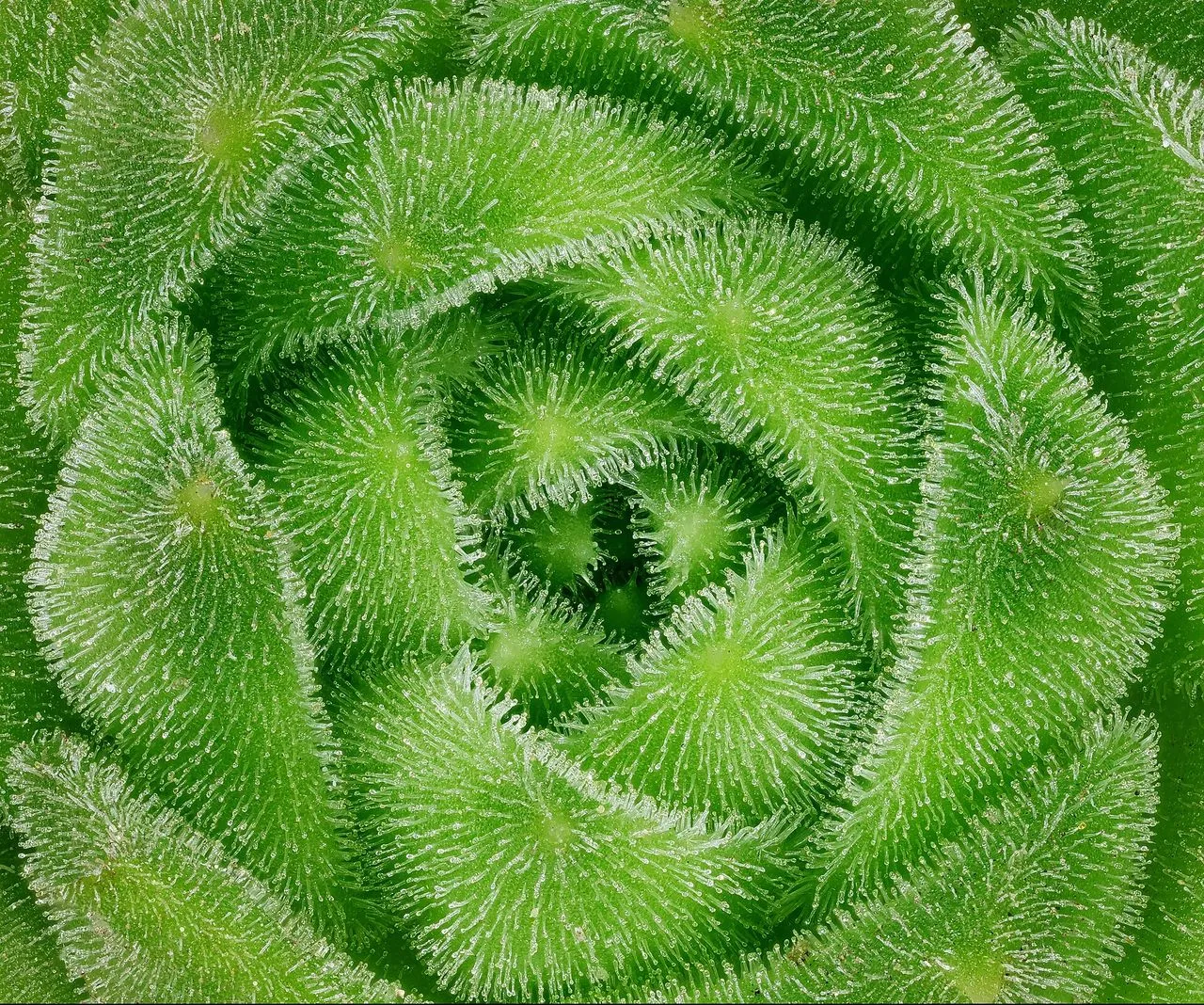
The proliferation of offsets — chicks — is the defining characteristic of Sempervivum in the garden, and a plant that fails to produce them is either not ready yet, not in the right conditions, or is a species that offsets by a different mechanism entirely. Understanding which is which saves a growing season of waiting for something that will not happen without intervention.
Part of the Complete Sempervivum Guide.
Plant age and immaturity
The most common reason a newly acquired sempervivum has no offsets is that it is simply too young. A single rosette planted from a very small start — a division barely 2 cm across, or a seedling — typically needs one full growing season to establish roots before it allocates resources to offset production. The first chicks often appear in the axils of the outer leaves in late summer or early autumn of the first year, then grow to visible size by the following spring.
Patience is the appropriate response during this period. Provide the correct conditions — full sun, good drainage, lean-to-moderate substrate — and allow the plant one full growing season before concluding there is a problem. A young rosette that is actively growing, producing new leaves from the centre, and developing deep root contact with the substrate is on the right trajectory.
Insufficient light
This is the most controllable and most commonly overlooked cause of poor offset production in established sempervivum. Sempervivum in good light produces stolons prolifically. In part shade, it survives and remains compact but channelling its limited photosynthate into maintenance rather than reproduction. In deep shade, it may produce no offsets at all for years.
The minimum light for reliable offset production is 4–6 hours of direct sun per day, outdoors. An east or south-facing garden bed, a sunny patio, or a container in full sun produces a fast-offsetting plant. A north-facing border, the shade of a wall, or an indoor windowsill without supplemental lighting produces a plant that looks healthy but offsets slowly or not at all.
If the plant has been in part shade and moved to full sun, offset production typically increases noticeably within 8–12 weeks as the plant's carbohydrate availability rises and it directs surplus resources into reproductive structures. This is the single most reliable intervention for a healthy but non-offsetting plant.
Species and cultivar differences
Not all Sempervivum species and cultivars offset at the same rate. This is one of the most important things to confirm before diagnosing a problem:
Freely offsetting species: S. tectorum (common houseleek) produces many offsets on long stolons extending well beyond the mother rosette. S. arachnoideum (cobweb houseleek) produces many small offsets in a tight cluster. Most Sempervivum hybridised for the nursery trade are selected partly for offset production and are reliable producers.
Slow-offsetting species: Some collector species — notably those with very compact, tightly packed leaves and unusual forms — offset far more slowly than the common varieties. Specific cultivars bred for unusual foliage texture may sacrifice offset rate for that characteristic.
Jovibarba heuffelii and related species: Jovibarba heuffelii (still widely sold as Sempervivum heuffelii) does not produce stoloniferous offsets at all. It reproduces by splitting the mother rosette into two or more sections at the base — a radically different mechanism that looks like no offset production at all until the split becomes visible. A plant that has been in ideal conditions for two growing seasons without producing any offsets at all, but that appears otherwise healthy, should be evaluated for whether it is a Jovibarba species.
Root damage and root binding
A sempervivum with a damaged root system — from root rot, vine weevil grub damage, or being severely root-bound in a small pot — may suppress offset production as a stress response. The plant maintains its existing rosette and basic functions but lacks the root-system capacity to support the additional growth of stolons and offsets.
In garden-planted sempervivum, this is uncommon — Sempervivum roots extensively in good soil. In containers, a plant that has been in the same small pot for 3 or more years may be severely root-bound, with roots circling the pot base and limited new root growth capacity. Repotting into a pot 4–6 cm wider, in fresh gritty substrate, often restarts offset production within a single growing season.
Check for vine weevil grubs if a container plant has been in good light and appeared healthy but suddenly stops producing offsets — particularly in the UK and northern Europe, where vine weevil is a significant container pest.
Overly rich or nitrogen-heavy substrate
Sempervivum evolved on lean, mineral soils in alpine and subalpine environments. In very rich compost with high nitrogen, the rosette produces large, lush, but soft leaves and directs energy into vegetative growth rather than offset production. The plant looks luxuriant but the stolons are weak or absent.
Paradoxically, leaner substrate often produces more offsets — the plant is under mild nutritional stress that triggers the reproductive response of offset production. A substrate of 50–70% sharp grit or pumice with the balance being a minimal loam or compost supports excellent offset production without the soft growth that high-nitrogen conditions create.
If the plant is growing in pure multipurpose compost, repot into a gritty free-draining mix. A single application of balanced (not high-nitrogen) fertiliser at quarter strength in spring is appropriate for plants in very lean substrate; no feeding is needed in normal mixed substrate.
How to assess the situation
| Observation | Most likely cause | Best action |
|---|---|---|
| Plant is young (1st growing season) | Immaturity | Wait; provide full sun and good drainage |
| Healthy plant, compact rosette, part shade | Insufficient light | Move to full sun position |
| Plant over 2 years, full sun, no offsets | Species characteristic or root issue | Check if Jovibarba; inspect roots |
| Plant in small pot for 3+ years | Root-bound | Repot into larger container with fresh substrate |
| Plant in rich compost, large leaves | Nitrogen-heavy substrate | Repot into leaner, gritty mix |
Solutions
Move to full sun
The most impactful change. Outdoors: a south, east, or west-facing position with at least 4–6 hours of direct sun. Indoors: a south-facing window or grow light supplementation (200+ µmol/m²/s PAR).
Repot into lean substrate
Use a mix of 50–70% horticultural grit or sharp sand, with the balance being a low-nutrient loam or a minimal amount of compost. A top-dressing of grit around the rosette base also improves drainage and airflow at the crown.
Check for root issues
Inspect the root zone at repotting. Healthy roots are white and firm. Damaged roots or vine weevil grubs require treatment as described in the relevant pest and root rot guides.
Wait for species-appropriate timelines
If the plant is a Jovibarba or a known slow-offsetting cultivar, accept the species' characteristic rate. Jovibarba heuffelii in particular is valued for qualities other than offset proliferation.
Prevention
Purchase sempervivum from reputable sources that correctly identify species and cultivar, particularly for collector varieties. Plant in the sunniest available position. Use a lean, gritty mix. Repot every 2–3 years in containers. Feed sparingly in spring with a balanced, non-high-nitrogen fertiliser. Accept that some species simply offset slowly by design.
See also
- Hens and chicks mother dying after flowering — the relationship between offset production and the monocarpic lifecycle; why the hen needs chicks before it flowers.
- Beginner's guide to succulents — substrate, drainage, and light fundamentals that underpin healthy offset production.
- Sempervivum heuffelii — the most common non-stoloniferous Jovibarba, often sold as Sempervivum; offset-free but divides at the base.
- Sempervivum tectorum — the common houseleek; a benchmark freely-offsetting species to compare against slow producers.
Frequently Asked Questions
How long does it take a Sempervivum to produce chicks?
Most species begin producing offsets in their second growing season, but the rate varies widely. A young rosette planted in spring may produce its first offset by autumn, or may wait until the following spring. Slow-offsetting species like Sempervivum heuffelii may not produce offsets for several years.
Why does my Sempervivum look healthy but has no offsets?
The most likely cause is insufficient light. A compact, well-coloured sempervivum in part shade may look perfectly healthy but produce few or no offsets. Move to a sunnier position — offset production typically increases markedly within one growing season.
Do all Sempervivum species produce chicks?
No. Jovibarba heuffelii (often still sold as Sempervivum heuffelii) divides by splitting the mother rosette rather than producing stoloniferous offsets. Some other slow or non-offsetting cultivars exist. If your plant has been in ideal conditions for two growing seasons and still produces no offsets, check whether it is a Jovibarba species.
Can I force a Sempervivum to produce chicks faster?
Full sun and good drainage are the most effective accelerators. A balanced fertiliser at half strength applied once in spring can help on very lean substrate. Some growers gently remove the first offsets to encourage the mother rosette to produce more; this has anecdotal support but limited scientific basis.