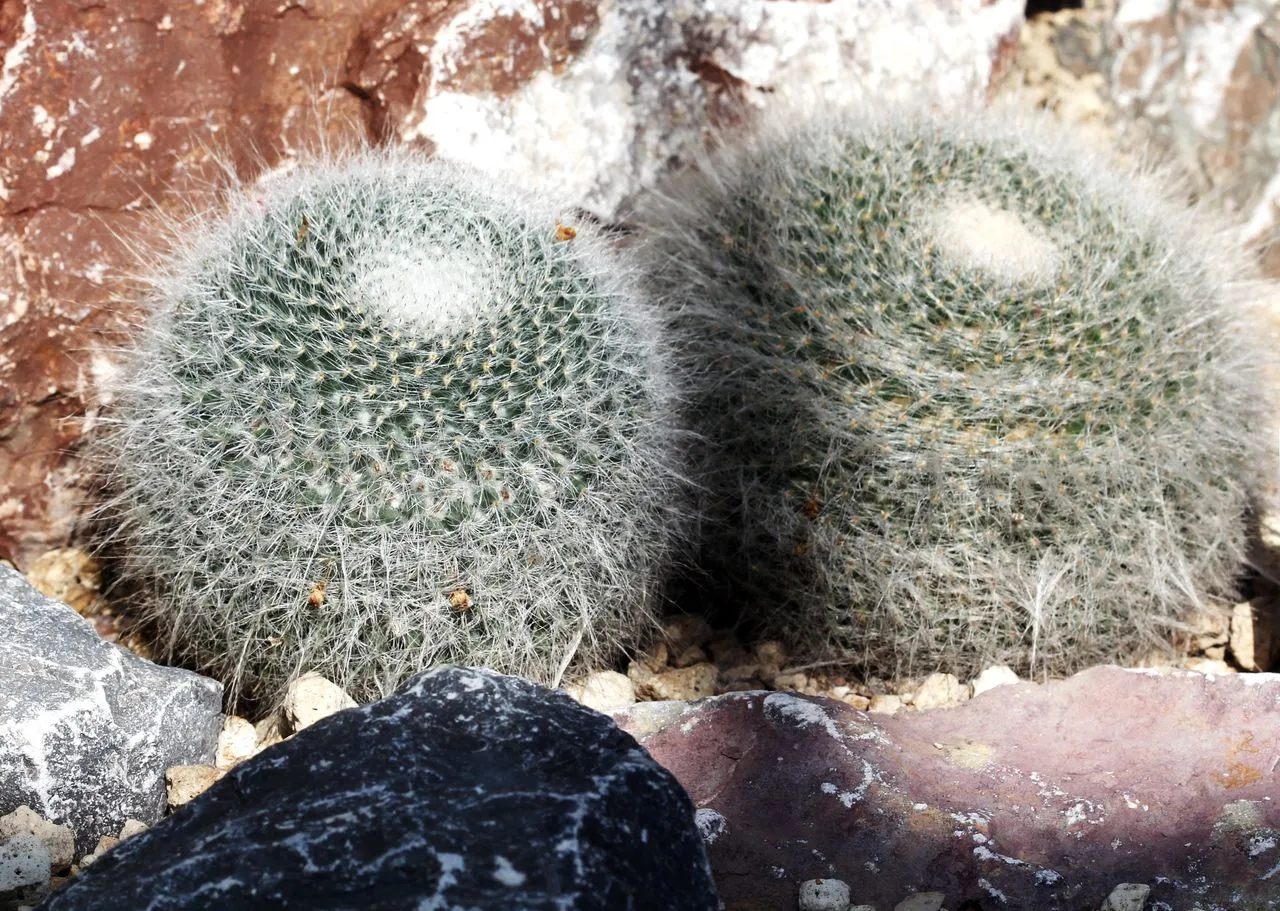
Etiolation is the cactus version of reaching for light. The plant produces longer, thinner, paler tissue because light intensity is too low for compact growth. It is not a fertiliser deficiency, not a normal juvenile phase, and not something that reverses once the stretched tissue has formed. The fix is to correct light safely, then decide whether the old growth is acceptable or should be cut away.
Part of the Complete Cactus Guide.
Insufficient direct light
Most desert cacti are high-light plants. In habitat, many receive several hours of direct sun, intense reflected light from rock or sand, and strong ultraviolet exposure. Indoors, a bright room can still be dim by cactus standards. Light intensity drops sharply with distance from glass: a cactus 60 cm from a south window may receive far less usable light than one 10 cm from the pane. Etiolation begins when the growing point receives enough warmth and water to grow but not enough photons to build dense green tissue. Globular cacti become pointed or cone-shaped at the crown. Columnar cacti make a narrow neck above a thicker older stem. Mammillaria and other clustering cacti produce long weak offsets instead of tight heads. The new growth may be yellow-green, soft, and sparsely spined.
Warm winter growth without winter sun
Winter is the hidden cause of many misshapen cacti. A desert cactus kept at 20°C in a heated room remains physiologically active, but winter day length and window intensity may be too low for healthy growth. If the plant is watered during this period, it responds by growing weak pale tissue. In contrast, many desert cacti can rest dry at 5°C to 12°C for 8 to 12 weeks, using little water and making no weak growth. This is why cool dry winter rest matters. It is not punishment; it synchronises growth with the season when light can support it. Epiphytic cacti such as Schlumbergera are different and should not be given severe dry cold, but most desert barrels, globulars, and columns are safer resting than stretching.
Shading from buildings, curtains, and other plants
A cactus can etiolate even in a window if the actual exposure is blocked. North windows in the northern hemisphere rarely support compact desert cactus growth. East windows give morning sun but may be marginal for barrels and strong-spined Mexican species unless the plant is close to the glass. West windows can work but may combine low morning light with intense afternoon heat. Net curtains, insect screens, tinted glass, roof overhangs, balconies, neighbouring buildings, and dense plant shelves all reduce light. A cactus placed behind a row of leafy houseplants is not receiving the window's full value. The plant's body tells the truth: if new growth is thinner than old growth, the available light is insufficient regardless of how bright the room looks to human eyes.
Over-watering and over-feeding under low light
Water and fertiliser do not cause etiolation by themselves, but they amplify it when light is inadequate. A dry cactus in poor light may simply sit still. A watered and fertilised cactus in poor light tries to grow and produces weak tissue. High nitrogen feeding is especially unhelpful because it encourages soft growth that cannot be supported by the light level. The correct sequence is light first, then water and feed only during active compact growth. A cactus under weak light should not be pushed with nutrients. If the plant is stretching, pause fertiliser entirely and lengthen the watering interval until the light problem is corrected. The goal is not to starve the plant; it is to stop producing structurally poor tissue.
Species differences in visible stretching
Etiolation looks different across cactus forms. A columnar Cereus may show a pencil-thin section above a thicker base. Cleistocactus strausii may grow taller but lose dense white hair and produce wider spacing between areoles. Globular Echinocactus and Gymnocalycium often develop a pointed top. Astrophytum myriostigma loses its crisp rib geometry and becomes taller and greener. Opuntia pads may elongate into narrow tongue-like segments instead of broad flat pads. Schlumbergera and other epiphytes are not desert plants, but in deep shade they also make long thin segments and fail to set buds. The shared clue is proportion: new growth does not match the compact width, colour, spine density, or segment shape of healthy older growth.
How to identify etiolation
| Plant form | Etiolation sign | Similar issue to rule out |
|---|---|---|
| Globular cactus | Pointed crown or narrow pale top | Normal juvenile vertical growth |
| Columnar cactus | Thin neck above thicker older stem | Seasonal growth ring from water change |
| Pad cactus | Narrow elongated pads | New pads not yet expanded |
| Clustering cactus | Long weak offsets with sparse spines | Species with naturally finger-like stems |
| Epiphytic cactus | Long thin floppy segments | Drought wrinkling or old woody stems |
Etiolated tissue is usually firm but weakly coloured. Rot is soft, spreading, wet, or foul-smelling. Sunburn is pale or tan on the exposed side, not narrow growth at the growing point. Nutrient deficiency can make a plant pale, but it does not usually create a narrow neck or stretched spacing between areoles.
When to act immediately
Etiolation is not an emergency in the same way rot is, but the correction should begin as soon as it is recognised. Every additional month in poor light adds more deformed tissue. Act within a week by improving light and adjusting water. Do not make the full jump from a dim shelf to outdoor noon sun in one day; etiolated tissue has a thin, shade-adapted epidermis and burns quickly. If the plant is leaning, top-heavy, or at risk of snapping, support it temporarily while planning a cut. Professional help is unnecessary unless the plant is a valuable old specimen where cutting would permanently change its display value.
Solutions
Increase light gradually
Move the cactus toward stronger light over 10 to 14 days. Indoors, put desert species within 10 to 20 cm of the brightest south-facing window available, allowing for heat and cold at the glass. If natural light is inadequate, use a grow light close enough to produce compact growth. Many small cacti need the light 20 to 35 cm above the crown, but fixture strength varies, so plant response matters. Outdoors, begin with bright shade, then morning sun, then longer exposure. Protect newly exposed tissue from midday sun until it has acclimated.
Reset water and fertiliser
Withhold fertiliser until compact new growth appears. Water only when the lower half of the pot is dry, using a skewer or moisture probe rather than a surface check. In winter, if the plant is a desert cactus and can be kept bright, dry, and cool at 5°C to 12°C, let it rest instead of encouraging growth. If it must stay warm indoors, water sparingly and provide artificial light strong enough to prevent stretching.
Decide whether to keep or cut stretched tissue
Mild etiolation can be left as a record of past conditions. The plant will form compact growth above it, though the shape may show a waist. Severe etiolation on a columnar cactus is often best corrected by cutting the healthy top once it is growing actively. Cut below the compact portion, let the cut end callus for 1 to 3 weeks depending on thickness, then root it in dry mineral mix. The old base may branch if healthy. Pad cacti can have narrow pads removed at a joint. Solitary globular cacti are harder: cutting often ruins the natural form, so prevention is better than surgery.
Rotate only after growth is stable
Rotation can even out leaning, but it is not a substitute for adequate light. Rotate a pot 90 degrees every 1 to 2 weeks only after the plant has acclimated to the exposure. Do not rotate a cactus that has been receiving strong one-sided sun for months and expose the shaded side suddenly; that can cause sunburn. Correct intensity first, then use rotation for symmetry.
Prevention
Prevent etiolation by planning cactus care around light, not around decoration. A cactus belongs in the brightest suitable position, not on a dim desk unless a grow light is installed. Give desert cacti 4 to 6 hours of direct sun during active growth where the species tolerates it. Use a cool dry winter rest for appropriate desert species so they do not grow during low-light months. Keep water and fertiliser proportional to light and temperature. For seedlings and shade-tolerant genera, bright filtered light may be correct, but the new growth should still match the plant's natural form. If it narrows, pales, or stretches, the light is wrong.
See also
- Cereus peruvianus — a columnar cactus where indoor stretching is common without very strong light.
- Mammillaria elongata — a clustering cactus that quickly shows low-light stem elongation.
- The Complete Cactus Guide — light, winter rest, and watering principles for Cactaceae.
- Cactus turning yellow — distinguishes light-related pallor from wet roots, pests, and other yellowing causes.
Frequently Asked Questions
Can an etiolated cactus return to normal shape?
The stretched tissue will not become compact again. Correct light improves only new growth after the change.
Should I cut off etiolated cactus growth?
Cut only when the stretched section makes the plant unstable, ugly, or too weak. Columnar and pad cacti are easier to cut and re-root than solitary globular species.
How much light stops cactus etiolation?
Most desert cacti need 4 to 6 hours of direct sun during active growth, or a strong grow light close enough to deliver several hours of high intensity.
Why did my cactus etiolate in winter?
Warm rooms with low winter light keep a cactus metabolically active without enough light for compact growth. Cool dry rest prevents that for many desert species.