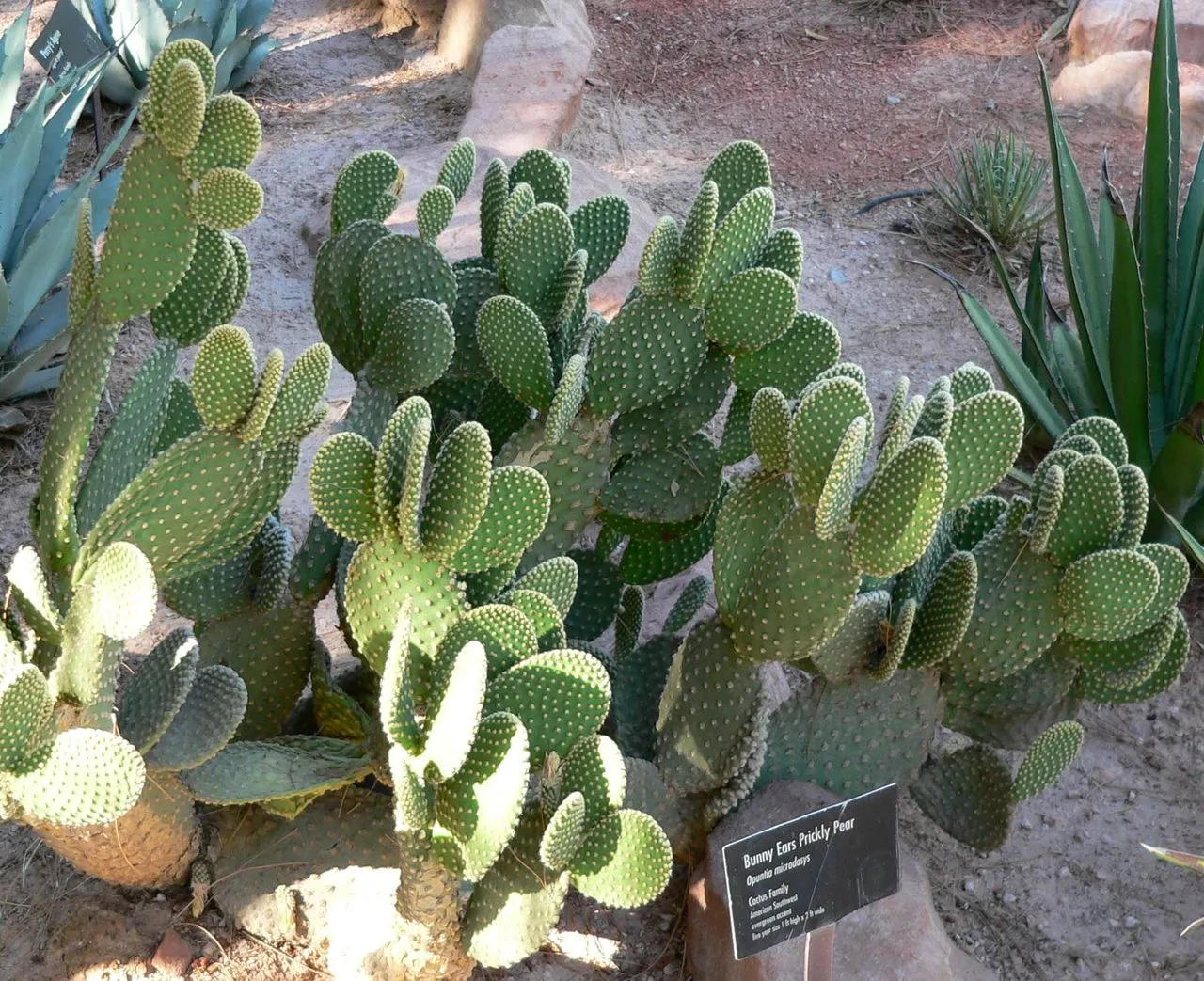
A cactus turning purple, red, pink, or maroon is not necessarily in distress. Many species produce anthocyanins — red and purple pigments in the flavonoid group — in response to specific environmental conditions, and the colour is often temporary, protective, and fully reversible rather than a sign of disease or damage. The challenge is distinguishing this normal stress colouration from sunburn, cold injury, nutrient problems, and pathological discolouration, all of which can appear superficially similar but carry entirely different implications for what action is needed.
Part of the Complete Cactus Guide.
Anthocyanin production under cold and UV stress
Anthocyanins are water-soluble pigments that accumulate in cell vacuoles in response to environmental stressors. In cactus, the most common triggers are strong ultraviolet radiation, cold temperatures in the 5°C to 12°C range, and drought stress. The pigments act as light-screening and antioxidant compounds, protecting chloroplasts from excess photon flux and oxidative damage. The colour itself — red, pink, purple, or in some species deep maroon or near-black — is the plant's active response, not tissue death.
Gymnocalycium mihanovichii is a well-known example: plants of this species turn deep purple to near-black under cold and low-nutrient conditions, and the brightly coloured cultivars sold as "moon cactus" are selected for constitutive high anthocyanin expression independent of stress. Mammillaria species commonly develop reddish or pink tints under outdoor summer sun. Rebutia and many small South American globulars develop orange-red hues when rested cool and dry through winter. Astrophytum myriostigma can show a slight purplish tinge across the ribs under intense summer light, reverting to grey-green when moved to filtered light.
Cold or UV anthocyanin colouring has four consistent characteristics: it affects the whole plant or the sun-exposed face, it develops gradually over days to weeks, it is fully reversible when conditions moderate, and it is always accompanied by firm, intact, structurally healthy tissue.
Cold stress below the comfortable temperature range
Desert cacti in cooler-than-usual conditions often show purple or red colouring, particularly on the upper face of globular species or at the growing tips of columnar forms. When temperatures drop to 5°C to 10°C but remain above the frost threshold for the species, the plant remains viable but cold stress triggers anthocyanin production in the outer epidermal cell layers. A Mammillaria moved to an unheated porch when autumn nights reach 7°C may develop a reddish blush across the crown. An Astrophytum moved to a cool greenhouse in October may turn slightly purple on the upper ribs. This colouring reverses in 2 to 4 weeks once the plant returns to comfortable active-growth temperatures, typically above 15°C.
Cold-stress anthocyanin does not require treatment. It is useful information: if a plant is colouring in this way, it is at or near its lower comfortable temperature threshold and may benefit from slightly more warmth, though many growers value the colouring and deliberately cool their collections in autumn for this effect.
Intense sunlight and UV exposure outdoors
Outdoor summer sun, especially at altitude or in southern latitudes, contains more ultraviolet radiation than any indoor window setting. Cacti moved outside in spring or placed under very strong grow lights can turn pink, red, or purple on the sun-exposed face as they ramp up anthocyanin screening. This response develops over 1 to 3 weeks of increased exposure and may eventually spread across the whole plant if UV is high from all directions. The distinction from sunburn is critical and must be made correctly before choosing whether to act:
Anthocyanin colouring is evenly distributed on the exposed face or across the plant, the tissue is firm and the epidermis is intact, and the colour intensifies gradually with continued exposure. Sunburn presents as pale beige or white patches on the most-exposed face only, the affected cells are dead rather than pigmented, the tissue is slightly papery or thin, and the damage appears rapidly — often within 12 to 24 hours of an unacclimatised move. See Cactus sunburn recovery for the sunburn-specific assessment and recovery protocol.
Drought stress and water deficit
Extended drought can also induce anthocyanin production in some species, particularly flat-padded Opuntia, Mammillaria clusters, and some Echinopsis relatives. A cactus that has been drawing on stored water reserves for an extended period may develop reddish or pink colouring alongside the visible contraction of ribs, tubercle deflation, or pad softening that characterises genuine thirst. In this case, the colouring and the contraction are companion symptoms of the same water-deficit state. Rehydrating the plant — a thorough single soak once the pot has fully dried — allows both symptoms to resolve, with colour return typically taking 1 to 2 weeks as cells refill.
If drought colouring is accompanied by softness rather than simply contraction, consider root damage first. As described in Cactus shriveling, a plant that is soft and wrinkled with damp substrate is not thirsty; it has lost root function, and adding water makes the situation worse. The differentiator: drought-stress reddening with dry soil and firm tissue responds to watering. Reddening with soft tissue and wet soil requires unpotting and root inspection.
Nutritional factors and phosphorus deficiency
Phosphorus deficiency is a documented cause of purple or reddish discolouration in plants, including cacti growing in mineral substrate that has been in use for several years without supplemental feeding. In a heavily mineral mix with limited organic fraction, available phosphorus may drop below optimal levels over 2 to 3 growing seasons. Unlike cold or UV anthocyanin — which affects the whole plant — phosphorus-deficiency reddening tends to be localised to new growth and growing tips, and it does not reverse with changes in temperature or light, which distinguishes it from the environmental causes. A balanced cactus fertiliser at one-quarter label strength applied during active growth corrects mild deficiency within a few weeks. A substrate refresh at the next repotting resolves it more permanently.
Cold roots that cannot take up phosphorus and other minerals efficiently — as in a plant whose substrate temperature is below 10°C even if air temperature is warmer — can produce temporary deficiency symptoms that resolve when roots warm and uptake resumes in spring.
Pathological causes — when red or purple is not pigment
Not all red, dark purple, or brownish discolouration in cactus is anthocyanin. Progressive reddish-brown discolouration that starts at the base or at a wound site, is associated with any softness when pressed, and spreads measurably upward over days is the early stage of bacterial or fungal rot. Similarly, soft translucent pink or red tissue following frost exposure indicates freeze damage: ice crystal formation has destroyed cell integrity rather than simply triggering pigment. Freeze-damaged tissue does not firm up after temperatures moderate; it becomes progressively softer and eventually collapses. The critical tests:
Firm or soft? Anthocyanin is always firm and the epidermis is intact. Rot and freeze damage are soft, yielding to gentle pressure.
Spreading or stable? Pigment is stable and does not spread to adjacent tissue. Rot spreads over days.
Reversible with temperature change? Anthocyanin reverses when the trigger is removed. Cell death is permanent.
Base-origin or whole-plant? Anthocyanin affects the whole plant or sun-facing side. Rot begins at the base, wound site, or wet zone and spreads upward or outward from that origin.
How to identify
| Colour and texture | Pattern | Likely cause | Action |
|---|---|---|---|
| Red, pink, or purple; firm, intact | Even across plant or sun-exposed face | UV or cold anthocyanin | None required; adjust exposure if desired |
| Red or purple on new growth or tips only; firm | Localised to growing point | Phosphorus deficiency | Feed with balanced low-N fertiliser |
| Red-brown; soft or wet at edges | Starts at base or wound, spreading | Rot — urgent | Unpot and treat as rot today |
| Translucent pink or red; collapsing | Post-frost; widespread softness | Freeze damage | Assess for salvage, treat as rot |
| Pale beige or white; papery | Sun-facing side only | Sunburn — scar permanent | No action; prevent future exposure |
When to act and when to wait
Firm purple or red colouring with no softness, no spread, and a clear environmental trigger — cold, strong sun, drought — needs no action beyond addressing the trigger if desired. Cold-stress colouring reverses on its own when temperatures rise above 15°C. UV colouring is harmless and considered aesthetically valuable by many cactus growers. Drought-stress reddening resolves with correct watering once the substrate is fully dry. Act immediately when discolouration is soft, spreading, base-origin, or accompanied by any unpleasant smell. Act the same day for freeze damage: remove the plant from freezing conditions, allow it to warm gradually over 12 to 24 hours, then assess after 48 hours whether the affected tissue has firmed or continues to collapse.
Solutions
For cold-induced and UV anthocyanins
No intervention is required. If the cold-stress colouring is considered undesirable, move the plant to a position maintaining 15°C to 20°C and the purple or red should fade over 2 to 4 weeks. If strong UV colouring outdoors is unwanted, move to an east-facing position or one with afternoon shade, though many growers deliberately maintain the exposure for the visual effect. For plants entering winter rest, accept that some cold colouring is normal and expected during the rest period.
For drought-related colouring
Water deeply once the substrate has fully dried through the lower half of the pot: apply until water runs from the drainage hole, then allow full drainage. Do not water again until the pot is dry through the lower portion — frequent small waterings wet the surface without rehydrating the root zone and can initiate rot. Colour should begin to return toward green within 1 to 2 weeks as storage cells refill.
For phosphorus deficiency
Apply a balanced cactus fertiliser with a phosphorus component at one-quarter to one-half label strength during active growth, always watering the plant first. Repeat every 4 to 6 weeks through the growing season. If the substrate is more than 2 years old and heavily mineral with minimal organic fraction, partial substrate replacement at the next suitable repotting season will provide a long-term mineral reservoir.
For rot or freeze damage
Follow the staging and surgical procedure in Cactus rot treatment. Freeze-damaged tissue that has not firmed after 48 hours at room temperature should be treated the same as rot: cut back to clean firm tissue, allow a full callus period, and repot in dry mineral mix. Do not wait for additional visible deterioration before cutting.
Prevention
Prevent unwanted discolouration by acclimatising plants gradually to all significant changes in temperature and light. Use a 10 to 14-day transition for any move that represents a meaningful change in exposure — from indoor to outdoor, from filtered to direct sun, from summer to winter conditions. Keep desert cacti above their species-minimum temperature in winter. Fertilise lightly but consistently during active growth so mineral reserves do not deplete in spent substrate. Learn the normal colour range for each species: some cacti are naturally red or purple, including certain Gymnocalycium cultivars and chlorophyll-free moon cactus scions. Distinguishing species-normal colouration from stress response requires knowing what healthy plants of that species look like, which is most efficiently learned by inspecting several plants side by side.
See also
- Cactus sunburn recovery — detailed protocol for assessing and managing UV-caused cell death on the sun-facing side, distinct from the reversible anthocyanin response covered here.
- Cactus shriveling — drought contraction and root-loss symptoms that often accompany drought-stress anthocyanin, with the substrate-moisture diagnostic test.
- Cactus rot treatment — the full surgical and recovery procedure when discolouration is confirmed as rot rather than pigment production.
Frequently Asked Questions
Is it normal for a cactus to turn red or purple in winter?
Yes, for many species. Cold temperatures between 5°C and 12°C trigger anthocyanin production in the outer cell layers of many desert cacti. The colour is protective and reverses over 2 to 4 weeks once the plant returns to comfortable temperatures above 15°C.
Why is my cactus turning red after being moved outside?
Strong outdoor UV light triggers anthocyanin as a screening pigment. The reddening is the plant's response to increased radiation, not a sign of distress. It is distinguished from sunburn by being firm, uniformly distributed on the sun-facing side, and fully reversible.
Can nutrient deficiency cause reddening in cactus?
Yes. Phosphorus deficiency in particular can produce purple or reddish colouring on new growth and growing tips, distinct from cold or UV anthocyanin which affects the whole plant. A balanced cactus fertiliser at one-quarter label strength during active growth corrects mild deficiency.
My cactus is turning dark purple at the base and feels slightly soft. Is that normal?
No. Dark purple or reddish-brown discolouration at the base combined with any softness is rot, not pigment. Unpot immediately, inspect roots, and treat as described in the cactus rot treatment guide.