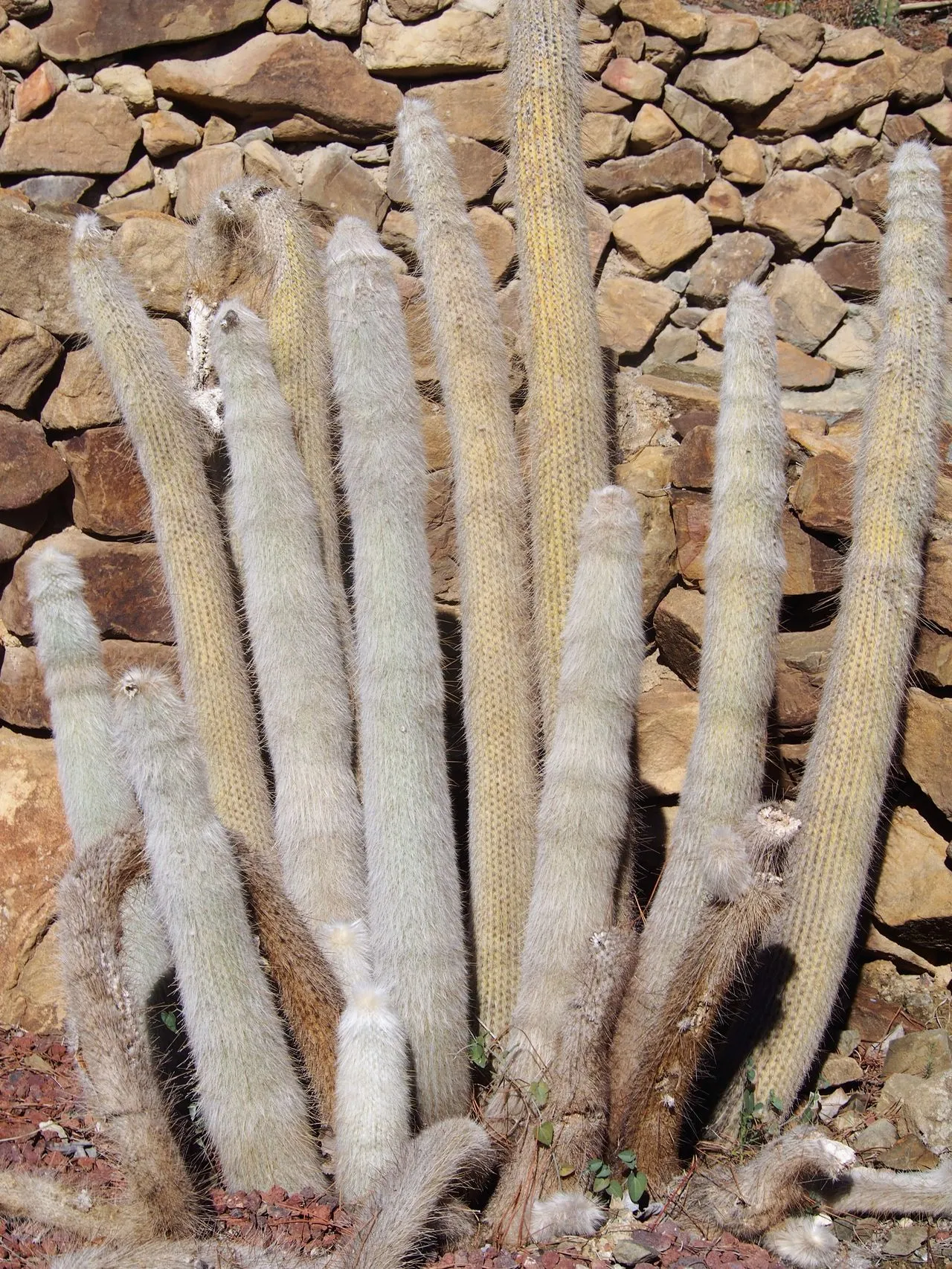
Spider mites are among the smallest common cactus pests and among the most destructive when left undetected. A mature infestation can cause extensive cell damage across a plant before the grower notices anything beyond a slight dullness or bronze tinge to the stem. The fine webbing characteristic of spider mites is harder to spot on a cactus than on a broad-leaved houseplant because spines, wool, and areole hairs provide natural camouflage. Recognising the early signs — stippling, silvery patches, and fine silk visible under magnification — allows effective treatment before the colony reaches population levels that cause permanent scarring.
Part of the Complete Cactus Guide.
Hot, dry indoor conditions
Spider mites in the family Tetranychidae, including Tetranychus urticae (the two-spotted spider mite), thrive in warm, dry, still air. A cactus on a sunny windowsill in a centrally heated room during winter, or on a hot dry balcony in midsummer, is in near-ideal mite habitat. Populations double rapidly at temperatures above 24°C when relative humidity falls below 40%. At 30°C and low humidity, one generation can complete in 5 to 7 days, meaning a small unnoticed colony becomes a large visible infestation within 3 to 4 weeks. Central heating running through winter often drops indoor humidity to 20% to 30%, which is ideal for mites and lethal for the beneficial predatory insects that would normally control them outdoors. Growers who water correctly but never examine the areoles and lower stem surface at close range can miss a developing infestation entirely.
Introduction from unquarantined plants
Mites travel on airborne silk threads, on clothing, on tools, and directly between plants that touch. A new plant brought home from a nursery, garden centre, or plant market without a quarantine period is the most common introduction route in private collections. The egg stage is particularly easy to overlook: mite eggs are round, pale, and translucent — less than 0.15 mm across — and survive brief desiccation. Mites also overwinter as dormant fertilised females in substrate crevices, pot rims, and staging surfaces, emerging when temperatures rise above approximately 15°C in spring. A collection with no prior mite history that develops an infestation after a single new purchase almost certainly introduced the pest through that plant. A 2-week isolation period in a separate room before new plants enter the main collection is the most effective single prevention measure available.
Low humidity during winter heating
Indoor heating in temperate climates creates the most conducive mite environment of the year. Outdoor humidity in winter may be 70% to 90%, but forced-air heating can lower indoor humidity to 20% to 35%, holding it there for months. At these levels, mite populations expand on any plant warm enough to be metabolically active. A cactus in active growth under supplemental grow lights in a heated room is particularly susceptible, but even a cactus kept slightly cool for winter rest can harbour mite eggs that hatch as soon as temperatures rise in spring. Growers who increase grow-light use or move plants near radiators to prevent etiolation — discussed in Cactus etiolation fix — can inadvertently create mite-optimal conditions. A cool dry winter rest that moves desert cacti away from warm heating zones reduces mite pressure alongside preventing weak growth.
Species susceptibility differences
Not all cacti are equally vulnerable to visible mite damage, though all are susceptible. Dense white wool — as on Mammillaria elongata and M. plumosa — physically camouflages mites and makes web detection harder than on smooth-ribbed barrels, often delaying identification until the colony is large. Astrophytum myriostigma, with its smooth, flat, spineless ribs, shows mite stippling as faint silvery or bronze discolouration more visibly than woolly species, allowing earlier detection. Flat-padded Opuntia presents large plain surfaces where stippling becomes apparent as broad pale patches on the exposed face. Thin-stemmed epiphytes such as Rhipsalis and Schlumbergera suffer cell collapse from mite feeding more rapidly than tough-spined desert species because their epidermis is thinner, and wilting or bronzing of segments can appear faster than on a barrel cactus.
How to identify
| Sign | Location | Confirmation method |
|---|---|---|
| Fine silk or webbing | Between spines, across areoles, over stem | Torch at oblique angle; hand lens at 10x |
| Stippling (tiny pale dots) | Stem surface, especially near growing tip | Each dot is a mite feeding puncture; visible at 10x |
| Bronze or silvery sheen | Affected patch or whole stem | Cell collapse from feeding, distinct from sunburn colour |
| Moving dots | On webbing, stem surface, disturbed from plant | 0.3 to 0.5 mm, reddish or pale, visible to naked eye when moving |
| Egg clusters | Deep in areoles, under pads | Round, transparent, clustered; requires careful inspection |
White cottony masses in areoles are mealybugs, not spider mites — see Cactus white fuzzy spots for the full differentiation. Spider mite silk is very fine and transparent, best seen with a torch held at a low angle to the stem. To confirm mites, tap an affected area over white paper and watch for moving dots over the following minute.
When to act immediately
Any confirmed mite presence requires immediate action. Mite populations grow exponentially and delay is costly: a colony of 10 mites per 5 cm² of stem surface at 28°C can expand to several hundred individuals within 2 weeks. Isolate the affected plant from all others before beginning any treatment — on the same day you confirm the pest. Continue inspecting neighbouring plants for 2 to 3 weeks. For a collection of more than 20 plants or a greenhouse with systemic infestation, miticide rotation may be necessary to prevent resistance; a single chemistry used repeatedly selects for resistant mite populations within 4 to 6 generations.
Solutions
Physical removal and water treatment
Rinse spider mites from the cactus with a forceful fine jet of lukewarm water, directing it into areoles, spine bases, and any areas with visible webbing. For a small cactus, this is done over a sink or outdoors on a warm day. The jet dislodges mites and eggs mechanically. Allow the plant to dry completely before returning it to its position — never leave a cactus sitting wet. Follow up immediately by applying 70% isopropyl alcohol with a cotton swab to each affected areole and surface patch. Alcohol kills mites on contact and dries within minutes. Avoid saturating dense woolly areoles where alcohol can damage fragile trichomes. Repeat the full physical treatment every 5 to 7 days for at least 4 weeks to address hatching nymphs.
Insecticidal soap or neem oil
A 1% to 2% insecticidal soap spray, or neem oil mixed at 5 ml per litre of water with a small amount of liquid soap as an emulsifier, applied to all stem surfaces covers exposed mites and eggs with a contact-active film. Apply in the morning at temperatures below 30°C and out of direct sunlight to avoid phytotoxic burning of wet cactus skin. Neem oil also has repellent and egg-suppressing properties that reduce reinfestation pressure. Test on a small inconspicuous area first on any unfamiliar species or woolly cactus. Repeat every 5 to 7 days for 3 to 4 weeks minimum. Do not skip applications — mite eggs hatch on a reliable schedule and a missed week allows the colony to recover.
Miticide for severe infestations
When mite populations are high — visible silk covering multiple areoles, stippling across more than 30% of stem area, or a population present despite 3 weeks of soap and alcohol treatment — a specific miticide from the abamectin or spiromesifen group may be needed. Use the lowest registered rate, rotate to a different chemistry class for a second application if needed, and follow label guidance on plant safety. Many miticides are harmful to beneficial insects and predatory mites, so use them only when physical and soap-based methods have failed. A second miticide application 5 to 7 days after the first targets nymphs hatching from eggs that survived the first treatment.
Prevention
Prevent spider mites by controlling the conditions they favour. Keep indoor humidity above 50% during winter using a humidifier or a water tray with pebbles positioned near the collection. Avoid placing cacti directly above or adjacent to heating vents. Quarantine all new plants for a minimum of 2 weeks, inspecting them under a hand lens before they join the collection. Make areole and stem inspection part of every watering routine — a torch and 10x hand lens make a 10-second check into a reliable early detection method. Remove dead plant material from pot surfaces promptly, as it shelters mite eggs. If spider mites recur seasonally despite treatment, a preventative neem oil spray at the start of the warm season and at the beginning of the heating season reduces colonisation pressure before it builds.
See also
- Spider mite identification — family-level guide to all succulent spider mite species, with comparison to false spider mite, tarsonemid mite, and rust mite.
- Cactus white fuzzy spots — differentiates mealybug, scale, and normal cactus wool from spider mite webbing, covering all white or grey surface textures.
- Mammillaria elongata — a woolly-spined clustering cactus where spider mite detection requires particularly careful areole inspection.
Frequently Asked Questions
What does a spider mite infestation look like on cactus?
Look for fine translucent silk between spines and over areoles, tiny pale stippling dots on the stem surface, and a bronze or silvery sheen on damaged patches. Mites themselves are 0.3 to 0.5 mm specks, visible when disturbed. Tap an affected area over white paper to confirm moving dots.
Are spider mites and mealybugs the same pest?
No. Mealybugs are larger, produce white cottony wax masses, and are insects. Spider mites are arachnids, extremely small, and produce fine silk webbing. Mealybug masses are fluffy and stationary; mite webbing is gossamer-thin and stretches between structures.
Why do spider mites keep coming back to my cacti?
Mites overwinter as dormant eggs in soil crevices and substrate. They also re-enter via new plants added without quarantine. Regular humidity below 40% and proximity to heat sources maintain ideal mite conditions. Address all three to break the cycle.
Can I use rubbing alcohol directly on cactus spines and areoles?
Yes. A cotton swab dipped in 70% isopropyl alcohol kills mites on contact without damaging cactus skin at that concentration. Avoid saturating dense white wool such as that on Mammillaria hahniana, where alcohol can damage delicate trichomes.