| Question | Short Answer |
|---|---|
| Is Doozy a sedum cultivar? | No. |
| Why do gardeners call sedum a doozy? | The genus surprises new gardeners with its range: about 500 species, several growth forms, and hardiness from zone 3 to frost-tender tropical types. |
| Are all sedums equally hardy? | No. |
| Are sedums edible? | Some have historical food uses, but others such as S. |
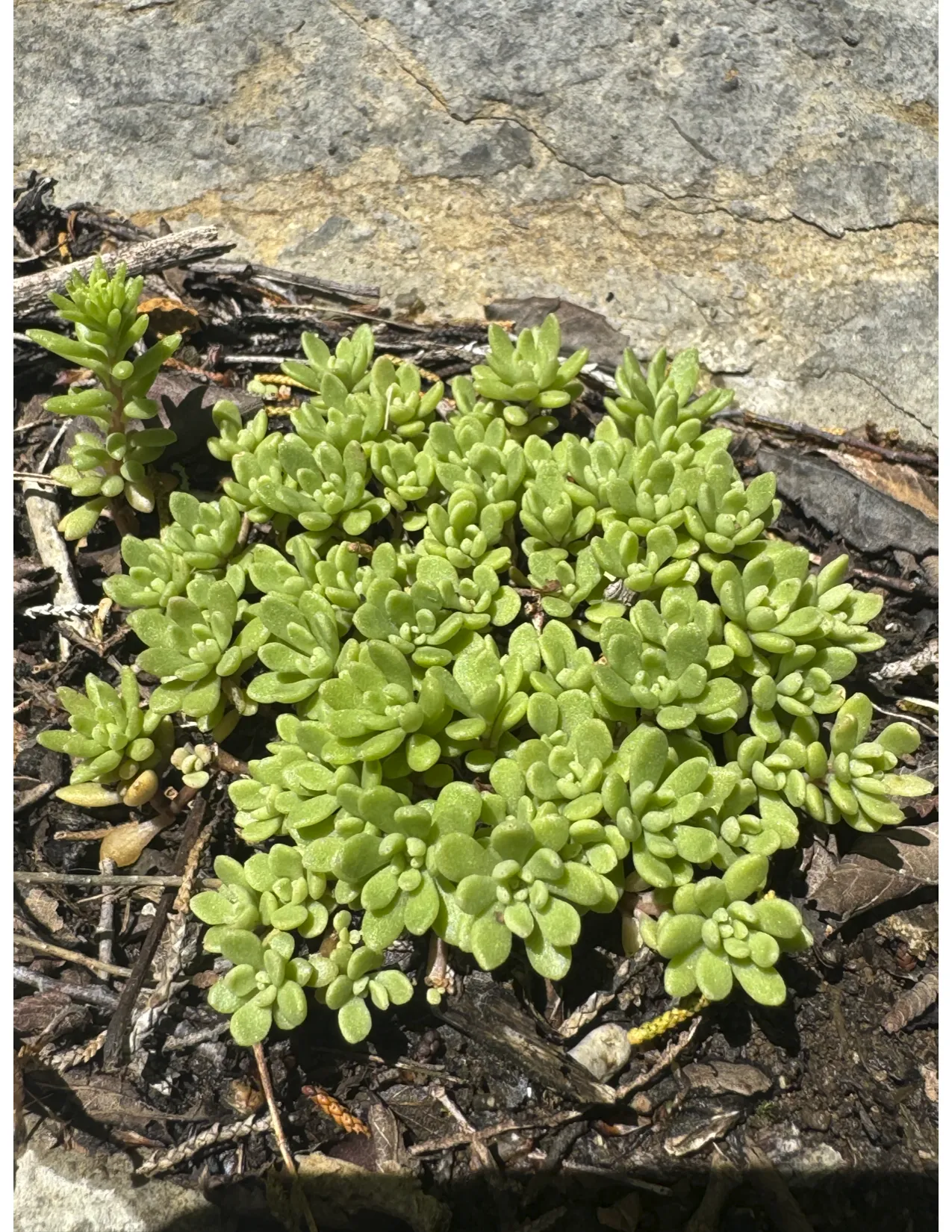
"Doozy" is American slang for something remarkable, unusual, or unexpectedly impressive. It is not a cultivar name, a species, or a formal horticultural term. It does show up in casual garden writing about Sedum because the genus genuinely surprises new gardeners with how much it does on how little: 500-plus species, four continents, USDA zones 3 through 11, and a range of growth forms that runs from flat mats to metre-tall clumps. This page collects the facts about the genus that most surprise people who have only ever met one or two sedums in a garden centre.
Part of the Complete Sedum Guide.
Things about sedum that genuinely surprise new collectors
The genus is the largest in Crassulaceae. Around 500 accepted species according to the World Checklist of Vascular Plants at Kew. Only Crassula comes close within the family. Most are obscure and cultivated rarely; a few dozen carry the whole horticultural trade.
"Sedum" is two genera now, not one. In the 1970s Hideaki Ohba removed the upright herbaceous species to the segregate genus Hylotelephium. 'Autumn Joy', 'Matrona', 'Brilliant', and all the tall border sedums are now formally Hylotelephium, but almost every label and catalogue still calls them Sedum. Both names are in current horticultural use.
A sedum can be frost-hardy to −40 degrees Celsius or killed at −2. S. acre and S. kamtschaticum survive zone 3 winters. Sedum morganianum and S. rubrotinctum collapse at the first light frost. The genus has no shared climate envelope.
Some are edible, others mildly toxic. S. reflexum (prick-madam) was a medieval European salad herb. S. acre (biting stonecrop) contains piperidine alkaloids and will upset the stomach of anything that eats much of it. The two plants look similar enough at a glance that no sedum should be eaten without confident identification to species.
One species does not grow in the wild. S. rubrotinctum (jellybean plant) has never been confirmed from a wild population. It is almost certainly a garden hybrid, S. pachyphyllum × S. stahlii, that entered horticulture before anyone recorded its origin.
They pollinate by fly as much as by bee. Hylotelephium flat-topped cymes attract hoverflies and occasionally carrion flies alongside honey and bumble bees. Flies are legitimate pollinators, not pests, on autumn-flowering sedums.
The name comes from "to sit". Sedum derives from the Latin sedere, a reference to the habit of the plants of sitting flat on rocks and walls. Roman herbals used the name for both Sedum and the closely related Sempervivum; Linnaeus fixed it to the present genus in 1753.
A sedum mat will regrow from a scattered fragment. The creeping species root at every node. Commercial green-roof plug production is done by shredding plant material over hydroponic felt and letting it re-root. You can do the same at home in a flat tray.
Sedums are a major green-roof crop. Extensive green-roof specifications in Europe are almost entirely sedum-based: S. acre, S. album, S. reflexum, and S. spurium in various proportions. The ecological rationale is drought tolerance and thin-substrate survival rather than ornamental effect; the flowering shows are a bonus.
A "sedum" at the garden centre may be a Phedimus. S. spurium and S. kamtschaticum, two of the most common garden groundcovers, are now correctly Phedimus spurius and P. kamtschaticus. Taxonomists moved them; the trade has not caught up.
Using the word
If you read "a doozy of a sedum" in garden writing, the author means the plant is more impressive than expected for its price and effort. The phrase is not informative. The useful version of the same sentiment is: Sedum gives an unusually large return for an unusually small investment of care.
See also
Frequently Asked Questions
Is Doozy a sedum cultivar?
No. Doozy is slang, not a cultivar, species, or horticultural term. A plant sold that way still needs a real species or cultivar name.
Why do gardeners call sedum a doozy?
The genus surprises new gardeners with its range: about 500 species, several growth forms, and hardiness from zone 3 to frost-tender tropical types.
Are all sedums equally hardy?
No. S. acre and S. kamtschaticum survive zone 3 winters, while S. morganianum and S. rubrotinctum collapse at light frost.
Are sedums edible?
Some have historical food uses, but others such as S. acre contain piperidine alkaloids. Do not eat a sedum without confident species identification.