| Question | Short Answer |
|---|---|
| How hardy is Sempervivum 'Pilatus'? | It is reliable in USDA zone 3, below −35 °C when dry, and needs only crown dryness in winter. |
| Does 'Pilatus' need acidic substrate? | Yes. |
| How fast does 'Pilatus' grow? | Slowly. |
| How large are 'Pilatus' rosettes? | Mature rosettes are 3–5 cm across and become tight, nearly spherical in winter. |
Sempervivum 'Pilatus' is a compact cultivar named for Mount Pilatus in the Swiss Alps, where the original wild collection was made. It is an S. montanum × S. arachnoideum hybrid, or possibly a pure S. montanum selection — the documentation varies by source — and it carries the compactness and cold hardiness of both parents.
Part of the Complete Sempervivum Guide.
The cultivar has been in European trade since the mid-twentieth century and is a reliable presence in specialist alpine nurseries, if not in mass-market garden centres.
Identification
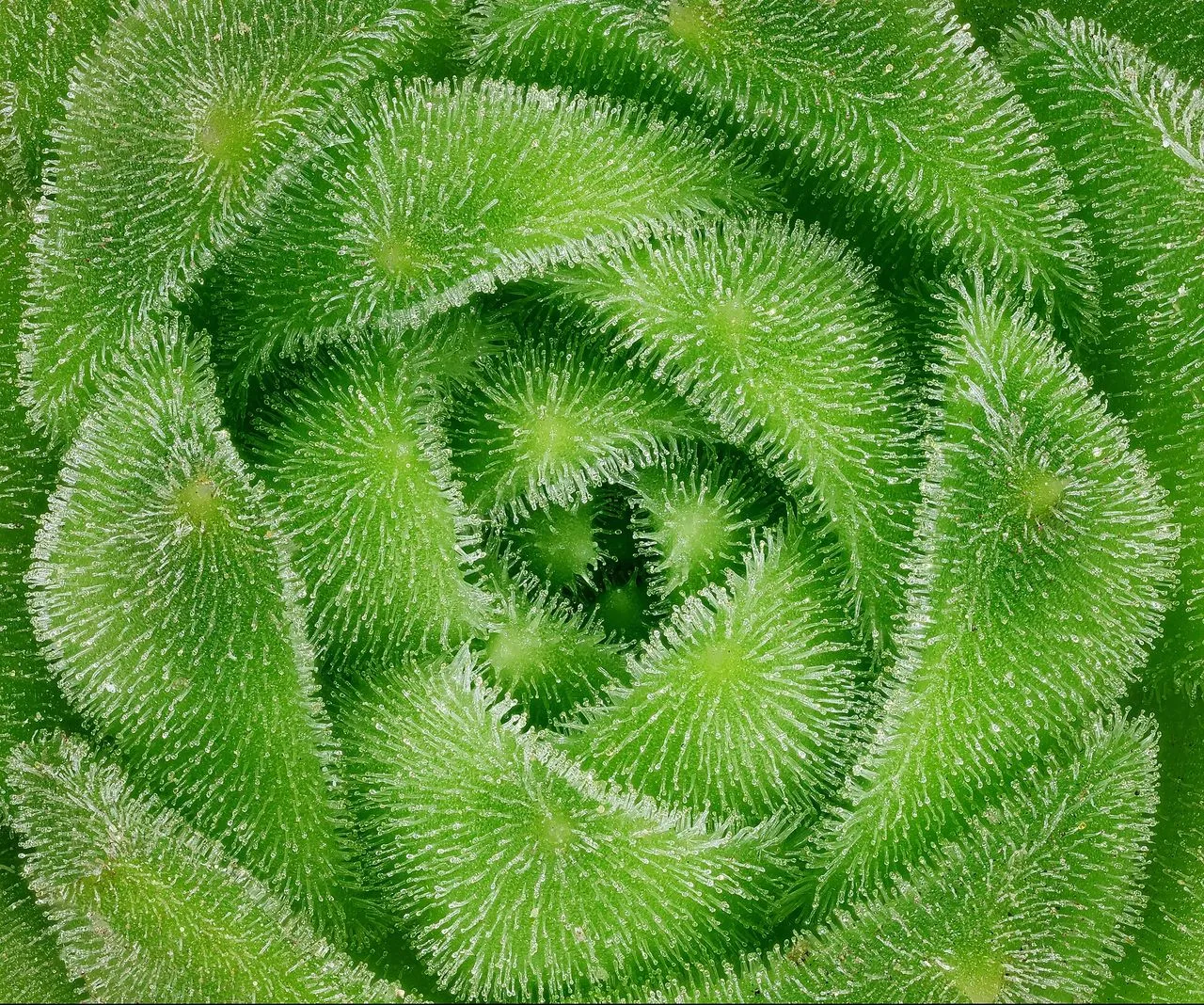
- Rosettes. Small and tight, 3–5 cm across at maturity, with a flattened-globose form that becomes a near-sphere in winter.
- Leaves. Oblanceolate, 1.5–2.5 cm long, with a light pubescence on the surface (inherited from S. montanum) and short ciliate margin hairs. The upper half of each leaf flushes deep red-brown in sun and cold.
- Colour. Mid-green body with sharply red-brown upper leaves; the contrast is cleaner and more defined than in most cultivars, reflecting the compact rosette morphology.
- Inflorescence. A short scape 8–15 cm tall bearing 6–10 dull purple-red 12-petalled star flowers in mid to late summer. Shorter than the commercial tectorum-group cultivars and more in proportion to the small rosette.
- Offsets. Produced on very short stolons, very close to the mother. The colony stays tight.
Cultivation
'Pilatus' follows the S. montanum pattern more than the tectorum pattern. Key adjustments from the generic pillar advice:
Acidic substrate preferred. Use the standard gritty alpine mix but replace the loam fraction with ericaceous or peat-alternative compost. Pure limestone substrate will cause chlorosis within one growing season.
Cold hardy to the extreme. USDA zone 3, reliable below −35 °C dry. This is one of the cultivars to use in continental climates with severe winter cold. The plant does not need any winter protection beyond keeping the crown dry.
Slower growth than commercial cultivars. Expect 3–5 offsets per mother rosette per season rather than the 10–20 of vigorous tectorum-group plants. A 'Pilatus' colony takes three or four years to fully fill a 20 cm alpine trough. This is normal and reflects the cultivar's high-altitude parentage.
Otherwise full sun, minimal watering, no feed.
Propagation
Offset division. The chicks are tight to the mother and small; use fine scissors and a dibber. Replant in acidic gritty substrate. Establishment is slower than in commercial cultivars — expect 4–6 weeks to visible new growth.
Notes and Quirks
The cultivar is a good representative of the "authentic alpine" side of the Sempervivum market, as opposed to the "commercial colour-forward" side represented by the Chick Charms series. The distinction matters mostly to collectors: a compact, slowly offsetting, acid-loving, intensely cold-hardy alpine cultivar is a very different horticultural object from a vigorous, easily colour-shifted, lowland-tolerant hybrid. Both are legitimate; both are Sempervivum. 'Pilatus' is firmly in the former group.
The specific epithet in the cultivar name refers to Mount Pilatus (2,128 m) near Lucerne, Switzerland. The mountain has been a collecting site for alpine plants since the early nineteenth century and has given its name to several other alpine cultivars across different genera.
See also
- Sempervivum montanum — one likely parent of this cultivar.
- Sempervivum arachnoideum — the other likely parent.
- Cobweb Sempervivum — related alpine hybrids in the same breeding context.
- Sempervivum cebenense — another small, compact European alpine for a high-altitude trough.
Frequently Asked Questions
How hardy is Sempervivum 'Pilatus'?
It is reliable in USDA zone 3, below −35 °C when dry, and needs only crown dryness in winter.
Does 'Pilatus' need acidic substrate?
Yes. Use an acidic gritty alpine mix with ericaceous or peat-alternative organic material.
How fast does 'Pilatus' grow?
Slowly. Expect 3–5 offsets per mother rosette per season and several years to fill a 20 cm trough.
How large are 'Pilatus' rosettes?
Mature rosettes are 3–5 cm across and become tight, nearly spherical in winter.