From the Field
A reference for the soft, slow-growing,
and quietly resilient.
Comprehensive cultivation guides to Crassulaceae, Asphodelaceae, Agavoideae and the rest of the plants that hold their water in their leaves. Written by a certified horticulturist working from a real collection.
By Genus
Browse the collection
Recently Added
From the editorial bench
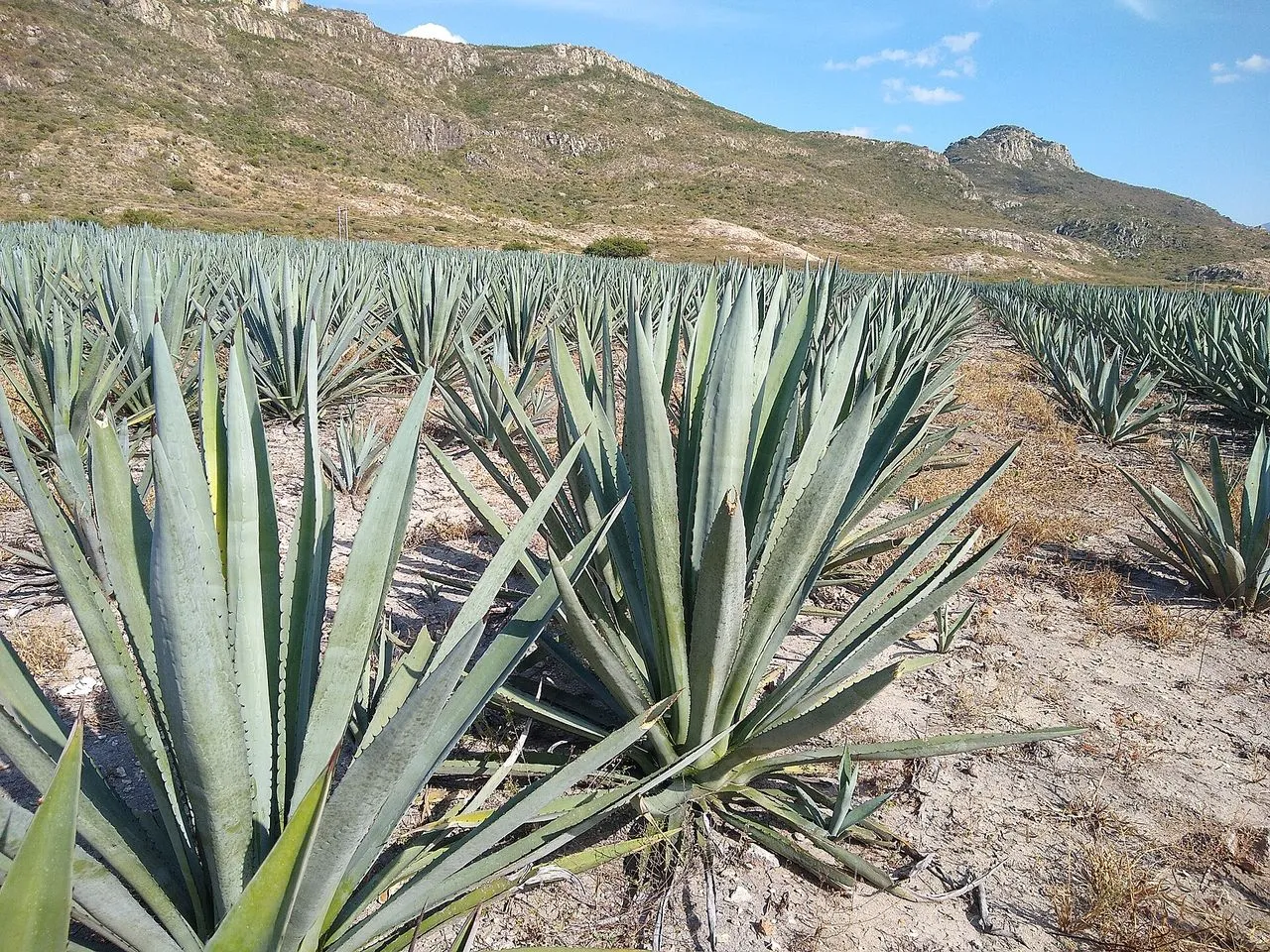
Agave Not Producing Pups: Offsets, Age & Species
Why an agave is not producing pups, which species offset heavily or sparsely, and how maturity, pot size, stress, flowering, and propagation method…

Agave Winter Damage: Frost, Wet Roots & Recovery
Keep the plant dry and wait 3 to 7 days before cutting so dead tissue separates from living tissue.
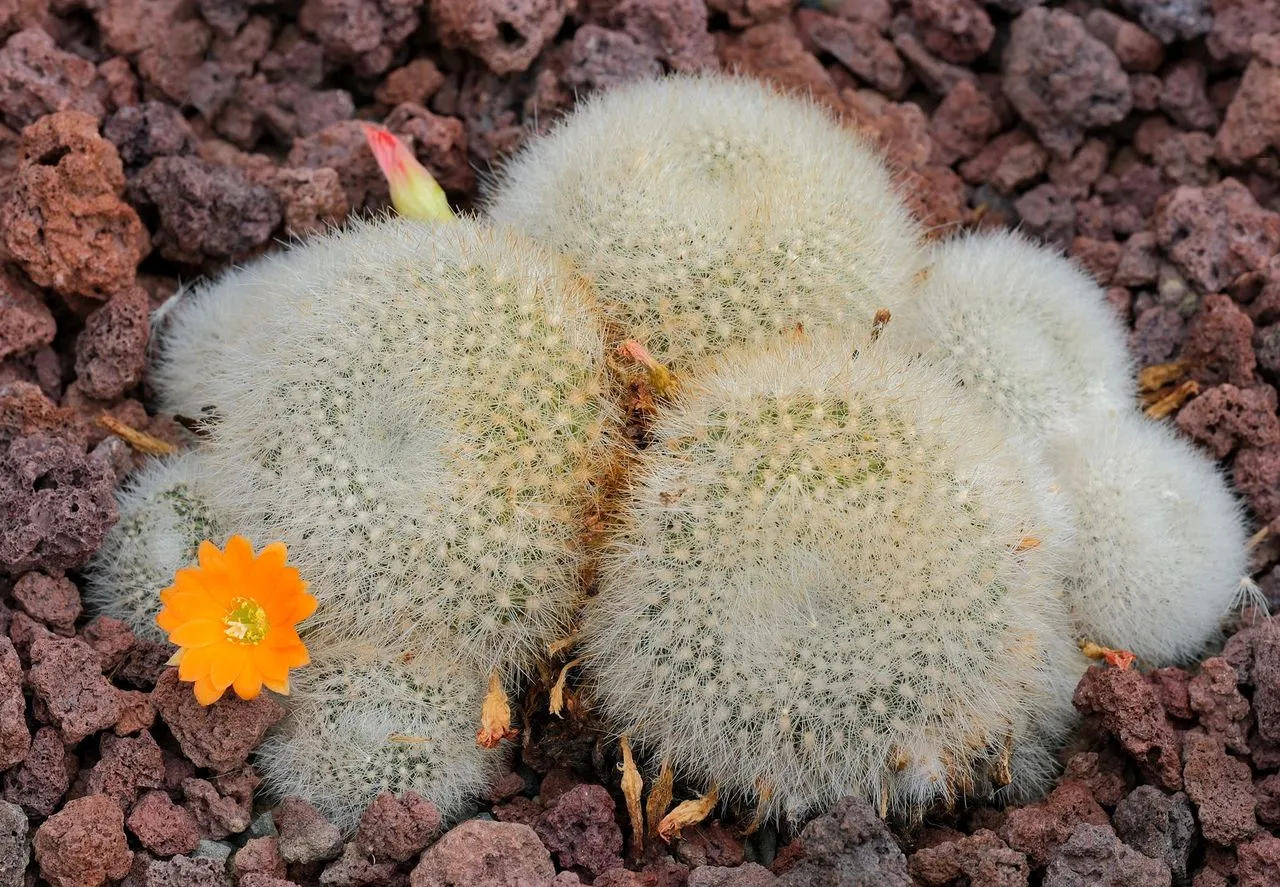
Cactus Not Flowering: Age, Dormancy & the Dark Period Fix
Start here for cactus care: watering, fast-draining soil, light needs, repotting, winter rest, and common cactus problems.
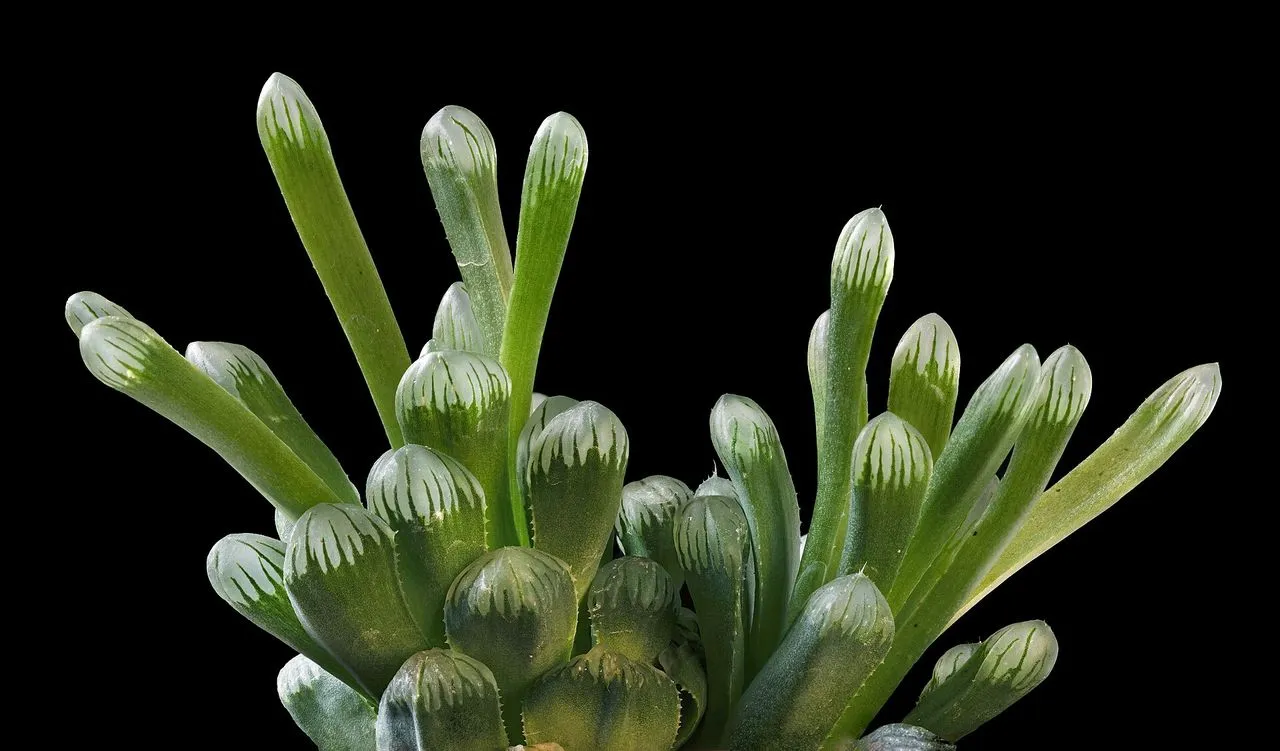
Haworthia Elongating: Why It Stretches and How to Fix It
Haworthia elongating usually means low light. Learn the early signs, how to move it brighter without sunburn, and when to use a grow light.
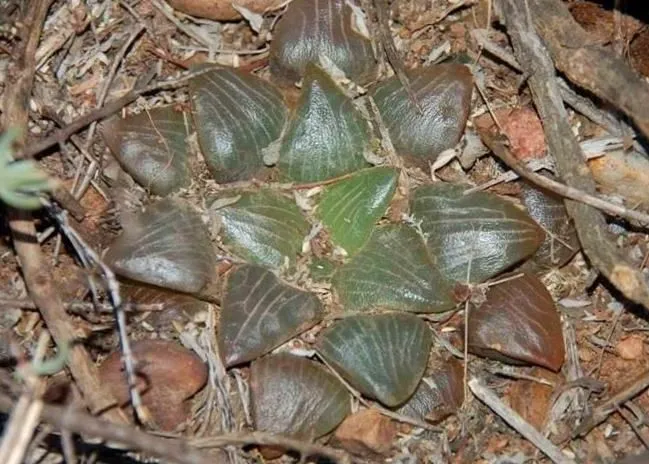
Haworthia Aphids: Identification, Damage, and Treatment
Aphids on Haworthia most commonly attack the flower stalk but can colonise leaf axils.
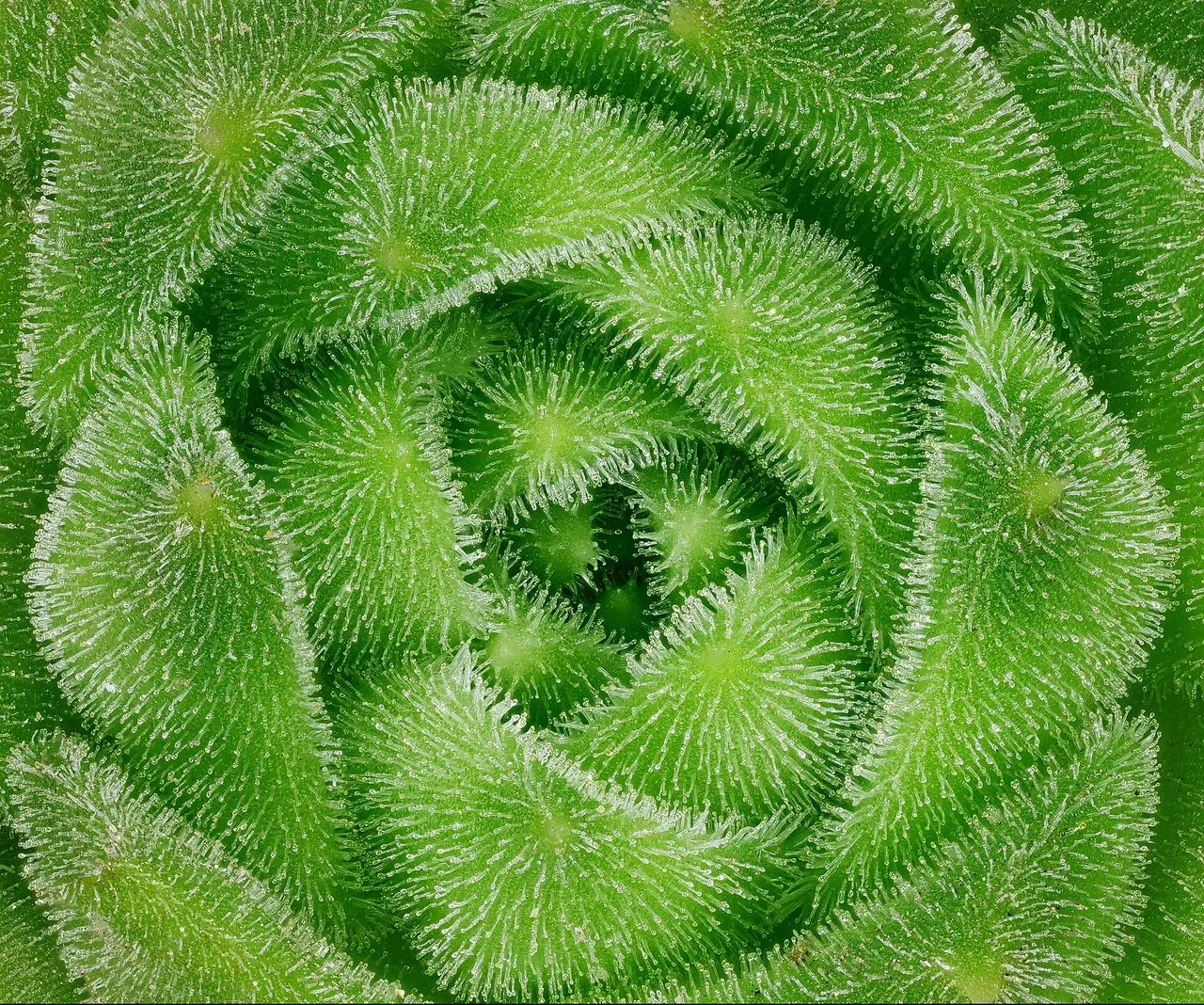
Sempervivum Color Fading: Why Red and Purple Pigment Disappears
Sempervivum colors fade when light drops, water stays too steady, roots struggle, or seasons change. Learn what is normal and how to bring color back safely.
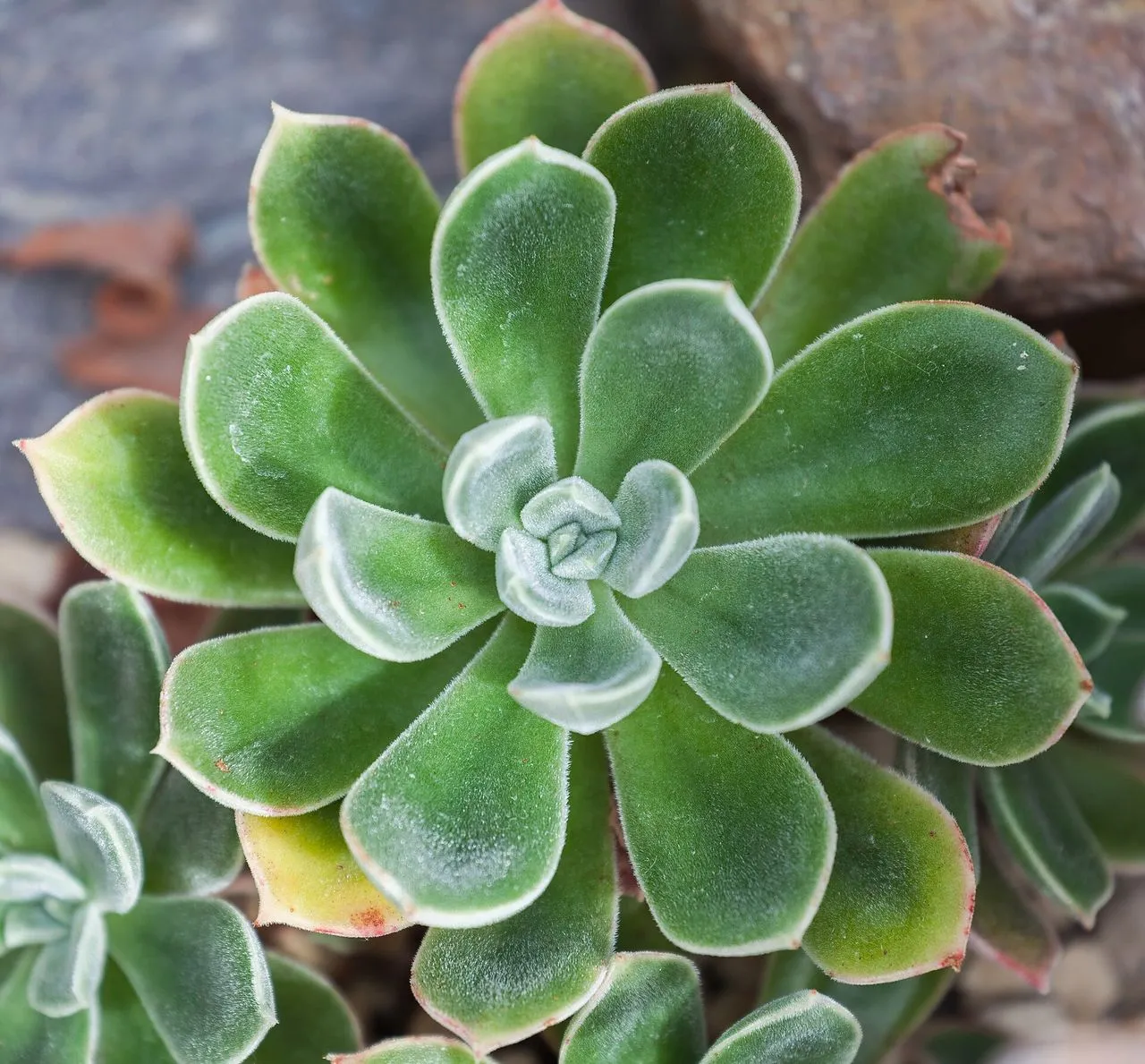
Echeveria Not Flowering: Light, Maturity, and Seasonal Cues
An Echeveria that will not flower is usually immature, under-lit, or lacking the seasonal temperature shift that triggers bud initiation.
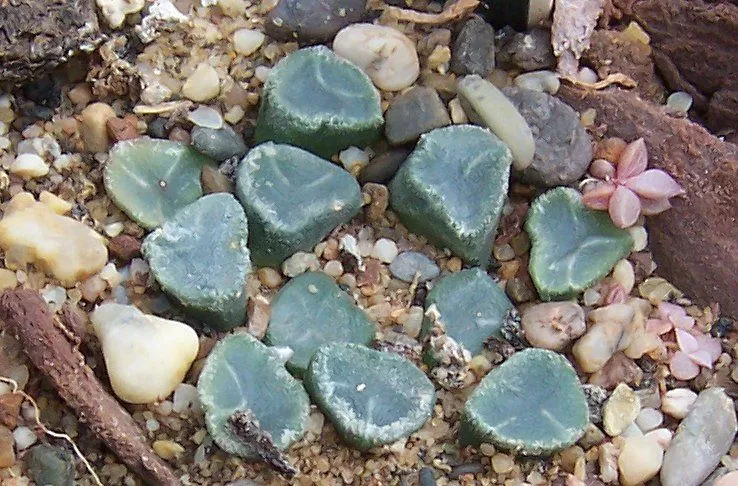
Haworthia Leaves Turning Transparent: Windows vs Warning Signs
Transparent or translucent Haworthia leaves are often the plant's normal leaf windows, not a problem.
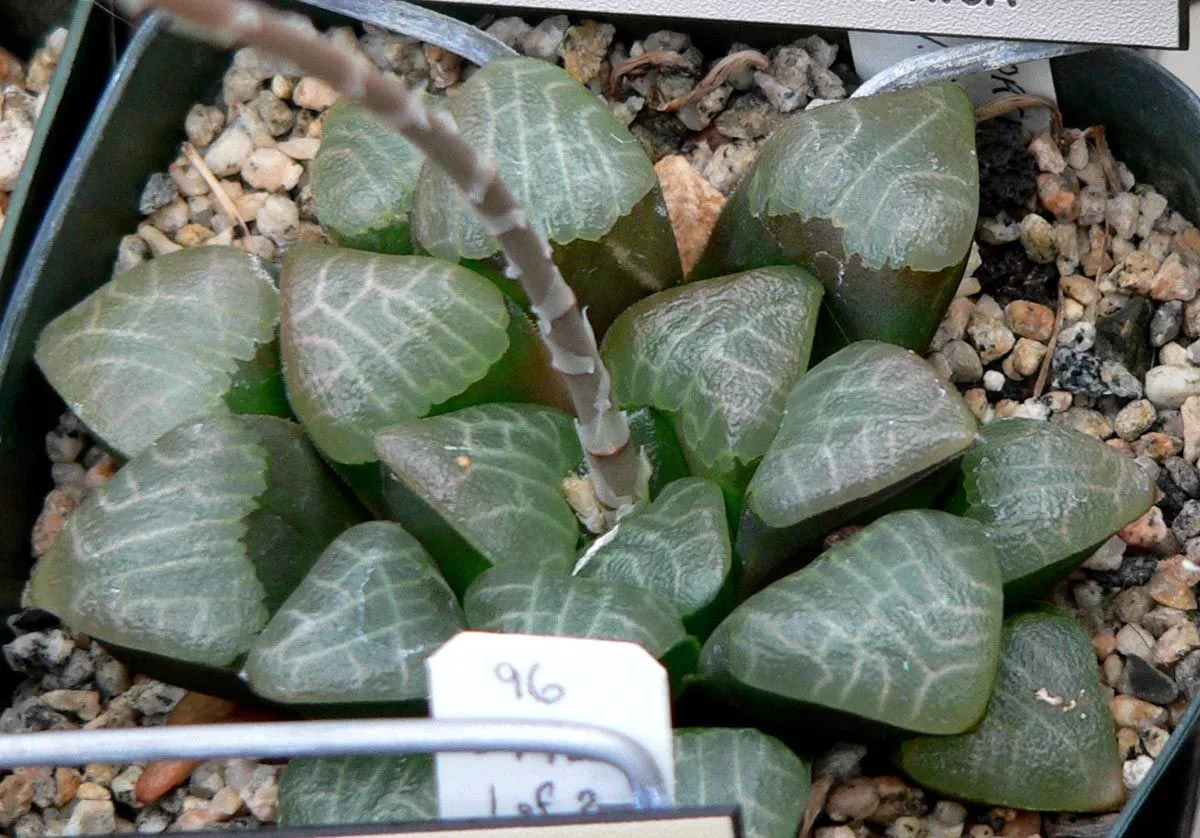
Haworthia Leaves Turning Brown: Causes and Fixes
Brown Haworthia leaves have five distinct causes: normal senescence, sunburn, cold damage, root rot, and drought.
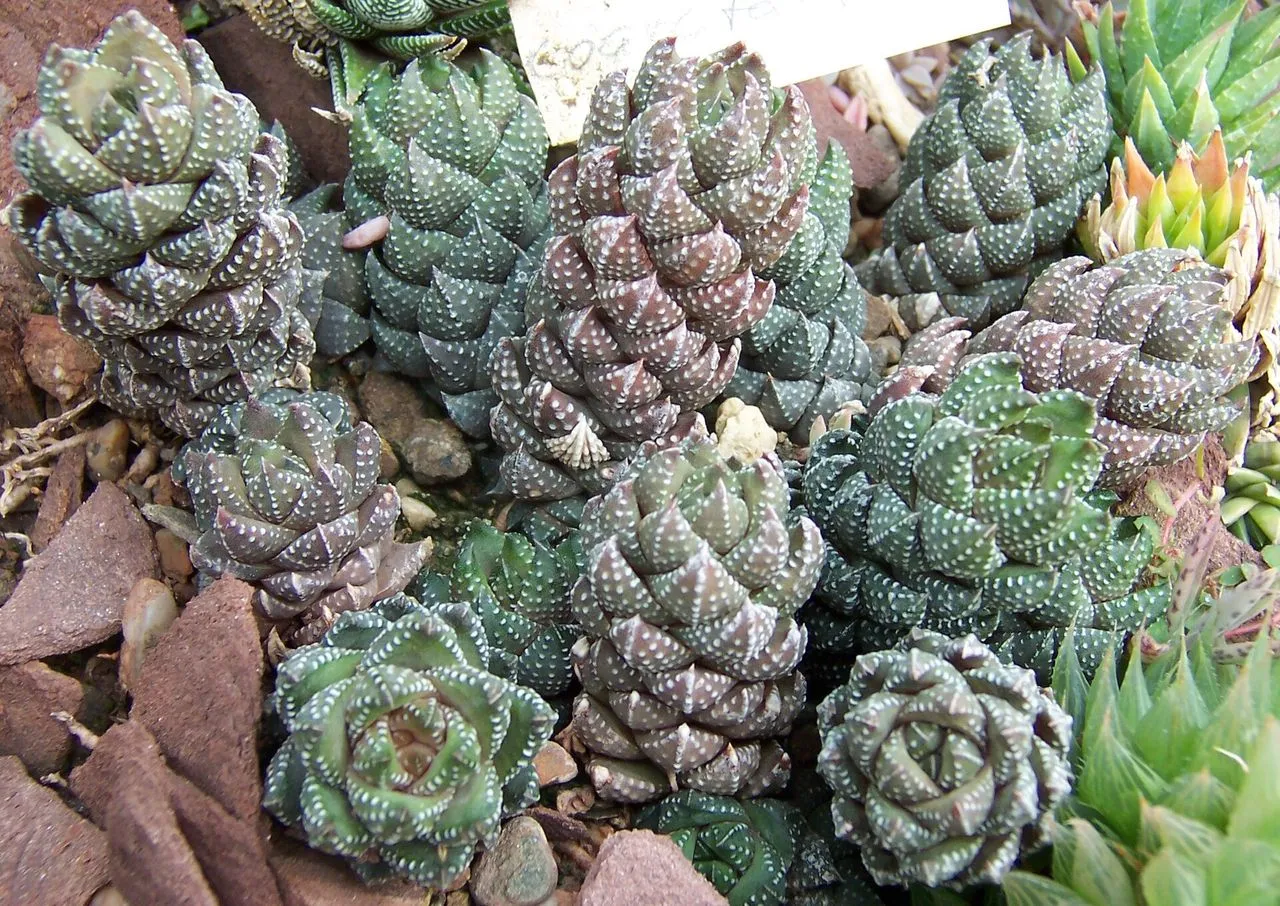
Haworthia Leaves Shriveling: Causes and Recovery
Shriveling Haworthia leaves can mean under-watering, root damage from rot or root mealybug, heat stress, or repotting shock.
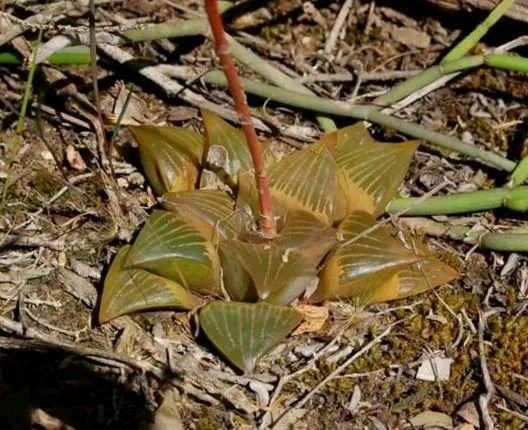
Haworthia Leaf Tips Dying Back: Causes and Prevention
Dying leaf tips are the most common cosmetic complaint on Haworthia.
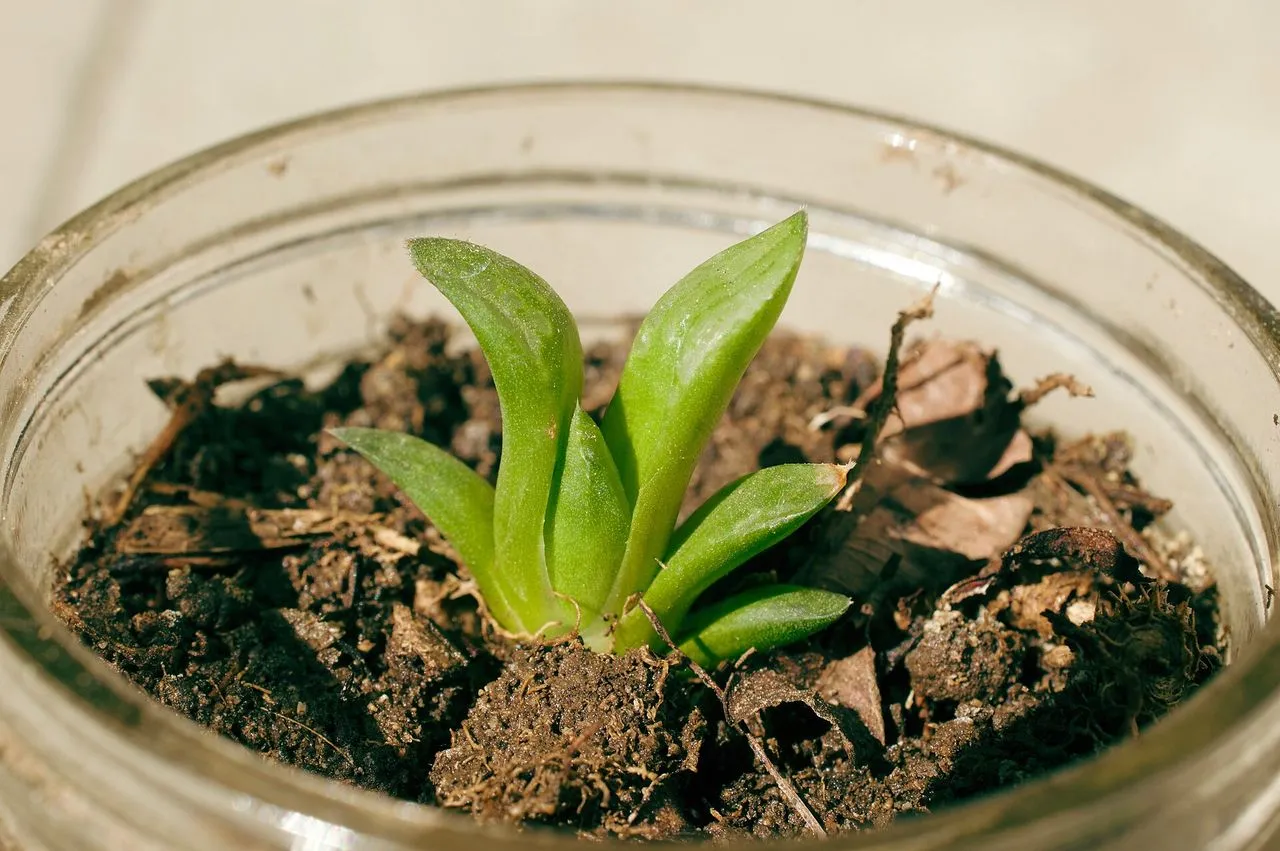
Haworthia Leaves Turning Yellow: Causes and Fixes
Yellow Haworthia leaves most commonly signal over-watering and early root rot, but can also indicate root mealybug, nutrient deficiency, or normal…
Complete Guides
Pillars for every genus
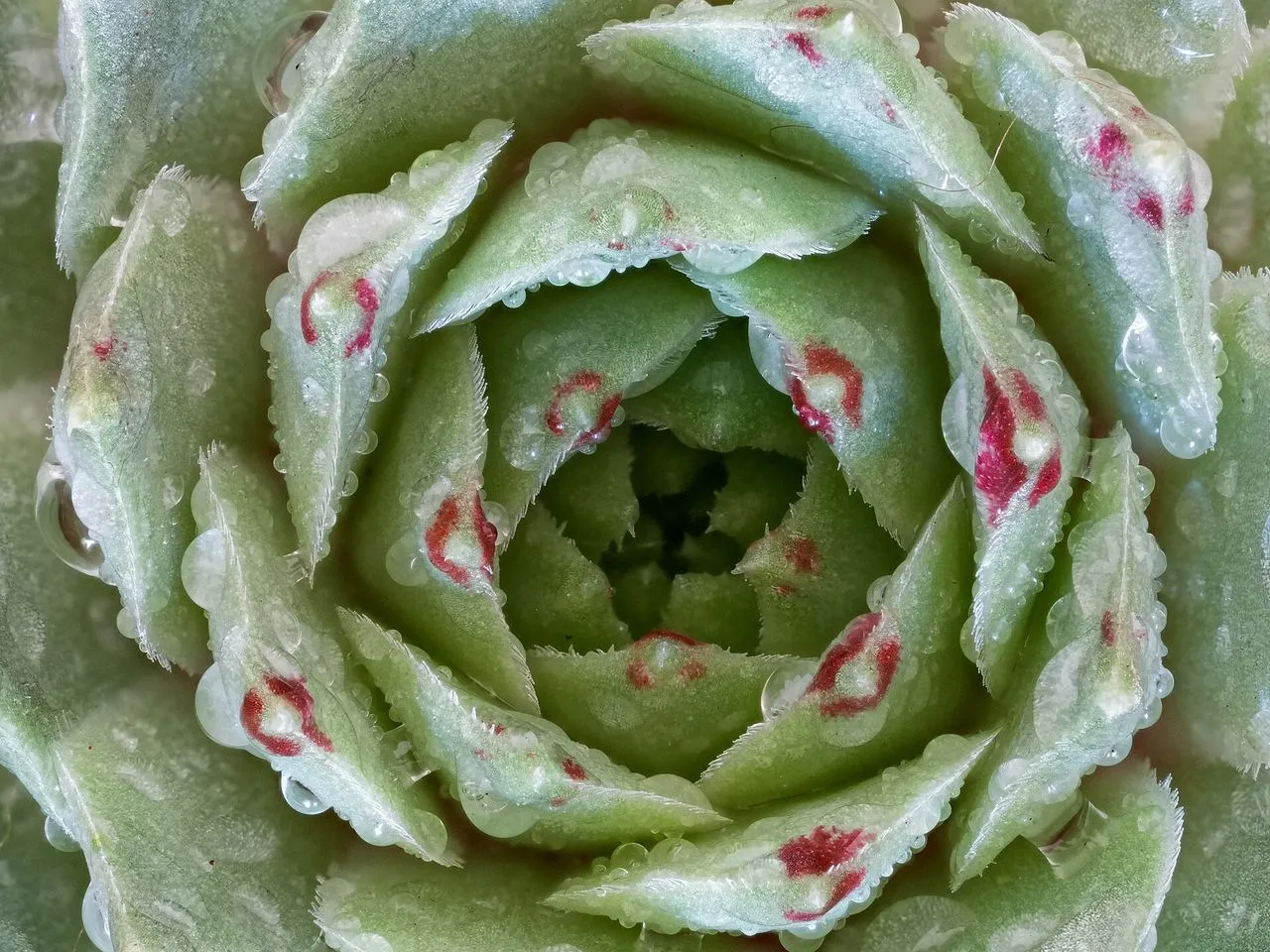
The Complete Echeveria Guide: Identification, Cultivation & Propagation
Keep echeverias compact with bright light, fast-draining soil, careful watering, and early fixes for stretching, rot, and faded color.
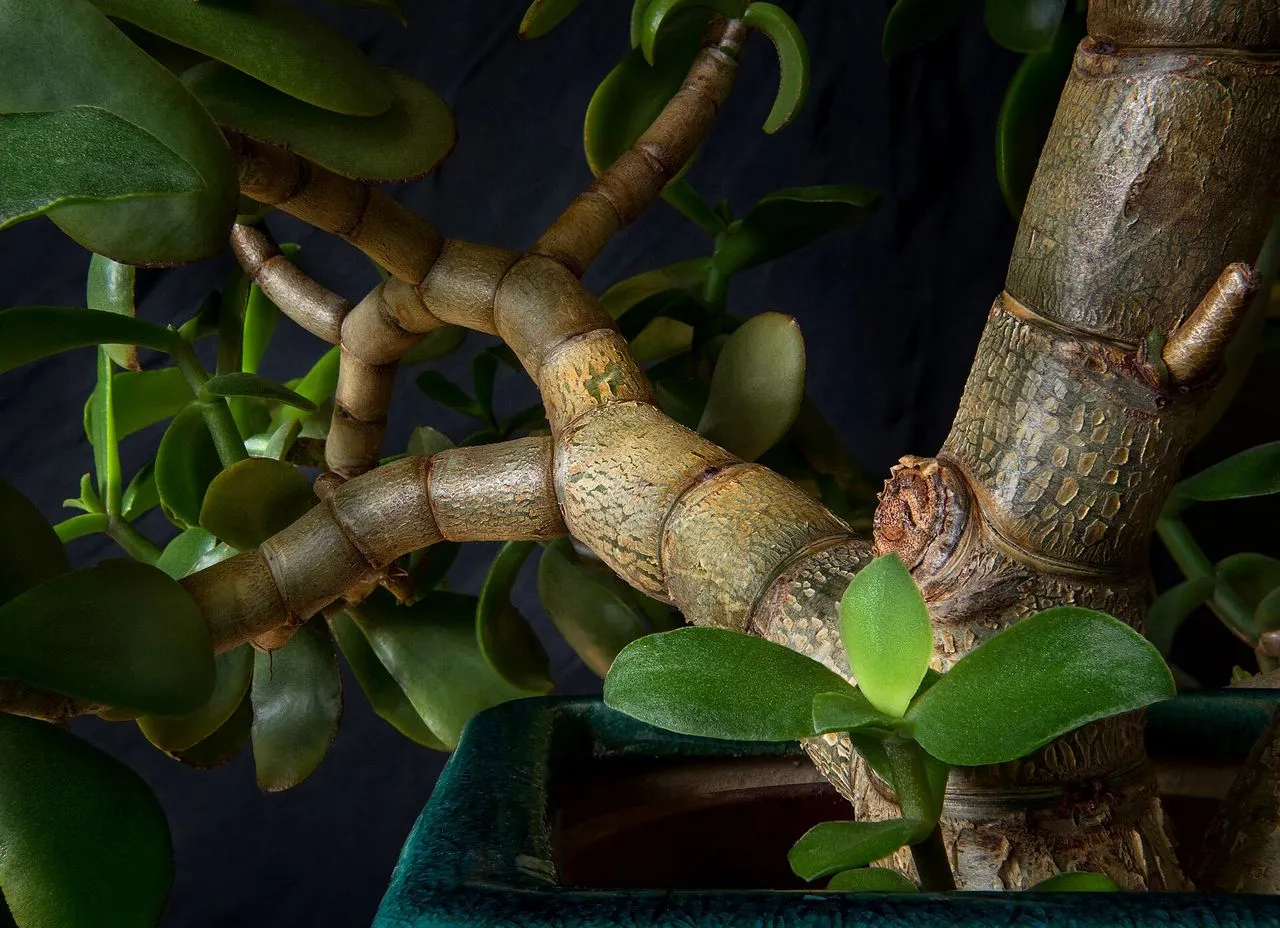
The Complete Crassula Guide: Taxonomy, Cultivation, Propagation & CAM Physiology
Start with a gritty mix and the brightest south or west window available.
The Complete Haworthia Guide: Identification, Cultivation & Propagation
Grow Haworthia with bright indirect light, gritty soil, careful watering, and simple propagation. Learn why leaves stretch, brown, soften, or lose windows.
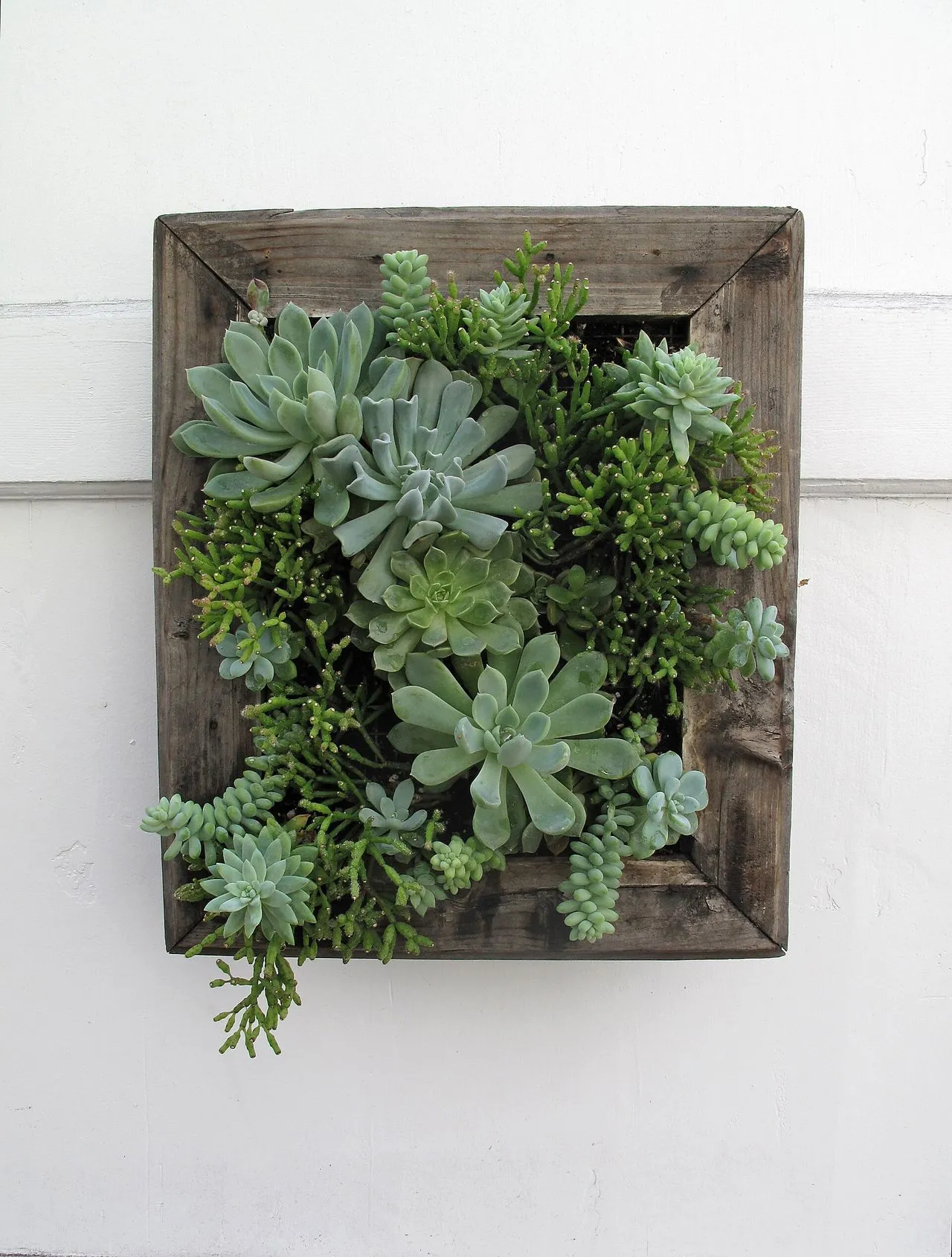
Succulent Soil: A Practical Guide to Substrate, Mixing, and Drainage
What 'free-draining' really means, the components of a succulent mix, a standard recipe, and how to adapt it to Echeveria, Haworthia, Agave and friends.
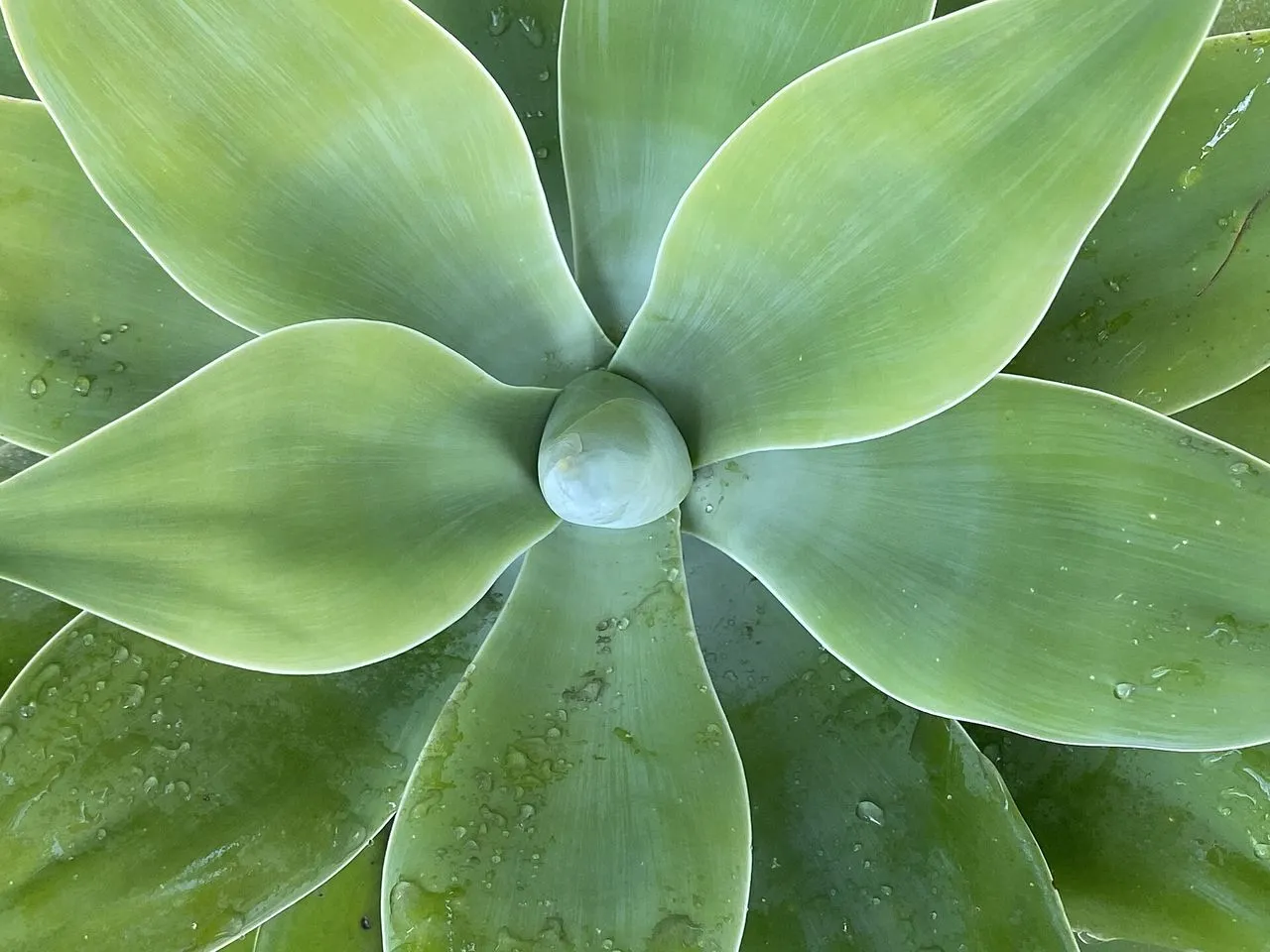
The Complete Agave Guide: Identification, Cultivation & Propagation
Comprehensive guide to the genus Agave: taxonomy, morphology, light and watering needs, cold hardiness, propagation by offset and bulbil, and common…
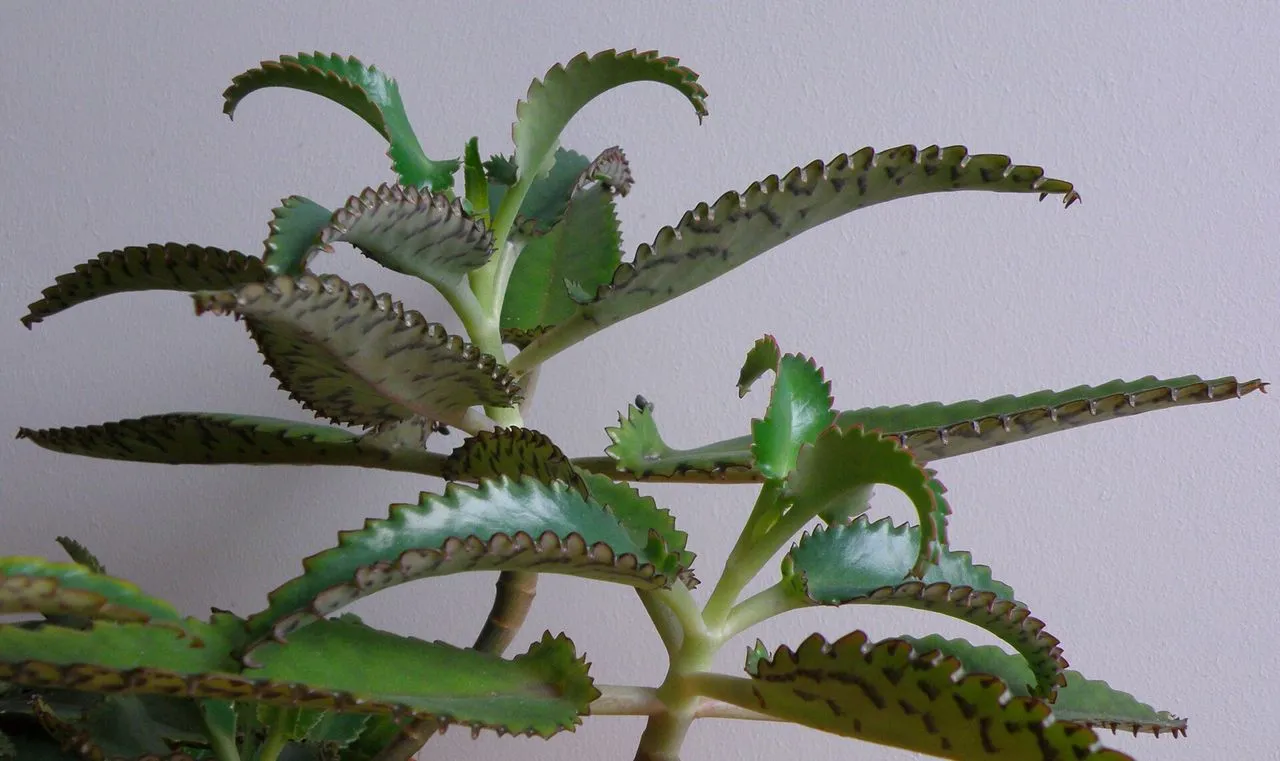
The Complete Kalanchoe Guide: Identification, Cultivation & Propagation
Comprehensive guide to the genus Kalanchoe: taxonomy, identification, photoperiodic flowering, propagation from cuttings and leaf bulbils, pruning…
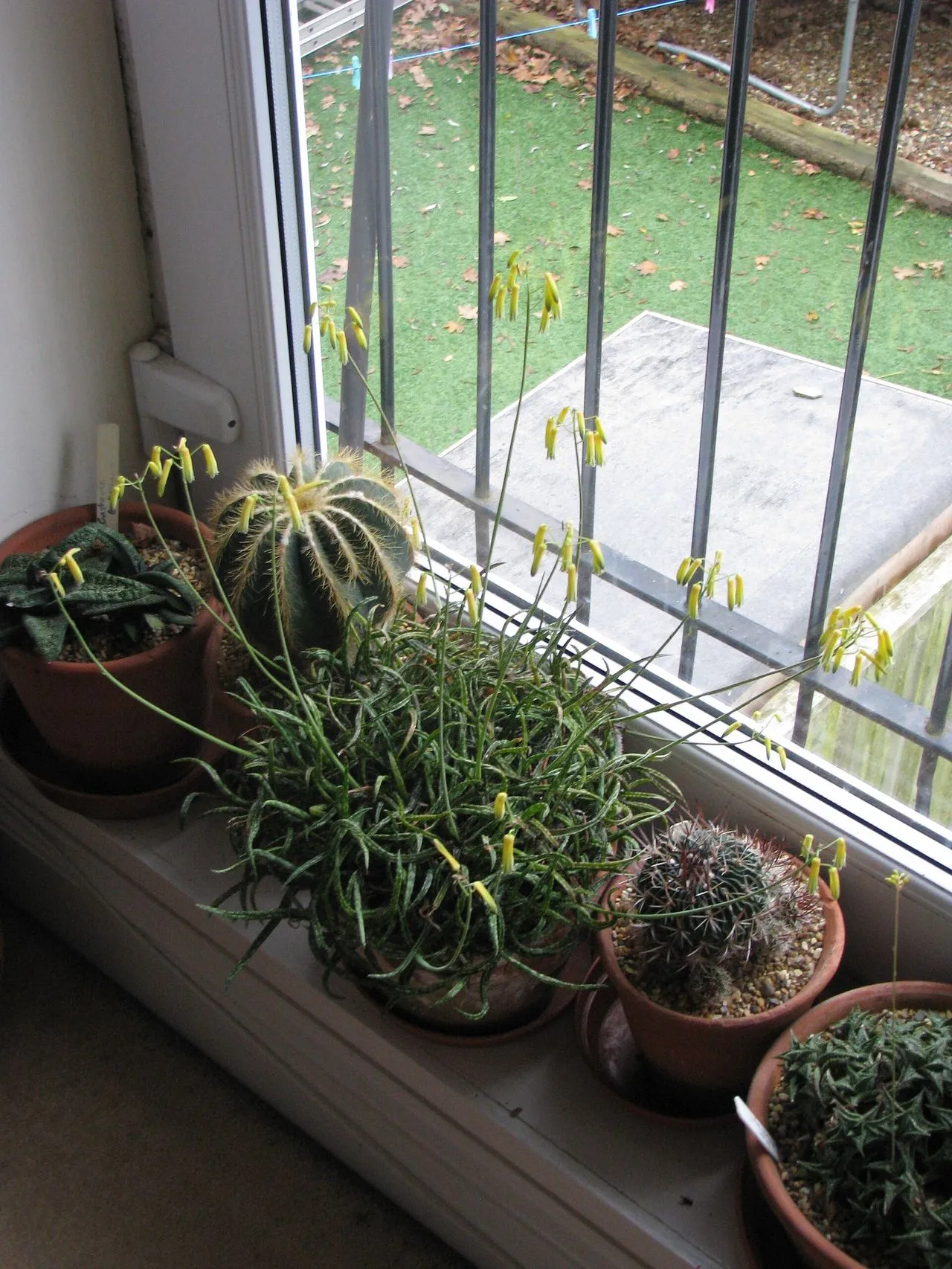
Indoor Succulents: A Practical Guide to Keeping Them Alive at Home
Light, water, ventilation, and species choice for growing succulents indoors — including what not to try without grow lights.
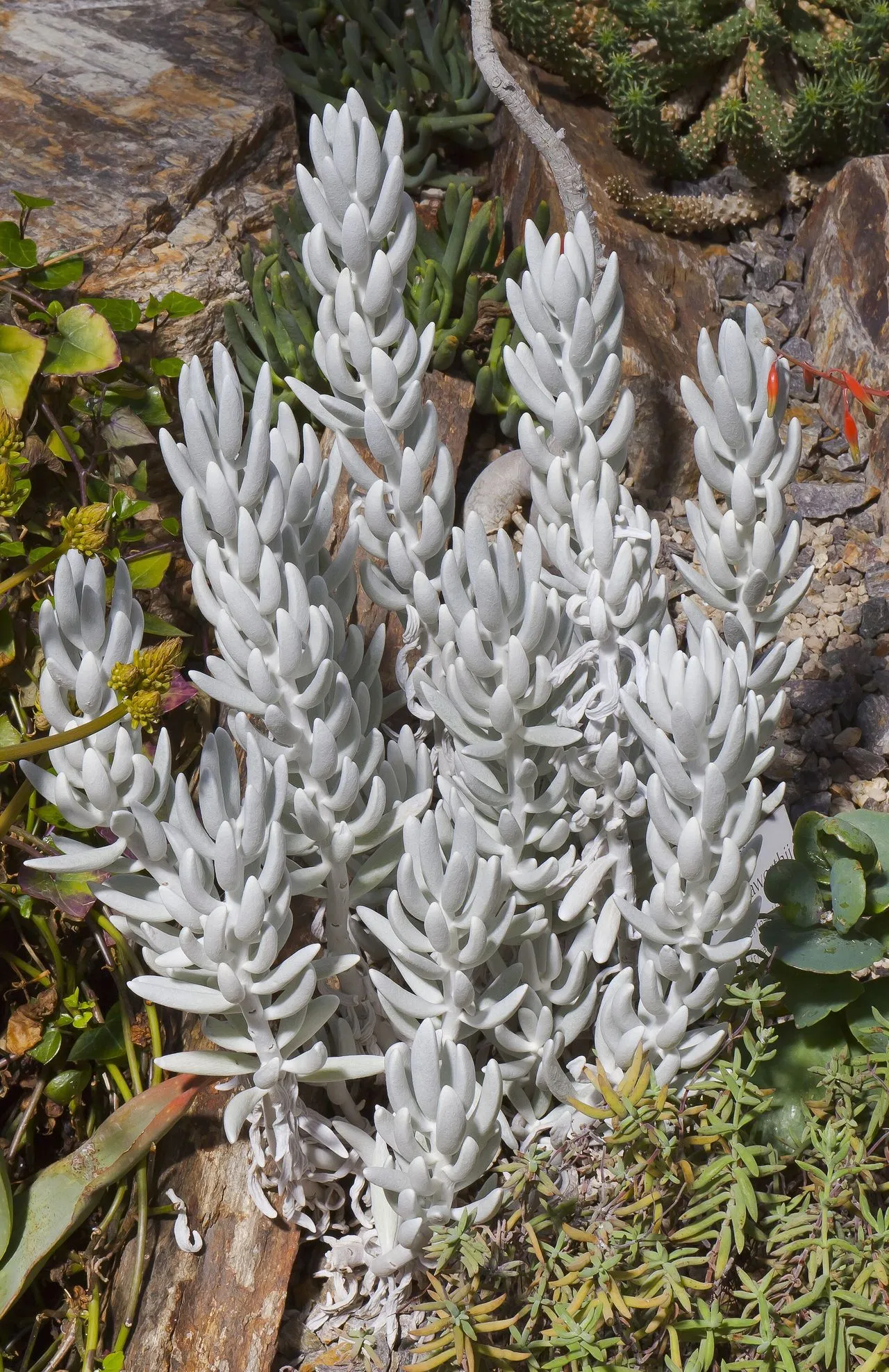
The Complete Senecio Guide: Taxonomy, Cultivation & Propagation
Comprehensive guide to succulent Senecio (and the reclassified genus Curio): taxonomy, identification, light, water, substrate, propagation, pruning…
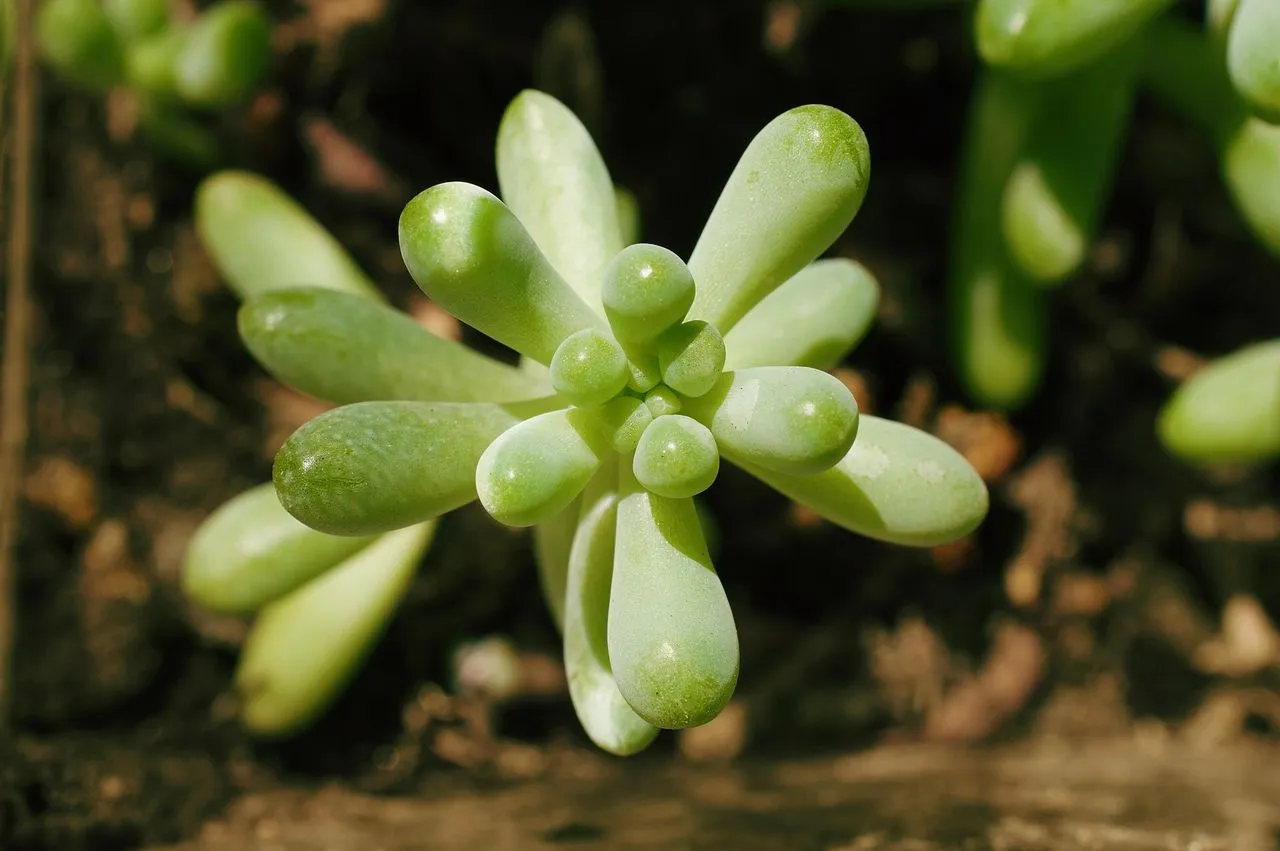
The Complete Sedum Guide: Stonecrop Identification, Cultivation & Propagation
Identify the plant as creeping, upright, pendant, or dwarf before deciding sun, water, hardiness, and propagation.